What Is a Vacuum Bomb and How Does It Work?
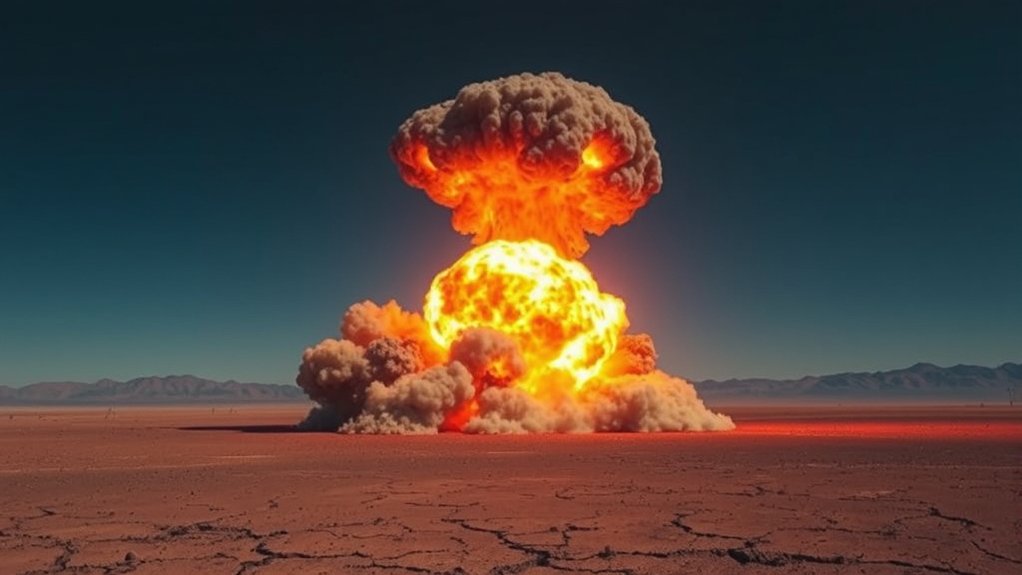
A vacuum bomb, also known as a thermobaric weapon, is a powerful explosive device that works by igniting a cloud of fuel. This ignition rapidly consumes oxygen from the surrounding air, creating an intense blast followed by a strong vacuum effect.
The resulting pressure changes cause devastating damage to structures and inflict severe injuries on living beings.
Unlike conventional explosives, vacuum bombs generate a partial vacuum that pulls debris inward, amplifying their destructive power. This makes them particularly lethal in enclosed spaces such as bunkers or buildings.
The unique mechanism of vacuum bombs raises significant military interest as well as ethical concerns regarding their use.
If you’re curious about how these weapons function and the implications of their deployment, there is much more to explore about their impact and controversies.
Key Takeaways
- A vacuum bomb uses surrounding oxygen, not an internal oxidizer, to fuel a powerful explosion.
- It ignites a shockwave followed by rapid oxygen consumption, creating a massive blast wave and sudden vacuum.
- The vacuum causes air to rush inward, producing a secondary, intense blast wave that amplifies destruction.
- Its combined shockwaves cause severe pressure changes, structural collapse, and internal injuries to people.
- Unlike conventional explosives, vacuum bombs create a damaging low-pressure zone after detonation.
What Is a Vacuum Bomb and Why Is It Called That?
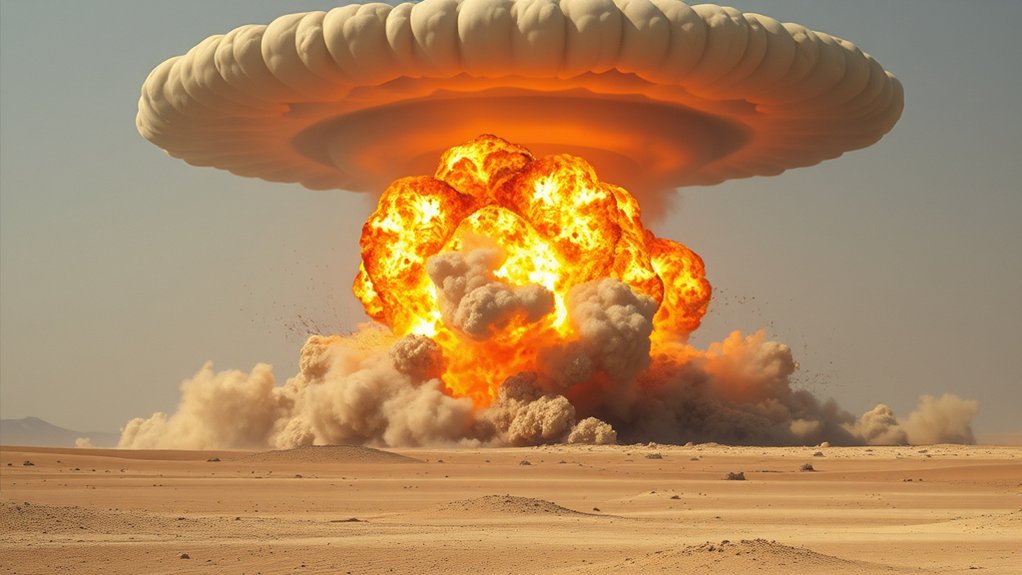
How does a vacuum bomb work, and why does it carry that name? You might think it involves an actual vacuum, but it’s more about the intense pressure changes it creates. A vacuum bomb, also called a thermobaric weapon, uses oxygen from the surrounding air to fuel its explosion instead of carrying its own oxidizer.
When it detonates, it produces a massive blast wave and a sudden drop in air pressure—essentially creating a partial vacuum. This vacuum effect causes the destructive power to extend beyond conventional explosives. You call it a vacuum bomb precisely because of that rapid vacuum formation after the initial blast, which causes extreme damage by collapsing structures and suffocating anyone nearby due to the pressure change.
How Vacuum Bombs Create Their Blast
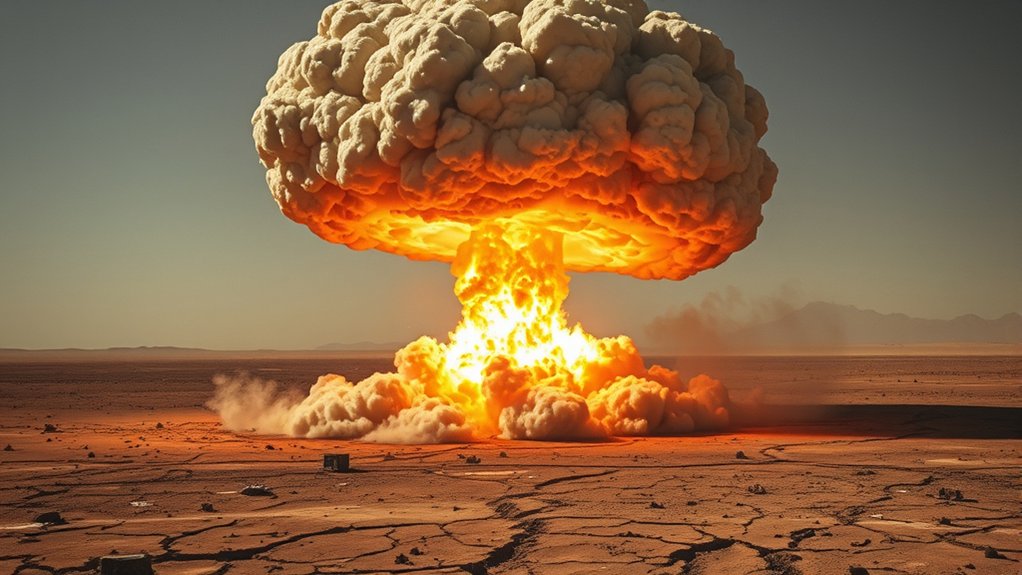
The intense pressure changes caused by a vacuum bomb come from a two-stage explosion process. First, a conventional explosive ignites, creating an initial blast wave and a massive fireball. This blast consumes the surrounding oxygen rapidly, generating a high-pressure shockwave that moves outward.
Next, the bomb’s design causes a sudden vacuum—or low-pressure area—right behind the shockwave. This vacuum pulls surrounding air inward to fill the void, creating a secondary, powerful blast wave. The combination of these two waves results in a devastating pressure differential.
Here’s how the blast forms:
- Initial explosion creates a high-pressure shockwave.
- Rapid oxygen consumption causes a vacuum behind the wave.
- Air rushes back, generating a secondary blast wave.
This two-step process is what makes vacuum bombs uniquely destructive.
How Vacuum Bombs Affect People and Buildings

Although you might not see the blast itself, vacuum bombs can cause severe injuries and widespread destruction by rapidly changing air pressure and generating intense shockwaves that crush structures and harm anyone caught nearby. When the bomb detonates, the shockwave exerts immense force, shattering windows, collapsing walls, and toppling buildings. You could be thrown against objects, suffer internal injuries, or experience ruptured eardrums due to the sudden pressure shift.
The vacuum created after the explosion pulls debris inward, increasing damage and trapping people under rubble. Whether inside or outside, you’re at risk from flying fragments and the blast’s sheer force. The combination of blast pressure and vacuum makes these bombs devastating, leaving behind destruction that’s difficult to survive or recover from quickly.
Why Vacuum Bombs Are Especially Dangerous in Enclosed Spaces
You’ll feel the intense pressure wave slam into walls and objects, amplifying its force in enclosed spaces. The blast also sucks out oxygen, making it hard to breathe and increasing danger.
Understanding these effects shows why vacuum bombs are especially deadly indoors.
Intense Pressure Wave
How does a vacuum bomb create such devastating effects inside enclosed spaces? When the bomb detonates, it generates an intense pressure wave that slams through the area with incredible force. This wave is especially dangerous indoors because it reflects off walls, amplifying its power and causing severe damage.
Here’s why you should be concerned about the intense pressure wave:
- Amplified Impact: The wave rebounds multiple times, increasing the destructive force on everything in its path.
- Structural Collapse: Buildings and rooms can’t absorb the repeated shocks, leading to rapid failures.
- Severe Injury Risk: The sudden, extreme pressure changes can cause internal injuries, even without direct contact with debris.
Understanding this helps you grasp why vacuum bombs are so lethal in confined spaces.
Oxygen Depletion Effects
When a vacuum bomb explodes inside an enclosed space, it rapidly consumes the available oxygen, leaving you with dangerously low air to breathe. This sudden oxygen depletion makes it hard for your lungs to get the oxygen they need, causing dizziness, unconsciousness, or even death if you don’t escape quickly.
The bomb’s blast creates a vacuum effect, sucking in oxygen and fueling the explosion, but in confined areas, this means the air becomes nearly unbreathable almost instantly. You can’t rely on fresh air coming in fast enough, so the environment turns deadly.
That’s why vacuum bombs are especially dangerous indoors or underground—they starve you of oxygen while damaging your surroundings, making survival incredibly difficult.
Differences Between Vacuum Bombs and Conventional Explosives
Although both vacuum bombs and conventional explosives release destructive energy, they operate through fundamentally different mechanisms that affect their impact and use. When you compare the two, you’ll notice key distinctions that define their effects on targets and environments.
- Blast Mechanism: Vacuum bombs create a massive vacuum by consuming oxygen in the explosion, causing a powerful suction effect. Conventional explosives primarily rely on a rapid expansion of gases to produce a shockwave.
- Damage Radius: Vacuum bombs inflict damage by collapsing structures and suffocating targets, while conventional explosives destroy through sheer blast pressure and fragmentation.
- Aftermath Effects: You’ll find vacuum bombs leave behind a low-pressure zone, intensifying damage post-explosion, whereas conventional explosives mainly cause immediate impact damage.
Understanding these differences helps you grasp why vacuum bombs are uniquely devastating.
Materials Used in Vacuum Bombs
The unique effects of vacuum bombs come from the specific materials chosen for their construction. You’ll find these bombs use a tough outer casing, often made of steel or reinforced composites, to contain the initial explosion. Inside, they pack a high explosive charge like TNT or RDX, which generates an intense blast.
Surrounding this charge is a lightweight container designed to collapse rapidly, creating the vacuum effect by sucking in surrounding air. Some designs incorporate metal or plastic liners that help shape the blast wave. The combination of these materials guarantees the bomb produces a powerful shockwave followed by an almost immediate vacuum, amplifying destruction.
When you understand the materials involved, you see how they work together to deliver the bomb’s unique and devastating effects.
Military Uses of Vacuum Bombs
Because vacuum bombs create an intense blast followed by a powerful vacuum effect, militaries use them to target fortified structures and underground bunkers effectively. When you deploy these bombs, you’re leveraging their ability to destroy hardened targets that conventional explosives might not penetrate.
Vacuum bombs deliver intense blasts and powerful vacuums to destroy fortified and underground targets effectively.
Here are three key military uses you should know:
- Neutralizing enemy fortifications: Vacuum bombs collapse bunkers and trenches, leaving enemies exposed.
- Clearing minefields: The blast’s vacuum effect can detonate or disable buried explosives safely.
- Demoralizing forces: The sheer force and shockwave can break enemy morale and disrupt their operations.
Using vacuum bombs gives you a strategic advantage in complex combat scenarios where precision and power matter most.
Controversies and Ethics of Vacuum Bombs
Why do vacuum bombs spark intense debates around the world? You’ll find that their immense destructive power raises serious ethical questions. When these bombs detonate, they create a massive blast wave that can cause severe injuries and widespread devastation, often affecting civilians.
You might struggle with the morality of using weapons that cause such indiscriminate harm. Critics argue that vacuum bombs inflict unnecessary suffering, while supporters claim they are effective for specific military objectives. You also have to contemplate the psychological trauma inflicted on survivors and communities.
The debate often centers on whether the military advantage justifies the humanitarian costs. As you explore this topic, it’s clear that vacuum bombs aren’t just technical tools—they force you to confront difficult ethical dilemmas.
International Law and Vacuum Bomb Use
Although international law doesn’t explicitly ban vacuum bombs, their use falls under strict regulations designed to limit civilian harm and unnecessary suffering. When you consider vacuum bombs, you have to understand how international humanitarian law applies to them, especially regarding proportionality and distinction between combatants and civilians.
Here’s what you should keep in mind:
- Proportionality: You must guarantee that the military advantage outweighs potential civilian damage.
- Distinction: You need to clearly differentiate between military targets and civilians to avoid unlawful attacks.
- Precaution: You’re required to take all feasible precautions to minimize civilian casualties and damage to civilian objects.
Advances in Thermobaric Weapon Technology
As thermobaric weapons continue to evolve, engineers have considerably enhanced their explosive efficiency and blast radius, making them more powerful and precise than ever before. You’ll notice improvements in fuel-air mixtures that maximize the oxygen consumption during detonation, creating longer-lasting and more intense pressure waves. Advances in delivery systems allow these weapons to be deployed from greater distances with increased accuracy, reducing risks to operators.
Modern thermobaric bombs also incorporate smart technology, enabling controlled explosions that adapt to different environments for optimized effects. You benefit from these innovations as they increase the weapon’s effectiveness against fortified targets while minimizing unintended damage. These technological strides keep thermobaric weapons at the forefront of modern military arsenals, continually refining their destructive capabilities.
Frequently Asked Questions
How Are Vacuum Bombs Detected Before Detonation?
You detect vacuum bombs before detonation using advanced sensors, intelligence gathering, and surveillance drones. These tools pick up unusual materials, heat signatures, or suspicious activity, helping you identify threats early and prevent catastrophic damage.
Can Vacuum Bombs Be Safely Disarmed or Defused?
You generally can’t safely disarm vacuum bombs because they’re highly unstable and sensitive. Attempting to defuse one risks detonation, so experts prioritize evacuation and controlled detonation instead of direct disarming to keep you safe.
What Countries Currently Manufacture Vacuum Bombs?
You’ll find that countries like the United States, Russia, and China currently manufacture vacuum bombs. They develop these powerful weapons for military use, despite international concerns about their devastating effects and ethical implications in warfare.
Are There Any Peaceful Applications for Thermobaric Technology?
You won’t find many peaceful uses for thermobaric technology, as it’s designed for destruction. However, some related principles help in controlled demolition or industrial applications where intense heat and pressure are needed safely.
How Do Vacuum Bombs Impact the Environment Long-Term?
You’d think vacuum bombs could turn Earth into a barren wasteland forever, but their long-term environmental impact mainly includes soil contamination and ecosystem disruption, causing slow recovery and lingering harm to plants, animals, and water sources.
Conclusion
Now that you know how vacuum bombs work, it’s striking that their blast can be up to three times longer-lasting than conventional explosives. This extended blast wave makes them especially devastating in enclosed spaces, increasing both structural damage and casualties.
While they’re powerful military tools, their destructive nature raises serious ethical questions. Understanding these weapons helps you grasp why international laws aim to regulate their use.
Ongoing debates about the impact of vacuum bombs continue worldwide, highlighting the need for strict regulation. Their significant destructive power and ethical concerns underline the importance of global efforts to control vacuum bomb usage.