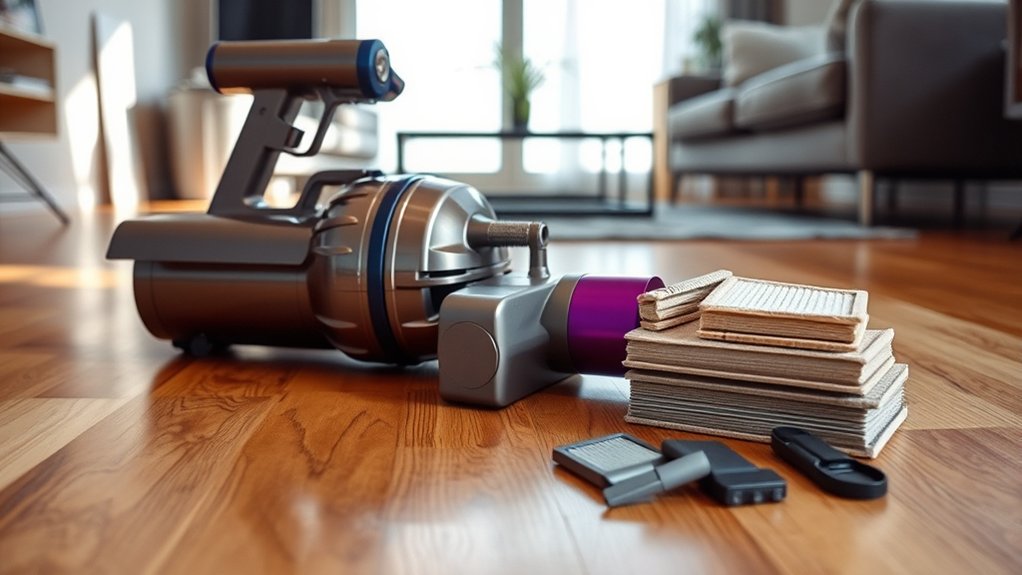
How Long Does a Dyson Vacuum Last – A Complete Lifespan Guide
You can expect your Dyson vacuum to last between 5 and 10 years, depending on the model, how often you use it, and how well you maintain it. Dyson vacuum lifespan varies with usage and care, making regular maintenance essential for longevity.
Corded models generally last longer than cordless ones, as the latter tend to lose battery life over time.
Proper cleaning and storage play a crucial role in keeping your vacuum performing at its best. Understanding the signs of wear and knowing when to upgrade can help you get the most out of your Dyson vacuum.
If you want to learn more about maximizing the lifespan of your Dyson vacuum, there’s plenty more to explore.
Key Takeaways
- Dyson vacuums typically last 5 to 10 years, depending on model type, usage frequency, and maintenance quality.
- Corded models last longer (8-10 years) than cordless ones (4-6 years) due to battery wear in cordless versions.
- Regular maintenance, including filter cleaning and blockage removal, significantly extends vacuum lifespan and performance.
- Signs like reduced suction, unusual noises, or burning smells indicate mechanical or electrical issues needing attention.
- Upgrading is advisable when frequent repairs occur or performance declines despite proper care, with warranties covering early defects.
How Long Does a Dyson Vacuum Usually Last
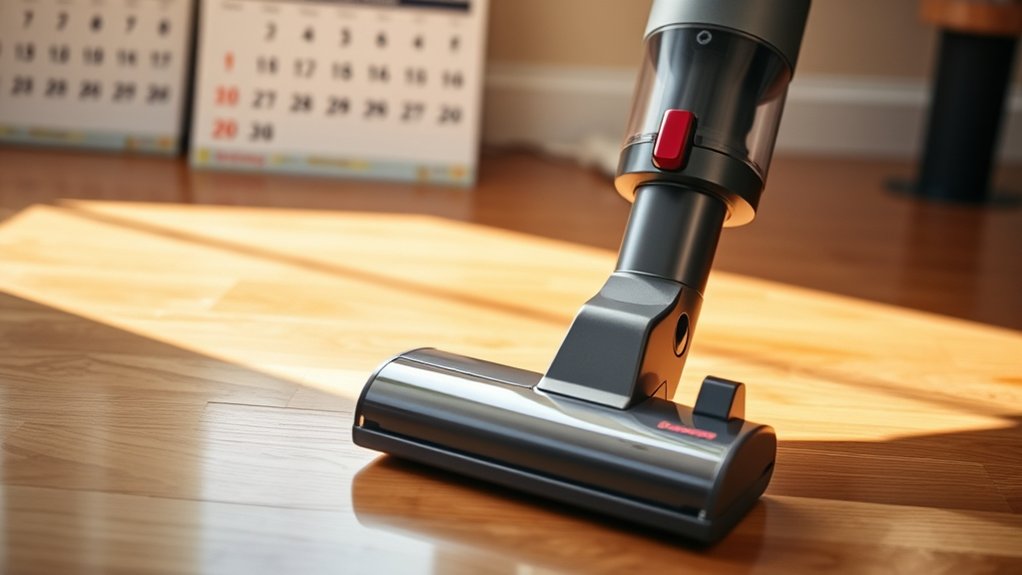
Although the exact lifespan of a Dyson vacuum can vary, you can generally expect it to last between 5 to 10 years with proper care. When you invest in a Dyson, you’re getting durable technology designed to handle regular use. If you use your vacuum in a typical household setting, it should serve you well for several years without losing suction power or efficiency.
You’ll notice that with consistent maintenance, the vacuum performs reliably, making it a long-term cleaning companion. Of course, how often you use it and the cleaning environment can influence its longevity, but generally, Dyson vacuums are built to last. So, if you treat it right, you won’t need to replace it anytime soon, saving you money and hassle.
Key Factors That Affect Dyson Vacuum Lifespan
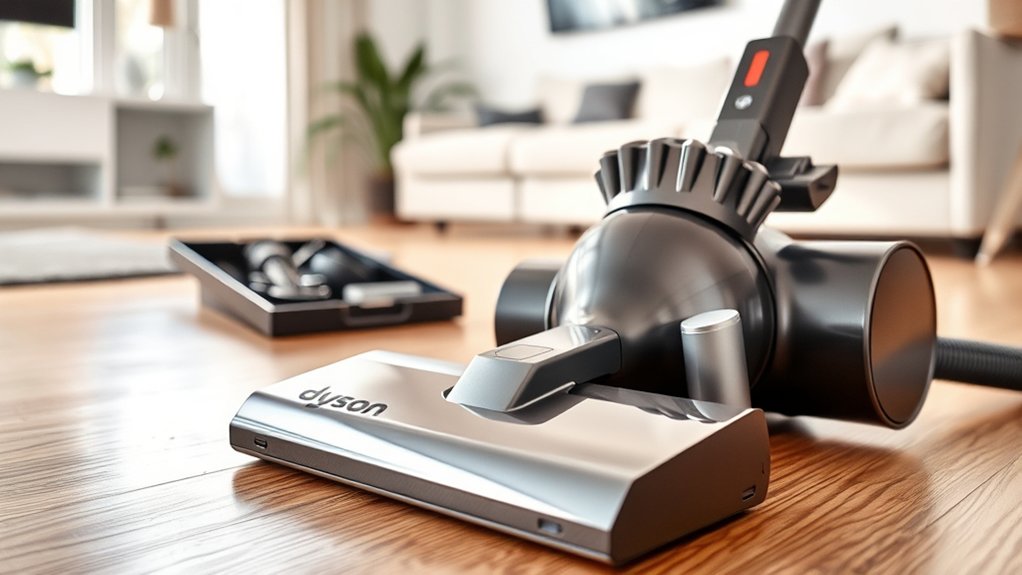
Because several elements influence how long your Dyson vacuum lasts, understanding these key factors can help you maximize its lifespan. Proper maintenance, usage habits, and environmental conditions play significant roles in wear and tear.
For example, regularly cleaning filters prevents motor strain, while avoiding overuse on rough surfaces reduces brush damage. Storage conditions also matter; keeping your vacuum in a dry, temperate area prevents rust and electronic issues.
| Factor | Impact on Lifespan | Tip for Care |
|---|---|---|
| Maintenance | Prevents clogging, motor wear | Clean filters & brushes weekly |
| Usage | Affects brush and motor life | Use on recommended surfaces |
| Environment | Influences rust & electronics | Store in dry, cool places |
How Different Dyson Models Compare in Durability
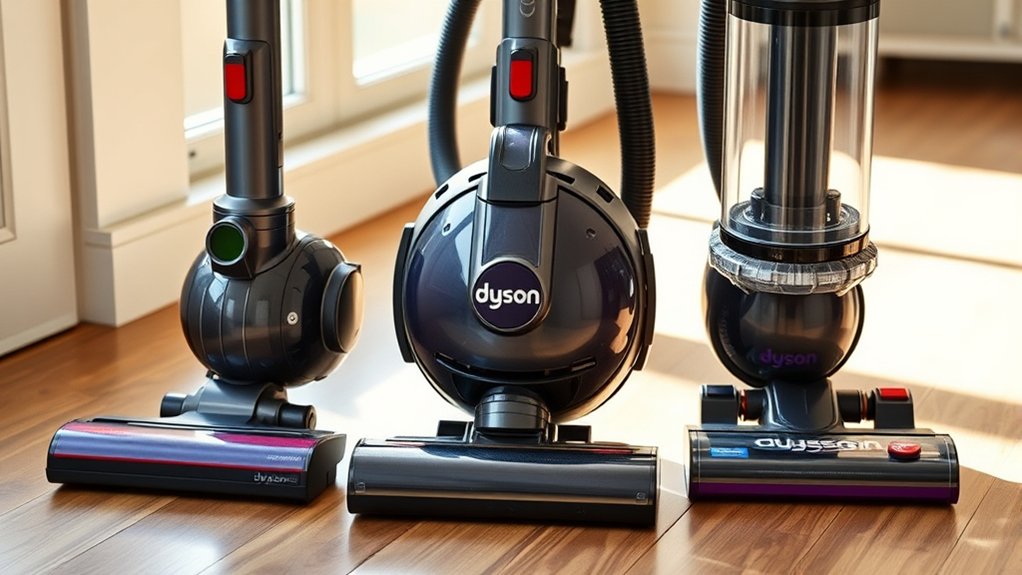
You’ll notice corded Dyson models often outlast their cordless counterparts due to battery wear. The materials used in each model also play a big role in how long they hold up.
Plus, how well you maintain your vacuum can make a major difference in its durability.
Corded Vs. Cordless Lifespan
When comparing Dyson vacuum models, understanding the lifespan differences between corded and cordless options can help you choose the right fit for your cleaning needs. Corded models generally offer longer continuous use because they don’t rely on batteries that degrade over time. Cordless vacuums give you freedom but usually need battery replacements after a few years.
Here’s how they stack up:
- Corded Dyson vacuums: Can last 8-10 years with regular maintenance, thanks to consistent power supply.
- Cordless Dyson vacuums: Typically last 4-6 years before battery performance drops noticeably.
- Battery replacements: You can extend cordless lifespan, but replacement costs add up.
Material Quality Differences
Although Dyson vacuums share a reputation for quality, the materials used in different models can vary considerably, affecting their durability. When you choose a higher-end model, like the V15 Detect or the Ball Animal 2, you’re getting sturdier components, such as reinforced plastics and metal parts, which hold up better under frequent use.
On the other hand, budget-friendly options might rely more on lightweight plastics that can wear down faster over time. You’ll also notice that some models feature improved brush bars and sealed components designed to resist damage and clogging.
Ultimately, the material quality influences how well your vacuum withstands daily wear and tear, so picking a model with premium construction will help you get the most years out of your Dyson.
Maintenance Impact on Durability
How much does regular maintenance affect your Dyson vacuum’s lifespan? Quite a bit. Different models, like the V-series or Ball models, respond uniquely to upkeep.
Maintaining filters, clearing blockages, and battery care play vital roles in durability.
Here’s how maintenance impacts your Dyson:
- Filter Care: Cleaning or replacing filters regularly prevents motor strain, extending life.
- Blockage Removal: Clearing debris from the wand and brush bar keeps suction strong and parts from wearing prematurely.
- Battery Management: For cordless models, proper charging habits preserve battery health, ensuring consistent performance.
How Usage Habits Impact Dyson Vacuum Lifespan
How often you vacuum and how well you maintain your Dyson directly affect its lifespan. Skipping regular cleaning or ignoring maintenance tasks can shorten its performance.
Let’s explore how your habits play a vital role in keeping your vacuum running longer.
Frequency Of Vacuuming
When do you vacuum can considerably affect your Dyson vacuum’s lifespan. Using it too often or too infrequently both impact its performance over time. Here’s how your vacuuming frequency plays a role:
- Daily Use: Frequent vacuuming wears out motor parts faster, especially if you have pets or heavy foot traffic. Expect a shorter lifespan if used intensively every day.
- Weekly Use: This strikes a good balance. Vacuuming once a week keeps dirt manageable without overworking the machine, promoting longer durability.
- Infrequent Use: Vacuuming sporadically might seem easier on the vacuum, but dust buildup can clog filters and cause strain when you do use it, leading to potential damage.
Adjust your vacuuming schedule to match your lifestyle while keeping your Dyson running efficiently for years.
Maintenance And Care
Besides vacuuming frequency, the way you maintain and care for your Dyson plays a big role in its lifespan. Regularly cleaning filters, emptying the bin, and checking for blockages keep your vacuum running smoothly. Neglecting these tasks forces the motor to work harder, which wears it out faster.
You should also inspect brushes and belts for wear and replace them when needed to avoid damage to internal parts. Avoid using your Dyson on wet surfaces unless it’s designed for that purpose, as moisture can cause electrical problems. Storing your vacuum properly—away from extreme temperatures and dust—also extends its life.
Maintenance Tips to Extend Dyson Vacuum Life
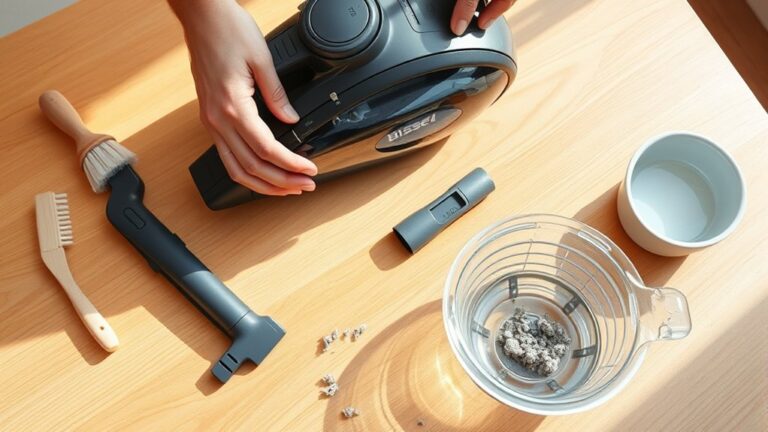
To keep your Dyson vacuum running efficiently for years, you’ll need to perform regular maintenance. Start by cleaning the filters every one to three months, depending on your model and usage. Dirty filters restrict airflow and reduce suction power.
Regular filter cleaning every one to three months keeps your Dyson vacuum running efficiently and maintains strong suction power.
Next, check the brush bar for tangled hair or debris. Removing this buildup ensures the brush spins freely and maintains ideal cleaning performance.
Lastly, empty the dust bin before it reaches full capacity to prevent clogs and maintain suction. Following these three steps:
- Wash or replace filters regularly
- Clear brush bar of hair and debris
- Empty dust bin frequently
will help you extend your Dyson vacuum’s lifespan and keep it working like new longer.
Common Dyson Vacuum Parts That Wear Out Over Time
Regular maintenance goes a long way in keeping your Dyson vacuum working smoothly, but some parts naturally wear out over time and may need replacement. The brush bar is one of the most common wear items, as it constantly spins against floors and carpets, gathering hair and debris that can cause damage. Filters also degrade, reducing suction and air quality if not replaced regularly.
Batteries in cordless models lose capacity after many charge cycles, meaning runtime drops. Belts, which drive the brush bar, can stretch or break, affecting performance. Finally, the bin’s seals and latches may wear out, causing loss of suction.
Knowing these parts will help you spot when replacements are necessary to keep your vacuum running efficiently.
Signs Your Dyson Vacuum Needs Repairs or Replacement
You’ll know your Dyson vacuum needs attention when its suction power drops noticeably. If you start hearing unusual noises or smelling strange odors during use, that’s another clear sign.
Catching these issues early can help you decide whether repairs or a replacement are necessary.
Decreased Suction Power
Although Dyson vacuums are known for their powerful suction, you might notice a drop in performance over time. Decreased suction power is a clear sign your vacuum needs attention. Here’s what you might observe:
- Dirt and debris remain on the floor after vacuuming, requiring multiple passes.
- The vacuum feels less responsive or struggles on carpets where it once excelled.
- You find yourself frequently emptying the bin or cleaning filters because clogs reduce airflow.
If you spot these signs, it’s time to check for blockages, clean or replace filters, and inspect the brush bar. Ignoring decreased suction can lead to more serious problems, so address it promptly to keep your Dyson working efficiently and extend its lifespan.
Unusual Noises or Smells
Decreased suction power often comes with other warning signs, like strange noises or unusual smells coming from your Dyson vacuum. If you hear grinding, rattling, or high-pitched whines, it could mean debris is stuck in the motor or brush bar, causing strain.
Burning or rubbery smells often signal overheating or electrical issues, which you shouldn’t ignore. These signs indicate your vacuum needs immediate inspection or repairs. Continuing to use it without addressing these problems can lead to permanent damage or safety hazards.
Regularly check for blockages, worn parts, or damaged belts to prevent these issues. If the noises or smells persist after cleaning and maintenance, it’s time to consult a professional or consider replacing your Dyson vacuum to avoid further complications.
When Is It Time to Upgrade Your Dyson Vacuum?
Knowing when to upgrade your Dyson vacuum can save you time and money in the long run. If your vacuum starts struggling, it’s not always worth repairing.
Knowing the right time to upgrade your Dyson helps avoid wasted time and costly repairs.
Here are three clear signs it’s time for a new one:
- Reduced suction power – If your Dyson can’t pick up dirt despite clean filters and no blockages, it’s losing efficiency.
- Frequent breakdowns – Constant repairs are costly and inconvenient, signaling that parts are wearing out.
- Outdated technology – Newer models offer better battery life, stronger suction, and smarter features that make cleaning easier.
When you notice these issues, upgrading guarantees you keep your home spotless without frustration or extra expense.
Does Dyson’s Warranty Help Your Vacuum Last Longer?
While a warranty doesn’t directly extend your Dyson vacuum’s lifespan, it does give you peace of mind by covering repairs and replacements for manufacturing defects. Knowing you’re protected can reduce stress when issues arise, letting you focus on using your vacuum confidently.
It guarantees your investment is safeguarded during the pivotal early years.
| Benefit | How It Feels to You |
|---|---|
| Repair coverage | Relief from unexpected costs |
| Replacement guarantee | Confidence in product value |
| Manufacturer support | Trust in professional help |
| No extra repair fees | Financial security |
| Long warranty period | Assurance of durability |
This protection helps you feel secure, encouraging proper care that may indirectly extend your Dyson vacuum’s useful life.
How to Get the Most Value From Your Dyson Vacuum
To get the most value from your Dyson vacuum, you need to maintain it regularly and use it according to the manufacturer’s guidelines. Start by cleaning or replacing filters every 1-3 months to keep suction strong.
Regular maintenance and following manufacturer guidelines ensure your Dyson vacuum performs at its best.
Next, empty the bin after each use to prevent clogging and reduce strain on the motor. Finally, check for blockages in the brush bar and hose to ensure smooth operation.
- Clean or replace filters regularly
- Empty the dust bin after every use
- Inspect and clear any blockages
Frequently Asked Questions
Can Dyson Vacuums Be Used on All Floor Types?
Yes, you can use Dyson vacuums on all floor types. They’re designed with adjustable settings and versatile attachments, so you’ll easily switch between carpets, hardwood, tiles, and rugs without damaging your floors or losing suction power.
Are Dyson Vacuum Filters Washable or Replaceable?
Like sending a telegram, Dyson vacuum filters aren’t just washable—they’re designed for easy cleaning.
You can rinse and reuse them, but if they wear out, you can replace them to keep your vacuum running efficiently.
How Noisy Are Dyson Vacuums Compared to Other Brands?
Dyson vacuums are generally quieter than many other brands, thanks to their advanced noise-reduction technology. You’ll notice less loud, harsh sounds, making cleaning more comfortable without sacrificing powerful suction performance.
Do Dyson Vacuums Come With Cordless Options?
Yes, Dyson offers cordless vacuums that boast up to 60 minutes of runtime.
You’ll enjoy flexibility and powerful suction without being tethered, making cleaning easier and more convenient around your home.
Can Dyson Vacuums Pick up Pet Hair Effectively?
Yes, Dyson vacuums pick up pet hair effectively. You’ll appreciate their powerful suction and specialized attachments designed for removing hair from carpets, furniture, and hard floors, making cleanup much easier and faster in pet-friendly homes.
Conclusion
Your Dyson vacuum is like a trusty steed—reliable and ready to tackle any mess. With proper care and smart usage, it can serve you faithfully for years, gliding smoothly through daily battles against dirt.
Keep an eye on signs of wear and don’t hesitate to repair or upgrade when needed. By treating it right, you’ll squeeze every bit of power and value from your Dyson.
This will help extend the lifespan of your Dyson vacuum, making it a lasting champion in your cleaning arsenal. Regular maintenance and mindful use are key to ensuring your Dyson vacuum lasts as long as possible.