How Does Vacuum Packing Work Step by Step
Vacuum packing is an effective method to preserve food by removing air and sealing it tightly, which helps extend freshness and prevent spoilage. You start by selecting fresh, clean items and trimming or blanching them as needed. This preparation ensures the best results when vacuum sealing.
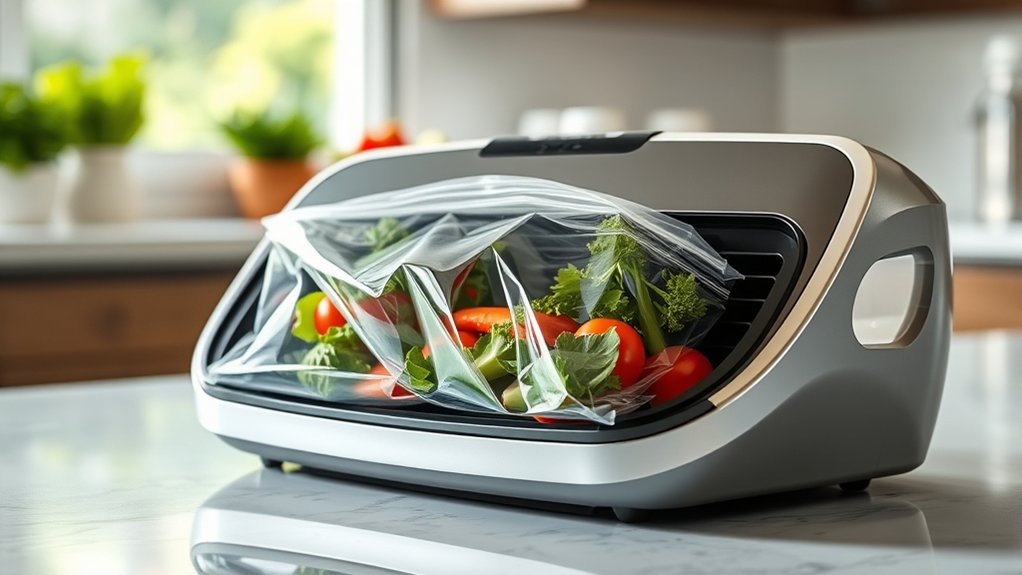
Then, place your food in a compatible vacuum bag, leaving space for sealing. Insert the open end into the vacuum sealer, close it tight, and activate the machine to remove air and seal the bag airtight.
After checking for leaks and labeling the package, store it properly to keep your food fresh for longer periods. Keep going, and you’ll discover helpful tips to avoid common mistakes and maximize storage.
Key Takeaways
- Select fresh items, clean and dry them, and prepare suitable packaging materials before vacuum packing.
- Place items inside vacuum bags, leaving space at the top for sealing.
- Insert the open bag end into the vacuum sealer and securely close the lid.
- Activate the machine to remove air and create an airtight seal on the bag.
- Inspect sealed bags for leaks, label with dates, and store at appropriate temperatures.
What Is Vacuum Packing and Why It Matters
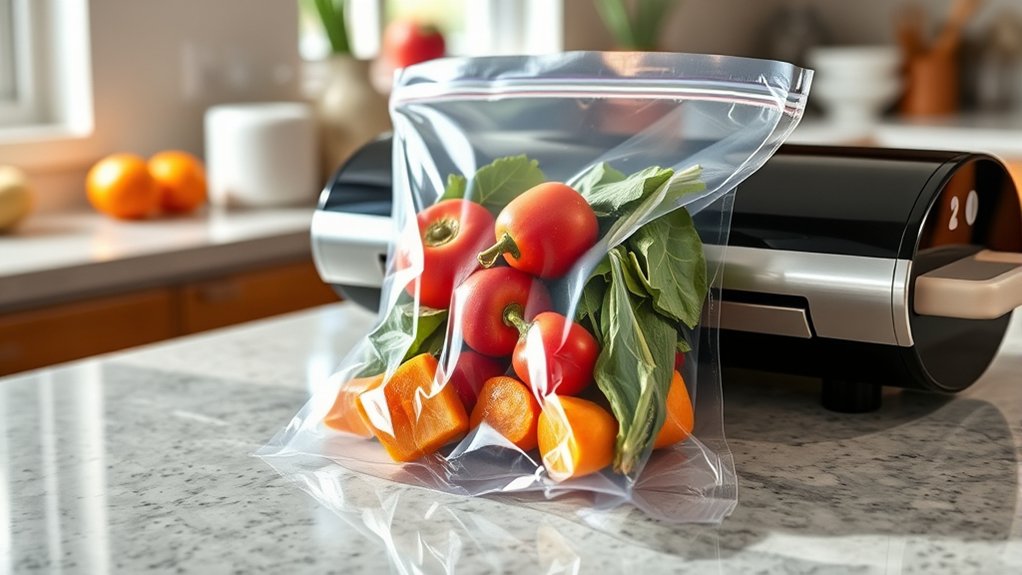
What makes vacuum packing so important? You’re fundamentally removing air from a package before sealing it, which prevents oxygen from interacting with the contents. This simple step matters because oxygen often causes spoilage, moisture loss, and freezer burn.
When you vacuum pack, you create a tight barrier that protects food, electronics, or other items from environmental factors like dust, humidity, and bacteria. It’s not just about preservation—it’s about maintaining quality, texture, and flavor. You’ll also find that vacuum packing helps you organize storage better since items are compacted and take up less space.
Whether you’re storing leftovers or preparing for long-term storage, vacuum packing offers a reliable way to maintain freshness and protect your goods effectively.
How Vacuum Packing Extends Shelf Life
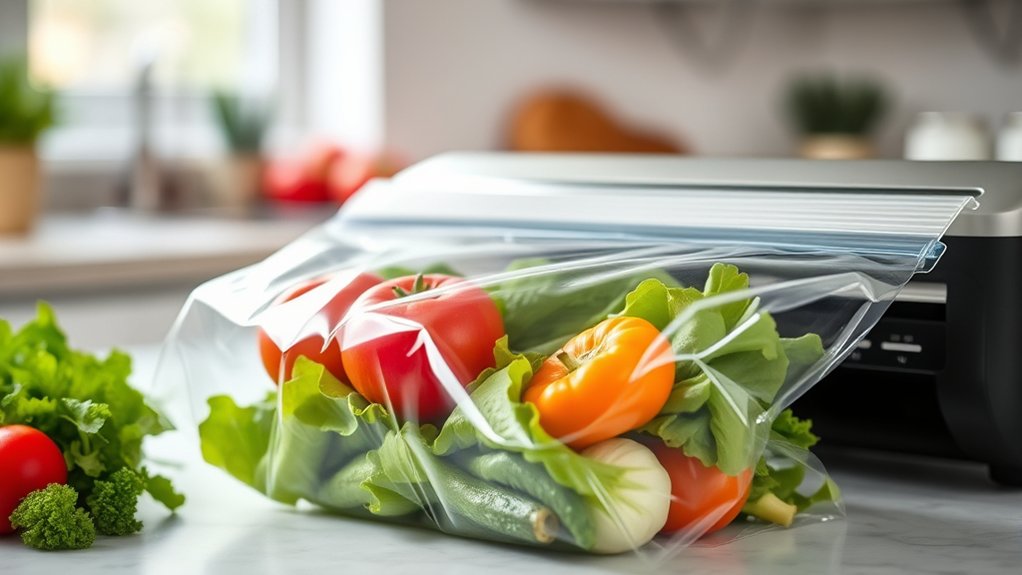
Because vacuum packing removes air and seals items tightly, it substantially slows down the growth of bacteria and mold that cause spoilage. When you vacuum pack, you eliminate oxygen, which many microorganisms need to survive. This means your food stays fresher longer, retaining its flavor, texture, and nutritional value.
Plus, vacuum packing helps prevent freezer burn by reducing exposure to air and moisture. You’ll also notice less waste since vacuum-packed items last weeks or even months beyond their usual shelf life. Whether you’re storing meat, cheese, or vegetables, vacuum packing gives you more control over freshness and quality.
What Equipment Do You Need for Vacuum Packing?
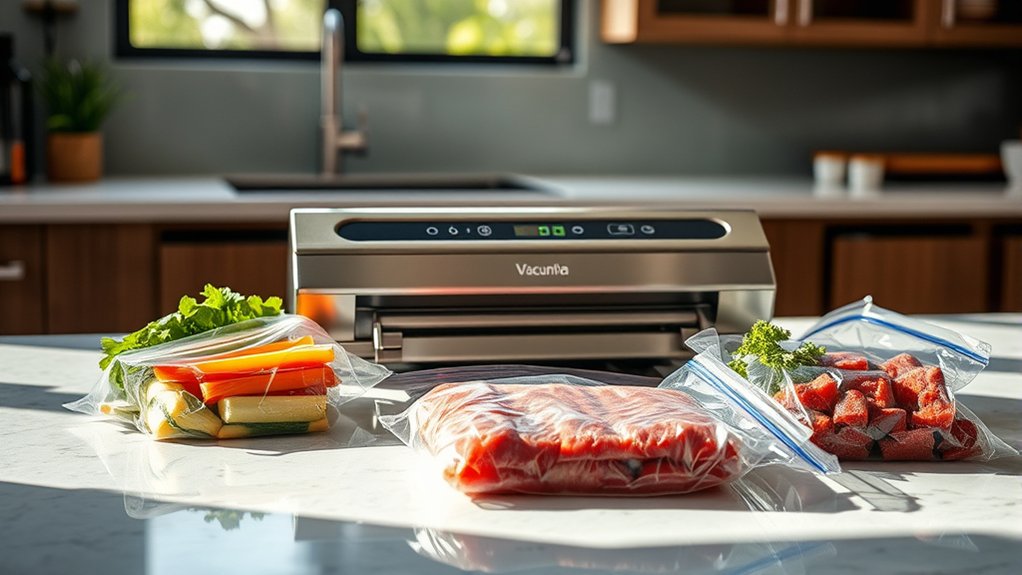
Before you start vacuum packing, you’ll need the right equipment to guarantee a proper seal and preserve your food effectively. First, you’ll need a vacuum sealer machine, which removes air from the bag and seals it tightly. Choose between an external or chamber vacuum sealer depending on your needs.
Next, get vacuum sealer bags or rolls designed to withstand the suction process and maintain freshness. Make sure the bags are compatible with your machine. You might also want bag cutters or sealers if your machine doesn’t include them.
Finally, consider storage containers or jars if you plan on vacuum sealing items that can’t be bagged. Having this equipment ready ensures your vacuum packing process runs smoothly and your food stays fresh longer.
How to Prepare Food and Items for Vacuum Packing
When preparing food and items for vacuum packing, you should start by thoroughly cleaning and drying everything to prevent moisture from interfering with the seal. For foods, trim excess fat and cut large items into smaller portions to guarantee even sealing. If you’re packing fresh produce, consider blanching vegetables first to preserve texture and color.
For dry goods, make sure they’re free of dust or debris before packing. Avoid overfilling bags; leave enough space at the top for sealing. If packing liquids, pre-freeze them to avoid spills during vacuuming.
Label your items with dates and contents before sealing to keep track of freshness. Taking these steps guarantees you get a strong, airtight seal that preserves your items effectively.
Vacuum Packing: Step-by-Step Process
After prepping your food and items properly, you’re ready to begin the vacuum packing process. First, place your items inside a vacuum bag, leaving enough space at the top to seal.
Next, position the open end of the bag into the vacuum sealer’s chamber or along the sealing strip, depending on your machine type. Close the lid securely and start the machine. It will remove the air from the bag, creating a tight seal around your items.
Once the air is evacuated, the sealer will automatically seal the bag’s open end, locking in freshness. After sealing, check for any leaks or incomplete seals.
Finally, label the bag with contents and date before storing it properly. Your vacuum-packed items are now ready for long-term preservation.
Common Vacuum Packing Mistakes and How to Avoid Them
Although vacuum packing is straightforward, you can easily make mistakes that compromise the seal or freshness of your items. To get the best results, watch out for common errors and learn how to avoid them:
- Overfilling bags: Leave enough space at the top to guarantee a proper seal.
- Moisture inside the bag: Dry foods thoroughly before sealing to prevent poor suction.
- Sealing wrinkles or debris: Clean the sealing area and smooth out wrinkles for a tight seal.
- Using damaged bags: Always check for holes or tears before packing.
- Vacuuming liquids carelessly: Use special bags or pre-freeze liquids to avoid mess and seal failure.
Best Practices for Storing Vacuum-Packed Foods
Properly storing vacuum-packed foods extends their freshness and prevents spoilage, so you’ll want to follow some key guidelines. First, always keep vacuum-packed items refrigerated or frozen, depending on the food type. Avoid leaving them at room temperature for extended periods.
Keeping vacuum-packed foods refrigerated or frozen prevents spoilage and maintains freshness effectively.
Label each package with the packing date to track freshness easily. Store the packages flat or stacked neatly to save space and maintain vacuum integrity. Avoid puncturing or crushing the bags, as this can compromise the seal.
For long-term storage, use freezer-safe vacuum bags designed to withstand cold temperatures. Finally, check the seals regularly before use. If you notice any air inside or damage, it’s safer to discard the food.
Following these steps ensures your vacuum-packed items stay fresh and safe for longer.
Tips for Using Vacuum-Packed Items to Maximize Freshness
To keep your vacuum-packed items fresh, store them at the right temperature and avoid overpacking the bags. Make sure you use the items within recommended timeframes to prevent spoilage.
Following these simple tips will help you get the most out of your vacuum-sealed foods.
Proper Storage Temperature
When you store vacuum-packed items at the right temperature, you considerably extend their freshness and safety. Keeping your vacuum-sealed food cold slows bacterial growth and preserves texture and flavor.
Here’s how to maintain proper storage temperatures:
- Refrigerate vacuum-packed perishables at or below 40°F (4°C).
- Freeze items you won’t use within a week at 0°F (-18°C) or lower.
- Avoid temperature fluctuations by storing packages in consistent environments.
- Thaw frozen vacuum-packed items in the fridge, not at room temperature.
- Use a refrigerator thermometer to monitor and guarantee ideal conditions.
Avoid Overpacking Bags
Keeping your vacuum-packed items at the right temperature helps maintain their quality, but how you fill the bags also plays a big role. Avoid overpacking bags to guarantee proper sealing and prevent damage. Overfilled bags may not seal completely, allowing air to enter and spoil the food faster.
Leave enough space for the vacuum sealer to work effectively, usually around 2 inches from the top. Also, avoid crushing delicate items by packing them loosely.
| Common Mistake | Result |
|---|---|
| Overfilling | Poor seal, air leaks |
| Packing too tightly | Food damage, loss of texture |
| Ignoring space needs | Sealer malfunction |
| Excess moisture | Ice crystals, freezer burn |
| Using wrong bag size | Waste and ineffective sealing |
Timely Usage Guidelines
Although vacuum sealing extends shelf life, you should still use vacuum-packed items within recommended timeframes to guarantee peak freshness and safety. Using them too late can lead to spoilage or loss of flavor, even if the packaging looks intact.
To make the most of your vacuum-packed goods, keep these tips in mind:
- Label packages with packing dates to track freshness easily.
- Store vacuum-packed items at the correct temperature—refrigerate or freeze as needed.
- Avoid repeatedly opening the package; reseal promptly if you do.
- Use vacuum-packed seafood and meat within 1-2 weeks refrigerated, shorter if fresh.
- Consume vacuum-packed dry goods like nuts or coffee within a few months to prevent rancidity.
Following these guidelines helps you enjoy your food at its best quality and avoid waste.
How Vacuum Packing Slows Food Spoilage
Because vacuum packing removes air from the packaging, it considerably slows down the growth of bacteria and mold that cause food to spoil. By creating a low-oxygen environment, you limit the conditions these microorganisms need to thrive.
This extends the freshness and shelf life of your food markedly, helping you reduce waste and save money.
Here’s a quick comparison of how vacuum packing impacts spoilage factors:
| Factor | Without Vacuum Packing | With Vacuum Packing |
|---|---|---|
| Oxygen Level | High | Very Low |
| Bacterial Growth | Rapid | Slow |
| Mold Development | Frequent | Rare |
Frequently Asked Questions
Can Vacuum Packing Be Used for Non-Food Items?
Yes, you can use vacuum packing for non-food items like clothes, documents, or electronics to save space and protect them from moisture or dust.
Just make sure the items aren’t delicate or easily crushed during sealing.
Are There Any Health Risks Associated With Vacuum-Packed Foods?
You might think vacuum packing makes food risky, but it actually slows bacteria growth. Just don’t keep perishable foods too long or skip refrigeration, or you could face spoilage or harmful germs.
Stay cautious!
How Does Vacuum Packing Affect the Taste of Food?
Vacuum packing preserves your food’s natural flavors by preventing oxidation and moisture loss, so it stays fresher longer.
You’ll notice your food tastes more vibrant and less stale compared to traditional storage methods.
Can Vacuum Packing Be Done Without Specialized Equipment?
Yes, you can vacuum pack without specialized equipment by using a zip-lock bag and carefully submerging it in water to push out air before sealing.
It’s a simple DIY method that works well for short-term storage.
What Materials Are Best for Vacuum Sealing Bags?
You’ll want vacuum sealing bags made from multi-layer nylon and polyethylene. They’re durable, puncture-resistant, and keep air out effectively, ensuring your food stays fresh longer without freezer burn or moisture damage.
Conclusion
Vacuum packing can extend your food’s shelf life by up to five times compared to traditional storage, helping you waste less and save more. By removing air and sealing your items tightly, you’re slowing down spoilage and keeping freshness locked in.
With the right steps and care, you’ll enjoy better-tasting meals and less clutter. So, give vacuum packing a try—it’s a simple change that makes a big difference in your kitchen and wallet.
In conclusion, mastering how vacuum packing works step by step ensures your food stays fresh longer, reduces waste, and maximizes storage efficiency. Embrace vacuum packing today for a smarter, more efficient way to preserve your food.