Why Would My AC Stop Working Suddenly?
Your AC might stop working suddenly due to several common issues like power outages, tripped circuit breakers, or loose wiring. These electrical problems can interrupt the system’s operation and cause an unexpected shutdown.
Thermostat failures and dirty air filters can also lead to your AC shutting down or cooling unevenly. When the thermostat malfunctions, it may not signal the unit to turn on or off properly.
Additionally, clogged filters restrict airflow, making it harder for the system to function efficiently.
Refrigerant leaks, compressor issues, or frozen coils often result in abrupt system stops. These problems affect airflow, temperature control, or electrical flow, causing the AC to fail suddenly.
If you want to understand the root causes and know when to seek professional help, keep exploring the details ahead.
Key Takeaways
- Power loss or tripped circuit breakers often cause sudden AC shutdowns by cutting electricity to the system.
- Thermostat failures or unresponsive controls can stop the AC from operating properly.
- Compressor issues or overheating can trigger automatic shutdowns to prevent damage.
- Frozen evaporator coils block airflow, causing the system to freeze and stop working.
- Dirty air filters or refrigerant leaks reduce cooling efficiency, potentially causing the AC to shut off unexpectedly.
How to Know If Your AC Has Lost Power
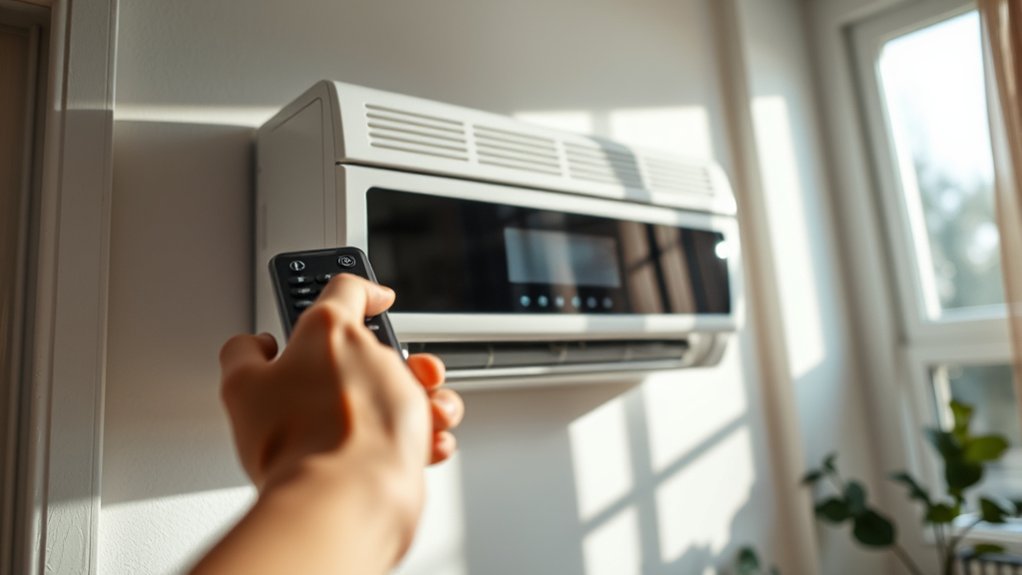
If your AC suddenly stops working, the first thing you should check is whether it has lost power. Start by inspecting the thermostat—if the display is blank or unresponsive, it’s a strong sign there’s no electricity reaching the unit.
Next, look at the outdoor condenser unit; if its fan and compressor aren’t running, power might be interrupted. Also, check for tripped switches near the AC or on your main electrical panel, but don’t reset anything just yet. Sometimes, a loose or unplugged power cord can be the culprit, so make sure the unit is securely plugged in.
Confirming power loss helps you avoid unnecessary repairs and narrows down the problem, ensuring you take the right next steps.
Why a Tripped Circuit Breaker Shuts Down Your AC
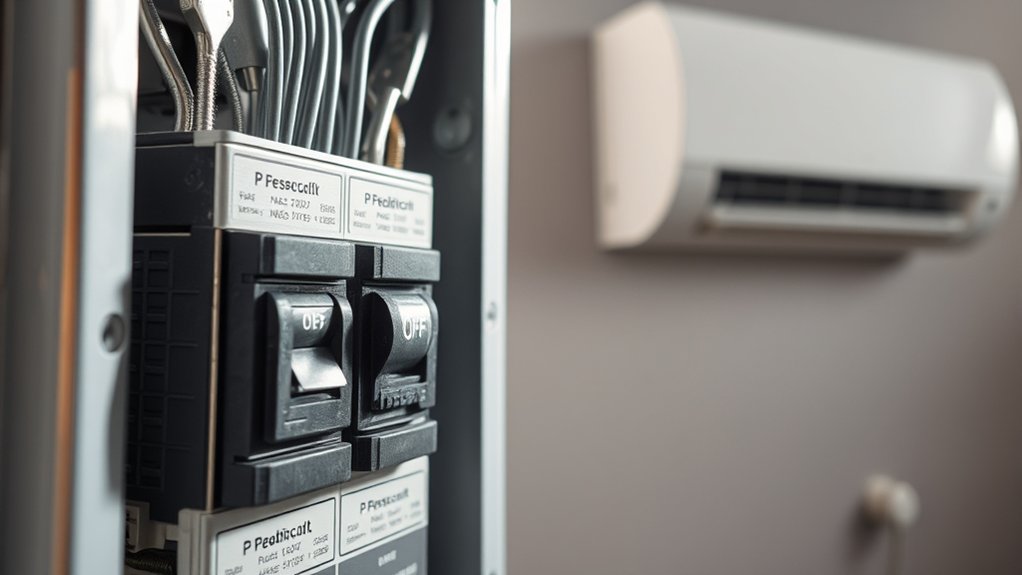
After confirming that your AC has lost power, the next step is to check the circuit breaker. Your AC unit relies on electricity, and the breaker acts as a safety switch. When it trips, it cuts power to prevent damage or fire from electrical faults.
Understanding why it trips can help you decide your next move.
| Reason for Breaker Trip | What It Means |
|---|---|
| Overload | Too much power drawn |
| Short Circuit | Wiring touches, causing fault |
| Ground Fault | Unintended path to ground |
| Component Failure | Internal AC parts malfunction |
If the breaker trips repeatedly, don’t reset it multiple times. Instead, call a professional to inspect your AC system.
Common Electrical Problems That Cause AC Failure
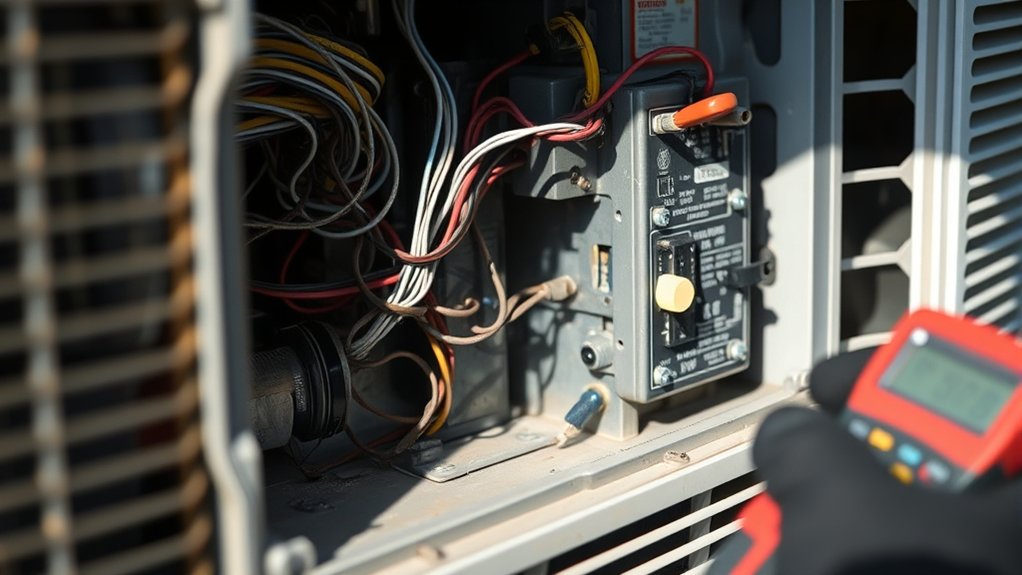
If your AC suddenly stops working, electrical issues are often the culprit. You might be dealing with tripped circuit breakers, faulty wiring connections, or blown fuses.
Understanding these common problems can help you pinpoint the cause and get your system back up and running quickly.
Tripped Circuit Breakers
When your AC suddenly stops working, one common culprit you should check is a tripped circuit breaker. This happens when the electrical circuit overloads or shorts, cutting power to your AC unit to prevent damage. You can usually find the breaker panel near your electrical meter or in a utility area.
To fix it, simply flip the breaker switch back to the “on” position. However, frequent trips indicate a deeper issue needing professional help.
Here are common reasons breakers trip:
- Power surges from storms or electrical faults
- Overloaded circuits due to multiple appliances running
- Short circuits within the AC’s internal components
- Old or faulty breakers losing their ability to handle current
Regularly checking your breaker helps keep your AC running smoothly.
Faulty Wiring Connections
Though you might not see them, faulty wiring connections can cause your AC to stop working suddenly and pose serious safety risks. When wires become loose, corroded, or damaged, your unit may lose power or fail to operate correctly. You might notice flickering lights or a burning smell near the AC, signaling wiring issues.
These problems disrupt electrical flow, causing your system to shut down unexpectedly. It’s essential to avoid handling wiring yourself, as improper repairs can lead to shocks or fires. Instead, call a licensed electrician or HVAC technician to inspect and fix any faulty connections.
Regular maintenance helps catch wiring problems early, keeping your AC running safely and efficiently without sudden interruptions.
Blown Fuses Issues
Because your AC relies heavily on electrical components, blown fuses can quickly bring the entire system to a halt. A fuse acts as a safety device, protecting your unit from electrical overloads. When it blows, your AC stops working immediately, preventing damage to more expensive parts.
You might notice your AC won’t turn on or behaves erratically. To address blown fuse issues, you should:
- Check the fuse box or circuit breaker for tripped switches
- Inspect the fuse for visible signs of damage
- Replace the fuse with one matching the exact amperage
- Consult a professional if fuses blow repeatedly to diagnose underlying issues
Ignoring blown fuses can lead to bigger electrical problems or costly repairs.
Signs of a Failing AC Thermostat
If your AC isn’t maintaining the set temperature or turns on and off unpredictably, your thermostat might be to blame. You may notice that the temperature feels inconsistent, with rooms being too hot or too cold despite your settings. Another sign is when the thermostat’s display is blank or flickering, indicating a power or wiring issue.
You might also find your AC running constantly without shutting off, which wastes energy and signals a thermostat error. Sometimes, your thermostat might fail to respond when you try to adjust the temperature, leaving you stuck with the current setting. Catching these signs early helps you avoid a sudden AC breakdown and guarantees your cooling system runs smoothly and efficiently all summer.
How a Dirty Air Filter Stops Your AC
If your air filter’s dirty, it blocks airflow and makes your AC work harder than it should. You’ll notice less cool air coming through, and the system will strain to keep up.
Over time, this extra effort can cause your AC to stop working suddenly.
Reduced Airflow Effects
When your air filter gets clogged with dust and debris, it restricts airflow through your AC system. This reduced airflow causes several problems affecting your AC’s performance and comfort. You’ll notice uneven cooling because the cold air won’t circulate properly in your home.
Your evaporator coil may freeze due to insufficient air passing over it, leading to system shutdowns. Additionally, poor airflow means your AC has to work harder to maintain the temperature, causing longer run times. Finally, the indoor air quality suffers as dust and allergens aren’t effectively filtered out.
Key effects of reduced airflow include:
- Uneven room temperatures
- Frozen evaporator coils
- Longer AC run cycles
- Decreased indoor air quality
Increased System Strain
Reduced airflow from a dirty air filter forces your AC system to work harder than usual. When the filter clogs, the blower motor struggles to push air through, causing the entire system to strain. This increased effort raises energy consumption and puts stress on critical components like the compressor and fan motor.
Over time, this strain can lead to overheating, electrical failures, or mechanical breakdowns, which might cause your AC to stop working suddenly. You might also notice reduced cooling efficiency and higher utility bills.
To prevent this, regularly check and replace your air filter. Keeping it clean assures proper airflow, reduces system strain, and helps your AC run smoothly without unexpected shutdowns or costly repairs.
How Refrigerant Leaks Cause Sudden AC Breakdowns
A refrigerant leak can quickly derail your AC’s performance by disrupting the cooling cycle essential for maintaining your home’s comfort. When refrigerant escapes, your AC can’t absorb and release heat efficiently, causing it to stop cooling altogether. You might notice your unit running longer without cooling or ice forming on the coils.
Here’s how refrigerant leaks cause sudden breakdowns:
- Reduced pressure triggers safety switches that shut down the system.
- Insufficient refrigerant leads to overheating components.
- Continuous leaks cause compressor strain, risking failure.
- Moisture entering through leaks damages internal parts.
If you suspect a leak, address it promptly to avoid sudden AC shutdowns and costly repairs. Regular maintenance helps catch leaks early, keeping your system reliable.
Why Compressor Issues Cause Sudden AC Shutdowns
Since the compressor acts as the heart of your AC system, any issues with it can cause your unit to shut down suddenly. The compressor’s job is to circulate refrigerant through the system, enabling heat exchange and cooling. If it overheats, suffers electrical problems, or its motor fails, your AC won’t function properly.
Your unit might shut off automatically to prevent further damage or because the compressor can’t maintain the required pressure. Ignoring compressor problems can lead to costly repairs or a complete system breakdown. You’ll notice signs like unusual noises, inconsistent cooling, or your AC struggling to start.
If you experience sudden shutdowns, it’s best to have a professional inspect the compressor promptly to avoid worsening the issue.
How Frozen Coils Cause Your AC to Freeze
Compressor problems aren’t the only reason your AC might shut down unexpectedly. Frozen coils are a common culprit that can cause your system to freeze up and stop working. When the evaporator coils get too cold, moisture in the air freezes on them, blocking airflow and reducing cooling efficiency.
This ice buildup can quickly lead to your AC shutting down to prevent damage.
Several factors can cause your coils to freeze, including:
- Dirty air filters restricting airflow
- Low refrigerant levels from leaks
- Faulty blower fans not circulating air properly
- Thermostat settings that keep the system running too long or too cold
When to Call a Professional for AC Repair
If your AC stops cooling, makes strange noises, or causes uneven temperatures, you should call a professional for repair. These signs often indicate issues beyond simple fixes like changing filters or adjusting settings. When your unit leaks water, emits a burning smell, or won’t turn on at all, don’t wait—contact an HVAC technician immediately.
Attempting to fix electrical problems or refrigerant leaks on your own can be dangerous and may void warranties. A professional has the tools and expertise to diagnose and resolve complex problems quickly, saving you time and preventing further damage. Regular maintenance by a pro also helps avoid sudden breakdowns.
Frequently Asked Questions
Can a Power Surge Damage My AC Unit Instantly?
Yes, a power surge can instantly damage your AC unit by frying its electrical components. To protect it, you should use surge protectors or have a professional install whole-home surge protection, preventing costly repairs.
Does Poor Insulation Affect AC Performance Suddenly?
Yes, poor insulation can suddenly affect your AC’s performance by making your home lose cool air quickly. Your unit has to work harder, which can cause it to overheat or shut down unexpectedly.
This sudden strain on the system reduces efficiency and may lead to increased energy bills. It also shortens the lifespan of your AC unit. Proper insulation helps maintain a consistent temperature and prevents these issues.
Can Pests Cause My AC to Stop Working?
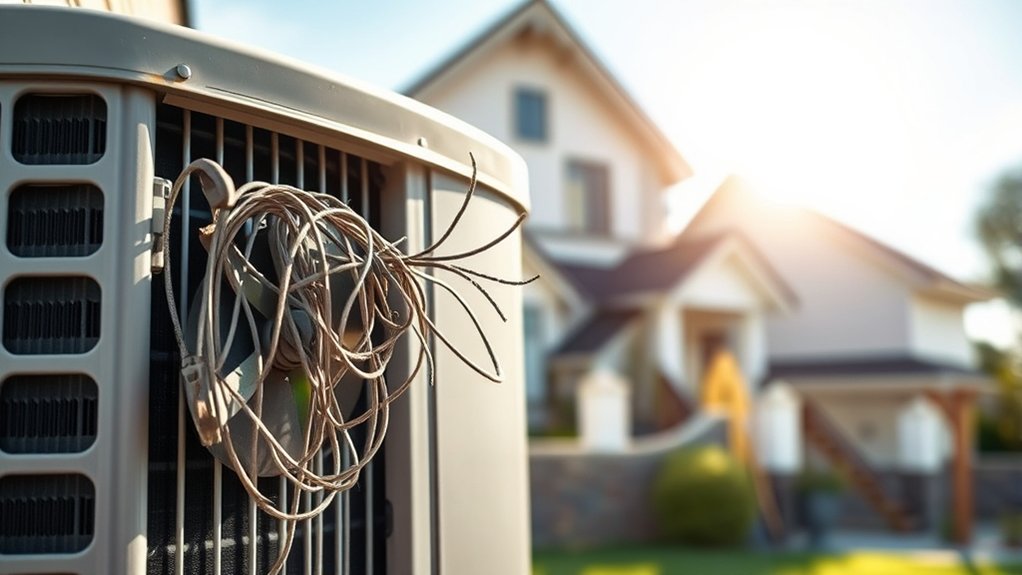
Pests can definitely throw a wrench in your AC’s gears. They might chew wires or build nests inside, causing malfunctions.
You’ll want to inspect and remove any critters to keep your system running smoothly.
How Does a Clogged Drain Line Impact AC Operation?
A clogged drain line causes water to back up, triggering your AC’s safety switch to shut it off. You’ll notice leaks or musty smells, and your system won’t cool properly until you clear the blockage.
The backup can lead to water damage and mold growth if not addressed promptly. Clearing the drain line restores proper drainage and ensures your AC operates efficiently. Regular maintenance helps prevent these issues from occurring.
Will a Faulty Capacitor Cause Sudden AC Failure?
Yes, a faulty capacitor can cause your AC to stop working suddenly. It provides the initial jolt to start the motor, so if it fails, your unit won’t turn on or might struggle to run properly.
The capacitor is essential for the compressor and fan motor to function correctly. Without it, the motor may not start at all or could overheat and shut down. This is a common reason for sudden AC failure.
Conclusion
When your AC suddenly stops working, it’s like a sudden summer storm cloud blocking the sun—unexpected and frustrating. By checking power, breakers, filters, and thermostat, you can often clear the fog yourself.
But if your unit’s compressor or coils are frozen, it’s time to call in a professional who can breathe life back into your cooling system. Don’t let the heat trap you; act quickly to keep your home a cool oasis.
Remember, regular maintenance and timely repairs are key to preventing why your AC stops working suddenly. Stay proactive to ensure your air conditioning system runs smoothly all summer long.