What Does a Vacuum Cleaner Suck Up?
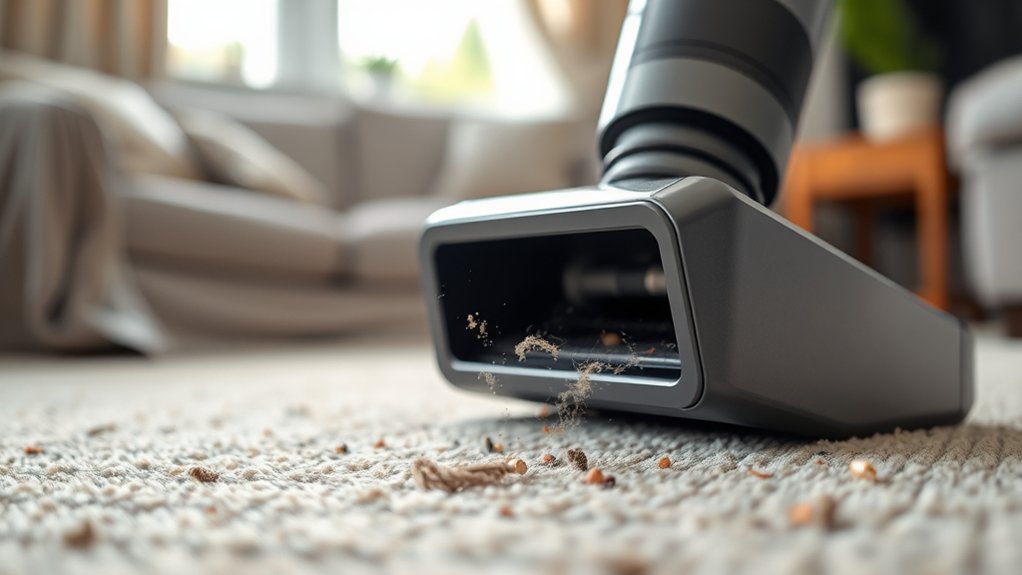
Your vacuum cleaner is designed to suck up a wide range of particles, including fine dust, pollen, pet dander, small crumbs, dirt, and even larger debris like leaves or grass clippings. These everyday household messes can accumulate quickly, making vacuum cleaners essential for maintaining a clean environment.
By removing embedded pet hair and allergens, vacuums play a crucial role in improving indoor air quality, especially when equipped with advanced filters like HEPA.
Larger particles and debris can impact your vacuum’s performance if the dustbin or bag is not emptied regularly. Proper maintenance ensures your vacuum continues to work efficiently and effectively.
Additionally, the design and features of your vacuum cleaner greatly influence the types of dirt and debris it can pick up.
Understanding these aspects helps you keep your home cleaner and healthier. Regular usage and upkeep maximize the benefits of your vacuum cleaner, contributing to a fresher living space.
Key Takeaways
- Vacuum cleaners suck up fine dust, pollen, pet dander, allergens, and small debris like crumbs and soil from floors and carpets.
- They effectively remove pet hair and embedded fur using strong suction and specialized attachments.
- Larger debris such as dried leaves, grass clippings, and tracked-in dirt are collected by wide intake openings and large dustbins.
- Germs, bacteria, and allergens are minimized by vacuuming, especially with HEPA filters that trap microscopic particles.
- Proper maintenance prevents clogs from larger particles, ensuring consistent suction and efficient removal of various debris types.
What Types of Dirt and Debris Do Vacuum Cleaners Pick Up?
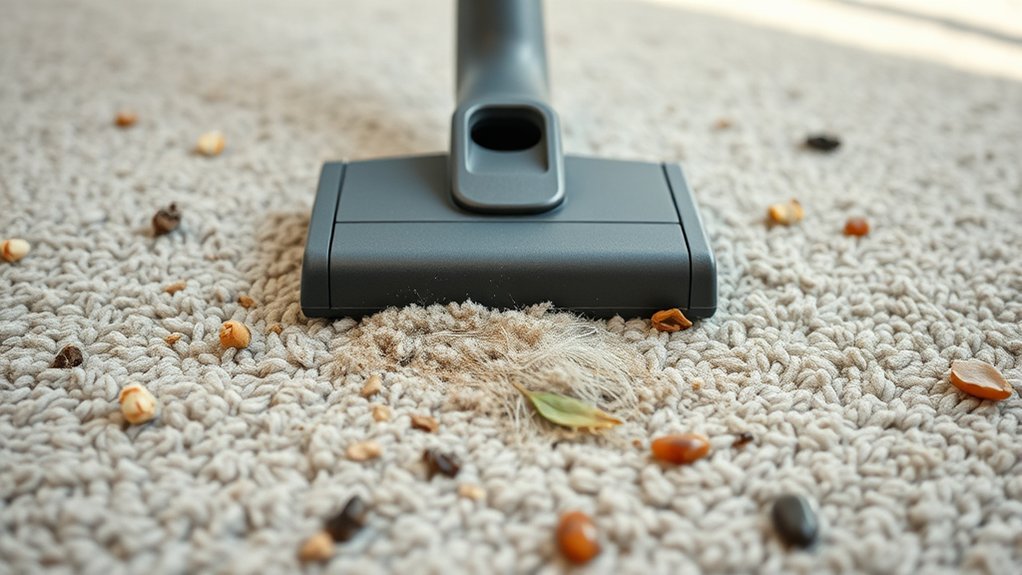
Although you might think vacuum cleaners only pick up dust, they actually handle a wide range of dirt and debris. You’ll find that vacuums easily suck up crumbs, dirt tracked in from outside, and even small bits of paper scattered around. They’re great for removing sand, soil, and tiny particles that settle on carpets and hard floors.
You can rely on them to pick up dried leaves or grass clippings brought indoors by shoes. Some models even tackle larger debris like cereal pieces or pet food spilled on the floor. As you vacuum, you’re pulling in everything from fine dust to small chunks of debris, making your home cleaner and more comfortable without much effort on your part.
How Vacuum Cleaners Handle Pet Hair, Dander, and Allergens
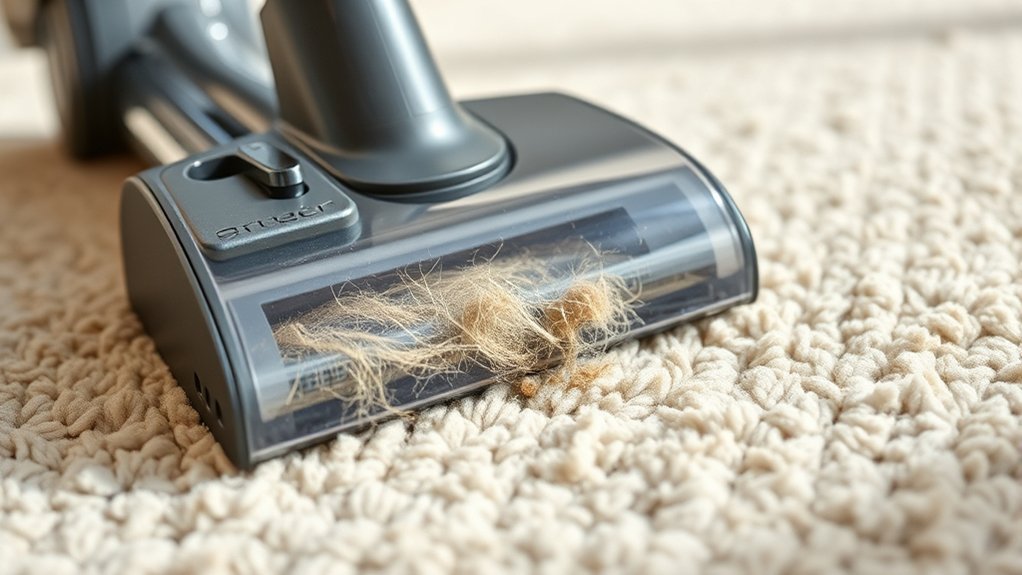
You’ll want a vacuum that tackles pet hair without leaving a mess behind. Look for models with strong suction and specialized brushes designed to lift stubborn fur.
Plus, advanced allergen filtration systems help trap dander and keep your air clean.
Pet Hair Removal
How does a vacuum cleaner effectively tackle pet hair, dander, and allergens? When you vacuum, the machine uses strong suction to lift hair and dander embedded in carpets, upholstery, and floors. Specialized brush rolls or pet hair attachments agitate surfaces, loosening stubborn fur that sticks tightly.
The vacuum’s airflow then pulls these particles inside, preventing them from scattering. You’ll find that vacuums designed for pet owners often have enhanced suction power and tools like rubberized brushes that capture hair without tangling. Regular vacuuming helps reduce allergens by removing hair before it settles and circulates in your home.
Allergen Filtration Systems
Tackling pet hair is just one part of keeping your home allergen-free; the filtration system inside your vacuum plays a key role in capturing tiny particles like dander and dust mites. When you choose a vacuum with a HEPA filter, you’re ensuring it traps at least 99.97% of particles as small as 0.3 microns. This means allergens won’t just get stirred up and recirculated into the air.
Some vacuums also feature sealed systems that prevent leaks, so all that captured debris stays inside the machine. If allergies are a concern, look for models specifically designed to handle pet dander and other irritants. Using these vacuums regularly helps reduce airborne allergens, making your home more comfortable and healthier for everyone.
Why Larger Particles Like Crumbs Affect Vacuum Performance
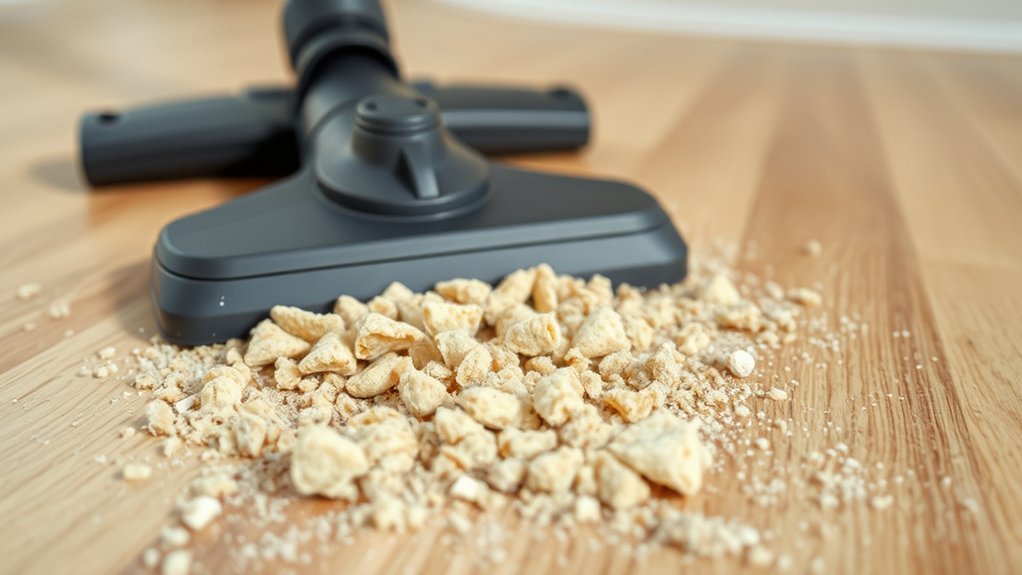
Although vacuum cleaners are designed to handle various debris, larger particles like crumbs can challenge their performance by clogging filters and reducing suction power. When you vacuum up bigger pieces, they can:
- Block airflow, causing the motor to work harder and decreasing suction efficiency.
- Accumulate in the hose or brush roll, leading to jams that interrupt cleaning.
- Fill the dustbin quickly, forcing you to empty it more often to maintain performance.
How Vacuum Cleaner Filters Capture Tiny Particles
Because tiny particles like dust and allergens can easily slip through larger openings, vacuum cleaner filters play an essential role in trapping them before the air is released back into your home. When you vacuum, air carrying these particles passes through the filter, which acts like a barrier. The filter’s fine mesh or fibrous material catches the tiny debris, preventing it from escaping.
You’ll find various types of filters, such as foam, cloth, or paper, each designed to trap different particle sizes. As you clean, these filters guarantee that even the smallest dust and dirt stay contained inside the vacuum. Maintaining and replacing your vacuum’s filter regularly keeps it working efficiently, so you breathe cleaner air and enjoy a healthier living space.
How HEPA Vacuum Filters Improve Air Quality and Allergy Relief
You’ll notice that HEPA filters use advanced technology to trap even the tiniest allergens in your home. By capturing microscopic particles, they help reduce airborne irritants that can trigger allergies.
This means you can breathe easier and protect your respiratory health more effectively.
HEPA Filter Technology
When you use a vacuum equipped with a HEPA filter, it traps tiny particles that ordinary filters often miss. This technology uses a dense mat of fibers designed to capture at least 99.97% of particles as small as 0.3 microns. You’ll notice cleaner air and fewer allergens floating around your home.
HEPA filters improve your vacuum’s performance by:
- Preventing dust and pollen from escaping back into the air
- Reducing allergy symptoms by trapping mold spores and pet dander
- Enhancing overall indoor air quality, making your living space healthier
Capturing Microscopic Allergens
How exactly do HEPA vacuum filters capture microscopic allergens that other vacuums miss? HEPA filters use a dense mat of fibers designed to trap particles as small as 0.3 microns, including pollen, pet dander, and dust mite debris. When you vacuum, air carrying these tiny allergens passes through the filter, which captures them through interception, impaction, and diffusion mechanisms.
This means allergens don’t just get pushed around—they stay locked inside the filter instead of escaping back into your room. By removing these invisible irritants effectively, HEPA vacuum filters help reduce allergen buildup in your living space. You’ll notice cleaner surfaces and less airborne particles, making your home a more comfortable environment, especially if you suffer from allergies or sensitivities.
Benefits for Respiratory Health
HEPA vacuum filters don’t just trap allergens—they actively improve the air you breathe indoors. By capturing tiny particles like dust mites, pet dander, and pollen, these filters reduce the irritants that can trigger respiratory problems. When you use a vacuum with a HEPA filter, you’re creating a cleaner environment that supports your lung health.
Here’s how it benefits you:
- Minimizes asthma and allergy symptoms by removing airborne triggers.
- Reduces exposure to harmful particles, making it easier to breathe.
- Helps maintain cleaner air, which supports overall respiratory wellness.
Using a HEPA-filter vacuum regularly means fewer airborne irritants, so your respiratory system stays healthier and you feel better, especially if you’re sensitive to allergens.
How Vacuum Design Influences What It Can Pick Up
Although vacuum cleaners might look similar on the outside, their design greatly affects what debris they can pick up. When you choose a vacuum, consider factors like suction power, brush type, and filtration system. Strong suction helps lift larger debris and deep dirt, while specialized brushes handle pet hair or carpet fibers more efficiently.
Some models use cyclonic technology to separate dust from air, preventing clogs and maintaining performance. The size and shape of the nozzle also matter: a narrow nozzle can reach tight spaces, while a wider one covers large areas quickly.
Additionally, the filtration system determines how well the vacuum traps fine particles like dust mites or pollen, influencing indoor air quality. Understanding these design elements helps you know what your vacuum can handle.
How to Choose the Right Vacuum Based on Your Home’s Dirt
Knowing the features of your vacuum is a great start, but matching those features to the type of dirt and debris in your home will make a bigger difference. You’ll want to take into account what kind of messes you face daily to pick a vacuum that handles them efficiently.
- If you have lots of pet hair, choose a vacuum with strong suction and a brush roll designed to lift fur from carpets and upholstery.
- For homes with mostly hard floors, a vacuum with adjustable suction and soft brushes will prevent scratching while capturing fine dust.
- If you deal with large debris like cereal or crumbs, a vacuum with a wide intake and a sizable dustbin will save time and effort.
Tailoring your choice to your home’s dirt ensures a cleaner space with less hassle.
How Regular Vacuuming Boosts Indoor Cleanliness and Health
When you vacuum regularly, you remove dust, allergens, and bacteria that settle on your floors and carpets, creating a healthier living environment. This simple habit reduces the buildup of pet dander, pollen, and dust mites, which can trigger allergies or worsen asthma symptoms. By keeping surfaces clean, you also minimize the spread of germs and bacteria, helping prevent illnesses.
Regular vacuuming enhances indoor air quality by capturing particles that would otherwise circulate in your home. Plus, it keeps your carpets and upholstery looking fresh and prolongs their lifespan. Sticking to a consistent vacuuming routine means you’re actively protecting your family’s health and maintaining a cleaner, more comfortable space every day.
Tips for Maintaining Your Vacuum to Keep It Working Efficiently
Keeping your vacuum in top shape plays a big role in maintaining a clean home and healthy environment. To guarantee your vacuum working efficiently, you need to take simple steps regularly.
First, empty the dustbin or replace the bag before it gets too full to avoid reduced suction. Next, clean or replace filters as recommended to prevent clogs and maintain airflow. Finally, check the brush roll and remove hair or debris wrapped around it to assure it spins freely.
- Empty dustbin or replace bags frequently
- Clean or replace filters regularly
- Clear brush roll of hair and debris
Frequently Asked Questions
Can Vacuum Cleaners Remove Liquid Spills?
You can’t use regular vacuum cleaners to remove liquid spills because they’re designed for dry debris. However, if you have a wet/dry vacuum, you can easily suck up liquids without damaging the machine.
Do Vacuum Cleaners Work on Outdoor Surfaces?
You can’t expect a vacuum cleaner to work wonders on outdoor surfaces like a gardener’s trusty rake. Most aren’t designed for rough terrain or wet debris, so stick to outdoor-specific tools for the best results.
How Loud Are Typical Vacuum Cleaners?
Typical vacuum cleaners produce noise between 60 and 85 decibels, which can be quite loud. You might find them noisy enough to require ear protection if you’re sensitive or using them for extended periods.
The noise level varies depending on the model and its power. Some vacuum cleaners are designed to operate more quietly. However, most still fall within this decibel range.
Are Vacuum Cleaners Safe for Electronics?
You’d think a vacuum could suck up your whole tech world in seconds! But yes, you’re safe if you avoid direct contact, use gentle settings, and keep cords untangled—never risk static shocks or damage to your electronics.
Can Vacuum Cleaners Pick up Toxic Substances?
Yes, you can vacuum some toxic substances, but it’s risky. Vacuum cleaners might spread harmful particles into the air, so you should use special HEPA filters or professional equipment to handle toxic dust safely.
Conclusion
You might not think about it, but your vacuum cleaner is more than just a machine—it’s your home’s silent guardian, tirelessly sucking up dust, pet hair, crumbs, and allergens.
By choosing the right vacuum and keeping it well-maintained, you’re not just cleaning floors; you’re protecting your health and boosting your home’s renewal.
So, keep vacuuming regularly—because a cleaner home isn’t just a wish, it’s a gust of fresh air you deserve. Regular vacuuming helps reduce allergens and dust, ensuring a healthier living environment for you and your family.