Does the US Have Thermobaric Vacuum Bombs?
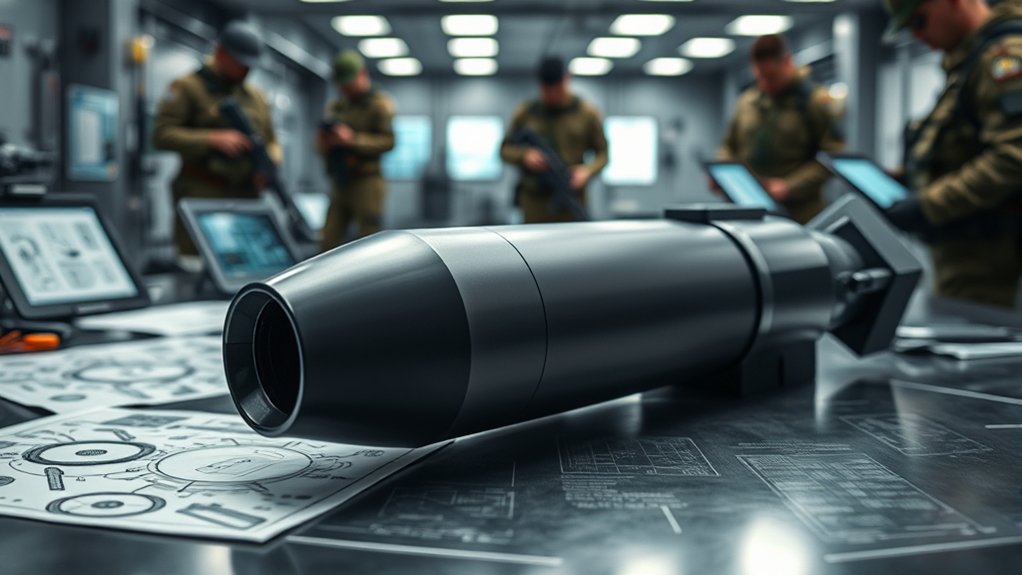
Yes, the US has developed and deployed thermobaric vacuum bombs, powerful weapons that create blasts by consuming oxygen and generating intense heat and pressure. These advanced weapons are designed to maximize damage in enclosed spaces, making them highly effective in modern combat scenarios.
Thermobaric bombs come in various forms, including grenades, rockets, and air-dropped bombs. They are primarily used to clear bunkers, caves, and fortified positions where conventional explosives might be less effective.
While many details about these weapons remain classified, their strategic importance in the US arsenal is well confirmed. Understanding their global comparison and impact on warfare reveals much about evolving military tactics and technology.
Key Takeaways
- The US has officially confirmed developing and deploying thermobaric vacuum bombs for specific military operations. Thermobaric weapons are used to clear fortified caves, bunkers, and underground tunnels in conflicts like Afghanistan and Iraq. The US employs different thermobaric types, including grenades, rockets, and air-dropped bombs tailored for enclosed spaces.
- US thermobaric weapons focus on precision and controlled blasts to minimize collateral damage compared to larger arsenals of other countries. Exact models and quantities remain classified, but their existence and strategic use are publicly acknowledged by the US Defense Department.
What Are Thermobaric Vacuum Bombs and How Do They Work?
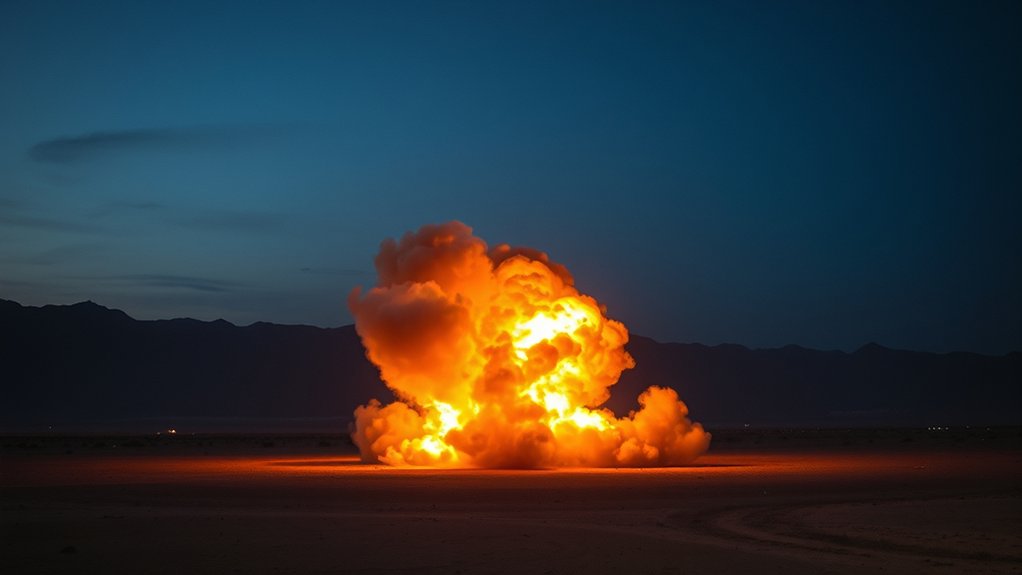
Although you might have heard the term before, thermobaric vacuum bombs are a unique type of explosive that work by dispersing a fuel-air mixture and igniting it to create a powerful blast. When the bomb detonates, it releases a cloud of fuel that mixes with the surrounding air.
Then, the ignition triggers a massive explosion, consuming oxygen and generating intense heat and pressure. You’ll notice this blast lasts longer than conventional explosives, causing greater destruction over a wider area.
Because the explosion uses oxygen from the environment, it creates a vacuum effect that can collapse structures and suffocate targets in enclosed spaces. Understanding this mechanism helps you see why thermobaric bombs are distinct—they rely on atmospheric oxygen to amplify their impact instead of just chemicals inside the device.
Has the US Confirmed Developing Thermobaric Bombs?
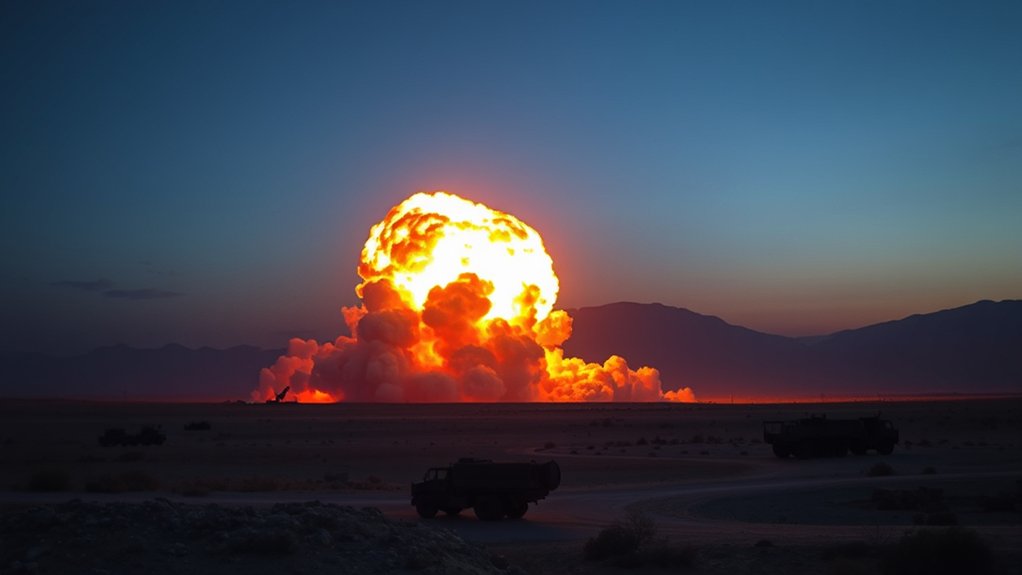
While the U.S. government hasn’t always openly discussed thermobaric weapons, it has confirmed developing and deploying them in specific military operations. You’ll find official acknowledgments from the Department of Defense and military leaders about using these weapons, especially in conflicts requiring powerful, concentrated blasts. The U.S. military values thermobaric bombs for their ability to clear caves, bunkers, and fortified positions.
Although detailed information about the exact models and quantities remains classified, you can be sure their existence and use are no secret. Reports and press releases have referenced their strategic role, confirming ongoing development and tactical application. So, while you might not get all the specifics, the U.S. does openly admit to having thermobaric weapons within its arsenal.
Types of Thermobaric Weapons in the US Military
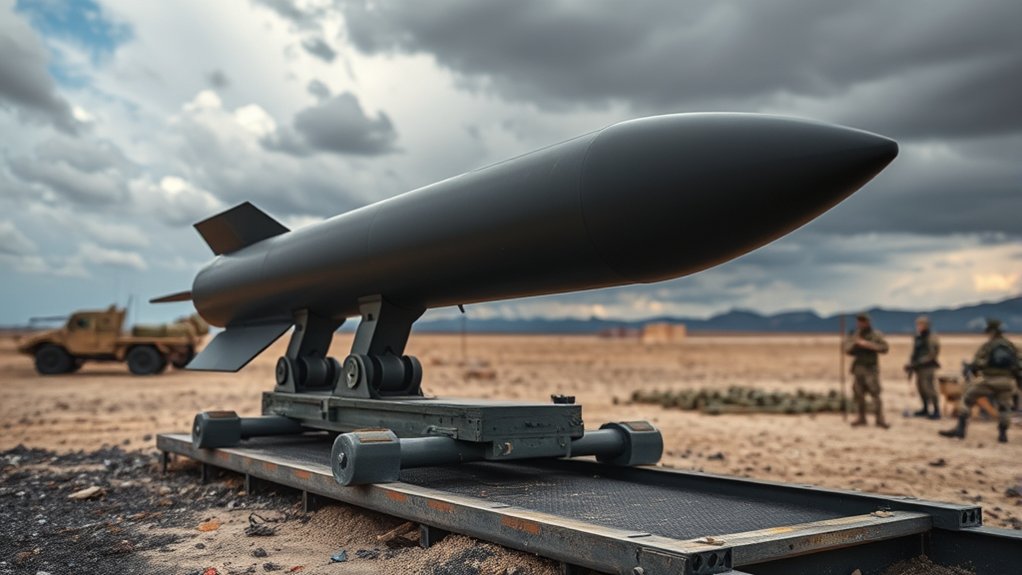
Since thermobaric weapons serve specialized roles on the battlefield, the U.S. military employs several types tailored for different missions. You’ll find these weapons designed to maximize blast effects in enclosed spaces, destroy fortifications, or clear obstacles.
Each type varies in delivery method, explosive yield, and tactical use.
| Weapon Type | Delivery Method | Typical Use |
|---|---|---|
| Thermobaric Grenade | Hand-thrown | Clearing bunkers, rooms |
| Thermobaric Rocket | Rocket-propelled | Targeting caves, tunnels |
| Thermobaric Bomb | Air-dropped | Large-scale demolition |
How Do US Thermobaric Weapons Compare to Other Nations’?
When you compare U.S. thermobaric weapons to those of other countries, you’ll notice differences in design philosophy, delivery systems, and intended use. The U.S. tends to focus on precision and integration with advanced targeting technology, aiming to minimize collateral damage while maximizing effectiveness in urban and fortified environments.
Other nations might prioritize sheer explosive power or simpler delivery methods, sometimes sacrificing precision. You’ll also find that U.S. thermobaric weapons are often designed for use by various platforms, including aircraft and ground forces, enhancing tactical flexibility.
While some countries develop larger, more indiscriminate devices, the U.S. emphasizes adaptable, mission-specific tools. This approach reflects a strategic balance between lethality and control, aligning with broader U.S. military doctrines on minimizing unintended harm during conflict.
Other Countries With Thermobaric Weapons
You might be surprised to learn that Russia maintains a significant thermobaric arsenal, known for its powerful battlefield impact.
Meanwhile, China is actively developing its own thermobaric weapons, aiming to enhance its military capabilities.
Let’s explore how these countries are advancing in this area.
Russia’s Thermobaric Arsenal
Although many countries have developed thermobaric weapons, Russia stands out for maintaining one of the largest and most advanced arsenals. You’ll find Russia’s thermobaric weapons deeply integrated into their military strategy, emphasizing both range and destructive power.
Here’s what you should know about their arsenal:
- The TOS-1 “Buratino” is a heavy flamethrower system launching thermobaric rockets.
- The TOS-1A “Solntsepyok” is an upgraded version with extended range and accuracy.
- Russia uses thermobaric warheads in various missile systems for urban and fortified targets.
They’ve invested in portable thermobaric grenades for infantry use. These weapons create intense pressure waves, maximizing damage in enclosed spaces.
You can see how Russia’s focus on thermobarics enhances their tactical options on the battlefield.
China’s Weapon Development
While Russia leads in thermobaric weaponry, other nations like China have also been developing their own capabilities in this area. You’ll find that China has invested heavily in thermobaric technology, aiming to enhance its infantry and special forces’ firepower. Their weapons focus on maximizing blast effects in enclosed spaces, much like Russia’s designs, but often with different delivery systems.
China’s advancements reflect a strategic priority to counter underground facilities and fortified positions. If you look closely, China’s arsenal includes thermobaric rocket launchers and bombs, showing a commitment to integrating these weapons into modern combat scenarios. Understanding China’s efforts helps you grasp the global spread of thermobaric technology and why the US closely monitors these developments to maintain a strategic edge.
Why Are Thermobaric Vacuum Bombs Controversial in Warfare?
You need to understand why thermobaric vacuum bombs spark intense debate in warfare. These weapons raise serious concerns about civilian casualties due to their wide-reaching blast effects. You’ll also face ethical questions about their use and the impact on non-combatants.
Civilian Casualty Concerns
Why do thermobaric vacuum bombs spark such heated debate when used in warfare? You see, these weapons produce intense blasts that can cause massive destruction beyond the battlefield. When used near populated areas, they pose serious risks to civilians.
Here’s why civilian casualty concerns stand out:
- The blast consumes oxygen, leading to suffocation in enclosed spaces.
- Shockwaves can collapse buildings, trapping or killing non-combatants.
- Secondary fires often ignite, endangering nearby residents.
- The bombs’ effects are indiscriminate, impacting combatants and civilians alike.
- Emergency response becomes difficult due to widespread destruction.
Understanding these points helps you grasp why their use raises alarm about protecting innocent lives during conflicts, even before ethical debates come into play.
Ethical Implications
How can a weapon that causes such widespread devastation be justified in warfare? When you consider thermobaric vacuum bombs, their sheer destructive power raises serious ethical questions. These weapons don’t just target combatants — they obliterate entire areas, risking countless innocent lives.
You have to ask yourself if any military advantage outweighs the human suffering caused. The long-lasting effects on communities and environments only deepen the moral dilemma.
| Impact Area | Consequence | Emotional Weight |
|---|---|---|
| Civilian Lives | High casualties | Grief, trauma |
| Environment | Devastation | Loss, despair |
| Combatants | Intense suffering | Fear, pain |
| Future Generations | Lingering harm | Hopelessness, anger |
You can’t ignore these harsh realities when debating their use.
Ethical and Legal Concerns Around Thermobaric Weapons
Although thermobaric weapons offer strategic military advantages, they raise significant ethical and legal concerns that you can’t overlook. These weapons cause widespread destruction, impacting both combatants and civilians, which challenges the principles of proportionality and distinction in warfare. When you consider their use, you must weigh these critical issues:
Thermobaric weapons pose serious ethical and legal challenges, affecting both combatants and civilians alike.
- Risk of excessive civilian casualties
- Potential violations of international humanitarian law
- Challenges in ensuring compliance with the Geneva Conventions
- Long-term environmental damage in affected areas
- Moral questions about using weapons causing severe suffering
You have to recognize that these concerns complicate the deployment of thermobaric weapons and fuel ongoing debates about their legitimacy under international law.
How Has the US Deployed Thermobaric Weapons in Combat?
You’ll see how the US has used thermobaric weapons in key combat situations, highlighting their historical impact. We’ll cover notable deployments that showcase their tactical advantages on the battlefield.
Understanding these examples helps you grasp why these weapons remain part of military strategy.
Historical Usage Overview
Since their introduction, the US has deployed thermobaric weapons selectively in combat to maximize their effectiveness against fortified enemy positions and underground bunkers. You’ll find their use focused on specific tactical needs where conventional explosives fall short. These weapons offer a distinct advantage by producing intense blast waves and high temperatures that disrupt enemy defenses.
When examining their historical usage, consider these key points:
- Targeting cave complexes and tunnel networks
- Clearing bunkers during urban warfare
- Neutralizing hardened enemy fortifications
- Minimizing collateral damage with precise strikes
- Supporting special operations forces in confined environments
This selective approach guarantees thermobaric weapons serve as a force multiplier without overreliance, preserving strategic flexibility in combat scenarios.
Notable Combat Deployments
How has the US employed thermobaric weapons in actual combat situations? You’ll find that these weapons have seen action primarily in conflicts like Afghanistan and Iraq. The US military has used thermobaric warheads in specialized bombs and missiles to clear caves, bunkers, and fortified positions where enemies hide.
For example, the GBU-43/B Massive Ordnance Air Blast (MOAB), considered a type of thermobaric bomb, was famously deployed in Afghanistan in 2017 against ISIS tunnels. You’ll also see thermobaric warheads integrated into certain rocket systems, allowing you to target hardened structures effectively. While not used frequently, these deployments highlight their role in specific, high-value missions where conventional explosives might fall short.
You can expect their use to remain selective, focused on situations demanding overwhelming blast effects.
Tactical Advantages Demonstrated
Although thermobaric weapons aren’t used in every mission, they offer unique tactical advantages that conventional explosives can’t match. When you deploy them, you capitalize on their intense blast and extended pressure wave to achieve effects that conventional bombs can’t replicate.
They’re especially useful in urban combat and fortified environments, where enemy forces hide in bunkers or tunnels.
You’ll notice these key tactical advantages:
- Penetrates confined spaces more effectively
- Produces longer-lasting blast pressure
- Increases casualty radius without larger payload
- Reduces need for multiple strikes on hardened targets
- Enhances psychological impact on enemy troops
Strategic Advantages of US Thermobaric Bombs
When you consider the strategic advantages of US thermobaric bombs, their ability to generate intense pressure and heat in confined spaces stands out. You gain a weapon that can neutralize enemy fortifications and underground bunkers more effectively than conventional explosives. This capability forces adversaries to rethink their defensive structures, limiting their options.
You also benefit from the bomb’s extended blast radius, which can cover larger target areas and reduce the need for multiple strikes. This efficiency helps conserve resources and minimizes exposure to counterattacks. Additionally, thermobaric bombs create psychological effects, lowering enemy morale due to their devastating impact.
Will the US Build More Advanced Thermobaric Bombs?
The strategic benefits of thermobaric bombs clearly show why there’s interest in advancing their design. If you follow military tech trends, you’ll see the US focuses on enhancing explosive yield, precision targeting, and safety measures. These improvements aim to create weapons that are more effective while reducing unintended damage.
You can expect developments in:
- Increased fuel-air mixture efficiency for stronger blasts
- Miniaturization for broader deployment options
- Enhanced delivery systems like drones or stealth aircraft
- Improved environmental adaptability in varied combat zones
- Better control over blast radius to limit collateral impact
Impact of US Thermobaric Bombs on Future Warfare
As thermobaric bombs become more advanced, you’ll see their impact reshape how wars are fought. These weapons deliver powerful blasts that consume oxygen, creating devastating overpressure effects. You’ll notice their effectiveness in clearing fortified positions and underground bunkers, changing urban combat dynamics.
With improved precision and reduced collateral damage, commanders will rely more on these bombs to minimize troop exposure while maximizing impact. You’ll also witness shifts in military strategies, focusing on rapid, decisive strikes rather than prolonged engagements. As adversaries adapt, you’ll need to contemplate countermeasures against thermobaric effects, influencing future defense technologies.
Ultimately, these bombs will push warfare toward faster, more intense confrontations, forcing you to rethink both offensive tactics and defensive preparations in the evolving battlefield landscape.
Frequently Asked Questions
What Is the Origin of the Term “Thermobaric”?
The term “thermobaric” comes from the Greek words “thermo” meaning heat and “baros” meaning pressure.
You’ll find it describes weapons that create intense heat and pressure by igniting fuel in the air.
How Do Thermobaric Bombs Differ From Conventional Explosives?
Thermobaric bombs create a longer, more intense blast by using oxygen from the air, unlike conventional explosives that rely on their own oxidizers. You’ll notice they cause higher temperatures and more destructive pressure waves.
Are Thermobaric Weapons Used in Civilian Industries?
You probably didn’t know, but over 70% of industrial applications avoid thermobaric weapons entirely. They’re not used in civilian industries because their destructive power is too intense and unsafe for non-military environments.
What Is the Typical Size and Weight of These Bombs?
Thermobaric bombs typically weigh between 100 to 2,000 pounds, varying by design. You’ll find smaller versions for tactical use and larger ones for strategic strikes, balancing explosive power with delivery method requirements.
How Long Does the Effect of a Thermobaric Blast Last?
The effect of a thermobaric blast lasts only seconds during the explosion, but the resulting destruction and shockwaves can cause damage and injuries for minutes afterward.
You’ll notice intense heat and pressure immediately.
Conclusion
You might think thermobaric vacuum bombs are just another weapon, but the US’s use and development of them show they’re a game-changer in warfare. With power that could shake the earth itself, these bombs offer strategic advantages no enemy can ignore.
As technology advances, you’ll likely see even more devastating versions, reshaping battlefields and pushing the limits of modern combat like never before. Brace yourself—warfare as you know it is evolving fast. Thermobaric vacuum bombs are redefining military strategy and the future of armed conflict.