What Can a Shop Vac Vacuum Water?
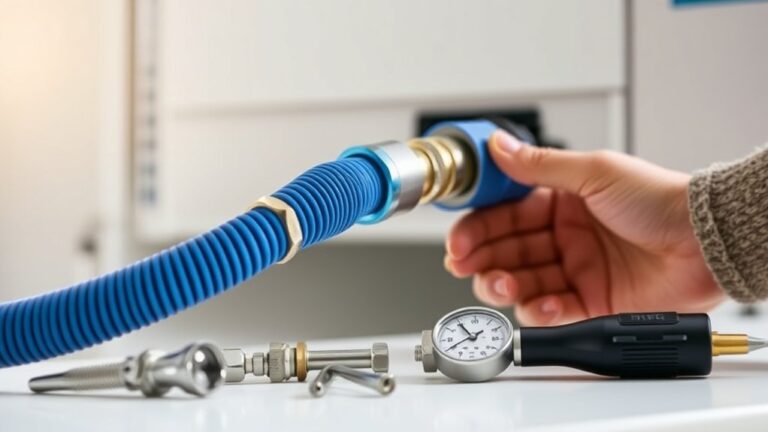
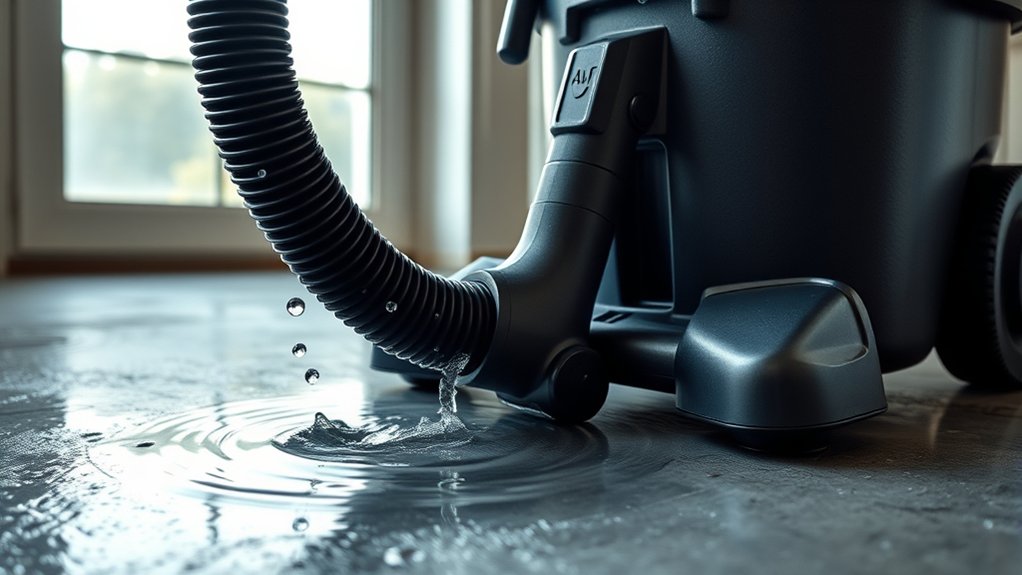
You can use a shop vac to vacuum water in various situations, including spilled drinking water, puddles, rainwater, and slightly dirty water like mop-up liquids. Shop vacs are designed to handle wet messes effectively when used correctly. Just make sure to switch to wet mode, remove dry filters, and use the appropriate wet filter or foam sleeve to avoid damage.
Avoid vacuuming hot, oily, or chemical liquids since those can harm your vacuum and pose safety risks. Proper preparation and care are essential to maintain your shop vac’s performance and longevity.
If you want to handle bigger water messes or learn more about maintenance, there’s more useful info ahead.
Key Takeaways
- Shop vacs can vacuum clean water, slightly dirty water, and standing water from spills, leaks, and puddles.
- Most models handle between 4 to 8 gallons of water capacity per use for efficient cleanup.
- They are not suitable for hazardous liquids, oils, chemicals, or hot liquids due to safety and damage risks.
- Proper wet filters and mode switching are essential to safely vacuum liquids without damaging the vacuum.
- Always empty the tank before switching modes and clean filters and tank after use to maintain performance.
How Much Water Can a Shop Vac Vacuum?
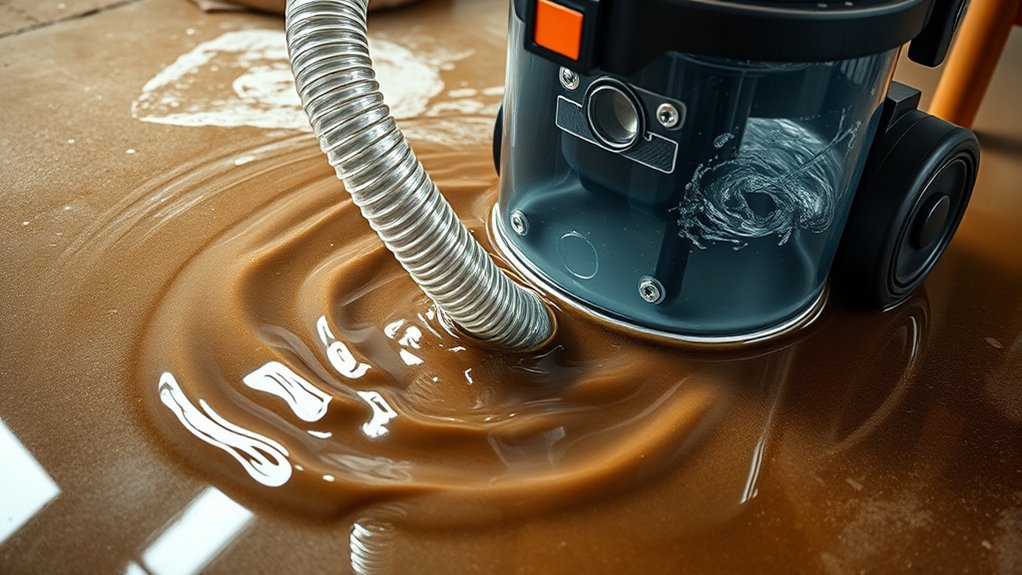
Although shop vacs vary in size and power, most can handle between 4 to 8 gallons of water per use. When you choose a shop vac, check its tank capacity to make sure it suits your typical cleaning jobs. Smaller models might hold around 4 gallons, perfect for light spills, while larger ones can accommodate up to 8 gallons or more, ideal for bigger messes.
Keep in mind, overfilling can reduce suction power and strain the motor, so empty the tank regularly during extended use. Also, consider the vac’s horsepower and pump system, as these affect how quickly and efficiently it removes water. By matching the vacuum’s capacity to your needs, you’ll clean up water messes faster and more effectively every time.
What Types of Water Can a Shop Vac Handle?
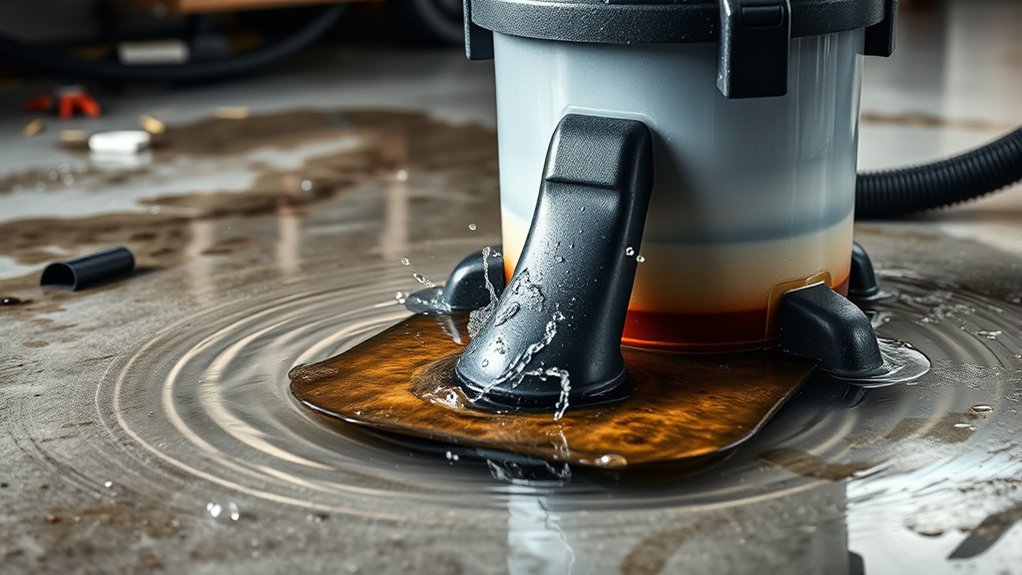
Knowing how much water your shop vac can handle is only part of the picture. You also need to understand the types of water it can safely vacuum. Typically, your shop vac is designed to handle:
Understanding your shop vac’s water capacity is crucial, but knowing the safe water types is equally important.
- Clean water – like spilled drinking water or rainwater.
- Slightly dirty water – such as water from mopped floors or minor leaks.
- Standing water – puddles in basements or garages.
- Clear water without oils or chemicals – avoid anything with hazardous substances.
Keep in mind, your shop vac isn’t built for hazardous liquids, so stick to these types to prevent damage and ensure safety. Always check your model’s instructions before vacuuming any water type.
Can Shop Vacs Vacuum Dirty or Contaminated Water?
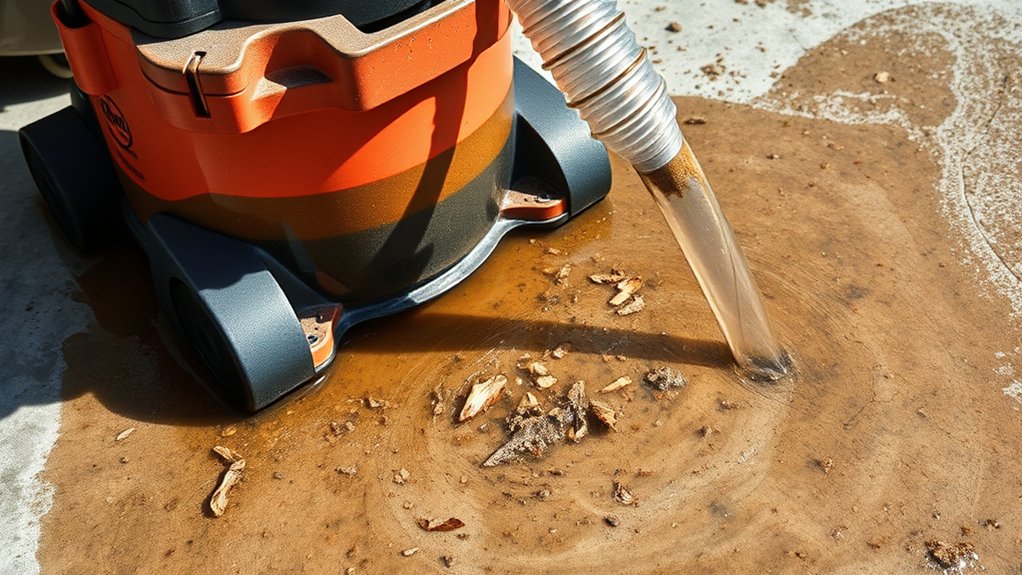
While shop vacs are great for handling clean and slightly dirty water, they aren’t designed to safely vacuum heavily contaminated or hazardous liquids. If you try to vacuum water mixed with chemicals, sewage, or toxic substances, you risk damaging your vacuum and exposing yourself to harmful contaminants. Most shop vacs lack the filtration and sealing needed to contain these materials safely.
However, you can use them for moderately dirty water, like muddy puddles or spilled drinks, as long as you clean and maintain the vacuum afterward. Always check your model’s specifications and follow safety guidelines. For heavily contaminated water, it’s best to call professionals with specialized equipment designed to handle hazardous waste safely.
Why You Should Never Vacuum Hot Liquids With a Shop Vac
You should never vacuum hot liquids with a shop vac because the heat can damage its internal components. Hot liquids may also cause burns or create dangerous steam inside the vacuum.
Protect your equipment and yourself by only using the shop vac for cool or room-temperature water.
Risks of Hot Liquid
Because shop vacs aren’t designed to handle hot liquids, vacuuming them can cause serious damage to the machine and create safety hazards for you. Hot liquids can warp plastic parts, melt seals, and ruin the vacuum’s motor.
More importantly, they pose risks that directly affect your safety. Here’s what you need to watch out for:
- Steam buildup inside the vacuum can cause burns when you open it.
- Hot liquid spills can lead to electrical shorts or shock.
- Unexpected splashes may scald your skin.
- Damaged components might release harmful fumes or catch fire.
Avoid vacuuming hot liquids to protect both your shop vac and yourself from these dangers. Always let liquids cool before cleanup.
Potential Shop Vac Damage
If you vacuum hot liquids with your shop vac, you risk severe damage that can shorten its lifespan or render it unusable. Hot water or other heated fluids can melt or warp the plastic components inside the vacuum, including the tank, hoses, and filters. This damage compromises the vacuum’s structural integrity and leads to leaks or cracks.
Additionally, hot liquids can damage the motor by causing overheating or electrical shorts, which might result in costly repairs or complete failure. Your shop vac’s filter system isn’t designed to handle heat either; exposure to hot liquids can cause filters to deteriorate quickly, reducing suction power and efficiency. To protect your investment, always avoid vacuuming anything hotter than lukewarm water, and stick to recommended usage guidelines.
How to Prepare Your Shop Vac’s Filters and Settings for Wet Cleanup
Before you start wet cleanup, make sure you choose the right filter designed for liquids. Switch your shop vac to wet mode to prevent damage and improve performance.
Don’t forget to secure the filter bag properly to avoid leaks and clogs.
Choosing The Right Filter
When you switch your shop vac from dry to wet cleanup, selecting the right filter becomes crucial to protect the motor and guarantee efficient suction. Using a dry filter during wet cleanup can cause clogging and damage.
Here’s how to choose and prepare the proper filter:
- Remove the standard dry filter or cartridge entirely.
- Install a foam sleeve or a wet filter designed specifically for liquid pickup.
- Confirm the filter fits snugly to prevent water from reaching the motor.
- Check the manufacturer’s guidelines for recommended filter types and maintenance tips.
Switching To Wet Mode
How do you get your shop vac ready for wet cleanup? First, remove the dry filter or foam sleeve designed for dust collection. These filters can clog or get damaged when wet.
Instead, install the foam sleeve specifically made for wet use, or leave the filter out if your model allows. Next, check that the drain cap is securely closed to prevent leaks. Make sure the tank is empty and clean to avoid contamination.
Adjust any switches or settings on your shop vac to “wet mode” if available, often indicated by a water droplet icon. This mode disables the motor’s automatic shutoff to handle liquids safely. Following these steps guarantees your shop vac operates effectively and avoids damage during wet cleanup.
Securing The Filter Bag
Why is securing the filter bag essential for wet cleanup with your shop vac? Without properly securing it, water can damage the motor and reduce suction power.
To prepare your shop vac for wet vacuuming, follow these steps:
- Remove the dry filter bag to prevent it from getting soaked and clogged.
- Install the foam sleeve filter, designed specifically for wet pick-up.
- Confirm the foam filter fits snugly over the motor intake to keep water from entering the motor.
- Double-check all seals and clamps to avoid leaks during operation.
What Are the Best Filters and Attachments for Wet Vacuuming?
Although shop vacuums handle both wet and dry debris, choosing the right filters and attachments is essential for effective wet vacuuming. You’ll want a foam sleeve or a washable filter designed specifically for liquids since paper filters clog quickly when wet.
Also, use attachments like a wide-mouth nozzle or a squeegee tool to maximize water pickup and prevent damage.
| Filter Type | Best Use |
|---|---|
| Foam Sleeve | Wet debris collection |
| Washable Filter | Reusable, wet/dry use |
| Paper Filter | Dry debris only |
| Cartridge Filter | Fine dry dust (not wet) |
| Attachment | Purpose |
| Wide-Mouth Nozzle | Faster water pickup |
| Squeegee Tool | Water on flat surfaces |
| Crevice Tool | Tight, hard-to-reach spots |
| Extension Wand | Extended reach |
How to Switch Safely Between Dry and Wet Vacuum Modes
Before you switch between dry and wet modes, always power off your shop vac to avoid damage. Make sure to empty the tank completely to prevent spills and maintain performance.
Finally, swap in the appropriate filters to keep your vacuum running smoothly.
Power Off Before Switching
When you switch between dry and wet vacuum modes, always power off your shop vac first to prevent damage and guarantee safety. This simple step protects the motor and electrical components from sudden stress and possible short circuits.
Follow these steps to switch safely:
- Turn off the shop vac and unplug it from the power source.
- Remove or secure attachments designed for the previous mode.
- Check the tank for any residual debris or liquid before switching modes.
- Attach the appropriate filter or accessory for the new mode, ensuring a proper fit.
Empty Tank Completely
Since leftover debris or liquid can cause damage or clogging, you should always empty the tank completely before switching between dry and wet vacuum modes. After turning off the shop vac, detach the tank carefully to avoid spills. Pour out any remaining water and dispose of debris properly.
Check the bottom and corners for hidden residue, and wipe them clean with a dry cloth if needed. Ensuring the tank is dry prevents mold growth and protects the motor from moisture damage. Once empty and clean, securely reattach the tank before switching modes.
Taking these steps keeps your shop vac running efficiently and extends its lifespan, letting you switch between cleaning wet and dry messes without risking mechanical issues or blockages.
Use Appropriate Filters
Although switching between dry and wet vacuum modes might seem straightforward, using the appropriate filters is vital to avoid damage and maintain performance. When you switch modes, follow these steps to protect your shop vac:
- Remove the dry vacuum filter before using the wet mode to prevent clogging and damage.
- Install a foam sleeve or wet filter designed for liquid pickup to ensure proper filtration.
- After wet vacuuming, remove and thoroughly clean the wet filter to prevent mold and odors.
- Before switching back to dry mode, replace the wet filter with the dry filter to maintain suction and trap dust effectively.
Common Mistakes to Avoid When Vacuuming Water With a Shop Vac
If you don’t take certain precautions, using a shop vac to clean up water can lead to damage or reduced effectiveness. Avoid these common mistakes to keep your shop vac working well:
| Mistake | Why to Avoid It |
|---|---|
| Using dry filter for wet mess | Can clog or ruin the filter |
| Vacuuming large debris | May clog hoses or damage the motor |
| Overfilling the tank | Reduces suction and risks leaks |
| Ignoring manufacturer limits | Could void warranty or cause damage |
| Leaving wet vacuum plugged in | Risks electrical shock or damage |
Stay mindful of these pitfalls to ensure your shop vac handles water cleanup efficiently and safely every time.
How to Empty and Clean Your Shop Vac After Wet Use
Once you finish vacuuming up water, you’ll want to empty and clean your shop vac promptly to prevent odors, mold, and damage. Start by unplugging the unit and detaching the collection tank or bucket.
- Carefully pour out the dirty water into a drain or suitable disposal area.
- Remove and rinse the filter with clean water, allowing it to dry completely before reinstalling.
- Wipe down the inside of the tank with a mild detergent or vinegar solution to kill bacteria.
- Inspect hoses and attachments for moisture; dry or replace any wet parts to avoid mildew buildup.
Following these steps guarantees your shop vac stays in good condition and ready for the next job.
Can You Use a Shop Vac to Clean Up a Flooded Basement?
Wondering whether a shop vac can handle a flooded basement? Yes, it can, but only for minor flooding. Shop vacs are designed to pick up water, but their capacity limits how much they can handle at once.
For deep or widespread flooding, a pump or professional help is better. Use your shop vac to remove small puddles and speed up drying after water recedes.
| Task | Shop Vac Suitable? | Tips |
|---|---|---|
| Small puddles | Yes | Use a wet filter and empty often |
| Deep flooding | No | Use a sump pump instead |
| Muddy water | Yes | Clear debris first |
| Continuous water | No | Risk of motor damage |
| Drying floors | Yes | Use with fans for best results |
Can You Vacuum Pool Water With a Shop Vac?
Although shop vacs aren’t designed specifically for pool maintenance, you can use one to vacuum pool water in certain situations. If you need to remove small amounts of water or clean up puddles around your pool, a shop vac can come in handy.
Shop vacs can help remove small water amounts or clean puddles around your pool effectively.
Keep these points in mind:
- Ensure your shop vac is rated for wet use to avoid damage.
- Use the appropriate hose and attachments to reach tight spots.
- Avoid vacuuming large amounts of heavily contaminated water, as this may clog or harm the vacuum.
- Empty the tank frequently to maintain suction and prevent overflow.
For large-scale pool draining or deep cleaning, specialized pool vacuums are more efficient and safer to use.
How to Maximize Shop Vac Suction Power for Water Cleanup
Using a shop vac for water cleanup requires more than just plugging it in and turning it on. To maximize suction power, start by ensuring the filter is designed for wet use or is removed altogether. A clogged or dry-only filter reduces airflow and suction.
Next, check for leaks in the hose or seals; even small gaps let air in, cutting suction strength. Use the shortest hose length possible to minimize air resistance. Keep the tank from filling beyond half capacity to maintain the best performance.
Also, regularly clean the intake and hose to prevent blockages. Finally, make sure the power source delivers consistent voltage—fluctuations can impact motor performance. Following these tips helps you get the most powerful, efficient water cleanup with your shop vac.
When Should You Choose a Shop Vac Over a Pump or Other Wet/Dry Vacuum?
When you need to quickly remove water from tight spaces or mixed debris, a shop vac often outperforms pumps and other wet/dry vacuums. You should choose a shop vac over these alternatives when:
For quick water removal in tight spaces or mixed debris, a shop vac outperforms pumps and wet/dry vacuums.
- The area is small or hard to reach, like car interiors or under appliances.
- You’re dealing with a mix of water and solids, such as muddy floors or spilled liquids with debris.
- You want a portable, easy-to-maneuver tool without complicated setup.
- You need to switch between wet and dry cleanup without changing equipment.
Pumps excel at moving large volumes of clear water but struggle with solids. Other wet/dry vacuums may lack the power or versatility a shop vac offers for mixed messes and tight spots.
Frequently Asked Questions
How Do I Store My Shop Vac After Wet Use?
After wet use, you should empty the tank, clean the filter, and let everything dry completely.
Store your shop vac in a dry, well-ventilated area to prevent mold and keep it ready for your next job.
Can a Shop Vac Damage Hardwood Floors When Vacuuming Water?
No, your shop vac won’t damage hardwood floors when vacuuming water if you use it properly. Just avoid dragging the nozzle roughly and guarantee the floor is sealed to prevent moisture absorption and potential damage.
Are There Specific Safety Gear Recommendations for Using a Shop Vac?
Safety starts with sturdy gloves, safety goggles, and slip-resistant shoes. You’ll want ear protection for loud vacuums, and always guarantee proper plug and cord precautions.
Don’t forget to disconnect power when cleaning filters!
How Long Can a Shop Vac Run Continuously While Vacuuming Water?
You can usually run a shop vac continuously for about 15 to 30 minutes while vacuuming water, but it depends on your model. Overheating risks increase, so take breaks to prevent damage and guarantee safety.
Make sure to monitor the vacuum’s temperature regularly during use. Taking short breaks allows the motor to cool down effectively. This helps extend the lifespan of your shop vac.
Can I Use a Shop Vac to Vacuum Water Outdoors in the Rain?
Imagine you’re cleaning a flooded patio during a rainstorm. Yes, you can use a shop vac outdoors in the rain, but make sure it’s rated for wet use and keep electrical connections dry to avoid hazards.
Always check the manufacturer’s guidelines to confirm your shop vac is designed for wet applications. Using one not intended for wet use can damage the vacuum and pose safety risks.
Keep all plugs and outlets elevated and away from standing water. Consider using a ground fault circuit interrupter (GFCI) outlet for extra protection. This helps prevent electrical shock while working in wet conditions.
Conclusion
When it comes to vacuuming water, your shop vac is like a trusty sponge—ready to soak up spills, puddles, and even a flooded basement. Just remember to prep the filters and avoid hot or heavily contaminated liquids to keep it running smoothly.
By knowing its limits and proper care, you’ll make your shop vac a powerful ally in tackling wet messes. This ensures efficient water vacuuming and prolongs the life of your equipment. Using a shop vac to vacuum water saves you time and effort every step of the way.