When Can I Vacuum After Bed Bug Treatment?
You should wait at least 3 to 5 days after bed bug treatment before you vacuum to avoid spreading live bugs and disrupting the pesticide’s effectiveness. Proper timing for vacuuming is crucial to ensure the treatment fully works and helps in bed bug eradication.
For professional treatments, it’s best to wait 7 to 10 days before resuming vacuuming.
Make sure the insecticide is dry and inactive, and confirm with your pest control expert before you start vacuuming again.
Once it’s safe, vacuum carefully to support the eradication process without spreading any remaining bugs.
There’s more to know about timing, techniques, and cleanup to maximize your results.
Key Takeaways
- Wait at least 3 to 5 days after treatment before vacuuming, or 7 to 10 days for professional treatments.
- Ensure pesticides are dry and inactive to avoid disrupting their effectiveness.
- Confirm no strong pesticide odors remain and inspection shows reduced bed bug presence.
- Resume vacuuming only after pest control professionals give clearance to avoid spreading bugs.
- Focus vacuuming on mattress seams, baseboards, and furniture to complement chemical treatments.
Why Timing Your Vacuuming Matters for Bed Bug Control
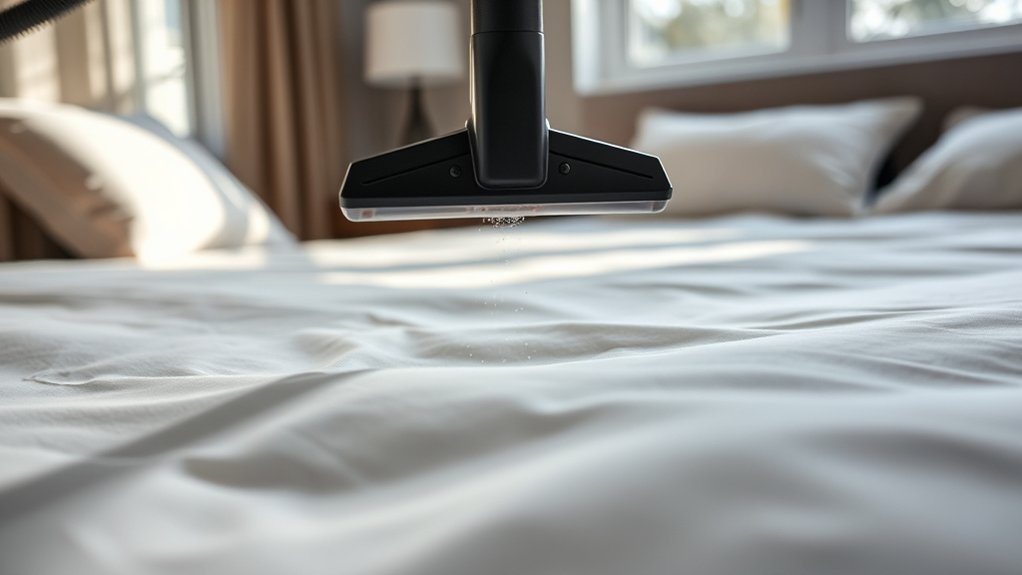
Although vacuuming is a key step in bed bug control, when you do it can make a big difference. If you vacuum at the right time, you’ll effectively remove bed bugs, eggs, and shed skins from your home’s surfaces. Timing helps prevent spreading bed bugs to other areas, which can happen if you vacuum too soon or too late after treatment.
You want to guarantee any insecticides have had time to work before disturbing the bugs with vacuuming. Waiting allows the treatment to weaken or kill the bugs, so vacuuming then reduces their numbers without scattering them. By timing your vacuuming carefully, you’ll boost the effectiveness of your overall bed bug control plan and increase your chances of a successful, bug-free home.
Why Vacuuming Too Early Spreads Bed Bugs
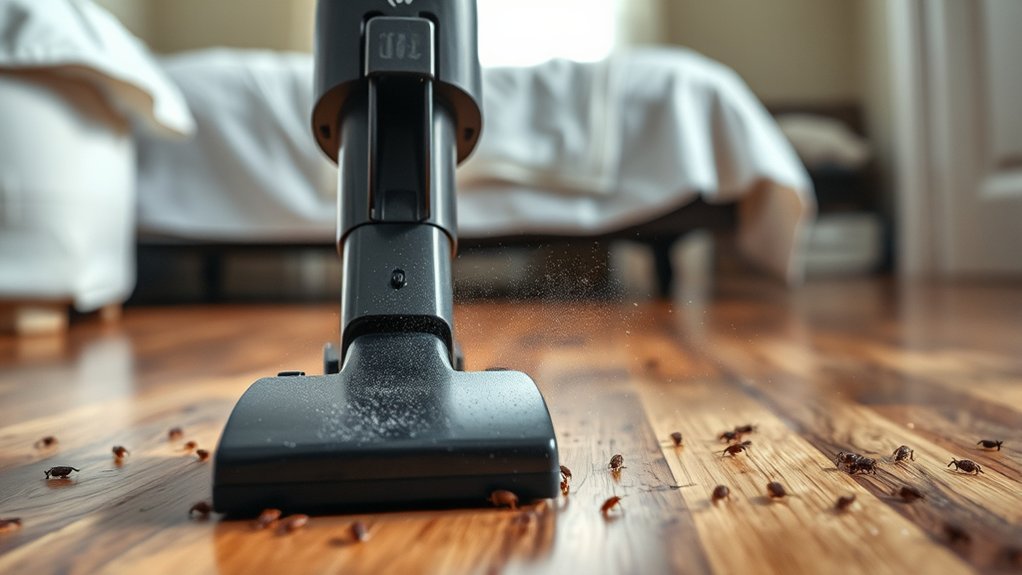
If you vacuum too soon after treatment, you risk spreading bed bugs instead of removing them. When you disturb treated areas prematurely, bed bugs can scatter to new hiding spots, making the infestation worse. Their quick movements help them escape the suction and relocate to areas you haven’t treated yet.
Plus, vacuuming before the pesticide has had enough time to work means you’re not killing the bugs effectively. Instead, you’re just forcing them to move around your home. Also, vacuuming can dislodge eggs that haven’t hatched, spreading them further.
To avoid this, it’s essential to wait until the treatment has fully taken effect before vacuuming. This way, you won’t unintentionally help bed bugs spread and prolong your battle against them.
How Soon Can You Vacuum After Bed Bug Treatment?
Waiting long enough after treatment before vacuuming allows the pesticide to work effectively without causing bed bugs to scatter. Typically, you should wait at least a few days before vacuuming to let the insecticide settle and start killing bed bugs. Vacuuming too soon can disrupt the treatment, making bugs hide deeper or move to untreated areas.
After about 3 to 5 days, you can begin vacuuming carefully, focusing on areas where bed bugs hide, like mattress seams, baseboards, and furniture crevices. Use a vacuum with strong suction and dispose of the vacuum bag or empty the canister immediately to prevent re-infestation. Always follow the product’s label instructions for specific guidance on timing and safety.
When to Vacuum After Professional vs. DIY Treatments
You’ll notice that when to vacuum depends a lot on whether you choose professional or DIY treatment. Professionals often advise waiting longer to let their chemicals fully work, while DIY methods might allow for quicker vacuuming.
Understanding these timing differences can help you get the best results.
Vacuum Timing Differences
Although both professional and DIY bed bug treatments require vacuuming, the timing varies considerably between the two. After a professional treatment, you’ll usually need to wait at least a week before vacuuming. Experts apply specialized chemicals that need time to work effectively, so vacuuming too soon can remove residues and reduce treatment success.
On the other hand, with DIY treatments, you can often vacuum immediately or within a day after applying sprays or powders. Since these methods rely more on direct removal and surface treatments, vacuuming helps eliminate bed bugs and their eggs promptly. Knowing when to vacuum guarantees you don’t interfere with the treatment’s effectiveness, so always follow specific instructions based on the approach you’re using.
Treatment Type Impact
Different treatment methods influence how soon you can vacuum after addressing a bed bug problem. If you’ve had a professional treatment, you’ll usually need to wait longer before vacuuming. Professionals often use residual insecticides that continue working for days or weeks, so vacuuming too soon can remove these treatments and reduce their effectiveness.
Your pest control provider will give you specific guidance, but expect a waiting period of at least a week.
On the other hand, if you’re using DIY methods like steam cleaning or non-residual sprays, you can vacuum almost immediately after treatment. These approaches don’t rely on lingering chemicals, so removing bed bugs, eggs, and debris right away helps prevent reinfestation. Always follow product instructions carefully to get the best results.
Best Vacuuming Techniques After Bed Bug Treatment
You’ll want to vacuum regularly after treatment to keep any remaining bed bugs in check. Focus on using slow, deliberate strokes around mattress seams, baseboards, and furniture edges.
Consistent, thorough vacuuming helps remove eggs and bugs that might have survived the initial treatment.
Vacuuming Frequency Tips
Since bed bugs can hide in tiny crevices, vacuuming frequently after treatment helps remove any remaining pests and eggs. You should vacuum at least every two to three days during the first two weeks after treatment to catch bed bugs before they have a chance to spread or lay new eggs.
After that, reduce vacuuming to once a week for another two to three weeks as a precaution. If you notice any signs of bed bugs returning, increase vacuuming frequency immediately. Consistency is key—don’t skip sessions, as even a few missed days can allow bed bugs to regroup.
Always empty the vacuum bag or canister after each use to prevent re-infestation. Following this schedule will support your treatment and help ensure bed bugs don’t come back.
Effective Vacuuming Methods
Although vacuuming regularly is essential, using the right techniques makes a big difference in effectively removing bed bugs and their eggs. Start by focusing on areas where bed bugs hide, like mattress seams, bed frames, baseboards, and upholstered furniture. Use a vacuum with strong suction and a HEPA filter to capture tiny particles.
Move the vacuum slowly to ensure you pick up eggs and bugs, paying close attention to cracks and crevices. After vacuuming, immediately seal the vacuum bag or empty the canister into a plastic bag, then dispose of it outside your home to prevent reinfestation. Finally, clean your vacuum thoroughly to avoid spreading bed bugs to other areas.
Following these steps will maximize your vacuum’s effectiveness after bed bug treatment.
What Areas Should You Vacuum After Treatment?
Before vacuuming after bed bug treatment, focus on key areas where bed bugs and their eggs tend to hide. Target the seams, folds, and edges of mattresses and box springs, as these spots are prime hiding places. Don’t forget to vacuum bed frames, headboards, and nearby furniture, especially cracks and crevices.
Check baseboards, moldings, and carpet edges, where bed bugs often crawl. Pay special attention to cluttered areas, like under beds or behind dressers, since these spots offer shelter. Vacuum upholstery, including sofas and chairs, focusing on cushions and seams.
Finally, treat floor cracks and electrical outlets carefully. By concentrating your vacuuming on these critical areas, you’ll effectively remove bed bugs and eggs, supporting the success of your treatment without unnecessary effort.
How to Dispose of Vacuum Contents Safely
After vacuuming the areas where bed bugs hide, you need to handle the vacuum contents carefully to prevent spreading the pests. First, empty the vacuum bag or canister immediately after use, preferably outdoors or in a sealed trash bag. Avoid shaking the contents to minimize bed bugs escaping back into your home.
Next, dispose of the vacuum waste in a sealed plastic bag, tying it tightly to trap any remaining bugs or eggs. Finally, clean your vacuum thoroughly by:
- Using a disinfectant spray on the canister and filters
- Washing removable parts with hot, soapy water
- Checking and replacing filters regularly to maintain efficiency
Following these steps helps guarantee you don’t accidentally reintroduce bed bugs while cleaning.
How Vacuuming Works With Your Bed Bug Treatment Plan
When you integrate vacuuming into your bed bug treatment plan, it plays a vital role in reducing the pest population by removing eggs, nymphs, and adults from cracks and crevices. Vacuuming physically extracts bed bugs from hiding spots, limiting their ability to reproduce and spread. You should focus on seams of mattresses, baseboards, furniture joints, and other tight spaces where bed bugs hide.
This method complements chemical treatments by clearing away debris and bed bugs that pesticides may miss. However, timing is essential; vacuuming too soon after applying treatments can disrupt their effectiveness. By using vacuuming strategically, you create a cleaner environment that enhances the overall success of your bed bug eradication efforts, helping to break the infestation cycle more efficiently.
Signs You Can Resume Regular Vacuuming
Although it may be tempting to jump back into your usual cleaning routine, you should wait until the treatment has settled and any residual pesticides are no longer active.
Hold off on cleaning until treatments settle and pesticides are fully inactive to ensure safe, effective pest control.
You’ll know it’s safe to vacuum again when:
- The pest control professional confirms the waiting period is over, usually 7-10 days.
- No active pesticide odors linger in the treated area, indicating chemicals have dried.
- You’ve inspected the space and see a significant reduction or absence of bed bugs.
Once these signs appear, you can resume vacuuming to maintain cleanliness without compromising treatment effectiveness.
Remember, vacuuming too soon can spread live bugs or disrupt pesticides, so patience is key.
Following these guidelines helps ensure your home stays bed bug-free while keeping you safe.
Frequently Asked Questions
Can Vacuuming Alone Eliminate a Bed Bug Infestation?
No, vacuuming alone won’t eliminate bed bugs completely. You’ll miss eggs and hidden bugs.
You need a combination of treatments like heat, chemicals, and thorough cleaning to fully get rid of an infestation and prevent it from coming back.
Are Certain Vacuum Types Better for Bed Bug Removal?
You’ll find that vacuums with HEPA filters capture 99.97% of bed bug particles, making them more effective. Using a vacuum with strong suction and a crevice tool helps you reach hiding spots, boosting removal success.
How Often Should I Vacuum During Bed Bug Treatment?
You should vacuum daily during bed bug treatment to remove eggs, nymphs, and adults. After treatment, continue vacuuming regularly to prevent re-infestation. Always dispose of the vacuum bag or clean the canister immediately.
Can Vacuuming Damage Furniture or Mattresses?
Vacuuming won’t damage your furniture or mattresses if you’re careful. Just avoid using overly harsh settings or aggressive attachments.
Regular, gentle vacuuming actually helps keep things clean and can prevent buildup that might harm materials over time.
Should I Use Vacuum Attachments for Bed Bug Treatment?
Yes, you should use vacuum attachments to target bed bugs in tight spots like seams, crevices, and edges. Attachments help you reach hidden bugs more effectively and prevent damage to furniture or mattresses during treatment.
They allow for precise cleaning in areas that are difficult to access with a regular vacuum nozzle. Using attachments can enhance the overall effectiveness of your bed bug treatment.
This method is a crucial part of an integrated pest management approach to eliminate bed bugs efficiently.
Conclusion
You might worry that waiting to vacuum lets bed bugs roam freely, but patience actually helps stop their spread. Vacuuming too soon can push bugs into hiding, making treatment less effective.
Instead, wait at least a week after treatment, or follow your professional’s advice. When you do vacuum, focus on key areas and dispose of contents carefully.
This timing boosts your treatment’s success and gets you closer to a bug-free home. Knowing when can I vacuum after bed bug treatment is essential for effective pest control and long-term prevention.