What Is a Canister Vacuum and How to Use It
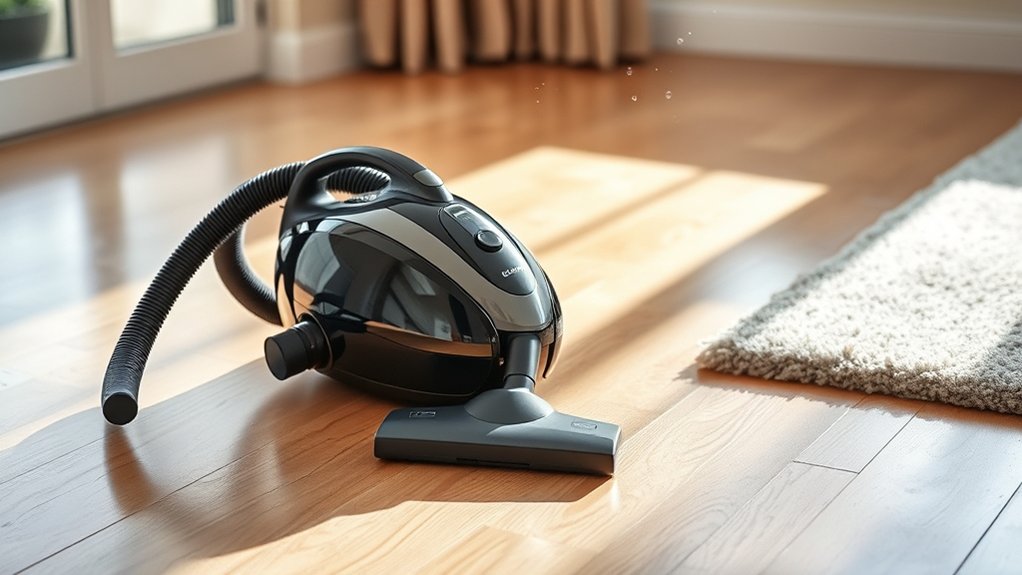
A canister vacuum is a versatile cleaning tool featuring a separate motor and dustbin unit that you pull along as you clean. This design makes it lightweight and easy to maneuver, especially around furniture and tight spaces.
With its hose and various attachments, a canister vacuum efficiently cleans floors, upholstery, stairs, and hard-to-reach spots.
To use it, simply attach the appropriate tool, adjust the suction power as needed, and move systematically for thorough cleaning.
Proper maintenance is essential to keep your canister vacuum working well over time.
There’s plenty more to learn about choosing and caring for one to achieve the best results.
Key Takeaways
- A canister vacuum has a separate motor and dust collector unit connected by a hose and wand for flexible cleaning. It excels on hard floors, low-pile carpets, stairs, upholstery, and tight spaces due to its lightweight and maneuverable design.
- Use adjustable suction settings and appropriate attachments like upholstery tools or hard floor brushes for targeted cleaning. Regularly empty dustbins, clean filters, and clear hose blockages to maintain optimal suction and vacuum performance.
- Proper use and maintenance extend vacuum lifespan, improve cleaning efficiency, and enhance indoor air quality.
What Is a Canister Vacuum and How Does It Work
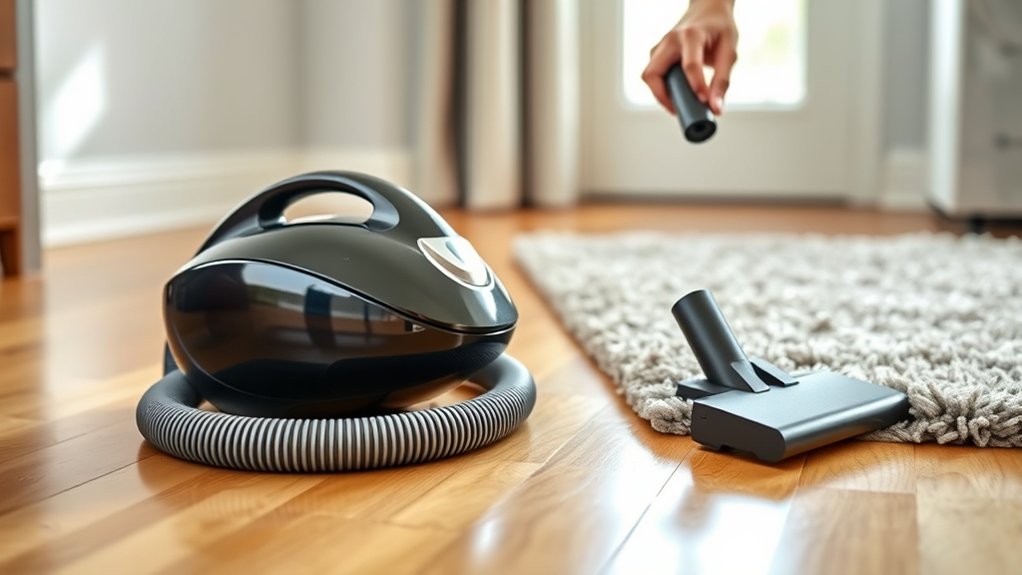
What makes a canister vacuum stand out from other vacuum types? It’s the separate design, where the motor and dust collector sit in a canister you pull behind you. Unlike upright vacuums, this setup gives you more flexibility and easier maneuvering, especially around furniture and tight spaces.
When you switch it on, suction draws dirt and debris through the hose and wand, funneling everything into the canister’s dustbin or bag. You’ll usually find various attachments that connect to the wand, letting you target floors, upholstery, or even curtains with precision.
Because the canister houses the motor separately, it’s quieter and lighter to push around. Understanding this design helps you appreciate why canister vacuums work so well in a variety of cleaning scenarios.
Key Benefits of Using a Canister Vacuum
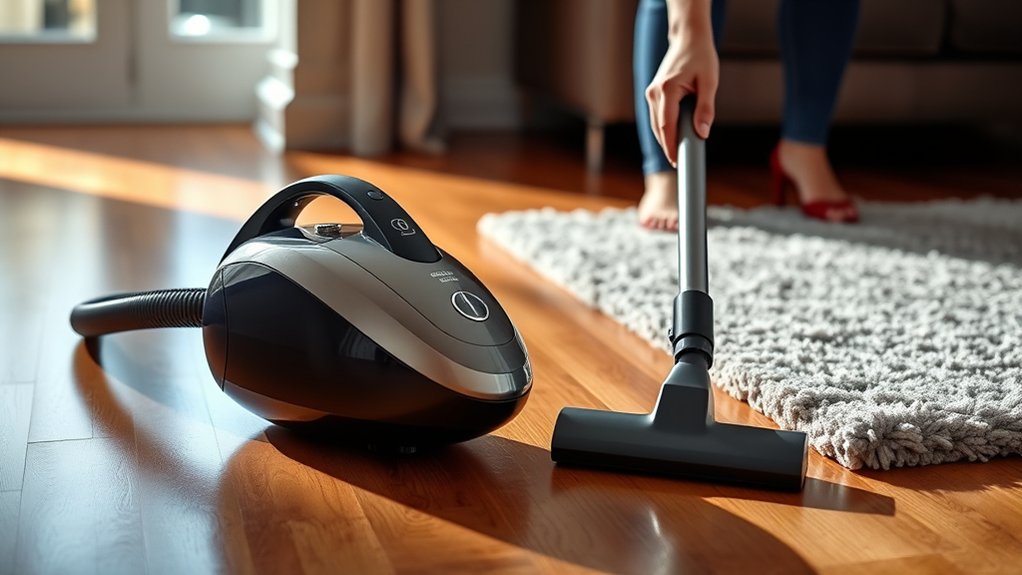
Why should you consider a canister vacuum for your cleaning needs? Canister vacuums offer powerful suction, easy maneuverability, and versatility that make your cleaning faster and more efficient. They’re especially good for hard floors, stairs, and tight spaces.
Plus, their lightweight design means less strain on your arms and back.
Here’s a quick look at the key benefits:
| Benefit | Description | Why It Matters |
|---|---|---|
| Strong suction | Deep cleans various surfaces | Removes dirt effectively |
| Lightweight | Easy to carry around | Reduces fatigue during use |
| Versatile tools | Attachments for different tasks | Cleans multiple surfaces well |
| Quiet operation | Less noise while running | Comfortable for home use |
| Compact storage | Takes up less space | Fits easily in closets |
Canister vs. Upright Vacuums: Key Differences
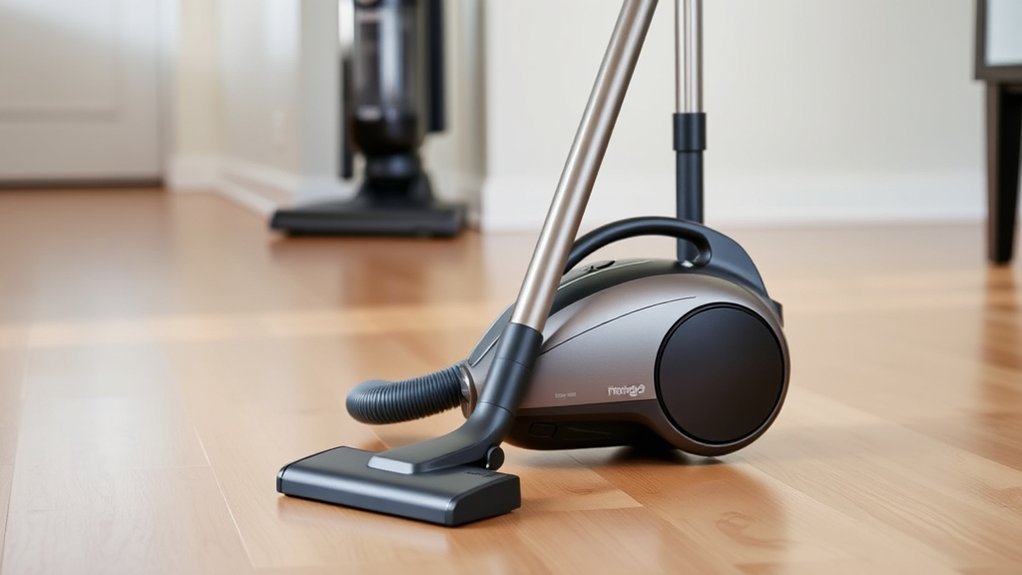
Although both canister and upright vacuums serve the same basic purpose, they differ considerably in design, functionality, and ideal use cases. Canister vacuums feature a separate canister unit connected to a flexible hose and wand, giving you greater mobility and ease when cleaning hard-to-reach spots. Upright vacuums combine the suction head and motor into a single unit, making them bulkier but often easier to push across large carpeted areas.
You’ll find canisters lighter to maneuver around furniture and stairs, while uprights typically offer stronger suction on deep carpets. Canisters usually come with various attachments for versatile cleaning, whereas uprights focus on one main cleaning head. Understanding these differences helps you pick the vacuum that fits your cleaning style and space best.
Best Surfaces and Areas for Canister Vacuums
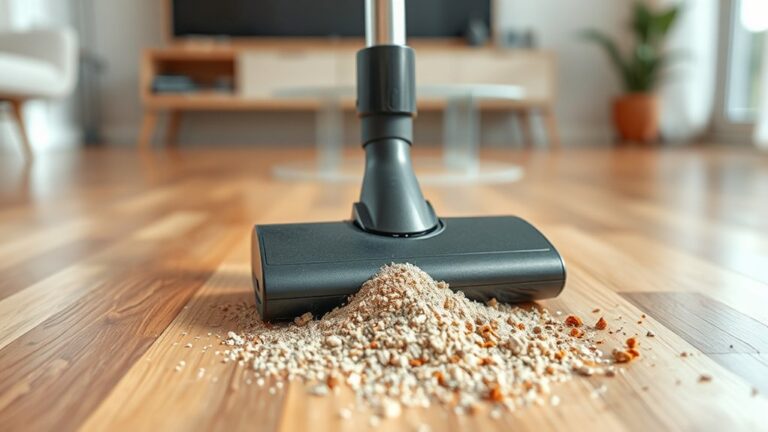
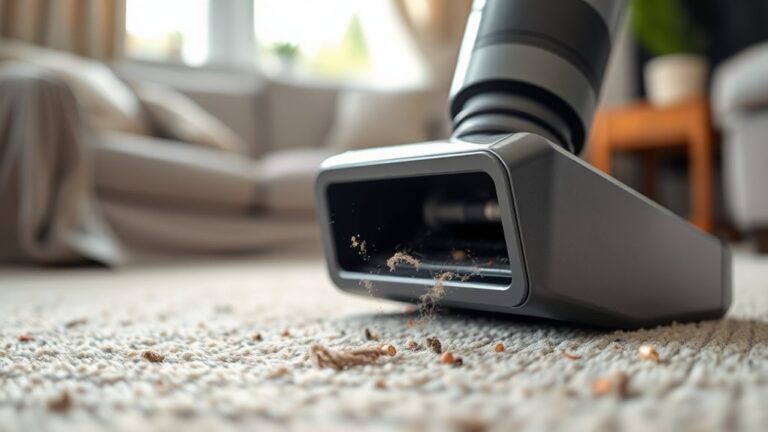
Canister vacuums shine when tackling a variety of surfaces and tight spaces where flexibility matters most. You’ll find them perfect for hard floors like hardwood, tile, and laminate because their adjustable suction prevents damage while efficiently picking up dust and debris. They also excel on low- to medium-pile carpets, providing strong suction without the bulk of an upright vacuum.
When it comes to stairs, their lightweight design and long hose make cleaning easier and safer. Don’t forget about upholstery and drapes; canister vacuums handle these delicately yet thoroughly with specialized attachments. If you need to reach under furniture or into corners, their slim profile and maneuverability give you an edge.
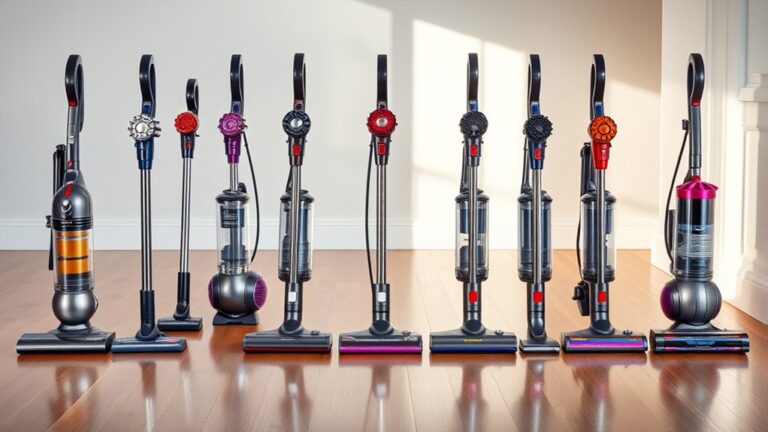
Choosing the Right Canister Vacuum: Size, Power & Features
When choosing a canister vacuum, you’ll want to think about its size to make sure it fits your space and storage needs. Power features are just as important, since they determine how well the vacuum handles different surfaces.
Let’s look at what to prioritize so you get the best performance for your cleaning tasks.
Vacuum Size Considerations
How do you know which vacuum size fits your cleaning needs best? Start by considering where and how you’ll use it. If you have a small apartment or limited storage space, a compact, lightweight canister vacuum works well.
It’ll be easier to carry and store. For larger homes with multiple floor types, a bigger canister might be better, as it usually offers more capacity and longer runtime before needing emptying. Remember, bigger doesn’t always mean better if it feels too heavy or bulky for you to maneuver comfortably.
Also, think about the length of the hose and power cord, which affect your cleaning reach. Ultimately, pick a size that balances convenience with your home’s cleaning demands to make vacuuming efficient and hassle-free.
Essential Power Features
Although size plays a big role, the power features of your vacuum will determine how effectively it cleans different surfaces. Look for models with adjustable suction power so you can switch between delicate curtains and thick carpets without damaging either. A strong motor ensures deep cleaning, especially on rugs or pet hair.
Check for a variable power dial or electronic controls that let you fine-tune suction. Also, consider if the vacuum has specialized tools powered by the motor, like a motorized brush head, which can dramatically improve dirt removal. Don’t forget about filtration systems—HEPA filters trap allergens better, enhancing air quality.
Assembling and Setting Up Your Canister Vacuum: Step-by-Step Guide
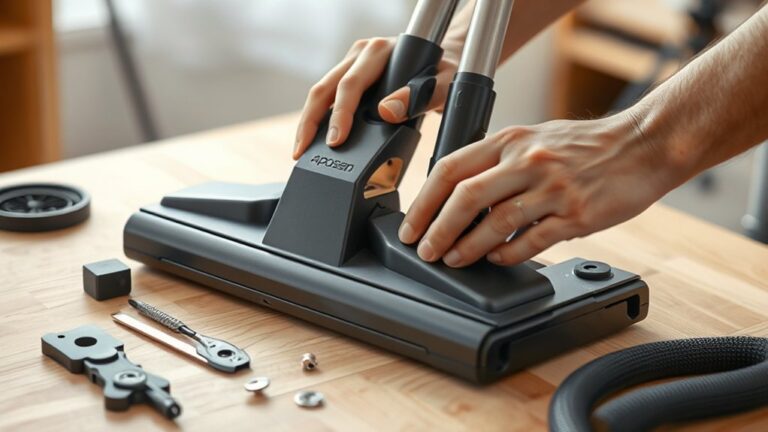
Before you start cleaning, you’ll want to assemble your canister vacuum properly to guarantee peak performance. Begin by attaching the hose to the canister unit securely. Next, connect the wand or extension tube to the hose, ensuring it clicks into place.
Then, select the appropriate cleaning head or nozzle for your floor type and attach it to the wand. Check that all connections are tight to prevent air leaks. If your model has adjustable settings, set them according to your needs but avoid turning the power on yet.
Finally, plug in the vacuum and coil the cord neatly to prevent tripping hazards during use. By following these steps, you’ll set up your canister vacuum efficiently and be ready to clean effectively.
Using a Canister Vacuum: Step-by-Step Guide
Once your canister vacuum is assembled and plugged in, you’re ready to begin cleaning. Start by adjusting the suction power if your model allows it, matching the setting to your floor type. Attach the appropriate nozzle—use the standard floor head for hard floors or low-pile carpets.
Turn on the vacuum and move the wand back and forth slowly, overlapping strokes to ensure thorough dirt removal. Keep the hose untwisted and avoid pulling the canister behind you to prevent damage. When you finish one area, switch to another, maintaining a systematic path for efficiency.
Remember to empty the dustbin or replace the bag regularly to maintain the best suction. Following these steps will help you get the most from your canister vacuum.
Cleaning Stairs and Upholstery With a Canister Vacuum
How do you tackle cleaning stairs and upholstery with a canister vacuum? Start by adjusting the vacuum’s suction to a moderate level to avoid damaging fabric or carpet fibers. Use the hose to reach tight corners on stairs easily, moving slowly to lift embedded dirt.
When cleaning upholstery, work in sections and follow the fabric’s grain for the best results. Keep the canister close by to avoid strain, and use steady, controlled motions to prevent scattering dust. Pay extra attention to seams and crevices where dirt tends to accumulate.
With a little care, your canister vacuum will make these tricky areas look fresh and clean without hassle or damage.
Best Accessories and Attachments for Canister Vacuums
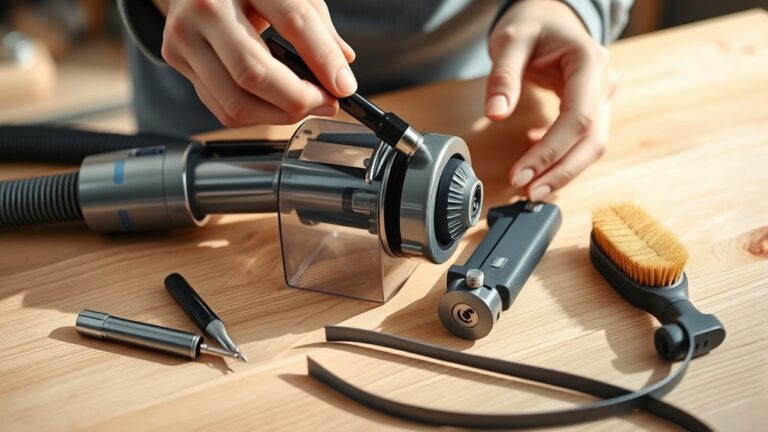
Getting the most out of your canister vacuum means choosing the right accessories and attachments for the job. A crevice tool helps you reach tight spots like baseboards and between cushions. Use a dusting brush to gently clean delicate surfaces such as lampshades and blinds.
For upholstery and stairs, an upholstery tool with a wide, flat head makes quick work of fabric surfaces. If you have hardwood floors, a hard floor brush protects the finish while efficiently picking up debris. Many canister vacuums also come with motorized or turbo brushes, which are great for deep-cleaning carpets and removing pet hair.
How to Maintain and Clean Your Canister Vacuum
To keep your canister vacuum running efficiently, you need to clean and maintain it regularly. Start by emptying the dustbin or replacing the bag as soon as it’s full to maintain suction power. Check and clean the filters to prevent clogs and improve air quality.
Regular cleaning and maintenance keep your canister vacuum running efficiently and maintain strong suction power.
Finally, inspect the brush roll and hose for debris or hair, removing any blockages.
Here’s a simple maintenance checklist:
- Empty or replace dustbin/bags frequently
- Wash or replace filters according to the manufacturer’s instructions
- Clear brush rolls and hoses of hair and debris
Troubleshooting Common Canister Vacuum Problems
Although canister vacuums are generally reliable, you might occasionally face issues that affect their performance. If your vacuum loses suction, first check for clogs in the hose, wand, or brush head. Clear any debris to restore airflow.
A full dust bag or bin can also reduce suction, so empty it regularly. If the vacuum won’t turn on, inspect the power cord for damage and verify it’s plugged in securely. Strange noises often indicate blockages or a worn brush roller, so clean or replace these parts as needed.
Overheating may cause the vacuum to shut off; in this case, clean the filters and allow the motor to cool before restarting. Regular troubleshooting keeps your canister vacuum working efficiently.
When to Replace or Upgrade Your Canister Vacuum
If your canister vacuum frequently loses suction despite regular maintenance, it might be time to contemplate replacing or upgrading it. Over time, even well-cared-for vacuums can wear down, leading to less effective cleaning. You should consider a new model if repairs become costly or parts are hard to find.
Upgrading also makes sense when newer vacuums offer better features, like improved filtration or lighter designs.
Look out for these signs to decide if it’s time:
- Persistent motor issues or strange noises
- Diminished cleaning performance despite filter and bag changes
- Frequent breakdowns or difficulty finding replacement parts
Frequently Asked Questions
Are Canister Vacuums Noisy Compared to Other Vacuum Types?
Canister vacuums aren’t usually noisier than other types. You’ll often find them quieter because their motor’s in the canister, reducing noise near you.
Still, noise levels vary by model, so check specs before buying.
Can Canister Vacuums Handle Pet Hair Effectively?
Canister vacuums are like loyal bloodhounds when it comes to pet hair—they track down and capture it effectively. You’ll want one with strong suction and a specialized pet hair attachment to keep your home fur-free effortlessly.
Do Canister Vacuums Work Well for Allergy Sufferers?
Yes, canister vacuums work well for allergy sufferers because they often have HEPA filters that trap allergens effectively. You’ll reduce dust, pet dander, and pollen, making your home healthier and easier to breathe in.
How Energy Efficient Are Canister Vacuums?
Did you know some canister vacuums use up to 30% less energy than upright models? You’ll find many are designed to be energy efficient, saving power while still delivering powerful suction for your cleaning needs.
Can Canister Vacuums Be Used for Car Interior Cleaning?
Yes, you can use canister vacuums for car interiors. Their lightweight design and various attachments help you reach tight spaces, making it easier to clean seats, carpets, and hard-to-reach areas inside your vehicle effectively.
This versatility makes them a convenient choice for detailed car cleaning. Additionally, their powerful suction ensures thorough removal of dirt and debris.
Conclusion
Now that you know the nuts and nuances of canister vacuums, you’re ready to revolutionize your routine. With their sleek size, serious suction, and superb versatility, these vacuums make cleaning a cinch.
Remember to regularly maintain and master your machine for maximum might. Whether you’re tackling tough terrain or tidying tight spaces, a canister vacuum brings brilliant benefits.
Stay savvy, keep cleaning, and enjoy a spotless space with smart, simple solutions! Using a canister vacuum ensures efficient, powerful cleaning with ease and adaptability.