What Does a Vacuum Leak Sound Like?
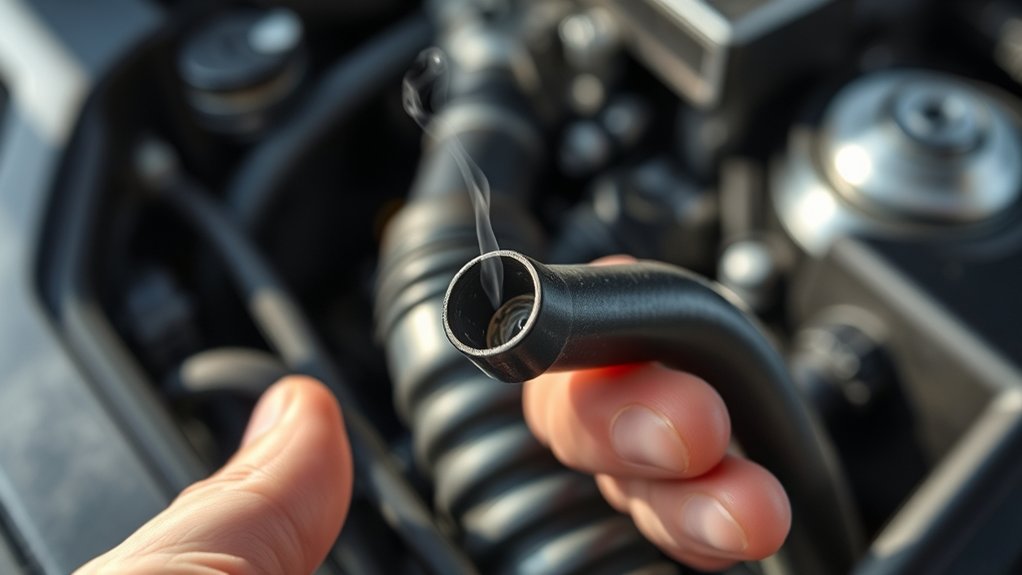
You’ll hear a sharp, high-pitched whistle or subtle hissing sound when your engine has a vacuum leak. This distinctive noise is a key indicator of a vacuum leak in your vehicle.
The sound often changes with engine speed—getting louder or softer—and resembles escaping air.
Smaller leaks produce a faint whistle, while larger ones create a louder sucking noise. This steady hiss stands out from other engine noises like belt squeals or exhaust pops.
If you want to understand exactly where the sound’s coming from and how to fix it, keep exploring the details.
Key Takeaways
- A vacuum leak typically produces a high-pitched whistle or hissing sound that varies with engine speed. The noise often resembles escaping air, similar to a slow tire deflating, and is more noticeable at idle. Small leaks cause subtle whistles, while larger leaks create louder, unmistakable sucking or hissing noises.
- The sound intensity changes with engine load, becoming louder during acceleration or engine revving. Vacuum leak noises are steady and high-pitched, differing from rough exhaust leaks, belt squeals, and engine knocks.
What Is a Vacuum Leak and Why Does It Make Noise?
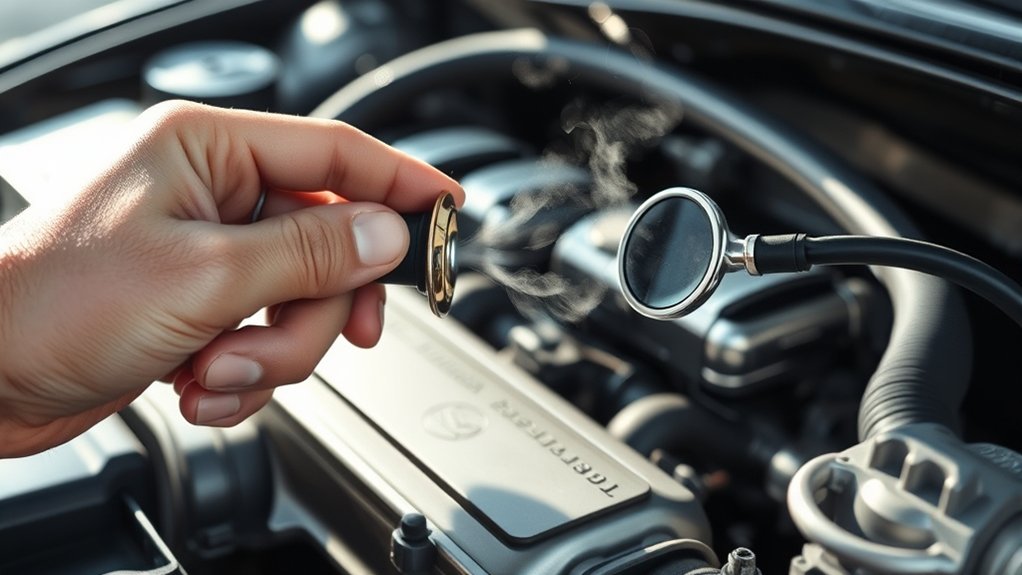
Have you ever wondered what causes that high-pitched whistling or hissing sound under your car’s hood? That noise often comes from a vacuum leak. Your engine relies on a sealed vacuum system to control fuel delivery and emissions.
When there’s a crack or loose connection in the vacuum lines, air escapes or enters where it shouldn’t. This disrupts the engine’s balance and creates that distinct sound. You’ll hear air rushing through small gaps, which produces the high-pitched noise.
Basically, the leak lets outside air bypass the throttle body, messing with engine performance. So, when you notice that whistling or hissing, it’s a clear sign that your engine’s vacuum system isn’t airtight. You’ll want to check for leaks before bigger problems develop.
How to Recognize the Hissing Sound of a Vacuum Leak
Although it might sound subtle at first, you’ll quickly notice a distinct hissing or whistling noise coming from your engine bay when a vacuum leak is present. This hissing usually increases with engine speed since more air is being drawn in through the leak. To recognize it, listen closely near the intake manifold and vacuum hoses, where leaks commonly occur.
The sound often resembles escaping air, similar to a tire slowly losing pressure. It’s more noticeable in a quiet environment or when the engine is idling. If you hear this consistent, sharp hiss, it’s a strong indicator of a vacuum leak.
Paying attention to this sound early helps you address the issue before it leads to poor engine performance or stalling.
How to Identify Whistling Noises From Vacuum Leaks
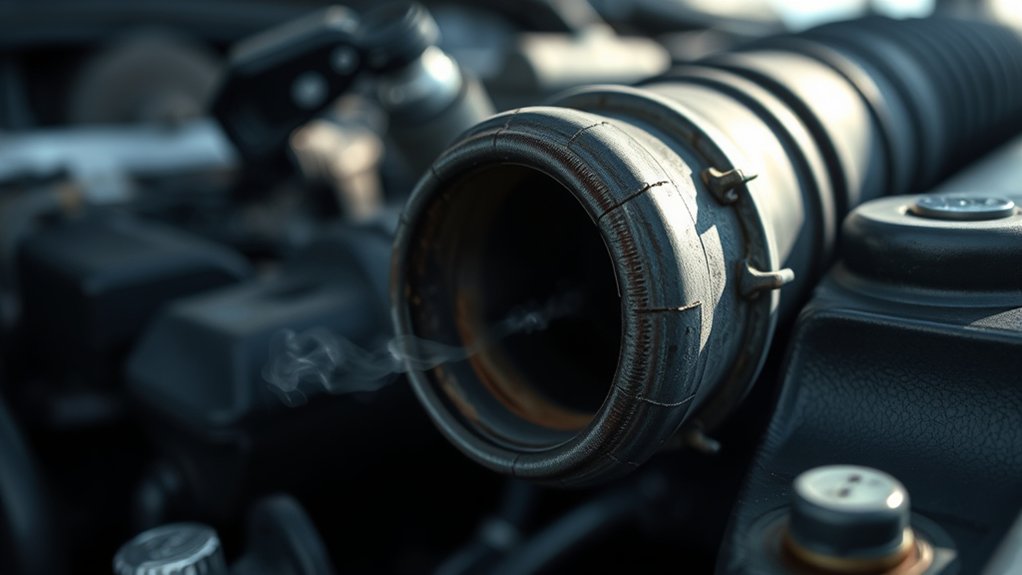
You’ll notice whistling noises from vacuum leaks often have a sharp, high-pitched tone that changes with engine speed. These sounds usually come from common spots like intake manifolds, vacuum hoses, or throttle bodies.
Using tools like a smoke machine or a mechanic’s stethoscope can help you pinpoint exactly where the leak is.
Characteristics of Whistling Sounds
When you hear a high-pitched whistling sound coming from your engine bay, it often signals a vacuum leak. This whistle usually varies with engine speed, growing louder as you rev higher. The tone is sharp and consistent, unlike random pops or hisses.
You might notice it most when the engine is idling or under light throttle. The sound often resembles air escaping through a narrow gap, creating that distinctive piercing noise. Unlike exhaust or belt noises, this whistle doesn’t fluctuate erratically and tends to maintain a steady pitch.
Common Leak Locations
Recognizing the distinct whistle of a vacuum leak is just the first step; locating where the leak is coming from makes all the difference in fixing it.
Common leak points often produce that signature sound, so you’ll want to check these areas closely.
| Location | Description | Typical Cause |
|---|---|---|
| Intake Manifold | Connects air to engine | Cracks or loose bolts |
| Vacuum Hoses | Flexible tubes for airflow | Cracks or disconnections |
| Throttle Body | Controls air intake | Worn gasket |
| Brake Booster | Assists braking system | Damaged diaphragm |
| PCV Valve | Regulates crankcase pressure | Faulty seal |
Tools for Detection
How can you pinpoint the exact source of that whistle indicating a vacuum leak? Start with a smoke machine or a smoke pencil. These tools release visible smoke that escapes through leaks, making them easy to spot.
You can also use a vacuum gauge to measure pressure changes; a sudden drop often hints at a leak. For a more hands-on approach, try a mechanic’s stethoscope or a length of hose to listen carefully along vacuum lines and connections.
If you’re working on a running engine, spraying soapy water can help—bubbles will form where air escapes. Combining these tools with your ears will help you identify and fix the whistling vacuum leak quickly and efficiently.
Where Do Vacuum Leaks Occur in Cars and Appliances?
Where exactly do vacuum leaks happen in cars and appliances? You’ll often find them in places where seals or connections weaken over time. Identifying these spots helps you pinpoint the source of that telltale hissing sound.
Here are three common areas to check:
- In Cars: Look around vacuum hoses, intake manifolds, and brake boosters. Cracks or loose fittings here cause leaks that affect engine performance.
- In Vacuum Cleaners: Inspect the hose, seals, and attachments. Tears or loose connections reduce suction power and create noise.
- In HVAC Systems: Check duct joints, seals, and blower housings. Gaps allow air to escape, causing unusual sounds and inefficiency.
How Vacuum Leak Size Changes the Sound You Hear
You’ll notice that the size of a vacuum leak changes the sound it makes. A small leak usually produces a high-pitched whistle, while a medium one sounds more like a steady hiss.
If the leak is large, you’ll hear a loud sucking noise that’s hard to miss.
Small Leak High-Pitched Whistle
A small vacuum leak often produces a distinct high-pitched whistle that you can easily notice if you listen closely. This whistle happens because the tiny gap forces air to rush through a narrow opening, creating a sharp sound. You might hear it more clearly when the engine is running at higher speeds or under load.
Here’s what you should keep in mind about this whistle:
- It’s usually consistent but subtle, so don’t dismiss faint sounds.
- The pitch can change slightly depending on engine RPM and pressure.
- Locating the exact spot requires careful listening around hoses and connections.
Medium Leak Hissing Noise
While a small vacuum leak creates a sharp whistle, a medium leak produces a different sound you should listen for—a steady hissing noise. This sound is less piercing but more continuous, like air quietly escaping through a narrow gap. You’ll notice it’s not as high-pitched as a small leak’s whistle, but it’s persistent and can blend with background noise if you’re not paying attention.
When you hear this hissing, it often indicates a moderate-sized gap or crack where air is slipping out steadily. Identifying this sound helps you pinpoint leaks that are more significant than tiny holes but aren’t large enough to cause loud sucking noises. Listen carefully around hoses, connections, and seals to catch this subtle yet telling hissing sound.
Large Leak Loud Sucking
If air escapes through a large vacuum leak, you’ll hear a loud sucking noise that’s hard to miss. This sound is much more intense than the subtle hissing of smaller leaks and signals that air is rushing in rapidly. Understanding how the size of the leak affects the noise can help you identify the problem faster.
Here’s what you should know about large vacuum leaks:
- The sucking sound is sharp and continuous due to the high volume of air entering the system.
- It often indicates a significant breach, which can severely impact the vacuum’s efficiency.
- The noise may be accompanied by a noticeable drop in vacuum pressure or suction power.
When you hear this loud sucking, it’s time to inspect and fix the leak immediately.
Why Vacuum Leaks Sound Louder When the Engine Is Idling
Because the engine runs at lower speeds when idling, vacuum leaks become more noticeable due to the reduced background noise and slower airflow. When your engine is idling, it produces less overall noise, so the distinct hissing or sucking sound from a vacuum leak stands out more clearly.
Additionally, the slower airflow means the leak’s sound isn’t masked by other engine sounds like combustion or exhaust noise. You’ll find that the leak’s pitch and intensity are easier to detect because the engine isn’t overwhelmed by higher RPM sounds.
This makes idling the ideal time to listen for vacuum leaks since you can better pinpoint their location and severity. Paying attention during idle helps you catch issues early before they worsen.
How to Tell Vacuum Leak Sounds From Other Engine Noises
You’ll notice vacuum leaks often produce a distinct whistling noise that’s different from usual engine sounds. Learning to recognize this sharp, consistent whistle helps you separate it from other engine noises like rattles or knocks.
Paying attention to these differences makes it easier to pinpoint a vacuum leak quickly.
Identifying Whistling Noises
Although many engine noises can sound similar, identifying a whistling noise caused by a vacuum leak requires careful attention to its distinct pitch and timing. You’ll notice the whistle often changes when you rev the engine, becoming louder or softer depending on RPM. It usually has a sharp, high-pitched tone that stands out from other engine sounds.
To pinpoint a vacuum leak whistle:
- Listen closely near the intake manifold or vacuum lines where leaks commonly occur.
- Observe if the whistling intensifies when the engine is under load or accelerating.
- Use a mechanic’s stethoscope or a length of hose to isolate the sound source precisely.
These steps help you confidently identify a vacuum leak whistle and avoid confusion with other noises.
Differentiating Engine Sounds
When you’re trying to diagnose engine noises, distinguishing a vacuum leak from other sounds is essential to avoid misdiagnosis. Vacuum leaks usually produce a consistent high-pitched hiss or whistle, especially when the engine is idling or under light load.
Other engine noises, like exhaust leaks or belt squeals, often vary with engine speed and load.
| Sound Type | Key Characteristics |
|---|---|
| Vacuum Leak | High-pitched hiss, steady at idle |
| Exhaust Leak | Rough, popping, changes with RPM |
| Belt Squeal | Squeaky, varies with acceleration |
| Fuel Injector | Clicking, rhythmic |
| Engine Knock | Metallic pinging, under load |
Listen closely to these traits to pinpoint vacuum leaks accurately.
How to Pinpoint the Location of a Vacuum Leak by Sound
If you listen carefully, you can often locate a vacuum leak by the distinct hissing or whistling sound it produces. To pinpoint the leak’s exact location, follow these steps closely:
- Isolate the sound – Turn off other noisy components like the radio or fans to hear the leak clearly.
- Move around the engine bay – Slowly walk around the engine while the vehicle is running, listening for where the hissing grows louder.
- Focus on suspect areas – Pay special attention to vacuum lines, intake manifold gaskets, and throttle body seals, as these spots commonly leak.
Tools to Amplify and Detect Vacuum Leak Sounds Easily
To detect vacuum leak sounds more effectively, you’ll want to use specialized tools that amplify faint hissing noises and help isolate their source. These tools make it easier to identify leaks without guesswork.
You can use simple devices like mechanic’s stethoscopes or more advanced ultrasonic leak detectors designed to pick up high-frequency sounds you can’t hear unaided.
| Tool | Purpose |
|---|---|
| Mechanic’s Stethoscope | Amplifies localized hissing sounds |
| Ultrasonic Leak Detector | Detects high-frequency leak noises |
| Vacuum Gauge | Measures pressure drops indicating leaks |
| Smoke Machine | Visualizes leaks by releasing smoke |
Using these tools helps you pinpoint leaks quickly and accurately, saving time and avoiding unnecessary repairs.
When to Call a Pro for Vacuum Leak Noises
Although some vacuum leak noises are easy to fix on your own, certain symptoms mean you should call a professional. If you notice persistent or worsening noises despite your efforts, it’s time to get expert help. Ignoring serious signs can lead to costly damage.
Some vacuum leak noises are fixable, but persistent or worsening sounds require professional attention to prevent costly damage.
Here are three clear signs you should call a pro:
- Unusual engine performance: Rough idling, stalling, or poor acceleration often indicate a significant vacuum leak.
- Complex location: If the leak is in a hard-to-reach area or inside the engine, professional tools and experience are necessary.
- Multiple symptoms: When you see vacuum leak noises combined with warning lights or strange smells, a technician’s diagnosis is essential.
Don’t hesitate to call a pro when these signs appear to avoid bigger problems.
How to Prevent Vacuum Leaks and Avoid Costly Repairs
Ignoring early signs of vacuum leaks can lead to expensive repairs down the line. To prevent this, regularly inspect hoses and connections for cracks or wear. Replace any damaged parts immediately to maintain a strong seal.
Keep your vacuum cleaner clean and free of debris, as blockages can increase pressure and stress seals. Avoid using harsh chemicals that might degrade rubber components. Store your vacuum in a dry, cool place to prevent material deterioration.
Tighten fittings and clamps periodically to assure everything stays secure. By staying proactive and addressing small issues early, you’ll not only prolong your vacuum’s life but also avoid costly repairs. Taking these simple steps keeps your vacuum running smoothly and quietly, saving you time and money in the long run.
Frequently Asked Questions
Can Vacuum Leaks Affect Fuel Efficiency?
Yes, vacuum leaks can hurt your fuel efficiency by causing your engine to run lean or rich. You’ll notice rough idling and increased fuel consumption, so fixing leaks helps your car run smoother and saves you money.
Do Vacuum Leaks Impact Vehicle Emissions?
A vacuum leak acts like a sneaky thief, stealing your car’s balance. Yes, it can increase vehicle emissions by disrupting the air-fuel mix, causing your engine to run inefficiently and polluting more than it should.
Are Vacuum Leaks Dangerous to Engine Health?
Yes, vacuum leaks can be dangerous to your engine’s health. They cause improper air-fuel mixtures, leading to rough idling, overheating, and potential damage over time.
Fixing leaks promptly helps keep your engine running smoothly.
How Long Can a Vacuum Leak Go Unnoticed?
You can have a vacuum leak go unnoticed for weeks or even months, depending on its size and location. Small leaks cause subtle symptoms, so you might not catch them until performance drops or warning lights appear.
Can Household Vacuum Cleaners Develop Similar Leaks?
Yes, your household vacuum cleaner can develop leaks over time. You’ll notice reduced suction or strange noises.
Regularly check hoses and seals to keep it working efficiently and avoid performance issues caused by leaks.
Conclusion
If you ignore that sneaky hissing or whistling from a vacuum leak, you might as well invite chaos into your engine or appliance! That tiny sound? It’s like a ticking time bomb for costly repairs.
But don’t sweat it—you can spot and fix leaks before they turn your ride or home into a disaster zone. Stay sharp, trust your ears, and keep those leaks from turning into wallet-busting nightmares!
Recognizing what a vacuum leak sounds like is key to preventing damage. By paying attention to the hissing or whistling noises, you can catch leaks early and save money on repairs. Don’t wait—addressing vacuum leaks promptly protects your engine and appliances from further harm.