Is the Vacuum Disc Phenomenon Dangerous and How to Identify It
The vacuum disc phenomenon is a condition where gas pockets form within the spinal disc space, often detected through spinal imaging. This phenomenon is usually associated with disc degeneration and can be identified on X-rays as dark, crescent-shaped spots or on MRI scans as areas with no signal.
You’re generally not in immediate danger if your imaging reveals this condition. It often doesn’t cause symptoms but may lead to some discomfort or stiffness in the back.
Understanding the causes, symptoms, and care options for the vacuum disc phenomenon can help you manage your spinal health effectively and reduce any related discomfort.
Key Takeaways
- The vacuum disc phenomenon indicates gas in the spinal disc space, usually due to degeneration or aging, and is often harmless.
- It appears as dark, crescent-shaped areas on X-rays or signal voids on MRI, helping differentiate it from other spinal issues.
- This phenomenon is typically not dangerous but may cause mild discomfort or stiffness in some individuals.
- Identification through imaging prevents misdiagnosis and unnecessary alarm about spinal health.
- Treatment focuses on symptom relief with pain management, physical therapy, and lifestyle modifications when needed.
What Is the Vacuum Disc Phenomenon in Spinal Imaging?

Although it might sound alarming, the vacuum disc phenomenon is simply a common finding in spinal imaging where gas, mainly nitrogen, collects within the intervertebral disc space. When you look at an X-ray or CT scan, this appears as a dark or radiolucent area inside the disc.
It’s important to know that this gas presence isn’t a sign of infection or a dangerous condition by itself. Instead, it often indicates some degree of disc degeneration or changes in the spine’s structure over time. You might not feel any symptoms related to it, and many people have it without realizing.
Recognizing this phenomenon helps you understand spinal health better but doesn’t necessarily mean you need treatment or should worry immediately.
How Does the Vacuum Disc Phenomenon Happen?
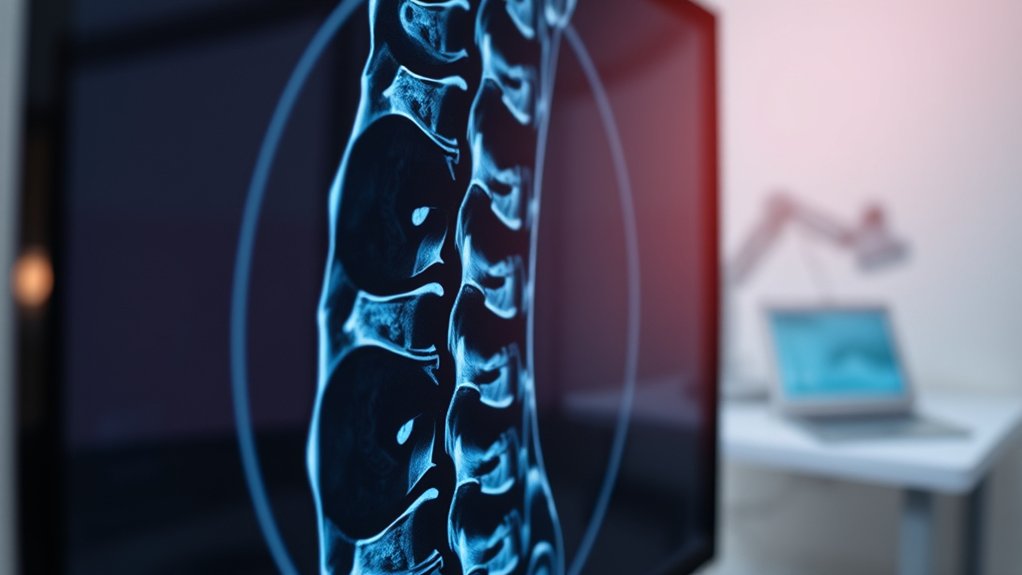
You might wonder what causes the vacuum disc phenomenon and how it forms. It happens when gas, mainly nitrogen, collects in small cracks or spaces within a spinal disc due to degeneration or injury.
Understanding this mechanism helps you recognize why these changes show up on imaging.
Causes Of Vacuum Disc
When your spinal discs lose water content due to aging or injury, they can create negative pressure inside the disc space. This negative pressure draws gases like nitrogen into the disc, forming the vacuum disc phenomenon. You might wonder why this happens and what causes it.
Here are the main causes that lead to this condition:
- Natural aging that dehydrates the discs
- Repetitive stress or trauma damaging the disc structure
- Degenerative disc diseases weakening the disc integrity
- Sudden injuries like falls or heavy lifting strains
- Chronic poor posture increasing pressure on spinal discs
Understanding these causes helps you recognize why the vacuum disc forms and emphasizes the importance of spinal health to prevent further issues.
Mechanism Behind Formation
The causes of vacuum disc set the stage for understanding how this phenomenon actually forms within your spine. When the soft, gel-like center of your spinal disc, called the nucleus pulposus, starts to break down due to aging or injury, tiny spaces develop inside the disc.
As these spaces expand, they create a negative pressure that pulls gases—mainly nitrogen—out of nearby tissues and into the disc. This gas accumulation appears as dark spots or lines on imaging scans, which is what doctors call the vacuum disc phenomenon.
It’s fundamentally a sign that your disc is degenerating and losing its normal hydration and cushioning ability. Recognizing this process helps you understand changes in your spine’s health and the importance of managing disc degeneration early.
Symptoms Associated With the Vacuum Disc Phenomenon
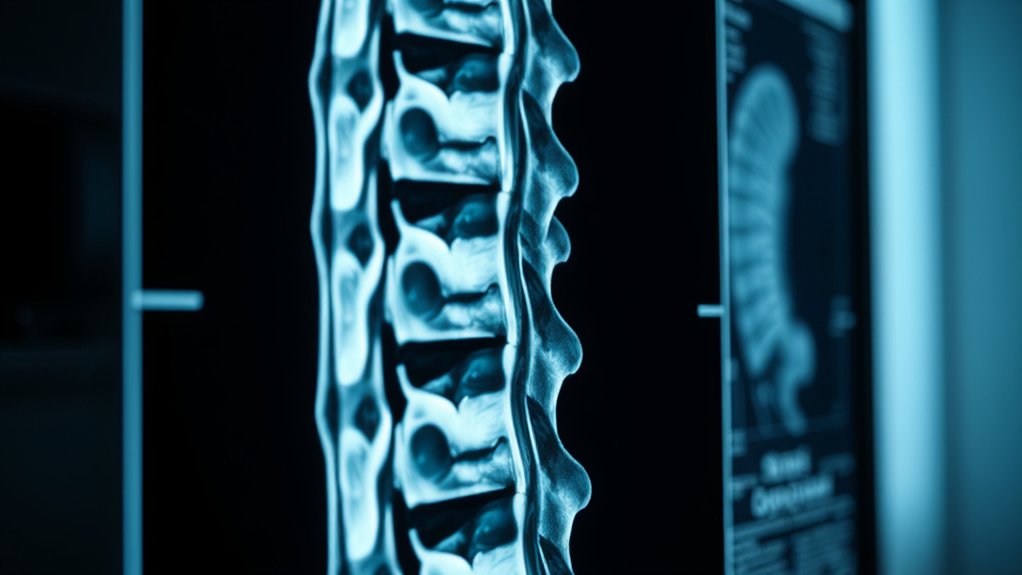
You might notice pain in common areas like your lower back or neck if the vacuum disc phenomenon is present. It can also affect your mobility and flexibility, making certain movements harder.
In some cases, you could experience neurological symptoms such as numbness or tingling.
Common Pain Locations
Although the vacuum disc phenomenon itself often remains painless, you might notice discomfort in specific areas if irritation or nerve involvement occurs. You could experience pain that feels sharp, aching, or radiating, depending on the affected nerves or surrounding tissues. Recognizing these common pain locations helps you understand when to seek medical advice.
Pain might show up in:
- Your lower back, causing persistent dull aches
- The neck area, with stiffness and soreness
- Radiating down your arms or legs, signaling nerve irritation
- Between shoulder blades, creating tightness
- Around the hips, affecting daily movement
If you spot these symptoms, don’t ignore them. Early attention can prevent worsening discomfort and guide appropriate treatment.
Mobility and Flexibility Impact
Noticing pain in certain areas can also affect how well you move and stretch. When the vacuum disc phenomenon is present, you might find your spine feeling stiff or less flexible. This can make simple actions like bending, twisting, or reaching more difficult and uncomfortable.
You may notice a reduced range of motion, especially in your lower back or neck, depending on where the affected discs are. This stiffness can interfere with daily activities and exercise routines, causing frustration. It’s important to recognize these changes early, so you can adjust your movements and seek appropriate care.
While the vacuum disc phenomenon itself isn’t always dangerous, its impact on your mobility can affect your quality of life if left unmanaged.
Neurological Symptoms Overview
How can the vacuum disc phenomenon affect your nervous system? While it mainly involves changes in your spinal discs, it can sometimes irritate nearby nerves, leading to noticeable neurological symptoms. You might experience discomfort that goes beyond typical back pain, signaling nerve involvement.
Watch out for signs like:
- Tingling or numbness in your arms or legs
- Sharp, shooting pain radiating down your limbs
- Muscle weakness affecting your grip or walking
- A burning sensation around the spine or extremities
- Difficulty coordinating movements or balance issues
If you notice any of these symptoms, don’t ignore them. They can indicate nerve compression or irritation linked to the vacuum disc phenomenon. Early detection and medical advice are key to preventing further complications.
Spotting the Vacuum Disc Phenomenon on X-Rays and MRIs
Where do you look when trying to spot the vacuum disc phenomenon on X-rays and MRIs? On X-rays, focus on the intervertebral disc spaces, where you’ll see radiolucent areas—dark spots indicating gas, usually nitrogen—within the disc. These dark spots are often crescent-shaped and appear sharply defined against the lighter bone and tissue.
On MRI scans, look for signal voids in the disc space on T2-weighted images, which reflect the presence of gas since it doesn’t produce a signal. The vacuum phenomenon is typically located in the nucleus pulposus region of the disc. Recognizing these imaging features helps you distinguish the vacuum disc phenomenon from other abnormalities.
Identifying it accurately is key to proper diagnosis and avoiding unnecessary alarm.
Vacuum Disc Phenomenon and Spinal Degeneration
Understanding how the vacuum disc phenomenon appears on imaging sets the stage for exploring its connection to spinal degeneration. When you see this sign, it often indicates that the disc has lost hydration and structural integrity, a hallmark of degeneration.
This can affect your spine’s flexibility and comfort over time.
You might feel concerned because spinal degeneration can lead to:
- Persistent back pain that disrupts daily life
- Reduced mobility and stiffness
- Increased risk of disc herniation
- Changes in posture causing discomfort
- Potential nerve irritation or compression
Recognizing the vacuum disc phenomenon helps you stay informed about your spinal health and encourages timely discussions with your healthcare provider before symptoms worsen.
Is the Vacuum Disc Phenomenon Harmful or Dangerous?
Is the vacuum disc phenomenon something you should worry about? Generally, it’s not directly harmful or dangerous on its own. It’s a sign that your spinal discs have undergone some degeneration, which can be part of the natural aging process.
However, this doesn’t always mean you’ll experience pain or serious issues. Many people with this phenomenon remain symptom-free.
That said, the vacuum disc phenomenon can indicate underlying spinal changes that might contribute to discomfort or reduced mobility over time. If you notice persistent back pain or stiffness, it’s important to pay attention and consult a healthcare professional.
Understanding this condition helps you stay informed, but it’s not something that typically causes immediate harm or requires urgent concern.
Treatment Options for Vacuum Disc Issues
Although the vacuum disc phenomenon itself isn’t usually dangerous, you might still need treatment if it causes pain or limits your movement. Addressing your symptoms early can make a big difference in your comfort and daily life.
The vacuum disc phenomenon is rarely harmful but may require treatment if it causes pain or limits movement.
Here are some treatment options you may consider:
- Over-the-counter pain relievers to ease discomfort
- Physical therapy to strengthen your back and improve flexibility
- Activity modification to avoid movements that trigger pain
- Use of heat or cold packs for temporary relief
- Consultation with a specialist for more advanced interventions if needed
Managing Back Pain With the Vacuum Disc Phenomenon
How can you effectively manage back pain linked to the vacuum disc phenomenon? Start by incorporating gentle exercises that strengthen your core and improve flexibility, which can relieve pressure on your spine. Avoid heavy lifting and sudden twisting motions to prevent aggravating your condition.
Applying heat or cold packs can reduce inflammation and ease discomfort. Over-the-counter pain relievers may help, but use them as directed and avoid long-term reliance. Maintaining good posture throughout the day also supports spinal health and reduces strain.
Most importantly, listen to your body—if certain activities increase pain, modify or stop them. By combining these strategies, you can better control your symptoms and maintain your daily activities comfortably while managing the vacuum disc phenomenon.
When to See a Doctor About Vacuum Disc Changes
When you notice persistent or worsening back pain despite self-care efforts, it’s important to consult a doctor about vacuum disc changes. Don’t ignore symptoms that interfere with your daily life or signal something more serious.
See a doctor if you experience:
See a doctor if your back pain includes sharp, radiating pain or numbness in your limbs.
- Sharp or shooting pain radiating to your legs
- Numbness, tingling, or weakness in your limbs
- Difficulty controlling bladder or bowel functions
- Pain that worsens at night or with rest
- Sudden loss of mobility or balance
Early diagnosis can prevent complications and guide effective treatment. Trust your instincts—if your back pain feels different or more intense than usual, seeking medical advice is crucial. Your health and comfort depend on timely care.
Frequently Asked Questions
Can the Vacuum Disc Phenomenon Affect Spinal Flexibility Over Time?
Yes, the vacuum disc phenomenon can reduce spinal flexibility over time because it indicates disc degeneration. You’ll likely notice stiffness or limited movement as the discs lose cushioning and elasticity, affecting your overall spinal mobility.
This loss of flexibility occurs gradually as the discs deteriorate, leading to decreased shock absorption. Over time, the spine may become less adaptable to bending and twisting motions. Consequently, everyday activities involving spinal movement might feel more restricted or uncomfortable.
Are There Specific Exercises to Prevent Vacuum Disc Formation?
You don’t need to do cartwheels to prevent vacuum discs—just regular exercises like gentle stretching, core strengthening, and proper posture work wonders.
Ironically, staying active beats turning your spine into a vacuum cleaner’s favorite spot.
Does Diet Influence the Development of the Vacuum Disc Phenomenon?
Diet doesn’t directly influence vacuum disc development, but you’ll benefit from eating nutrient-rich foods that support spinal health. Staying hydrated and maintaining a healthy weight can reduce stress on your discs, helping prevent potential issues.
Can Vacuum Discs Cause Nerve Damage if Untreated?
Imagine a garden hose kinked, blocking water flow—that’s how vacuum discs can pinch nerves. If untreated, they can cause nerve damage, leading to pain or weakness.
You should seek care early to prevent lasting harm.
Is the Vacuum Disc Phenomenon Hereditary or Linked to Genetics?
The vacuum disc phenomenon isn’t directly hereditary, but you might inherit spinal traits that increase your risk. While genetics play a role in disc health, lifestyle and injury history usually have a bigger impact on developing it.
Conclusion
Don’t let the vacuum disc phenomenon freak you out—it’s not the spine’s apocalypse, but a common sign of wear and tear. While it might cause some discomfort or signal degeneration, it’s usually manageable with the right treatment and care.
Keep an eye on your symptoms, stay active, and consult your doctor if pain worsens. Remember, your spine isn’t a ticking time bomb—it’s a resilient marvel you can protect! Understanding the vacuum disc phenomenon helps you take control of your spinal health and reduces unnecessary worry.