How to Understand the Tumbler Vacuum Insulated Process
To understand the tumbler vacuum insulated process, it’s essential to know how advanced insulation technology works to maintain beverage temperatures. This process uses two stainless steel walls separated by a vacuum, which effectively blocks heat transfer through conduction and convection.
Reflective coatings then bounce radiant heat back, keeping drinks hot or cold for extended periods.
Durable materials like stainless steel guarantee strength and safety, making these tumblers both reliable and long-lasting. This clever design not only prevents temperature changes but also stops condensation from forming on the outside.
If you want to learn how these features come together to keep your beverage just right, there’s much more to explore.
Key Takeaways
- Vacuum insulation in tumblers uses a vacuum space between two walls to block heat transfer via conduction and convection. Reflective coatings inside tumblers reduce heat loss by bouncing radiant heat back into the beverage. Durable stainless steel walls provide strength, corrosion resistance, and prevent flavor alteration in vacuum-insulated tumblers.
- Vacuum insulation outperforms foam and gel by minimizing air and moisture, enhancing temperature retention and durability. Manufacturing involves creating sealed double walls with vacuum space, adding reflective coatings, and fitting leak-proof lids for optimal insulation.
What Is Vacuum Insulation In Tumblers?
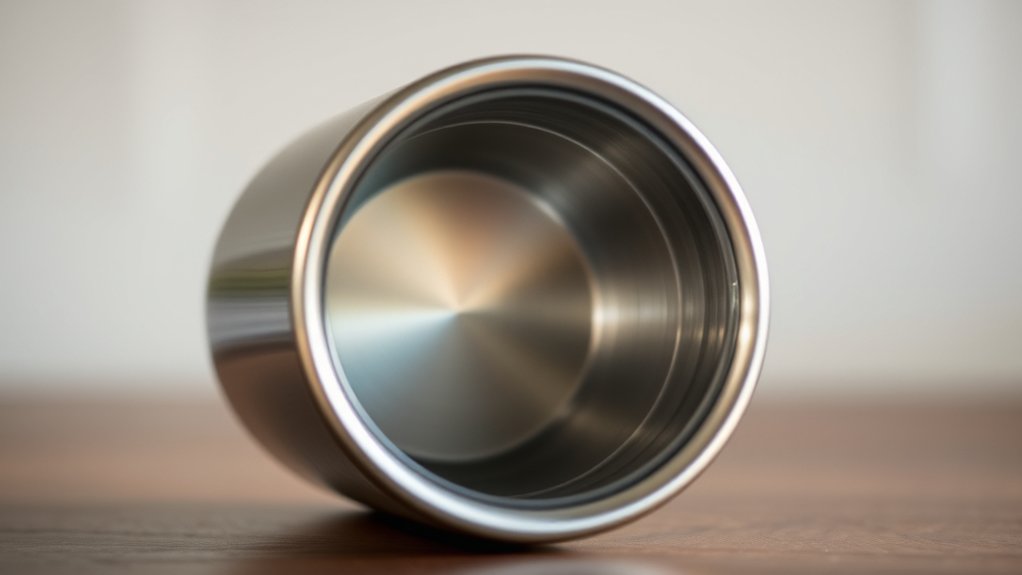
Although it might seem simple, vacuum insulation plays a crucial role in keeping your tumbler’s contents hot or cold for hours. You’re basically dealing with a design where two walls, usually made of stainless steel, are separated by a vacuum space. This vacuum means there’s little to no air between the walls, which stops heat transfer by conduction and convection.
Because heat can’t easily move through a vacuum, your drink stays closer to its original temperature longer. When you hold your tumbler, you don’t feel the temperature outside affecting the liquid inside. Understanding this basic setup helps you appreciate why vacuum insulation is more effective than regular containers.
It’s a clever way to maintain temperature without relying on bulky insulation materials.
How Vacuum Insulation Keeps Drinks Hot Or Cold
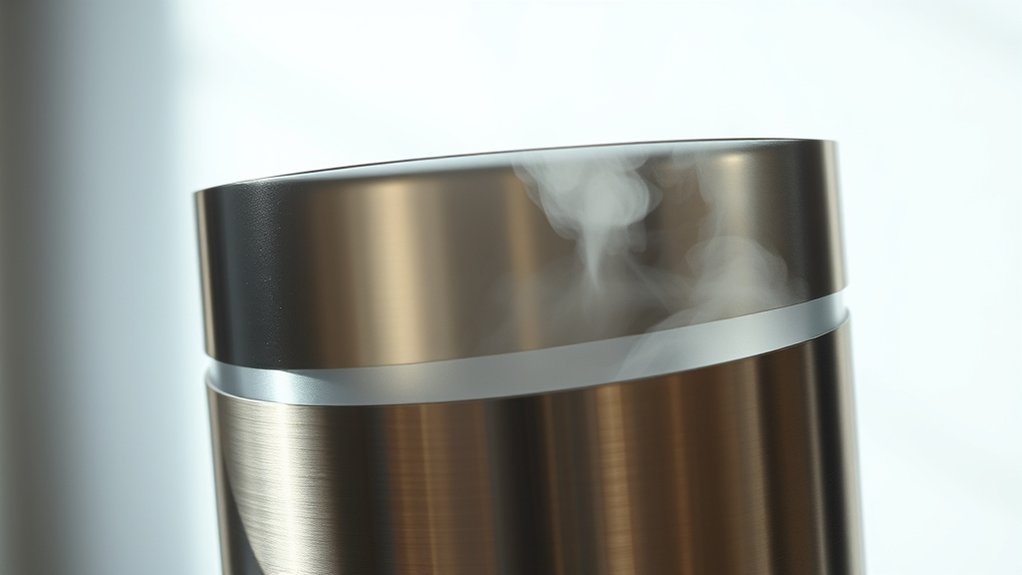
You’ll notice your drink stays hot or cold because vacuum insulation blocks heat transfer. Since there’s no air between the tumbler walls, it stops heat from moving in or out.
This airless barrier keeps your beverage at the perfect temperature for hours.
Heat Transfer Prevention
When you pour a hot coffee or a revitalizing iced tea into a vacuum-insulated tumbler, the design actively prevents heat from escaping or entering. The vacuum layer between the tumbler’s inner and outer walls eliminates air, which means there’s no medium for heat to transfer through conduction or convection. Without air, heat can’t easily move from your hot drink to the cooler outside environment, and cold drinks don’t warm up.
Additionally, reflective coatings inside the tumbler bounce radiant heat back into the liquid, further reducing heat loss. This combination ensures your drink stays at the temperature you want for hours. By preventing all three forms of heat transfer—conduction, convection, and radiation—the tumbler keeps your beverage perfectly hot or cold without extra effort on your part.
Airless Insulation Benefits
Because vacuum insulation removes air between the tumbler’s walls, it creates an almost perfect barrier against temperature changes. Without air, heat transfer via conduction and convection is drastically reduced, keeping your drink hot or cold much longer.
This airless design also prevents condensation outside the tumbler, so your hands stay dry. Plus, the vacuum layer adds durability, protecting your tumbler from dents and damage.
| Benefit | How It Works | Why It Matters |
|---|---|---|
| Temperature Control | Eliminates air conduction | Keeps drinks hot/cold |
| No Condensation | Prevents moisture buildup | Keeps tumbler dry |
| Durability | Adds shock resistance | Extends tumbler lifespan |
| Energy Efficient | Reduces heat loss | Saves energy in heating/cooling |
How Vacuum Insulated Double Walls Work
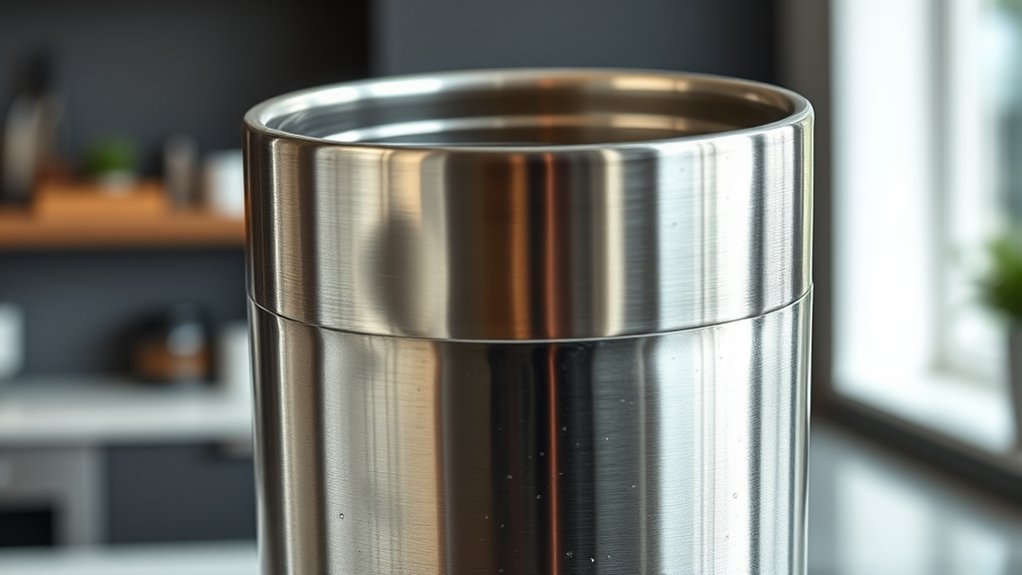
You’ll find that vacuum insulated double walls work by creating a space that blocks heat transfer between the inside and outside. This vacuum space prevents heat from moving through conduction or convection, keeping your drink at the right temperature longer.
Plus, the materials used add durability and improve insulation efficiency.
Heat Transfer Prevention
Although heat naturally moves from warmer to cooler areas, vacuum insulated double walls stop this transfer effectively by creating a near-airless space between the layers. This design minimizes heat conduction and convection, keeping your drink hot or cold longer.
The vacuum layer acts as a barrier, preventing heat flow via air molecules, while the reflective inner surfaces reduce heat radiation.
Here’s a quick overview of how heat transfer is prevented:
| Heat Transfer Type | Mechanism Blocked | Impact on Tumbler |
|---|---|---|
| Conduction | Lack of medium | Minimal heat flow |
| Convection | No air or liquid | Stops heat circulation |
| Radiation | Reflective surfaces | Reflects heat back |
This combination keeps your beverage’s temperature stable.
Vacuum Space Functionality
How does the vacuum space in insulated tumblers keep your drink at the perfect temperature? It works by creating an empty gap between two walls, removing almost all the air. Since air carries heat, eliminating it stops heat transfer through conduction and convection.
Without air molecules to move thermal energy, your hot coffee stays hot, and your iced tea stays cold longer. The vacuum acts as a barrier that prevents heat from escaping or entering. This design minimizes temperature changes inside the tumbler, so you enjoy your beverage exactly how you like it.
Material Benefits
Because vacuum insulated tumblers use double walls made from high-quality materials like stainless steel, they provide more than just temperature control—they also offer durability and resistance to corrosion. When you choose a tumbler with stainless steel walls, you’re getting a product that withstands daily wear, dents, and rust better than plastic or glass alternatives.
The double-wall design creates a sealed vacuum space that prevents heat transfer, keeping your drinks hot or cold longer. Plus, stainless steel is non-reactive, so it won’t affect the taste of your beverage or harbor bacteria. This means your tumbler stays cleaner and safer over time.
How Vacuum Insulation Reduces Heat Transfer
When you hold a vacuum insulated tumbler, you might not realize that its secret lies in the near absence of air between its walls. This vacuum space dramatically reduces heat transfer by eliminating conduction and convection—the two main ways heat moves through air. Without air molecules to carry heat, conduction slows to a crawl.
Likewise, convection currents can’t form, preventing heat from circulating inside the gap. Radiation is the only remaining heat transfer method, but vacuum tumblers often include reflective surfaces to minimize this as well. This combination keeps your drink hot or cold for much longer than a regular container.
Materials Used In Vacuum Insulated Tumblers
The effectiveness of a vacuum insulated tumbler depends not only on its design but also on the materials chosen for its construction. You’ll find that stainless steel is the most common material because it’s durable, corrosion-resistant, and doesn’t retain flavors.
The vacuum layer itself is typically formed between two walls of stainless steel or glass. Some tumblers use copper or aluminum coatings inside to improve heat reflection, further reducing heat transfer.
Here’s a quick look at materials used:
| Material | Purpose | Benefit |
|---|---|---|
| Stainless Steel | Outer and inner walls | Durable, non-reactive |
| Glass | Inner wall | Non-toxic, clean taste |
| Copper/Aluminum | Inner coating | Reflects heat efficiently |
Understanding these materials helps you choose a tumbler that keeps drinks hot or cold longer.
Comparing Vacuum Insulation To Other Drinkware Insulation Types
You’ll notice vacuum insulation keeps your drinks hotter or colder much longer than foam or gel insulation. Foam insulation traps air but can’t match the temperature retention of a vacuum seal.
Gel insulation offers some cooling benefits but falls short when it comes to maintaining heat or cold over time.
Vacuum Insulation Benefits
Although many drinkware options claim to keep your beverages hot or cold, vacuum insulation stands out by creating a nearly airless space that drastically reduces heat transfer. This means your drink stays hot or cold for hours longer than with traditional insulation.
You won’t have to worry about condensation or heat escaping, making it perfect for any environment.
Here’s a quick comparison to other insulation types:
| Insulation Type | Key Benefit |
|---|---|
| Vacuum Insulation | Superior temperature retention |
| Double-Walled Plastic | Lightweight, but less effective |
| Foam Insulation | Some heat retention, bulkier |
With vacuum insulation, you get better performance without added weight or size, making your tumbler more convenient and efficient.
Foam Insulation Differences
How does foam insulation compare to vacuum insulation when it comes to keeping your drink at the ideal temperature? Foam insulation relies on trapped air bubbles to slow heat transfer, but it usually doesn’t match the performance of vacuum insulation. Vacuum insulation removes air entirely, creating a near-perfect barrier to heat flow.
Here’s what you should know about foam insulation differences:
- Foam insulation is thicker, adding bulk to your drinkware.
- It provides decent thermal protection but less effective than vacuum.
- Foam can absorb moisture over time, reducing efficiency.
- It’s generally cheaper and easier to manufacture.
- Foam insulation often results in heavier drinkware.
If you want superior temperature retention without extra weight, vacuum insulation usually outperforms foam.
Gel Insulation Comparison
While foam insulation relies on trapped air and vacuum insulation eliminates air for better heat retention, gel insulation offers a different approach. It uses a gel substance that absorbs and slows heat transfer, providing moderate insulation. When choosing drinkware, understanding these differences helps you pick the best option for your needs.
| Insulation Type | Heat Retention | Durability |
|---|---|---|
| Vacuum Insulation | Excellent (up to 24h) | High (stainless steel) |
| Foam Insulation | Moderate (few hours) | Moderate (can degrade) |
| Gel Insulation | Moderate (few hours) | Low to Moderate |
Gel insulation warms or cools slower than vacuum but can be less durable, making vacuum insulation superior for long-term use.
How Vacuum Insulated Tumblers Are Made
When you take a closer look at vacuum insulated tumblers, you’ll see they rely on a carefully engineered double-wall design. This design creates a vacuum space that minimizes heat transfer, keeping your drink hot or cold for hours. The manufacturing process involves:
- Forming two stainless steel walls, one inside the other
- Removing air between the walls to create a vacuum seal
- Sealing the edges tightly to maintain insulation
- Adding a durable outer finish for grip and protection
- Installing a lid designed to lock in temperature and prevent spills
Each step ensures your tumbler performs efficiently. Understanding this process helps you appreciate the precision behind the insulation technology that keeps your beverages at the perfect temperature.
What To Look For In A Quality Vacuum Insulated Tumbler
Although many tumblers look similar, choosing a quality vacuum insulated tumbler means paying attention to key features like durable materials, effective sealing, and reliable insulation performance. You want a tumbler made from high-grade stainless steel that resists rust and dents. Check the lid’s seal—silicone gaskets work best to prevent leaks and keep your drink secure.
The vacuum insulation should maintain temperature for hours, so look for double-walled construction with a strong vacuum layer. Also, consider the tumbler’s weight and finish; a lightweight design with a non-slip exterior improves comfort and grip. Avoid tumblers with plastic interiors or flimsy lids, as they compromise insulation and durability.
How To Choose The Right Vacuum Insulated Tumbler For You
Since your needs and lifestyle vary, choosing the right vacuum insulated tumbler means considering how you’ll use it daily. Think about where you’ll take it and what drinks you prefer to keep at the right temperature. Also, size and ease of cleaning matter.
Here’s what to focus on:
- Capacity: Choose a size that fits your typical beverage amount.
- Portability: Consider if you need a lightweight or travel-friendly design.
- Lid type: Look for spill-proof or easy-sip lids based on your routine.
- Material: Stainless steel is durable and non-toxic.
- Insulation performance: Check how long it keeps drinks hot or cold.
How To Care For Your Vacuum Insulated Tumbler
Proper care keeps your vacuum insulated tumbler performing at its best and extends its lifespan. Always hand wash your tumbler with warm, soapy water instead of using a dishwasher, which can damage the insulation. Avoid using abrasive scrubbers to prevent scratches.
Let the tumbler air dry thoroughly to prevent moisture buildup and odors. Store it with the lid off to maintain freshness.
| Care Tip | Why It Matters |
|---|---|
| Hand wash only | Protects insulation and seals |
| Avoid abrasive tools | Prevents surface scratches |
| Air dry thoroughly | Stops mold and odors |
| Store with lid off | Ensures ventilation and freshness |
Following these simple steps will keep your tumbler clean and functioning efficiently.
Troubleshooting Common Issues With Vacuum Insulated Tumblers
Taking good care of your vacuum insulated tumbler can prevent many issues, but sometimes problems still arise. When your tumbler isn’t performing as expected, it’s usually fixable with simple troubleshooting. Here are common issues you might face and how to address them:
- Loss of insulation: Check for dents or cracks; these can break the vacuum seal.
- Lid leaks: Inspect the silicone seal and clean it regularly to ensure a tight fit.
- Unpleasant odors: Deep clean with baking soda or vinegar to remove trapped smells.
- Difficulty opening the lid: Warm water can help loosen tight lids.
- Condensation on the outside: This often means the vacuum seal is compromised.
Frequently Asked Questions
Can Vacuum Insulated Tumblers Be Used for Carbonated Beverages?
Yes, you can use vacuum insulated tumblers for carbonated beverages, but be careful. The pressure buildup might cause leaks or spills, so make sure the lid is secure and don’t shake it to keep carbonation intact.
Are Vacuum Insulated Tumblers Safe for Dishwasher Use?
Dishwasher use for vacuum insulated tumblers is like riding a bike without training wheels—it depends on the brand. You should check the label because some can handle it, but others might lose their insulation or finish.
How Long Do Vacuum Insulated Tumblers Typically Last?
You can expect vacuum insulated tumblers to last around 3 to 5 years with regular use. Taking care of them by avoiding drops and handwashing will help you extend their lifespan even further.
Proper maintenance plays a key role in preserving their insulation quality. Avoid using abrasive cleaners or scrubbing pads. These can damage the tumbler’s surface and reduce effectiveness.
Storing them with the lid off when not in use prevents moisture buildup. This simple step helps keep your tumbler fresh and ready for use. With good care, your vacuum insulated tumbler can serve you well for many years.
Can Vacuum Insulated Tumblers Be Personalized or Customized?
You know what they say, “Variety is the spice of life.” Yes, you can personalize vacuum insulated tumblers with engravings, colors, and designs, making your tumbler uniquely yours or perfect for gifting someone special.
Do Vacuum Insulated Tumblers Retain Flavors From Previous Drinks?
Yes, vacuum insulated tumblers can sometimes retain flavors, especially if you don’t clean them thoroughly after each use.
To avoid this, rinse and wash your tumbler promptly, preventing lingering tastes from previous drinks.
Conclusion
Now that you understand how vacuum insulation works in tumblers, you might wonder if it truly keeps drinks hot or cold for hours. The truth is, vacuum insulation markedly slows heat transfer by creating a nearly airless space between double walls, making your beverage last longer.
By choosing the right materials and caring for your tumbler properly, you’ll enjoy ideal temperature retention every time. This proves that vacuum insulated tumblers are not just clever designs but genuinely effective at maintaining your drink’s temperature.
In conclusion, understanding the tumbler vacuum insulated process helps you appreciate how this technology enhances thermal performance and ensures long-lasting beverage temperature control.