How Many Decibels Does a Vacuum Cleaner Produce?
Vacuum cleaners usually produce noise between 60 and 85 decibels, which can affect comfort during use. The decibel level depends on the type and model of vacuum cleaner you choose. Understanding how many decibels a vacuum cleaner produces helps in selecting quieter options for your home.
Upright vacuums tend to be louder, around 70-85 dB, while canister models are quieter, ranging from 60-75 dB. Robot vacuums are among the quietest options at 55-65 dB.
Motor power and design also impact noise levels, with louder vacuums possibly causing discomfort. Keep exploring to find out how noise affects comfort and ways to minimize it.
Key Takeaways
- Vacuum cleaners typically produce noise levels ranging from 60 to 85 decibels depending on type and model.
- Upright vacuums are louder, operating between 70 and 85 decibels due to powerful motors.
- Canister vacuums are quieter, usually producing 60 to 75 decibels with separated motor units.
- Robot vacuums are among the quietest, with noise levels between 55 and 65 decibels.
- Bagless and stick vacuums vary, but generally produce less noise than traditional uprights.
How Loud Are Vacuum Cleaners?
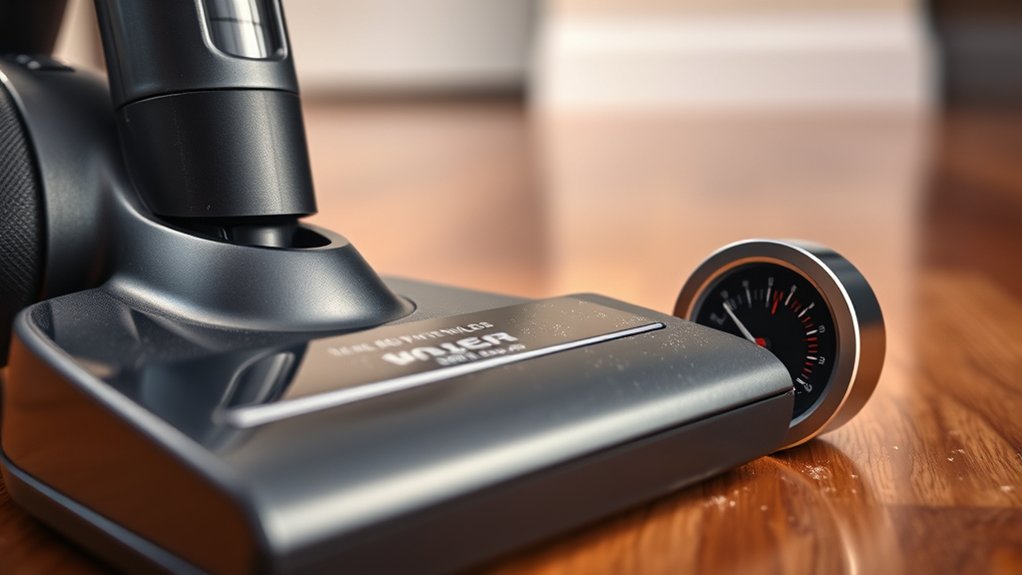
How loud are vacuum cleaners, really? When you turn one on, you might notice it sounds pretty loud, typically ranging between 60 to 85 decibels. That’s roughly as loud as heavy traffic or a noisy restaurant.
The exact noise level depends on the model, motor power, and design. Bagless vacuums often produce more noise due to airflow, while canister types can be quieter. You’ll also find that older models tend to be louder than newer, more efficient ones.
Some vacuums come with noise-reducing features, helping keep the sound down. So, when you pick a vacuum, keep in mind that the loudness varies, but it usually falls within a moderate to high noise range that you’ll definitely hear while cleaning.
How Vacuum Decibel Levels Affect Hearing and Comfort
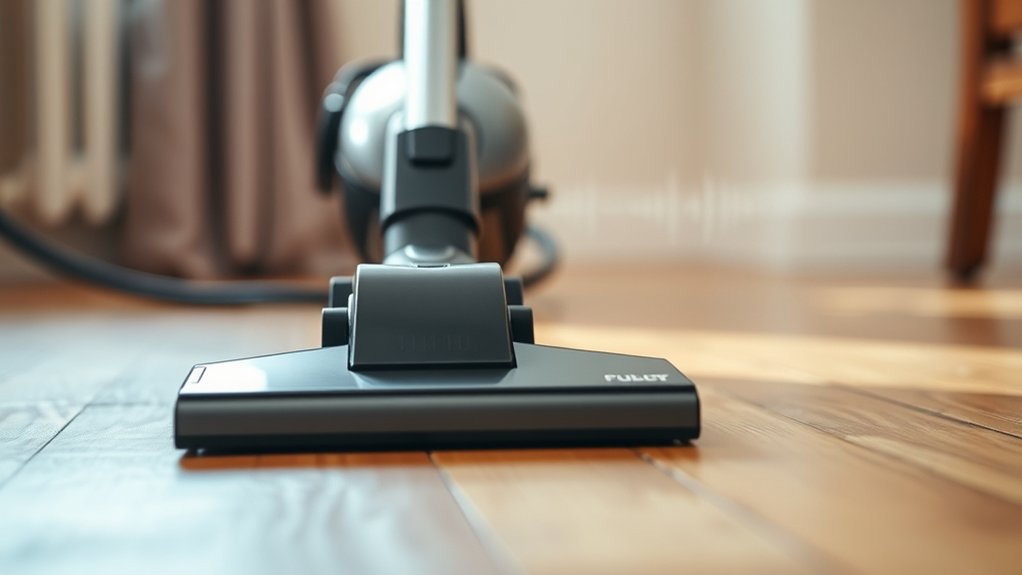
Because vacuum cleaners often operate between 60 and 85 decibels, you might notice how their noise can strain your ears or make cleaning uncomfortable. Prolonged exposure to sounds above 70 decibels can lead to temporary hearing discomfort or fatigue. If you use your vacuum regularly, those louder levels may cause headaches or irritability.
You might find yourself raising your voice to communicate or needing breaks to escape the noise. Using ear protection or choosing quieter models can help protect your hearing and improve comfort. Remember, even short bursts of loud noise can impact your ears, so being mindful of vacuum noise levels helps maintain your auditory health and makes cleaning a more pleasant experience.
Your comfort matters, so don’t ignore how vacuum sound affects you.
Key Factors That Affect Vacuum Cleaner Noise Levels
You’ll notice that a vacuum’s motor power plays a big role in how loud it gets. The design and insulation also matter a lot, as they help control noise levels. Understanding these factors can help you pick a quieter model.
Motor Power Impact
What role does motor power play in the noise levels of vacuum cleaners? When you choose a vacuum with a more powerful motor, you’re likely to experience louder noise. That’s because stronger motors generate higher airflow and suction, which naturally produce more sound.
However, higher motor power doesn’t always mean unbearable noise; it depends on how efficiently the motor operates. If the motor runs at a higher RPM (revolutions per minute), it tends to make more noise due to faster moving parts. Conversely, lower-powered motors usually run quieter but might sacrifice cleaning effectiveness.
Design and Insulation
Although motor power plays a big role in vacuum noise, the design and insulation considerably shape how loud your vacuum actually sounds. Manufacturers use soundproofing materials like foam or rubber inside the vacuum’s casing to absorb noise and reduce vibrations. You’ll notice that vacuums with better insulation produce a quieter, more pleasant sound.
The shape and materials of the vacuum’s housing also influence noise levels—smooth, sealed surfaces prevent sound from escaping, while open vents or rigid plastic can amplify it. When choosing a vacuum, pay attention to models that emphasize noise reduction through design improvements. These features won’t just protect your ears but also make cleaning less disruptive for your household.
Comparing Noise Levels: Upright vs. Canister vs. Robot Vacuums
When choosing between upright, canister, and robot vacuums, understanding their noise levels can make a big difference. You’ll notice that upright vacuums tend to be louder, while canisters usually offer quieter operation. Robot vacuums often have the lowest decibel ratings, making them ideal if you want a more peaceful clean.
Upright Vacuum Noise Levels
Since you want a powerful cleaner for deep carpet cleaning, upright vacuums often come with louder noise levels compared to canister and robot vacuums. You’ll find their decibel range typically falls between 70 and 85 dB, which can be quite noticeable. This noise results from the strong motor and brush roll working hard on carpets.
If noise is a concern, you might want to think about when you’ll be vacuuming or use ear protection. Here’s a quick comparison to help you understand:
| Vacuum Type | Typical Noise Level (dB) | Best For |
|---|---|---|
| Upright | 70 – 85 | Deep carpet cleaning |
| Canister | 60 – 75 | Versatility & quieter |
| Robot | 55 – 65 | Quiet, automated use |
Upright vacuums prioritize power over quiet operation.
Canister Vacuum Sound Comparison
Upright vacuums tend to be louder because of their powerful motors, but if noise matters to you, canister vacuums offer a quieter alternative without sacrificing much cleaning ability. Canister models generally operate between 60 to 75 decibels, making them noticeably less noisy than many upright vacuums, which often exceed 75 decibels.
This quieter operation comes from separating the motor unit from the cleaning head, reducing direct noise at the point of contact. When you use a canister vacuum, you’ll appreciate how it muffles sound, especially on hard floors and low-pile carpets. While they still produce some noise, canister vacuums strike a good balance between effective cleaning and a more comfortable sound level, perfect for those sensitive to loud household appliances.
Robot Vacuum Decibel Ratings
Robot vacuums typically operate between 55 to 70 decibels, making them some of the quietest options available. If you’re comparing noise levels, robot vacuums are generally quieter than upright models, which often reach 70 to 80 decibels. Canister vacuums usually fall in between, averaging around 65 to 75 decibels.
Because robot vacuums run at lower decibel levels, they’re less disruptive, allowing you to clean without disturbing conversations or TV shows. However, their smaller motors mean they might not pick up dirt as aggressively as uprights or canisters. If noise is a top concern, choosing a robot vacuum can be a smart move.
Just remember to check the specific decibel rating, as it varies by brand and model.
Which Vacuum Decibel Levels Are Safe for Kids and Pets?
When choosing a vacuum cleaner for your home, you’ll want to take into account the noise level to keep kids and pets comfortable and safe. Generally, vacuum cleaners producing noise below 70 decibels are considered safer for sensitive ears. Kids and pets can get startled or stressed by louder vacuums, especially those above 75 decibels.
If you have a newborn or small pets, aiming for models around 60-65 decibels helps minimize disturbance. Also, quieter vacuums reduce the risk of hearing discomfort during prolonged use. Look for vacuums labeled as “quiet” or check decibel ratings before purchasing.
When Vacuum Noise Becomes a Health or Comfort Issue
Although vacuum cleaners are essential for maintaining a clean home, their noise can sometimes cause health or comfort problems. When the decibel level gets too high, it can lead to headaches, stress, or even hearing damage, especially if you use the vacuum frequently or for long periods.
You might also find the noise disruptive if you have young children, pets, or neighbors close by. Here are four signs vacuum noise becomes an issue:
- You experience ringing in your ears after cleaning.
- Family members complain about discomfort or anxiety during vacuuming.
- Pets hide or behave nervously when you start the vacuum.
- You avoid vacuuming during certain hours to prevent disturbing others.
Recognizing these signs can help you manage vacuum noise better.
Best Quiet Vacuum Cleaners by Decibel Rating
If you want to keep your home clean without the noise, selecting a vacuum cleaner with a low decibel rating is key. Models like the Miele Complete C3 and the Dyson V11 operate around 60-65 decibels, making them some of the quietest options available.
You’ll find that stick vacuums generally produce less noise than traditional upright models, with brands like Shark and Bissell offering quieter alternatives in the 65-70 decibel range. Additionally, robot vacuums such as the iRobot Roomba 960 usually run between 60-67 decibels, allowing you to clean without disruption.
When shopping, look for vacuums specifically labeled with their decibel ratings to assure a quieter experience that fits your lifestyle and noise preferences.
Simple Ways to Reduce Vacuum Decibel Levels at Home
Reducing the noise your vacuum makes doesn’t require buying a new machine. You can easily lower decibel levels with a few simple adjustments at home. First, keep your vacuum well-maintained—clean filters and empty dust bins prevent strain and excess noise.
Second, check for loose parts or worn belts and replace them promptly. Third, use your vacuum on carpets rather than hard floors when possible; carpets absorb sound better. Finally, add a rug or mat under the vacuum’s storage area to dampen vibrations when it’s running.
These straightforward steps help you enjoy quieter cleaning sessions without extra expense or hassle, making your home more peaceful during vacuuming. Try these tips today and notice the difference in noise levels immediately.
How to Measure Your Vacuum Cleaner’s Noise Level
When you want to understand how loud your vacuum cleaner really is, measuring its noise level is the best place to start. Grab a sound level meter or download a reliable decibel meter app on your smartphone. Make certain to test in a quiet room to avoid background noise interference.
Turn on your vacuum and hold the meter about three feet away, at ear level, to get an accurate reading. Record the decibel level displayed while the vacuum is running at normal power. Repeat the measurement a few times to ensure consistency.
This simple process helps you know exactly how much noise your vacuum produces, allowing you to compare models or assess if your vacuum’s noise is within a comfortable range.
Frequently Asked Questions
What Is the Average Lifespan of a Vacuum Cleaner Motor?
You can expect your vacuum cleaner motor to last about 5 to 10 years with proper care. Regular maintenance, like cleaning filters and avoiding overheating, helps you extend its lifespan and keep it running efficiently.
Taking simple steps to prevent damage can make a significant difference. For instance, avoid vacuuming up large debris that could strain the motor.
Also, ensure the vacuum is not running when it is clogged or overheated. These practices help maintain optimal performance and durability.
How Often Should Vacuum Filters Be Replaced?
You should replace vacuum filters every 3 to 6 months, depending on usage. If you vacuum frequently or have pets, check filters monthly and swap them out sooner to maintain strong suction and clean air output.
Do Vacuum Cleaners Use More Electricity at Higher Speeds?
Yes, you’ll notice vacuum cleaners consume considerably more electricity at higher speeds. When you ramp up the power, the motor works harder, drawing more energy.
Can Vacuum Cleaners Cause Allergies or Asthma?
Yes, vacuum cleaners can trigger allergies or asthma if they release dust or allergens. You should use a vacuum with a HEPA filter and clean it regularly to minimize airborne irritants and protect your respiratory health.
What Are the Environmental Impacts of Vacuum Cleaner Disposal?
When you dispose of vacuum cleaners improperly, you risk releasing harmful chemicals and non-biodegradable materials into the environment. Recycling parts helps reduce landfill waste and conserves resources, so always recycle or donate your old vacuum responsibly.
Conclusion
You might think vacuum noise is just a minor annoyance, but it can feel like a roaring jet engine blasting through your home! Don’t let that relentless decibel assault wreck your peace or harm your family’s hearing.
By choosing quieter models and using simple tricks to reduce noise, you can turn that chaos into calm. So, take charge now—your ears (and sanity) will thank you for it! Understanding how many decibels does a vacuum cleaner produce can help you make smarter choices for a quieter home environment.