Can You Vacuum Pack Bread?
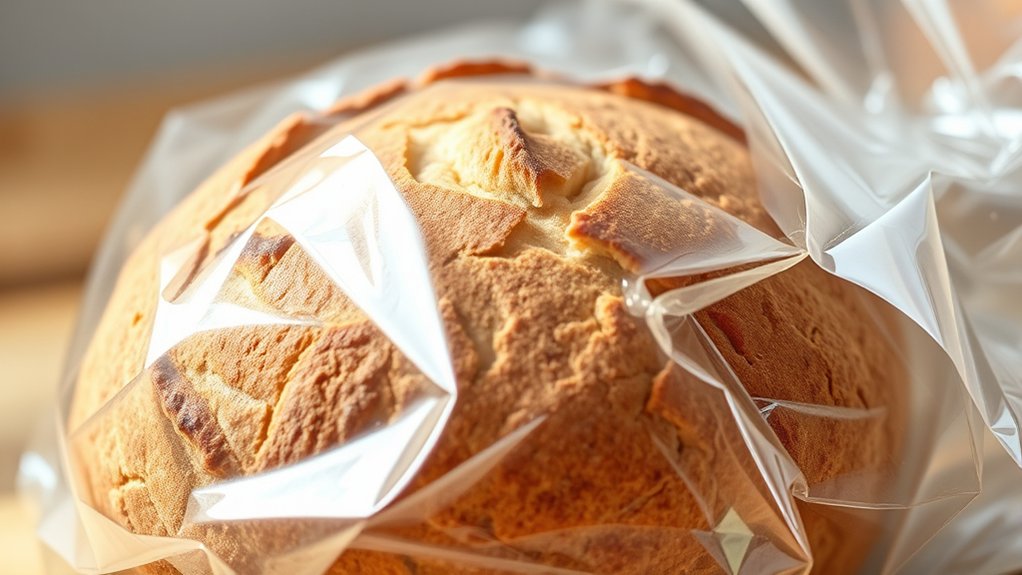
You can vacuum pack bread to extend its freshness and preserve its quality, making it a useful method for bread storage. Vacuum packing bread helps reduce exposure to air, which slows down mold growth and staling.
However, maintaining the bread’s texture and avoiding spoilage requires careful handling.
It works best with sturdier, sliced breads and is often combined with freezing to lock in moisture. Avoid packing warm bread or delicate crusts, as these can become soggy or crushed when vacuum sealed.
While vacuum sealing slows mold growth, it does not stop it entirely, so proper handling and storage remain essential.
Keep exploring to find out how to preserve your bread perfectly and enjoy longer-lasting freshness with vacuum packing.
Key Takeaways
- Vacuum packing bread preserves moisture and extends shelf life but can soften or soggify the crust.
- Soft and sturdier breads like sandwich loaves and sourdough handle vacuum packing better than crispy crust breads.
- Freezing bread before vacuum sealing helps maintain texture and prevents mold growth.
- Use gentle vacuum settings and protective barriers to avoid crushing and maintain bread shape.
- Vacuum packing slows spoilage but does not fully prevent mold or staling; regular inspection is necessary.
How Does Vacuum Packing Affect Bread Texture and Freshness?

Although vacuum packing can extend bread’s shelf life by reducing exposure to air, it also affects the bread’s texture in noticeable ways. When you vacuum pack bread, you remove air that normally keeps the crust crisp. As a result, you’ll find the crust becomes softer and less appealing over time.
The soft crumb inside, however, stays moist longer, which can be a plus if you prefer softer bread. Keep in mind, though, that vacuum packing can sometimes cause the bread to become slightly compressed, altering its original fluffiness. Also, without air circulation, the bread might develop a denser texture.
Which Types of Bread Are Best for Vacuum Packing?
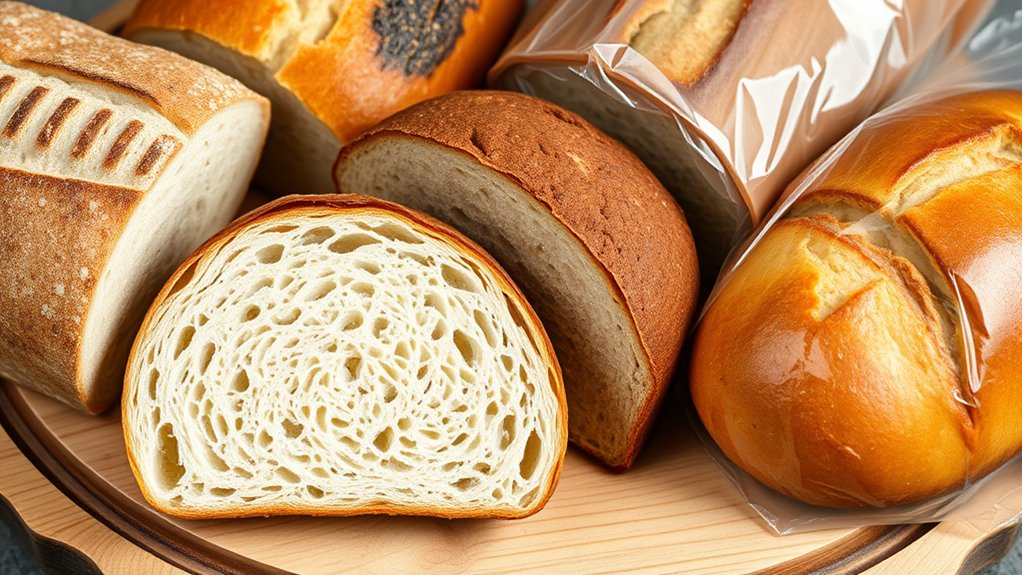
When choosing bread to vacuum pack, you’ll want to contemplate how soft or crusty it is, since texture affects storage. Sliced bread often seals better and saves time when you need a quick snack.
Artisan breads, however, need a bit more care to keep their quality intact during vacuum sealing.
Soft vs. Crusty Bread
If you want to keep your bread fresh for longer, understanding the difference between soft and crusty bread is key. Soft breads, like sandwich loaves or brioche, respond well to vacuum packing because their tender texture stays moist and fresh without getting crushed. Vacuum sealing removes air that causes staling, preserving softness effectively.
Crusty breads, such as baguettes or artisan loaves, are trickier. Vacuum packing can trap moisture, making the crust soggy and losing its signature crunch. If you vacuum seal crusty bread, consider freezing it immediately to lock in texture.
Sliced Bread Benefits
Since sliced bread already has exposed surfaces, vacuum packing it can considerably slow down staling by removing air and moisture that cause spoilage. You’ll find that softer breads like sandwich loaves, white bread, and whole wheat respond best to vacuum sealing because they retain their moisture and texture longer.
These breads are typically more perishable, so vacuum packing helps extend freshness without compromising softness. On the other hand, breads with a softer crumb but uniform texture are easier to seal without crushing. Avoid vacuum packing overly delicate slices as they might get compressed.
Artisan Bread Considerations
Though vacuum packing works well for many breads, artisan loaves need special attention due to their unique textures and crusts. You’ll want to avoid crushing their delicate crust while preserving freshness. Some artisan breads respond better to vacuum sealing than others, so knowing which work best is key.
| Bread Type | Vacuum Packing Suitability | Tips for Packing |
|---|---|---|
| Sourdough | High | Use gentle vacuum setting |
| Ciabatta | Medium | Pre-slice to avoid crushing |
| Baguette | Low | Freeze first, then vacuum pack |
| Focaccia | Medium | Wrap in parchment before packing |
Choose breads with sturdier crusts for best results when vacuum packing.
Why Freezing Bread Before Vacuum Sealing Matters
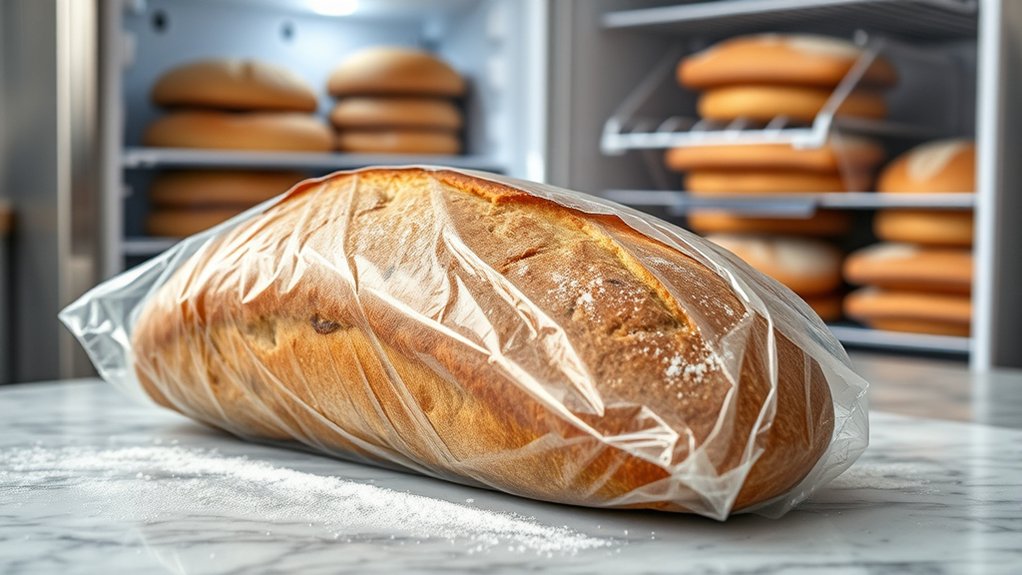
Freezing bread before vacuum sealing helps you keep its texture fresh and prevents mold from forming. It locks in moisture and slows down spoilage, so your bread lasts much longer. Taking this extra step guarantees you get the best quality every time you open the package.
Preserving Bread Texture
If you want to keep your bread’s soft texture intact, you should freeze it before vacuum sealing. When bread is fresh, it contains moisture that keeps it soft and fluffy. Vacuum sealing fresh, unfrozen bread can compress it, squashing the air pockets and making it dense or stale faster.
Freezing bread first locks in that moisture and structure. Once frozen, vacuum sealing removes air without crushing the bread’s delicate crumb. This process preserves the bread’s original texture, so when you thaw it, it feels almost as fresh as when you first bought it.
Skipping the freezing step risks ruining the texture, leading to a less enjoyable eating experience. So, always freeze before vacuum sealing to maintain your bread’s softness.
Preventing Mold Growth
Maintaining your bread’s softness is just one part of keeping it fresh—stopping mold growth is equally important. Freezing bread before vacuum sealing helps prevent mold by halting spore activity.
When you freeze bread first, you remove the moisture mold needs to thrive during storage. Vacuum sealing alone can trap moisture, which may encourage mold if bread isn’t frozen.
Here’s why freezing before sealing matters:
| Step | Purpose | Result |
|---|---|---|
| Freeze bread | Halt mold spore activity | Mold growth is inhibited |
| Vacuum seal frozen | Remove air, limit moisture | Creates an anaerobic environment |
| Store properly | Keep sealed and cold | Extends mold-free freshness |
Extending Shelf Life
Because bread can stale quickly when exposed to air, vacuum sealing it after freezing considerably slows down this process. When you freeze bread first, the cold temperature halts moisture loss and stales the bread less. Vacuum sealing then removes oxygen, which prevents freezer burn and further staleness.
This combo keeps your bread fresher longer than just freezing alone. If you vacuum seal without freezing, you risk trapping moisture that promotes mold and speeds spoilage. So, freezing stabilizes the bread’s texture and flavor before you vacuum seal, effectively extending its shelf life.
When you’re ready to enjoy it, just thaw sealed bread at room temperature to maintain freshness. By freezing before vacuum sealing, you preserve your bread’s quality and reduce waste.
How to Vacuum Pack Bread Without Crushing It
Although vacuum sealing bread can preserve its freshness, you’ll need to handle it carefully to avoid crushing the delicate texture. First, freeze the bread before vacuum packing to firm it up, making it less likely to compress under pressure. Use a vacuum sealer with adjustable settings and choose a gentle or low vacuum mode.
Place the bread in a vacuum bag, leaving enough space around it so the sealer doesn’t pull it too tightly. You can also insert a small piece of cardboard or a bread saver inside the bag to maintain shape during sealing. Finally, seal the bag slowly and check the pressure to prevent excessive compression.
This way, you keep your bread fresh without sacrificing its softness or structure.
Mistakes to Avoid When Vacuum Packing Bread
If you want your bread to stay fresh and intact, you need to avoid common vacuum packing mistakes that can ruin its texture and flavor. First, don’t vacuum seal warm or moist bread; trapping moisture invites mold growth. Always let your bread cool completely before packing.
Avoid crushing the bread by using a gentle vacuum setting or placing a protective barrier like parchment paper inside the bag. Don’t overfill the bag—leave enough space so the seal is secure without compressing the bread. Also, resist the urge to vacuum seal bread with a hard crust too tightly, as it can break the crust and affect the bread’s structure.
Finally, don’t use damaged or low-quality vacuum bags, as they can leak air and spoil your bread.
How Long Does Vacuum-Sealed Bread Stay Fresh?
You’ll find that vacuum-sealed bread typically stays fresh for about two to three weeks. However, factors like the type of bread and storage conditions can affect its shelf life.
Keep an eye out for signs of spoilage, such as mold or off smells, to know when it’s time to toss it.
Typical Freshness Duration
How long does vacuum-sealed bread actually stay fresh? Typically, vacuum sealing can extend bread’s freshness by about 1 to 2 weeks beyond its usual shelf life at room temperature. For example, if your bread normally lasts about 3 days before getting stale, vacuum sealing could keep it fresh for up to 10 days.
If you store vacuum-sealed bread in the refrigerator, it might stay fresh for 2 to 3 weeks. And if you freeze it after vacuum sealing, freshness can last for several months, often up to 6 months. Keep in mind, vacuum sealing slows down spoilage by removing air but doesn’t stop aging completely.
Factors Affecting Shelf Life
Because several factors influence the shelf life of vacuum-sealed bread, understanding them helps you maximize freshness. The type of bread matters—dense breads like rye last longer than airy white loaves. Moisture content plays a role; too much moisture can encourage mold, while too little may dry the bread out.
Storage temperature is essential—keeping vacuum-sealed bread in the fridge slows spoilage, but freezing extends it even further. The quality of the vacuum seal also affects how long freshness lasts; a weak seal lets air in, speeding up staleness. Finally, additives and preservatives in the bread impact shelf life, with more preservatives generally meaning longer freshness.
Signs of Spoilage
Understanding the factors that affect shelf life helps you predict when vacuum-sealed bread might start to spoil. Even when vacuum-sealed, bread won’t stay fresh forever. Watch for signs like mold spots, which often appear as green, white, or black fuzz.
If the bread develops an off smell or sour odor, that’s a clear indicator it’s gone bad. You might also notice changes in texture—if the bread feels excessively dry, crumbly, or unusually sticky, it’s time to toss it. Vacuum sealing slows spoilage but doesn’t stop it completely.
Typically, vacuum-sealed bread stays fresh for about one to two weeks at room temperature and up to a month in the fridge. Always check for these spoilage signs before consuming to avoid any health risks.
Does Vacuum Packing Help Prevent Mold on Bread?
Although vacuum packing removes air that mold spores need to grow, it doesn’t completely prevent mold from developing on bread. Mold spores can survive in low-oxygen environments, so vacuum sealing slows their growth but doesn’t eliminate the risk.
Vacuum sealing slows mold growth but doesn’t fully stop mold from developing on bread.
If your bread was already contaminated or stored in humid conditions, mold can still appear despite vacuum packing. You’ll want to guarantee your bread is fresh and dry before sealing to reduce mold chances.
Also, storing vacuum-packed bread in a cool, dry place helps curb mold growth. While vacuum packing extends freshness by limiting exposure to air, it’s not a foolproof mold shield.
Regularly check your bread for any signs of spoilage, and discard it if you spot mold forming.
Vacuum Packing or Traditional Bread Storage: What’s Best?
When deciding how to store your bread, you’ll want to weigh the benefits of vacuum packing against traditional methods. Vacuum packing removes air, which slows mold growth and stales less quickly, extending freshness. However, it can compress soft breads, slightly altering texture.
Traditional storage—like paper bags or bread boxes—allows some airflow, maintaining crust crispness but shortens shelf life due to exposure to moisture and mold spores. If you plan to eat bread within a few days, traditional methods work well. But if you want to store bread longer without freezing, vacuum packing offers better protection.
Ultimately, your choice depends on how soon you’ll consume the bread and whether you prioritize texture or longevity in storage.
Tips for Thawing Vacuum-Packed Bread Properly
Since vacuum-packed bread is sealed tightly to maintain freshness, you’ll want to thaw it carefully to preserve its texture and flavor. Here are three simple tips to help you get the best results:
- Thaw at room temperature – Remove the bread from the freezer and let it sit in its vacuum-sealed bag on the counter for a few hours. This prevents condensation from making the bread soggy.
- Avoid microwaving directly – If you’re in a hurry, gently warm the bread wrapped in a paper towel to keep moisture balanced.
- Slice after thawing – Wait until the bread is fully thawed before slicing to maintain its structure and avoid crumbling.
Following these steps guarantees your vacuum-packed bread tastes fresh and has a great texture every time.
Best Vacuum Sealing Machines and Bags for Bread
How do you choose the best vacuum sealing machine and bags for keeping your bread fresh? Start by looking for a machine with adjustable suction settings—bread is delicate, and too much suction can crush it. Compact, easy-to-clean models with user-friendly controls work best for everyday use.
Consider machines that offer gentle or pulse vacuum modes designed for soft items. When it comes to bags, go for BPA-free, food-grade plastic specifically made for vacuum sealing. Textured or embossed bags help maintain the vacuum seal without damaging the bread’s crust.
Also, pick bags sized to fit your bread portions to reduce excess air. Choosing the right combination guarantees your bread stays fresh longer without losing its original texture or flavor.
When Is Vacuum Packing Not the Right Choice for Bread?
Why might vacuum packing not always be the best option for your bread? While it extends freshness, there are times it can actually harm your loaf. Consider these situations:
- Freshly baked bread with a crispy crust: Vacuum sealing traps moisture, making crusts soggy and less enjoyable.
- Bread with mold or damage: Sealing won’t stop mold growth; it only hides the problem until it’s worse.
- Soft, delicate breads: The pressure can crush or deform airy breads like brioche or baguettes, ruining texture.
In these cases, you might want to opt for alternative storage methods to keep your bread tasty and intact. Vacuum packing isn’t a one-size-fits-all solution, so assess your bread type and condition before sealing.
How Vacuum Sealing Compares to Other Bread Preservation Methods
What makes vacuum sealing stand out from other methods of preserving bread? Unlike simply wrapping bread in plastic or storing it in a breadbox, vacuum sealing removes air, which slows down mold growth and staling.
Freezing bread is effective too, but vacuum sealing before freezing prevents freezer burn and keeps the texture fresher longer. Refrigeration can extend shelf life but often dries bread out faster.
You’ll find vacuum sealing especially helpful if you want to store bread for weeks or share it in portions later. It’s more efficient than just using plastic bags or foil because it creates an airtight environment.
While some methods work for short-term storage, vacuum sealing offers a superior balance of freshness, moisture retention, and mold prevention, making it a smart choice for preserving bread.
Frequently Asked Questions
Can Vacuum Packing Bread Affect Its Nutritional Value?
Vacuum packing bread won’t substantially affect its nutritional value. You’ll preserve most nutrients since it reduces exposure to air and moisture, slowing spoilage.
Just be careful with storage time to maintain freshness and quality.
Is Vacuum-Packed Bread Safe for People With Gluten Allergies?
You can safely eat vacuum-packed bread if you have a gluten allergy, but only if it’s labeled gluten-free. Vacuum packing doesn’t remove gluten, so always check ingredients to avoid any allergic reactions or contamination.
How Does Vacuum Packing Impact the Flavor of Artisan Bread?
Like a knight sealing a scroll, vacuum packing locks in artisan bread’s flavor but can mute its crust’s crispness.
You’ll still taste freshness, though the texture may lose that just-baked crunch you love.
Can You Vacuum Pack Bread With Seeds or Nuts Inside?
Yes, you can vacuum pack bread with seeds or nuts inside. Just make sure to seal it carefully to avoid crushing the ingredients.
Vacuum packing helps keep it fresh longer without compromising texture or taste.
Does Vacuum Packing Bread Reduce Food Waste Significantly?
Yes, vacuum packing bread can notably reduce food waste by slowing mold growth and staling. You’ll keep bread fresher longer, minimizing the chance you’ll toss it out before finishing it.
Conclusion
You can vacuum pack bread, but it’s not a one-size-fits-all fix. While vacuum sealing can extend freshness by reducing air exposure, it might squeeze softer breads, affecting texture unless frozen first.
Curiously, vacuum packing doesn’t stop staling entirely—it slows moisture loss but doesn’t halt the chemical changes causing firmness.
So, use vacuum sealing wisely, combining it with freezing and careful handling, to keep your bread tasting fresh longer without compromising its quality. Vacuum packing bread can be effective, but understanding its limits is key to maintaining freshness and texture.