What Does the Spin Cycle Do in a Washing Machine?
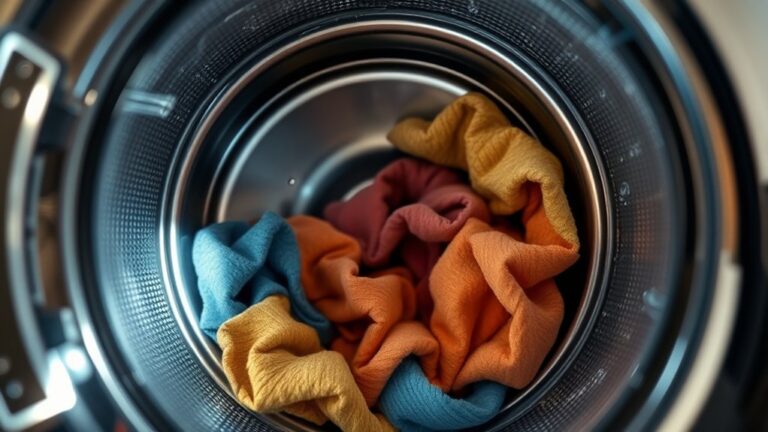
The spin cycle in your washing machine plays a crucial role in laundry care by using centrifugal force to pull excess water from your clothes. This process reduces drying time and saves energy, making your laundry routine more efficient.
Understanding how the spin cycle works and choosing the right spin speed can protect delicate fabrics and ensure heavier items are well-drained.
The spin cycle gently shakes out moisture by spinning fast, leaving your laundry less soggy and easier to dry. Skipping or having a faulty spin cycle can leave clothes drenched and heavy, which prolongs drying time and may cause mildew.
Keep reading to discover how to optimize this cycle for your laundry’s best care and efficiency.
Key Takeaways
- The spin cycle removes excess water from clothes by using high-speed centrifugal force to push moisture out. It reduces drying time and energy consumption by extracting water, making clothes less soggy. Spin speed varies to protect fabrics, with high speeds for durable items and gentle speeds for delicate garments.
- Proper spinning prevents fabric damage and extends clothing lifespan by avoiding overstretching or tearing. Skipping or malfunctioning spins lead to heavier clothes, longer drying times, and higher energy use.
What Is the Spin Cycle in a Washing Machine?
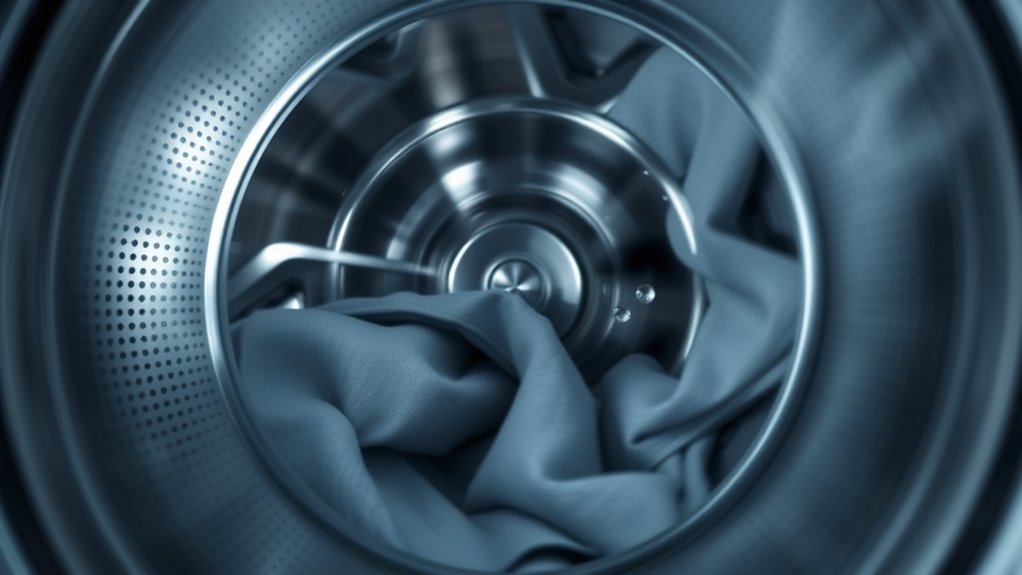
Although the spin cycle might seem like just another part of your washing machine’s routine, it plays a crucial role in drying your clothes. The spin cycle is a phase where the drum rotates rapidly, helping to remove excess water from your laundry. When you select this cycle, you’re telling your machine to speed up the drum’s rotation after the wash and rinse phases.
This fast spinning forces water out of the fabric by pushing it against the drum’s walls. You’ll notice your clothes come out much less soggy, making them easier and quicker to dry afterward. Understanding this cycle helps you appreciate why it’s essential to your laundry process, ensuring your clothes aren’t dripping wet when you take them out.
How the Spin Cycle Gets Water Out of Your Clothes
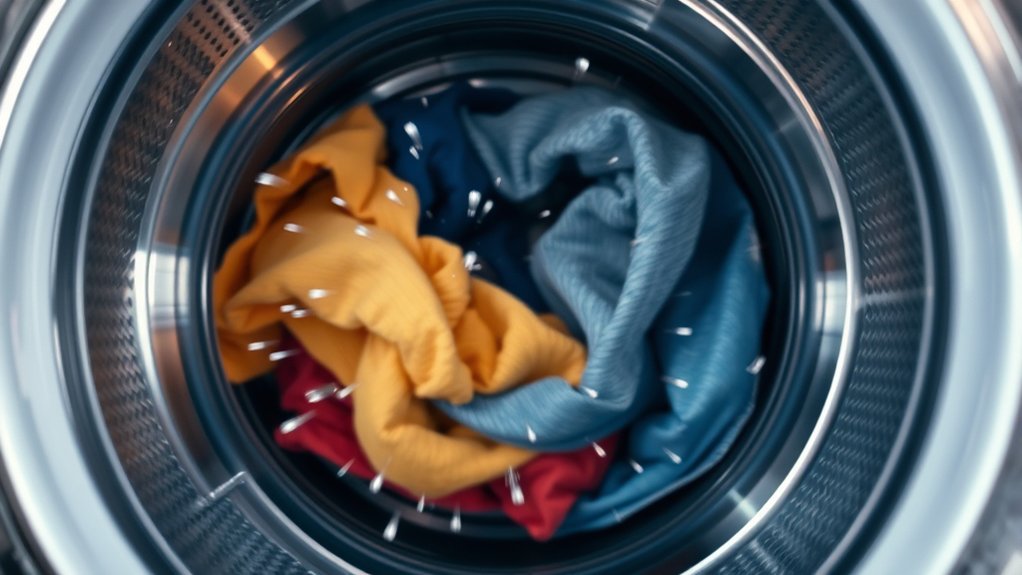
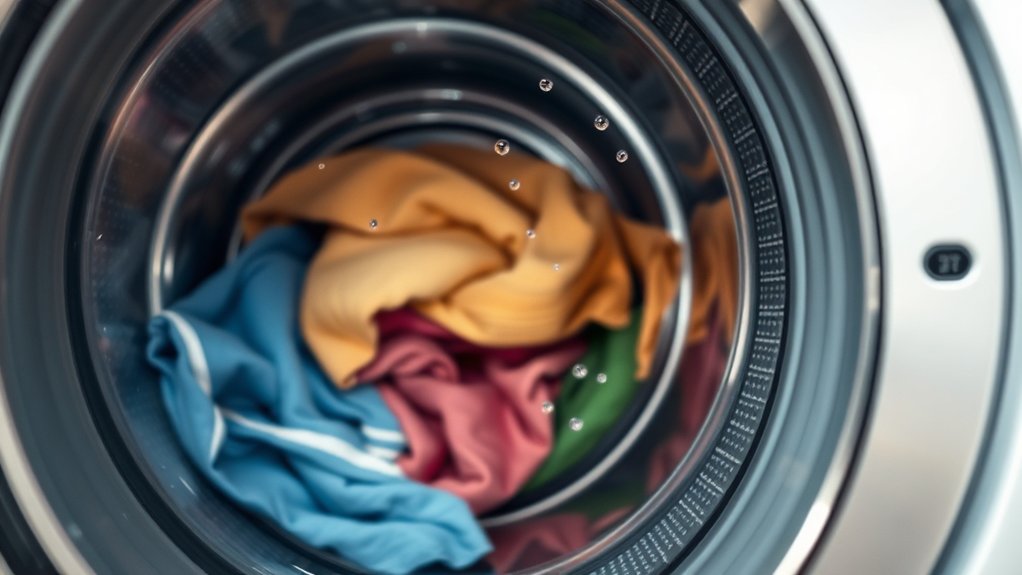
How exactly does the spin cycle get water out of your clothes? It uses centrifugal force by spinning the drum at high speeds. As your clothes spin rapidly, water is forced outward from the fabric toward the drum’s walls.
The drum has tiny holes or perforations that let this expelled water drain out efficiently. You’ll notice the drum’s speed increases gradually to avoid damaging your clothes while maximizing water removal. This spinning action shakes loose much of the water trapped in your garments, making them considerably less wet when the cycle ends.
Why the Spin Cycle Cuts Down Drying Time
You’ll notice your clothes dry much faster after a good spin cycle because it efficiently removes excess water. With less moisture left in the fabric, air can circulate more quickly during drying. This means you spend less time waiting for your laundry to be ready.
Water Extraction Efficiency
Why does the spin cycle make such a big difference in drying time? It’s all about water extraction efficiency. During the spin cycle, your washing machine rapidly spins the drum, creating strong centrifugal force.
This force pushes water out of your clothes and toward the drum’s outer edges, where it drains away. The faster the spin, the more water gets removed. By efficiently extracting this excess water, the spin cycle drastically cuts down the amount of moisture left in your laundry.
That means your clothes spend less time in the dryer or hanging to air dry. So, when you use a higher spin speed, you’re helping your laundry dry faster and saving energy, making your whole washing and drying process more efficient.
Reduced Fabric Moisture
Where does all the water go after the spin cycle? The spin cycle uses rapid spinning to force water out of your clothes, considerably reducing fabric moisture. When your laundry exits the washer, it’s much less soggy, which means less water remains trapped in the fibers.
This reduction in moisture is essential because the less water your clothes hold, the quicker they’ll dry. Whether you hang them outside or use a dryer, reduced fabric moisture cuts drying time noticeably. By spinning out excess water, the machine helps you save energy and time, making laundry less of a chore.
Faster Air Circulation
How does the spin cycle speed up drying? It removes excess water, allowing air to circulate more freely through your clothes. When fabric is soaked, trapped moisture blocks airflow, making drying slower.
By spinning out water, the cycle creates conditions that boost faster drying.
Here’s how faster air circulation helps:
- Improved airflow: Clothes aren’t weighed down by water, so air passes through fibers easily.
- Reduced drying time: Less moisture means your dryer or line dry process finishes quicker.
- Energy efficiency: Shorter drying cycles save electricity and reduce wear on fabrics.
How Different Fabrics Handle the Spin Cycle
You need to take into account how your fabric handles the spin cycle to avoid damage. Some materials can withstand high spin speeds, while others might stretch or weaken.
Knowing your fabric’s durability helps you choose the right spin setting for the best care.
Fabric Durability During Spin
Why do some fabrics seem to withstand the spin cycle better than others? It all comes down to their durability and construction. When you put clothes through spinning, they face intense twisting and pressure, which can stress fibers differently depending on fabric type.
Here’s what you should know about fabric durability during spin:
- Fiber Strength: Natural fibers like cotton handle spinning well, but delicate ones like silk or lace can weaken quickly.
- Weave Tightness: Tightly woven fabrics resist stretching and tearing better than loose weaves.
- Fabric Thickness: Thicker materials endure the mechanical stress of spinning more effectively than thin, flimsy fabrics.
Understanding these factors helps you protect your clothes and choose the best washing settings for each fabric type.
Spin Speed Effects
Fabrics react differently to various spin speeds, largely because their durability and structure influence how much stress they can handle. When you select a high spin speed, sturdy fabrics like denim or towels handle it well, shedding excess water quickly and reducing drying time. However, delicate fabrics such as silk or lace can get damaged or stretched if spun too fast.
For these, you should choose a gentle or low spin speed to protect their fibers. Synthetic blends often tolerate medium speeds, balancing water removal and fabric care. By matching spin speed to fabric type, you not only preserve your clothes’ appearance but also extend their lifespan.
Always check garment labels and adjust spin settings accordingly to keep your laundry in top shape.
What Spin Speeds Mean for Your Laundry
How do different spin speeds affect your laundry’s drying time and care? Choosing the right spin speed helps you balance drying efficiency and fabric protection. Higher speeds remove more water, cutting drying time, but can stress delicate fabrics.
Lower speeds are gentler but leave clothes wetter.
Consider these points when selecting spin speeds:
- Fabric type: Use low speeds for delicate items to prevent damage; higher speeds suit sturdy fabrics like denim.
- Load size and weight: Bigger or heavier loads might need moderate speeds to avoid unbalanced spinning.
- Drying method: If you air-dry, a higher spin speed saves time; if you use a dryer, moderate speed reduces wrinkles.
When to Choose a High-Speed Spin Cycle
Although high-speed spin cycles can be tough on some materials, you should choose them when you want to remove as much water as possible quickly. This is especially helpful for heavy fabrics like towels, jeans, and bedding, which tend to retain a lot of moisture. By selecting a high-speed spin, you reduce drying time considerably, saving energy and effort.
It’s also a smart choice if you need your laundry ready fast, such as when you’re short on time between loads. Just make sure your washing machine and fabric care labels can handle the speed to avoid damage. Overall, high-speed spins give you drier clothes straight from the washer, making your laundry routine more efficient.
When to Choose a Gentle Spin Cycle
While high-speed spin cycles work well for heavy, durable items, gentler options better suit delicate fabrics. You should choose a gentle spin cycle when handling clothes that need extra care to avoid damage. This cycle spins slower, reducing fabric stress and preventing wrinkles.
Gentle spin cycles reduce fabric stress and wrinkles, perfect for protecting delicate clothing during washing.
Here are three situations when you should opt for a gentle spin cycle:
- Delicate Fabrics: Silks, lace, and fine knits benefit from slower spins to maintain their shape and texture.
- Embellished Clothing: Items with beads, sequins, or embroidery need gentler handling to protect decorations.
- Lightweight Items: Thin fabrics like chiffon or rayon can stretch or tear with high-speed spins.
Choosing a gentle spin cycle helps preserve your clothes’ quality and extends their lifespan.
Spin Cycle’s Impact on Energy and Water Use
You’ll find that the spin cycle plays a key role in cutting down both energy and water use by removing excess moisture quickly. Using a higher spin speed means your dryer works less, saving electricity and reducing utility bills.
Energy Consumption Efficiency
How much energy does the spin cycle really save? Quite a bit, actually. By extracting more water from your clothes, the spin cycle cuts down the time your dryer needs to run, directly reducing electricity use.
Here’s how it boosts energy efficiency:
- Shorter drying times – Less moisture means your dryer works less, using less power.
- Lower heating demand – Drier clothes require less heat, which is energy-intensive to produce.
- Improved appliance lifespan – Efficient spin cycles reduce wear on your dryer, saving energy in the long run by avoiding premature replacements.
Water Usage Reduction
Why does the spin cycle matter for water usage? When your washing machine spins clothes at high speeds, it extracts excess water, reducing how much moisture your laundry holds. This means your clothes need less water if you plan to rinse again or wash in multiple cycles.
By efficiently removing water, the spin cycle lowers the amount of water the machine uses overall. If the spin cycle didn’t work well, clothes would stay soaked, forcing the washer to use more water during rinses to remove detergent and dirt.
Impact on Utility Bills
Wondering how the spin cycle affects your utility bills? The spin cycle plays a key role in reducing both water and energy costs. By extracting more water from your clothes, it shortens drying time, which saves electricity if you use a dryer.
Here’s how it impacts your bills:
- Energy Savings: Less moisture means your dryer runs shorter, cutting down on electricity use.
- Water Efficiency: A strong spin removes excess water, reducing the need for extra rinse cycles.
- Lower Heating Costs: With less water retained, your washer uses less hot water, lowering your gas or electric water heating bill.
What Happens If You Skip the Spin Cycle
Skipping the spin cycle leaves your clothes drenched and heavy with water. Without this step, your laundry holds much more moisture, making it take longer to dry. Whether you air-dry or use a dryer, wet clothes increase drying time, which can be frustrating and inefficient.
Plus, heavier loads are harder to manage and may drip water everywhere, creating a mess. If you rely on a dryer, skipping the spin cycle forces it to work harder, using more energy and potentially wearing out the machine faster.
In short, skipping the spin cycle compromises drying efficiency, wastes energy, and can lead to inconvenience. To keep your laundry routine smooth, it’s best not to skip this important step.
How to Adjust Spin Cycle Settings on Common Machines
Although spin cycle settings vary across washing machine brands and models, you can usually customize the speed and duration to suit different fabric types and laundry needs. Adjusting these settings helps protect delicate items and guarantees heavier fabrics dry more efficiently.
Here’s how you can tweak your machine’s spin cycle:
- Check the control panel: Most machines have a dial or digital display allowing you to select spin speed (low, medium, high) or turn off the spin cycle entirely.
- Select fabric-specific options: Use presets like “delicates” or “heavy duty” that automatically adjust spin settings for you.
- Consult your manual: For exact steps and recommended settings, your washing machine’s manual offers detailed guidance.
Signs Your Spin Cycle Isn’t Working Properly
If your washing machine isn’t spinning properly, you’ll notice your clothes come out wetter than usual or soaking wet. You might also hear unusual noises during the spin cycle—like banging, thumping, or grinding sounds. These can indicate an unbalanced load or a mechanical issue.
Another sign is when the drum doesn’t spin at all or spins very slowly, leaving clothes damp and heavy. You could also find water still pooling inside the machine after a cycle finishes, which suggests the spin cycle isn’t draining correctly.
If your washer vibrates excessively or moves across the floor, the spin cycle may be off balance or the suspension system might be faulty. Recognizing these signs early helps prevent further damage and keeps your laundry routine running smoothly.
How to Keep Your Clothes Safe During the Spin Cycle
To protect your clothes during the spin cycle, you need to balance the load properly and avoid overfilling the machine. An unbalanced or overloaded washer can cause excessive agitation, damaging fabrics and causing wear.
Balancing your washer load and avoiding overfilling prevents excessive agitation and protects your clothes from damage.
Here’s how to keep your clothes safe:
- Distribute Evenly: Place clothes evenly around the drum to prevent imbalance and reduce strain on your garments.
- Sort by Weight: Wash heavy items like towels separately from lighter fabrics to avoid stretching or tearing delicate clothes.
- Use Mesh Bags: For delicate items, use mesh laundry bags to shield them from harsh spinning forces.
Tips for Maximizing Your Spin Cycle’s Effectiveness
When you optimize your spin cycle, you not only reduce drying time but also protect your clothes from unnecessary wear. Start by sorting laundry by fabric type and weight to prevent damage and guarantee an even spin. Don’t overload your machine; overcrowding hampers the spin cycle’s efficiency and can lead to poor water extraction.
Use the appropriate spin speed—delicate fabrics need a gentler spin, while sturdy items can handle faster speeds. Check your washing machine’s balance before starting; an unbalanced load causes excessive vibration and uneven spinning. Finally, clean the machine’s filter regularly to maintain ideal water drainage.
Frequently Asked Questions
Can the Spin Cycle Damage Washing Machine Components?
Yes, the spin cycle can damage washing machine components if you overload it or use it improperly.
You’ll want to avoid unbalanced loads and follow the manufacturer’s guidelines to keep your machine running smoothly and prevent wear.
How Does the Spin Cycle Affect Detergent Residue?
Ever wonder why your clothes feel less soapy after washing? The spin cycle helps remove detergent residue by spinning out excess water and soap, so your clothes come out cleaner and fresher without any sticky buildup.
Does the Spin Cycle Remove Pet Hair From Clothes?
The spin cycle can help remove some pet hair by shaking it loose, but it won’t get rid of all of it.
You’ll still need lint rollers or special pet hair removers for best results.
Can You Use the Spin Cycle for Hand-Washed Items?
Yes, you can use the spin cycle for hand-washed items to remove excess water quickly. Just be careful with delicate fabrics, as the high-speed spinning might damage them. Always check care labels before spinning.
How Noisy Is the Spin Cycle Compared to Other Cycles?
You won’t mistake the spin cycle for a whisper; it’s like a mini hurricane in your laundry room. Compared to gentle washes, it’s definitely louder, shaking and rumbling as it wrings out every drop of water.
Conclusion
Now that you know the spin cycle’s role in squeezing water from your clothes, you see why it’s key for faster drying. You might think higher speeds always mean better results, but that’s not true—delicate fabrics need gentler spins to stay safe.
By adjusting settings and spotting issues early, you’ll keep your laundry fresh and intact. So, don’t underestimate the spin cycle; it’s working hard behind the scenes every wash!
In conclusion, understanding the spin cycle helps protect your clothes and improves washing machine efficiency. Proper use of the spin cycle ensures optimal water removal and faster drying times. Remember, the spin cycle is essential for effective laundry care.