Can You Vacuum Baking Soda?
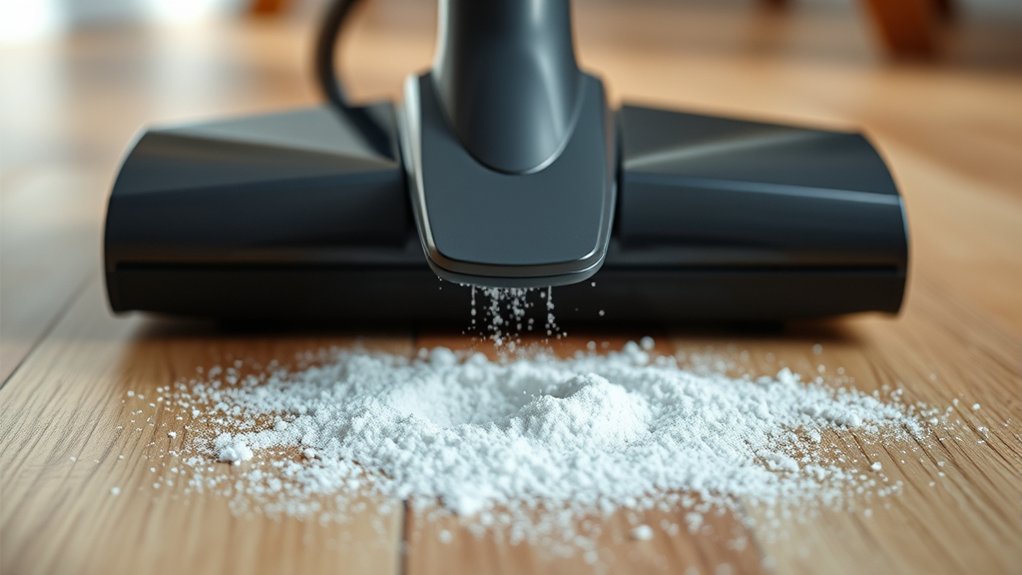
You can vacuum baking soda, but it requires specific precautions to protect your vacuum cleaner from potential damage. Baking soda is a fine powder that can clog filters and reduce suction if not handled properly.
Using a vacuum with HEPA filters or one designed for fine dust is essential for effective and safe cleanup.
Clean the filters frequently to prevent clogs and maintain optimal performance. Vacuum small amounts at a time, preferably with a brush attachment, to avoid overwhelming your vacuum.
Avoid vacuuming moist or clumped baking soda, as this can cause buildup and damage the machine.
Proper maintenance after vacuuming baking soda keeps your vacuum running smoothly and extends its lifespan.
Want to know the best tips and alternatives for safely cleaning up baking soda? Keep reading for expert advice and practical solutions.
Key Takeaways
- Vacuuming small amounts of dry baking soda is possible but requires vacuums with HEPA filters or designed for fine dust. Baking soda’s fine particles can clog filters, damage components, and reduce vacuum performance over time.
- Avoid vacuuming moist, clumped, or large quantities of baking soda to prevent motor overheating and internal damage. Use a brush attachment and vacuum in small sections to minimize abrasiveness and residue buildup.
- Alternative cleaning methods like sweeping and wiping are safer for removing baking soda without risking vacuum damage.
Is It Safe to Vacuum Baking Soda From Carpets and Floors?
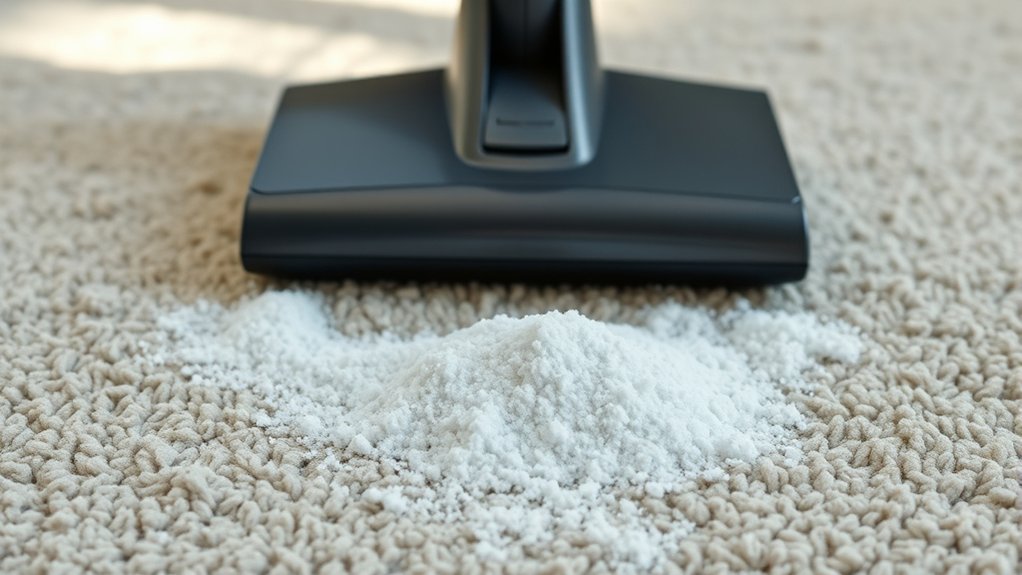
Vacuuming baking soda from carpets and floors is generally safe, but you should take a few precautions to protect your vacuum cleaner. Baking soda’s fine particles can clog filters and damage some vacuum motors if your machine isn’t designed to handle fine powders. To avoid this, use a vacuum with a HEPA filter or one specifically rated for fine dust.
You might want to empty the vacuum bag or canister more often when cleaning up baking soda to prevent buildup. Also, avoid using a vacuum with a beater bar on delicate carpets, as it can push the powder deeper into fibers. By taking these simple steps, you can safely remove baking soda without harming your vacuum or your floors.
Problems Caused by Vacuuming Baking Soda
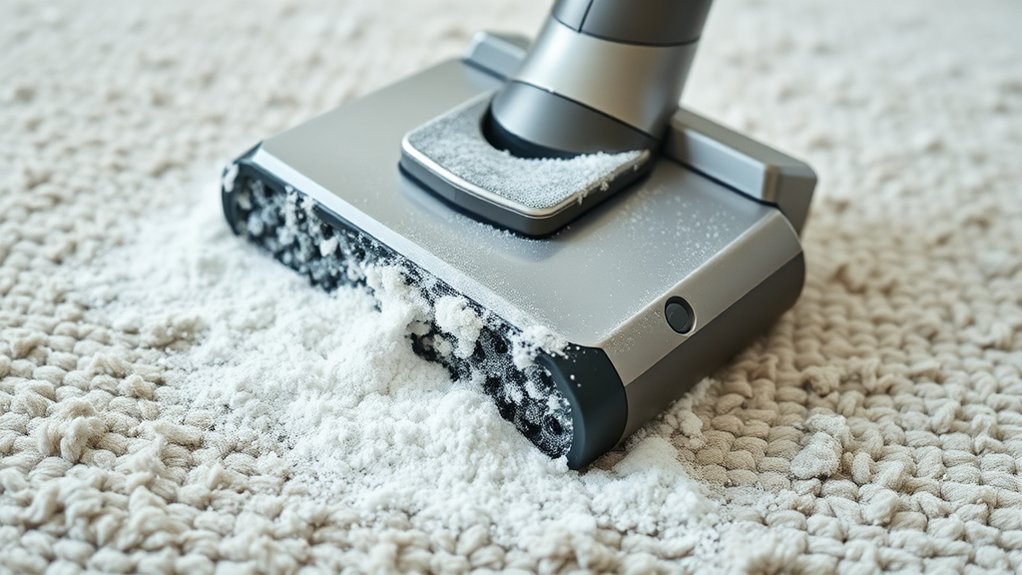
When you vacuum baking soda, you might clog your vacuum’s filters quickly. The abrasive particles can also wear down parts inside your machine.
Plus, you’ll notice a drop in suction efficiency over time.
Clogging Vacuum Filters
How does baking soda affect your vacuum cleaner’s filter? When you vacuum baking soda, its fine particles can quickly accumulate and clog your vacuum’s filter. This buildup restricts airflow, causing your vacuum to lose suction power and work less efficiently.
Over time, the clogged filter may force your vacuum motor to overheat, potentially leading to costly repairs or even permanent damage. You might notice that your vacuum struggles to pick up dirt or makes unusual noises—these are signs that the filter is compromised.
To avoid this, you should clean or replace the filter more frequently if you vacuum baking soda often. Taking these steps helps maintain your vacuum’s performance and prolongs its lifespan without risking filter clogging.
Abrasive Damage Risks
Although baking soda is a common household item, its gritty texture can cause abrasive damage inside your vacuum cleaner. When you vacuum baking soda, the tiny particles act like sandpaper, wearing down key components over time.
You might notice scratches or premature wear on the vacuum’s brush roll or beater bar, reducing cleaning effectiveness. Internal fan blades, which can lead to imbalance and noise. Seals and hoses, causing leaks and loss of suction.
These abrasive effects shorten your vacuum’s lifespan and may require costly repairs. To protect your vacuum, consider alternative cleaning methods or use a vacuum designed to handle fine powders. Taking these precautions helps you avoid damage while still keeping your space fresh and clean.
Reduced Suction Efficiency
Because baking soda’s fine particles can clog your vacuum’s filters and internal passages, you’ll likely notice a significant drop in suction power. These tiny granules accumulate quickly, blocking airflow and forcing your vacuum to work harder. As a result, you might find it less effective at picking up dirt and debris, making your cleaning sessions longer and more frustrating.
Over time, this reduced suction can strain your vacuum’s motor, potentially leading to overheating or damage. To keep your vacuum running smoothly, avoid vacuuming baking soda directly. Instead, sweep or blot it up first.
If you do vacuum it, clean or replace the filters immediately afterward to restore proper airflow and maintain suction efficiency. Taking these steps helps protect your vacuum and guarantee it performs well.
How Baking Soda Can Hurt Your Vacuum Cleaner
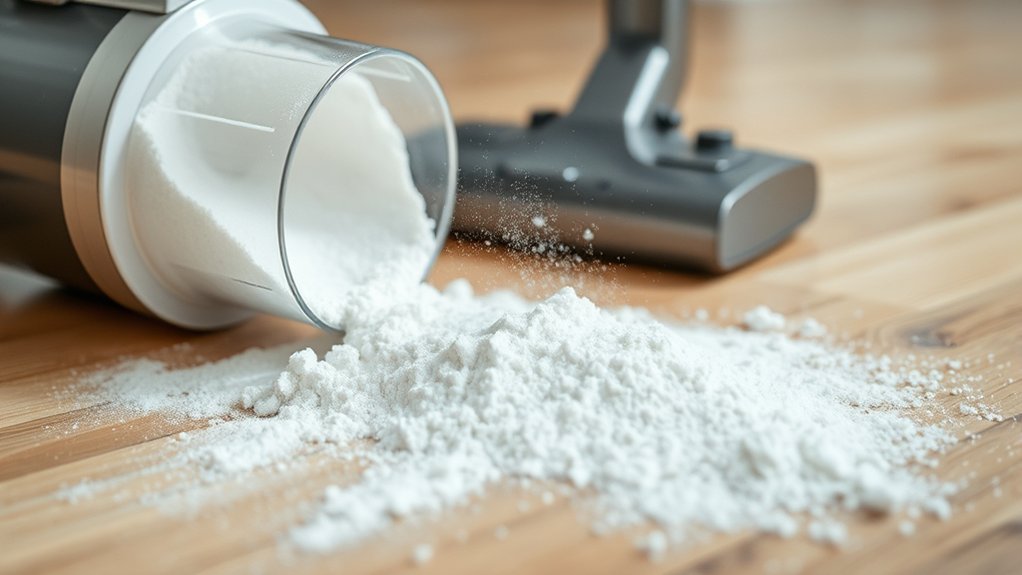
If you regularly sprinkle baking soda on your carpets before vacuuming, you might be unknowingly damaging your vacuum cleaner. Baking soda’s fine powder can infiltrate your vacuum’s internal components, causing issues that reduce its lifespan.
Here’s how it can hurt your vacuum:
- Clog Filters and Hoses: The powder can build up, blocking airflow and forcing your vacuum to work harder.
- Wear Down Motor Parts: Fine particles can get into the motor, causing friction and overheating.
- Damage Seals and Belts: Baking soda’s abrasiveness may degrade rubber seals and belts, leading to leaks or breakdowns.
To keep your vacuum running smoothly, be cautious when vacuuming baking soda and clean your vacuum regularly to remove any residue buildup.
When to Avoid Vacuuming Baking Soda and How to Clean Instead
You should avoid vacuuming baking soda when your vacuum isn’t designed to handle fine powders, as this can cause damage or clogging. Instead, consider alternative cleaning methods like sweeping or using a damp cloth to pick it up.
Proper disposal is key to keeping your space clean without risking your vacuum’s performance.
Avoiding Damage Risks
Though vacuuming baking soda can be effective, certain situations call for caution to prevent damage to your vacuum or surfaces. You should avoid vacuuming baking soda if your vacuum isn’t designed for fine powders, as it can clog filters or damage motors. Also, steer clear of vacuuming baking soda on delicate fabrics or surfaces that might scratch or discolor easily.
If the baking soda has mixed with moisture, it can clump and create a mess inside your vacuum.
Keep these tips in mind to avoid damage risks:
- Don’t vacuum baking soda with a bagless vacuum lacking a HEPA filter.
- Avoid vacuuming on soft materials like silk or velvet.
- Never vacuum wet or damp baking soda to prevent clogs.
Being cautious saves your vacuum and surfaces from harm.
Alternative Cleaning Methods
When vacuuming baking soda isn’t an option, choosing alternative cleaning methods can protect both your surfaces and your vacuum. Instead of vacuuming, sweep up the baking soda with a soft-bristle broom or use a dustpan to gather the powder carefully.
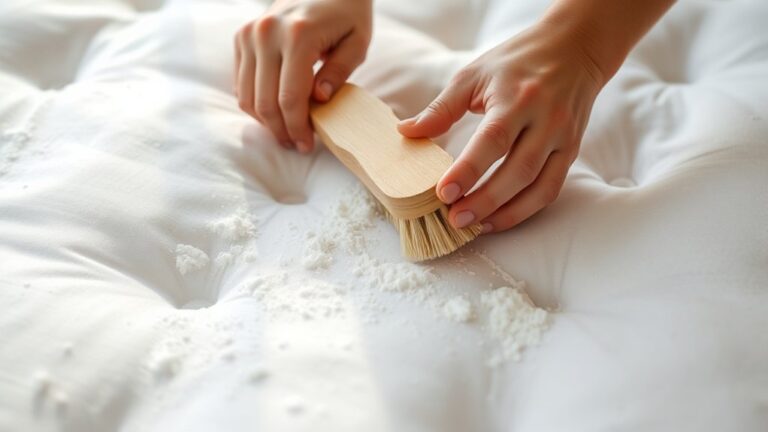
For carpeted areas, try gently blotting the baking soda with a damp cloth or sponge, then scoop it up with a spoon or scraper. If you need to remove baking soda from upholstery, use a stiff brush to loosen the powder before wiping it away with a damp cloth.
Avoid rubbing, which can push the powder deeper into fibers. These methods help you clean effectively without risking damage to your vacuum or spreading the powder further.
Proper Disposal Techniques
Sometimes vacuuming baking soda can do more harm than good, especially if your vacuum isn’t designed to handle fine powders. If you notice your vacuum struggling or clogging, it’s time to switch up your cleaning method.
Instead of vacuuming, try these proper disposal techniques:
- Sweep or brush the baking soda carefully into a dustpan to avoid spreading the powder.
- Use a damp cloth or mop to pick up any remaining residue, preventing dust from becoming airborne.
- Dispose of the collected baking soda in your regular trash or compost it if you prefer an eco-friendly option.
Tips for Vacuuming Baking Soda Safely
Because baking soda is fine and powdery, you’ll want to take a few precautions before vacuuming it up to prevent clogging or damaging your vacuum. First, avoid using a vacuum with a bag that might clog easily; a bagless model or one with a HEPA filter works better. Don’t overload the vacuum in one go—clean small amounts at a time to keep airflow steady.
Use a brush attachment to loosen baking soda before vacuuming, which helps prevent it from settling deep into carpet fibers. Finally, empty or clean the vacuum filter and dust container promptly after use to maintain performance and avoid residue buildup. Taking these steps guarantees your vacuum stays in good shape while effectively removing baking soda.
Preparing Your Vacuum Before Cleaning Baking Soda
Before you start vacuuming baking soda, make sure your vacuum is properly prepared to handle the fine powder. Baking soda’s fine particles can clog or damage your vacuum if you’re not careful. To get ready, follow these steps:
- Empty the vacuum bag or canister completely to maximize suction and avoid mixing baking soda with old debris.
- Check and clean or replace the vacuum filter to prevent clogging and maintain airflow.
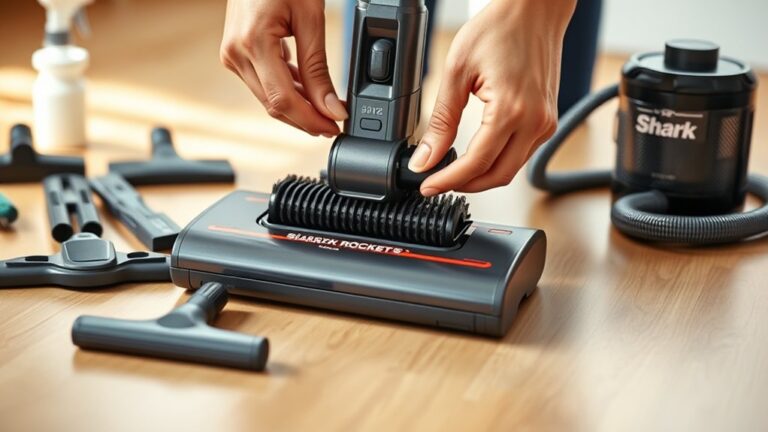
- Attach a brush or upholstery nozzle to help lift baking soda without pushing it deeper into carpets or fabric.
Cleaning Your Vacuum After Vacuuming Baking Soda
After vacuuming baking soda, you’ll want to clean your vacuum thoroughly to prevent buildup and maintain its performance. Start by unplugging the vacuum and emptying the dustbin or replacing the bag. Baking soda can clump and stick, so check the brush roll and remove any residue.
Next, inspect and clean the filters—rinse them if they’re washable or replace them if they’re disposable. Don’t forget to wipe down the vacuum’s hose and attachments with a damp cloth to remove fine powder that might clog or damage your machine.
Finally, let all parts dry completely before reassembling and using the vacuum again. Regular cleaning after vacuuming baking soda guarantees your vacuum stays efficient and extends its lifespan.
Alternative Ways to Remove Baking Soda From Carpets and Floors
Cleaning your vacuum thoroughly is just one step in managing baking soda residue. If you find that vacuuming alone doesn’t remove all the powder, you can try other methods to clear your carpets and floors effectively. First, gently sweep or brush the baking soda into a dustpan to avoid pushing it deeper into fibers.
Thorough vacuum cleaning is key, but gently sweeping baking soda first prevents it from embedding deeper.
Next, use a damp microfiber cloth or mop to pick up remaining traces without soaking the area. Finally, a handheld vacuum with a brush attachment can help lift stubborn particles from carpet fibers.
- Sweep or brush baking soda before vacuuming
- Wipe floors with a damp microfiber cloth or mop
- Use a handheld vacuum with a brush attachment for tight spots
These alternatives guarantee a cleaner surface without damaging your flooring.
Freshen Your Home Without Baking Soda on Floors
If you want to freshen your home without leaving baking soda residue on your floors, there are plenty of effective alternatives you can try. Essential oils mixed with water make a natural spray that refreshes carpets and upholstery. You can also use activated charcoal bags to absorb odors without any mess.
Placing bowls of white vinegar around rooms neutralizes smells without leaving residue. Another option is using houseplants like spider plants or peace lilies, which naturally purify the air. For a quick fix, sprinkle ground coffee on rugs, let it sit briefly, then vacuum it up to remove odors.
These methods keep your floors clean and fresh without the hassle of removing baking soda afterward. You’ll enjoy a pleasant, odor-free home without the extra cleanup.
Frequently Asked Questions
Can Baking Soda Be Vacuumed From Upholstery?
Yes, you can vacuum baking soda from upholstery, but be careful. Use a vacuum with strong suction and a brush attachment to avoid damaging the fabric.
Vacuum slowly to guarantee you remove as much baking soda as possible.
Does Vacuuming Baking Soda Affect Air Quality?
Vacuuming baking soda can temporarily affect air quality by releasing fine particles into the air. You’ll want to use a vacuum with a HEPA filter or vacuum slowly to minimize dust and keep your environment cleaner.
Using a vacuum with proper filtration helps capture these particles effectively. Vacuuming slowly reduces the amount of dust kicked up into the air. This approach keeps your indoor air quality better while cleaning.
How Long Does Baking Soda Deodorize Carpets?
Baking soda deodorizes carpets for about 24 to 48 hours. To get the best results, sprinkle it, let it sit overnight, then vacuum thoroughly.
This helps absorb odors and keeps your carpet smelling fresh longer.
Can Baking Soda Cause Allergies When Vacuumed?
Yes, baking soda particles can irritate your lungs or trigger allergies when vacuumed, especially if you have sensitivities.
To avoid this, use a vacuum with a HEPA filter or wear a mask while cleaning.
Is Baking Soda Safe for Hardwood Floors?
Like a gentle friend, baking soda is safe for hardwood floors when used sparingly. You won’t harm the finish if you sprinkle lightly, let it sit briefly, then sweep or vacuum it up carefully.
Conclusion
You might worry vacuuming baking soda will ruin your machine, but with proper care, it’s safe and effective. Just prepare your vacuum by checking filters and emptying the bag first. Avoid overloading your vacuum and clean it afterward to keep it running smoothly.
If you’re still hesitant, try alternative methods like sweeping or using a damp cloth. With these tips, you can confidently freshen your carpets without damaging your vacuum. Vacuuming baking soda is a practical way to maintain cleanliness while protecting your vacuum cleaner.