What to Do With an Old Vacuum – 7 Easy Recycling Tips
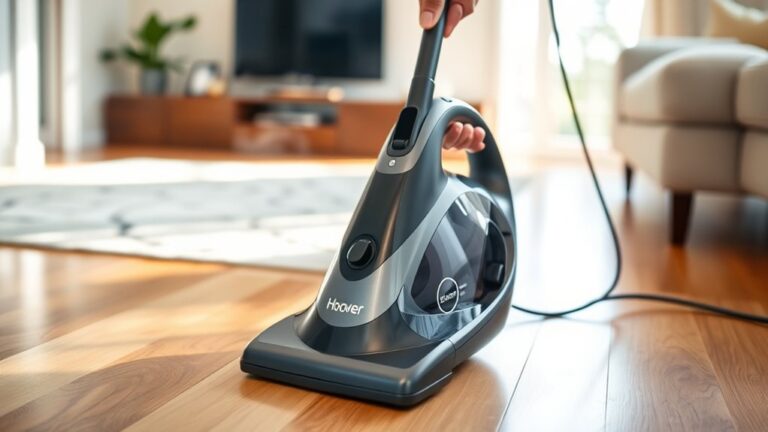
If you have an old vacuum, knowing what to do with an old vacuum can help you reduce waste and contribute to a greener environment. Start by testing its suction and brush functions to see if it can be reused or donated. This initial check can save resources and extend the vacuum’s life.
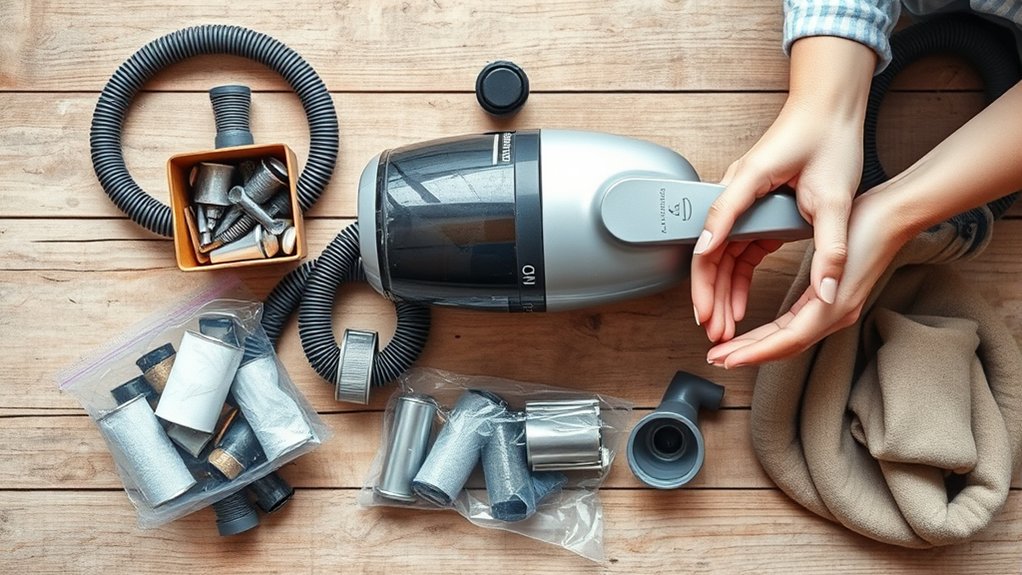
Clean it thoroughly and safely disassemble parts like the motor, filters, hoses, and brushes for salvage or DIY projects.
Check local e-waste centers or take-back programs for responsible recycling. Remove batteries first and keep screws organized.
You can also sell or give it away if it’s in good shape. Keep exploring to discover smarter ways to recycle and repurpose your vacuum.
These simple steps make recycling your old vacuum easy and effective.
Key Takeaways
- Test and clean the vacuum to determine if it can be reused, donated, or sold before recycling.
- Disassemble external parts and internal components carefully, keeping screws and parts organized for recycling.
- Salvage usable parts like the motor, hose, filters, and brush roll for DIY projects or repurposing.
- Locate local e-waste centers or retailer take-back programs for responsible vacuum recycling and disposal.
- Remove batteries and hazardous components separately, and dispose of non-recyclable parts safely and responsibly.
How To Tell If Your Old Vacuum Can Be Reused Or Donated
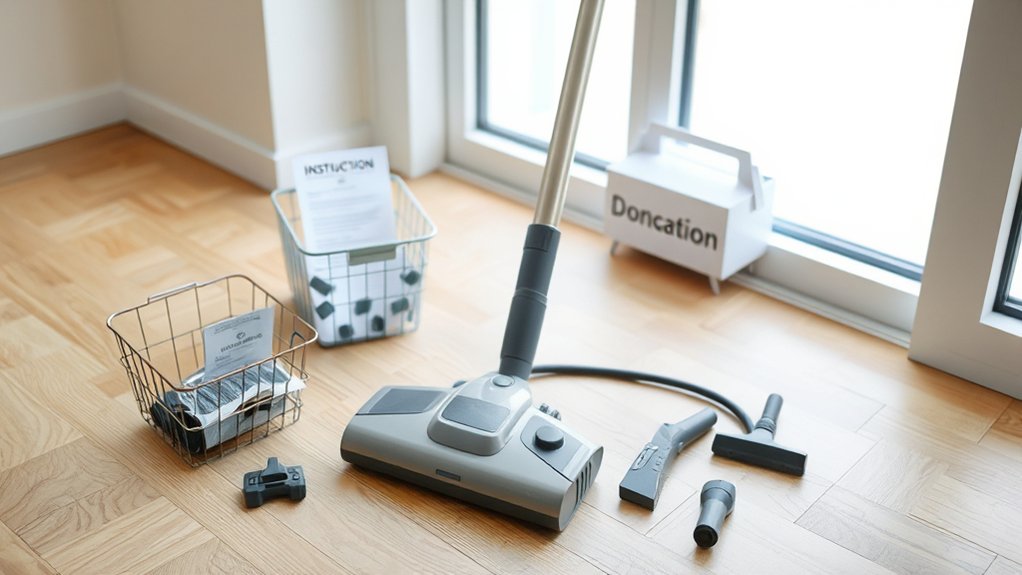
Before deciding what to do with your old vacuum, you should check if it still works properly and is clean. First, plug it in and test its suction power and brush roll function. If it runs smoothly without strange noises or overheating, it’s a good sign.
Next, empty and clean the dustbin or bag thoroughly, and wipe down all surfaces. Check the filters and replace them if needed. If your vacuum passes these tests, it’s ready for reuse or donation.
Many charities and thrift stores accept working appliances, so your vacuum can help someone in need. If it struggles or has major damage, it’s better to recycle it responsibly instead of donating. This way, you guarantee your vacuum gets a second life or proper disposal.
Which Vacuum Parts You Can Salvage And Repurpose
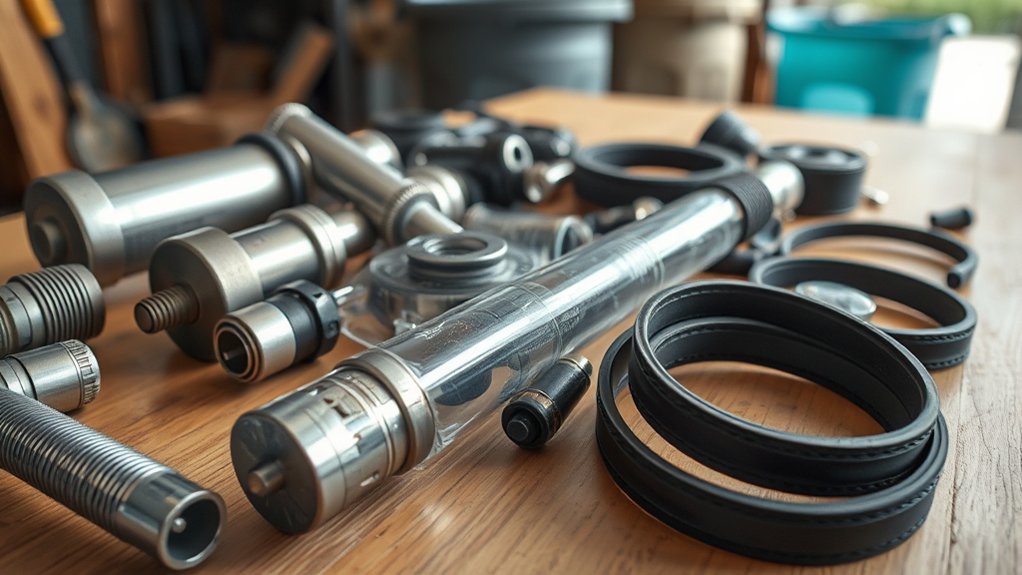
You can salvage several parts from your old vacuum, like the motor, hose, and filters, to use again or create something new. With a bit of creativity, these components can be repurposed for DIY projects or repairs around the house.
Let’s explore which parts are worth keeping and how to make the most of them.
Salvageable Vacuum Components
Although an old vacuum might seem ready for the trash, many of its parts can be salvaged and given a second life. You can remove the motor, which often works well enough to power small DIY projects or be tested for reuse in another vacuum. The hose and extension tubes are usually sturdy and flexible, perfect for replacement parts or crafting.
Don’t overlook the brush roll; its bristles and bearings can come in handy. The filters and bags might be reusable if they’re in good condition. Electrical cords and switches can also be salvaged for other appliances or electronics.
Finally, screws, clips, and plastic casings are worth keeping as spare hardware. By carefully dismantling your vacuum, you maximize materials you can reuse instead of discarding everything.
Creative Part Repurposing
Many parts from an old vacuum can find a new purpose beyond their original use. You can repurpose the hose as flexible tubing for garden irrigation or craft projects. The brush roll works great as a mini scrubber for tough cleaning spots.
Even the motor casing can be turned into a unique planter or storage container. Here’s a quick guide to inspire your creativity:
| Vacuum Part | New Use | Tips |
|---|---|---|
| Hose | Garden irrigation tubing | Cut to desired lengths |
| Brush Roll | Cleaning scrubber | Attach handle for ease |
| Motor Casing | Planter or storage | Add drainage holes if needed |
| Filters | Air freshener holder | Insert scented materials |
Try these ideas to give your vacuum parts a second life!
DIY Projects Using Vacuum Parts For A Second Life
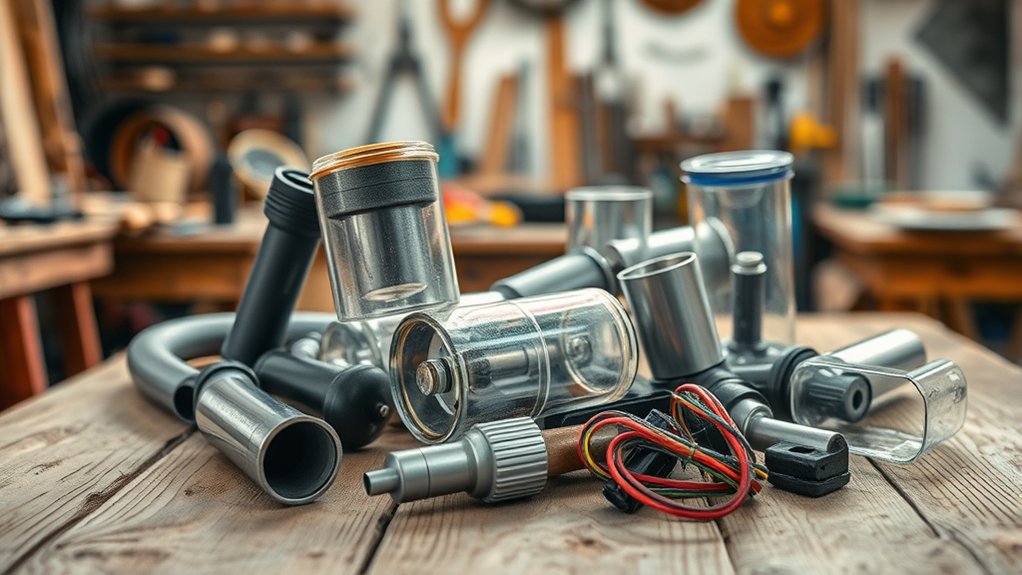
When you dismantle an old vacuum, you’ll find parts that can be repurposed into creative and functional DIY projects. For example, use the motor to power a small fan or DIY air purifier. The hose can transform into a flexible cable organizer or a quirky lampshade frame.
Vacuum brushes make excellent cleaning tools for tight spaces or can be attached to a handle for a pet grooming brush. The dustbin can serve as a container for storing craft supplies or small tools. Even the wheels can be reused to create a mini rolling cart or a moving base for a robot project.
Where To Recycle Your Old Vacuum Cleaner Responsibly
If you can’t repurpose your old vacuum cleaner, you should make sure to recycle it properly to keep harmful materials out of landfills. Start by checking with local recycling centers; many accept small appliances like vacuums. Some retailers offer take-back programs where you can drop off your old vacuum for recycling when buying a new one.
Additionally, manufacturers sometimes run recycling initiatives—visit their websites to see if they provide mail-in or drop-off options. Don’t forget to remove batteries or other detachable parts before recycling, as they may require separate handling. By responsibly recycling your vacuum cleaner, you help recover valuable materials and prevent toxic components from polluting the environment.
Always confirm the center or program accepts vacuum cleaners to avoid improper disposal.
How To Find Local E-Waste Programs For Vacuum Disposal
Although finding the right place to dispose of your old vacuum might seem tricky, local e-waste programs make it easier than you think. Start by checking your city or county’s official website—they often list e-waste collection sites and events. You can also call your local waste management facility to ask about vacuum disposal options.
Many communities host periodic e-waste drop-off days where you can bring appliances like vacuums for free recycling. Additionally, some retailers offer take-back programs; a quick phone call or online search can confirm if they accept old vacuums. Using resources like Earth911.org helps you locate nearby e-waste centers by entering your zip code.
When And How To Sell Or Give Away Your Vacuum Online
If you’re ready to sell or give away your vacuum online, choosing the right platform is key to reaching interested buyers. Timing your listing when demand is high can help you get the best response.
Before posting, make sure to clean and test your vacuum so your description is accurate and appealing.
Best Platforms To Use
When you’re ready to part with your old vacuum, choosing the right platform can make the process smoother and more rewarding. Start with local marketplaces like Facebook Marketplace or Craigslist—they’re perfect for quick sales or giveaways within your community.
If you prefer a broader audience, try eBay, where you can auction or set a fixed price, reaching buyers nationwide. Apps like OfferUp and Letgo also simplify selling, offering easy listing and messaging features.
For donating, websites like Freecycle or Nextdoor connect you with neighbors who might appreciate your vacuum. Whichever platform you pick, make sure to include clear photos and a detailed description to attract serious buyers or recipients.
Picking the right place helps you recycle responsibly and potentially earn a little cash.
Timing Your Sale Right
How do you know the best moment to sell or give away your vacuum online? Timing matters more than you might think. Aim to list your vacuum when demand peaks—usually during spring cleaning season or just before the holidays when people shop for home essentials.
Avoid posting during major holidays or weekends when your listing could get buried in a flood of new ads. Also, consider local events or sales cycles that might affect buyer interest. If you want to give it away, post when community groups or neighborhood forums are most active, often weekday evenings.
Being mindful of timing helps your vacuum get noticed faster, increasing the chances of a quick sale or free pickup. Plan your listing date strategically to maximize success.
Preparing Vacuum For Listing
Timing your listing right sets the stage, but getting your vacuum ready to show is what seals the deal. Before you post your ad, make sure the vacuum looks and works well to attract buyers or recipients. Start by giving it a thorough cleaning—empty the dustbin, wash filters if possible, and wipe down the exterior.
Next, check that all parts and accessories are included and functional. Finally, take clear, well-lit photos from multiple angles to highlight its condition.
Here are three key steps to prepare your vacuum:
- Clean and maintain – Remove dust and debris for a fresh look and better performance.
- Verify parts – Ensure all attachments and cords are present and in good shape.
- Capture quality photos – Show buyers exactly what they’ll get.
How To Safely Take Apart Your Vacuum For Recycling
Before you start taking apart your vacuum, make sure you unplug it and wear protective gloves to avoid any cuts or electrical hazards. Begin by removing the dustbin or bag, then detach hoses and brushes carefully. Use a screwdriver to open the casing and access internal parts like the motor and wiring.
Keep screws organized for easy recycling or disposal.
| Step | Tool Needed | Safety Tip |
|---|---|---|
| Remove dustbin | Hands | Avoid sharp edges |
| Detach hoses | Hands | Pull gently to prevent damage |
| Unscrew casing | Screwdriver | Keep screws in a container |
| Extract motor | Pliers | Handle with care; fragile |
| Separate parts | Various tools | Avoid contact with wires |
Taking these steps helps you recycle parts properly and safely.
Frequently Asked Questions
How Often Should I Clean My Vacuum to Extend Its Lifespan?
You should clean your vacuum after every few uses, especially emptying the dustbin and checking filters. Regularly removing hair and debris prevents clogs, helping your vacuum last longer and work more efficiently.
What Are the Environmental Benefits of Recycling Vacuum Cleaners?
Like planting a tree for tomorrow, recycling vacuums saves resources and cuts landfill waste.
You’ll reduce pollution, conserve metals and plastics, and help the planet breathe easier—small actions with lasting environmental impact.
Can Vacuum Bags Be Recycled Separately From the Vacuum?
You usually can’t recycle vacuum bags separately because they’re contaminated with dust and debris.
Instead, dispose of them in regular trash, or check if your local recycling program accepts them; most focus on vacuum components, not bags.
Are There Any Hazardous Materials Inside Vacuums to Watch Out For?
You might be surprised, but yes—vacuum cleaners often contain hazardous materials like lithium batteries or electronic components. Handle them carefully, and don’t just toss them; improper disposal can harm the environment and your health.
How Do Vacuum Brands Compare in Terms of Recyclability?
You’ll find that brands like Dyson and Miele design vacuums with more recyclable parts, while cheaper brands often use mixed materials that’re harder to separate.
Always check manufacturer recycling programs for easier disposal options.
Conclusion
Whether you choose to donate, repurpose, recycle, sell, or safely dismantle your old vacuum, you’re making a positive impact. You’re reducing waste, saving resources, helping others, and giving new life to what once seemed useless. Don’t just toss it—take action.
Explore options, get creative, stay responsible, and make your old vacuum a part of a sustainable future. Every small step counts, and you’ve got the power to make a difference. By recycling your vacuum, you contribute to a cleaner planet and a healthier environment.