How to Determine if Faucet Drinking Water Is Safe
You can’t rely on taste, smell, or appearance alone to know if your faucet drinking water is safe. Contaminants like bacteria, lead, and chemicals often go unnoticed without proper testing.
Ensuring faucet water safety requires more than just sensory checks.
Use home testing kits to check for common pollutants, and compare results to established safety standards. Pay attention to unusual odors, colors, or plumbing issues that might indicate problems.
If you spot concerns or have old pipes, consider professional testing and filtration.
Keep an eye on these signs to protect your health and home. There’s more to uncover about ensuring water safety, so stay informed and proactive in maintaining clean drinking water.
Key Takeaways
- Test faucet water regularly using certified kits to detect bacteria, lead, chemicals, and heavy metals.
- Observe for unusual taste, odor, color, cloudiness, or sediment in the water.
- Watch for health symptoms like stomach upset or skin irritation after using the water.
- Inspect plumbing for corrosion, leaks, mineral buildup, or discoloration indicating contamination.
- Seek professional water testing after flooding, plumbing repairs, or if contamination signs persist.
Why Test Your Tap Water Before Drinking?
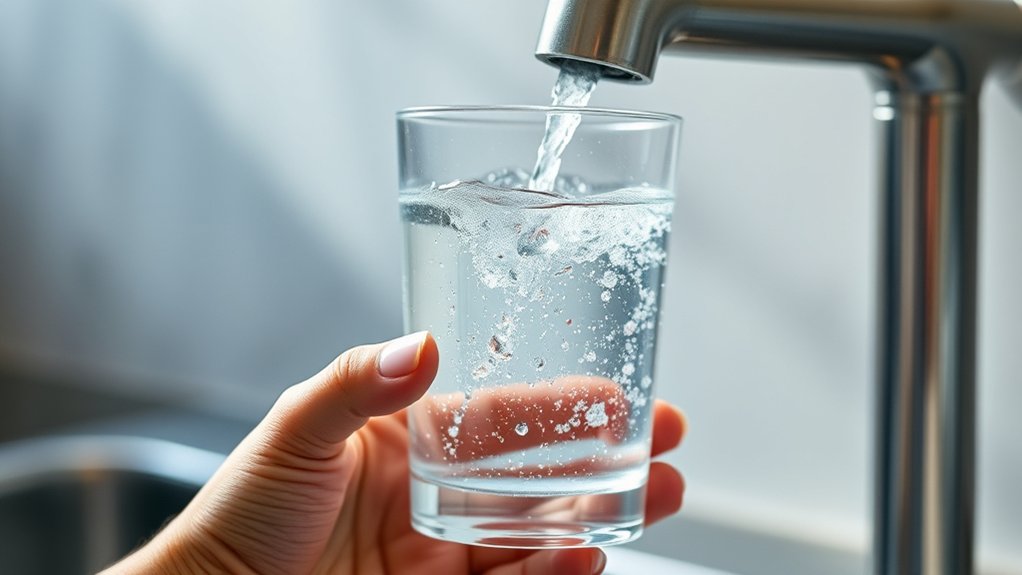
Why should you test your tap water before drinking it? Because you can’t always tell what’s in it just by looking or tasting. Testing helps you identify potential health risks that might not be obvious, such as bacteria, chemicals, or heavy metals.
Even if your water looks clear, it could still contain harmful substances that affect your well-being over time. By testing your tap water, you take control of your safety and peace of mind. It also allows you to decide if you need filters or other treatments to improve water quality.
Skipping this step means you’re relying on assumptions, which can be risky. So, testing is a simple yet essential way to protect yourself and your family.
Common Contaminants Found in Faucet Water
You might not realize it, but faucet water can contain a variety of contaminants like bacteria, lead, and pesticides. These pollutants can come from old pipes, industrial runoff, or even natural sources, posing serious health risks if consumed.
Understanding what’s in your water helps you take the right steps to protect your health.
Types of Water Contaminants
How can you tell what’s lurking in your faucet water? Various contaminants can sneak in, including biological, chemical, and physical types. Biological contaminants like bacteria, viruses, and parasites often come from sewage or animal waste.
Chemical contaminants include substances such as lead, pesticides, chlorine, and industrial solvents, which might enter through old pipes or runoff. Physical contaminants are particles like dirt, rust, and sediment that can cause cloudiness. Each type affects water quality differently, so identifying them is key to ensuring safety.
You can test for these contaminants using home kits or professional lab services. Knowing the types helps you decide on the right filtration or treatment methods to keep your drinking water clean and safe.
Health Risks From Contaminants
Although faucet water often looks clean, common contaminants can pose serious health risks if ingested. You might not realize that even small amounts of harmful substances can affect your well-being over time.
Here are four common contaminants and their health impacts:
- Lead – Causes developmental issues in children and kidney problems in adults.
- Chlorine – Can irritate your eyes, skin, and respiratory system.
- Bacteria and Viruses – Lead to gastrointestinal illnesses like diarrhea and nausea.
- Pesticides – Linked to hormone disruption and increased cancer risk.
Knowing these risks helps you understand why testing and filtering your faucet water is essential. Protect your health by staying informed and taking action to reduce exposure to these harmful contaminants.
Sources of Faucet Pollution
Understanding the health risks from contaminants is just the first step; identifying where these pollutants come from helps you take better control over your water quality. Common faucet water contaminants often originate from aging pipes, which can leach lead, copper, or iron into your tap water. Additionally, water treatment plants may not fully remove pesticides, herbicides, or industrial chemicals.
Groundwater sources can carry bacteria, viruses, or nitrates from agricultural runoff or septic systems. Even your home plumbing fixtures might introduce contaminants like chlorine or plasticizers. By knowing these sources, you can better assess your water and decide if filtration or further testing is necessary to keep your drinking water safe.
What Your Water’s Taste and Smell Reveal About Safety
When you notice unusual tastes or smells in your faucet water, it often signals potential safety concerns. These sensory clues can help you identify if your water might be contaminated or require treatment.
Here are four common indicators to watch for:
- A metallic taste — often due to high iron or copper levels from plumbing.
- A chlorine smell — may suggest over-chlorination or chemical residues.
- A rotten egg odor — usually points to hydrogen sulfide, indicating bacterial activity.
- A musty or earthy flavor — often caused by algae or organic matter in water sources.
If you detect any of these signs, avoid drinking the water until you test it or consult a professional to ensure it’s safe.
How to Check Your Local Water Quality Report
Noticing unusual tastes or smells in your water is a helpful warning, but confirming its safety requires more detailed information. Start by requesting your local water quality report, often called a Consumer Confidence Report (CCR). These reports show contaminant levels, water sources, and any violations.
You can usually find them on your water supplier’s website or request a copy directly.
Here’s what to look for in the report:
| Contaminant | EPA Limit (mg/L) | Your Water Level (mg/L) |
|---|---|---|
| Lead | 0.015 | 0.005 |
| Nitrates | 10 | 2 |
| Coliform Bacteria | 0 | 0 |
If your levels stay below EPA limits, your water meets safety standards.
Simple Home Tests to Identify Faucet Water Issues
You can start by checking your water’s clarity—cloudiness or particles might signal a problem. Next, smell your water for any unusual odors that could indicate contamination. Finally, trust your taste buds to spot anything off, but only do a small sip to avoid risks.
Visual Water Clarity
Although faucet water often looks clear, subtle changes in its appearance can signal potential issues. You should regularly check your water’s clarity to catch problems early. Here’s what to look for:
- Cloudiness or Haze – Indicates air bubbles or suspended particles.
- Discoloration – Yellow, brown, or red tint suggests rust or sediment.
- Floating Particles – Small debris or flakes could mean pipe corrosion.
- Film or Residue – A slippery or oily layer may point to contaminants.
If you notice any of these signs, avoid drinking the water until you test it further or consult a professional. Visual clarity is a quick, simple way to spot possible water quality issues before they become serious.
Odor Detection Methods
When faucet water gives off an unusual smell, it often signals underlying problems that need attention. To detect odors, start by smelling the water right from the tap. A rotten egg smell typically indicates hydrogen sulfide, often from bacterial activity or sulfur in your water source.
A chlorine scent could mean over-chlorination, which might irritate your skin or eyes. Musty or moldy odors suggest organic matter contamination. For a simple test, fill a clean glass, cover it, and let it sit for a few minutes, then smell again to see if the odor persists or worsens.
If you notice strong or unusual smells, avoid drinking the water and consider contacting your local water provider or testing your water professionally for contaminants.
Basic Taste Testing
Noticing unusual smells in your faucet water is a clear sign to check for other sensory clues, like taste, which can reveal additional issues. When you taste your water, pay close attention to any off-flavors that might indicate contamination or plumbing problems. Here’s a simple way to test your water’s taste at home:
- Take a small sip and let it linger on your tongue.
- Note any metallic, bitter, or salty flavors.
- Check for a plastic or chemical aftertaste.
- Compare it to bottled or filtered water you trust.
If your water tastes strange or unpleasant, it’s wise to avoid drinking it and consider professional testing for contaminants. Your taste buds can help you catch problems early.
Choosing the Right Faucet Water Testing Kits
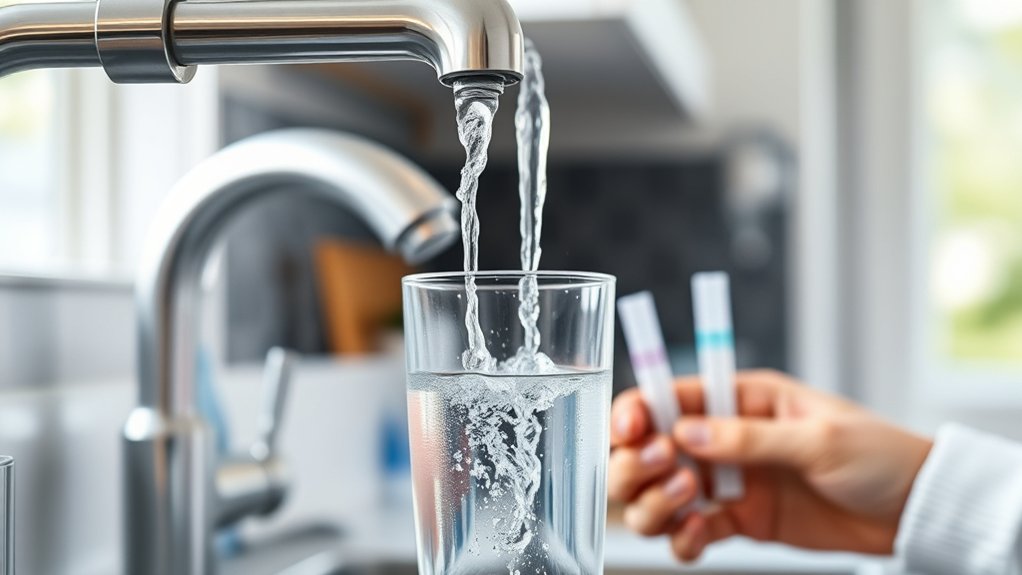
How do you choose the right faucet water testing kit to guarantee your drinking water is safe? First, identify what contaminants you want to test for—common options include bacteria, chlorine, pesticides, and nitrates. Look for kits certified by reputable organizations to assure accuracy.
Choose a kit that provides clear instructions and easy-to-read results so you can interpret them confidently. Consider the testing method: strips offer quick results, while digital meters may provide more detailed information. Check the kit’s sensitivity to detect contaminants at levels relevant to health standards.
Also, review user feedback to learn about reliability and ease of use. By selecting a well-reviewed, targeted, and certified kit, you’ll be better equipped to assess your faucet water’s safety effectively.
How to Test for Lead and Other Heavy Metals
You’ll want to start by using specific lead testing kits designed to detect even low levels of contamination. These kits often include easy-to-use strips or digital testers that identify lead and other heavy metals.
Knowing how to spot these toxins in your water is key to keeping your drinking supply safe.
Lead Testing Methods
Although testing your faucet water for lead and other heavy metals might seem complicated, there are straightforward methods you can use at home or through professional services. You don’t have to guess if your water is safe; simple tests can give you clear answers quickly.
Here are four common lead testing methods:
- DIY Test Kits: These kits include test strips or bottles that change color when lead is present.
- Lab Testing: You collect a water sample and send it to a certified lab for precise analysis.
- Digital Lead Meters: Handheld devices provide instant readings on lead concentration.
- Professional Water Testing Services: Experts use advanced equipment to thoroughly assess your water quality.
Using any of these methods helps you confidently verify your drinking water is safe.
Identifying Heavy Metals
Several effective methods exist to identify heavy metals like lead, mercury, and arsenic in your faucet water. You can start with home test kits designed specifically for heavy metals; these kits are user-friendly and provide quick results.
For more accurate testing, consider sending a water sample to a certified laboratory, which uses advanced techniques like atomic absorption spectroscopy or ICP-MS to detect even trace amounts. You might also install a water filter with a heavy metal testing feature, which monitors your water in real time.
Regular testing is vital if you live in an older home, near industrial sites, or areas with known contamination. By identifying heavy metals early, you can take prompt action to protect your health and guarantee your drinking water is safe.
How to Spot Bacteria and Microorganisms in Your Faucet Water
When water from your faucet looks cloudy, smells unusual, or tastes off, it might contain harmful bacteria or microorganisms. To spot these contaminants, pay close attention to:
- Visual cues – Notice any floating particles or slimy film inside your glass or container.
- Odors – Be alert for earthy, musty, or sewage-like smells that aren’t normal for your water.
- Taste – Detect any bitter, metallic, or sour flavors that suddenly appear.
- Physical reactions – Watch for irritation such as stomach upset or skin rashes after drinking or using the water.
If you observe these signs, avoid using the water until you get it tested professionally. Trust your senses—they’re your first defense against invisible threats in your faucet water.
Understanding Your Water Test Results
Interpreting your water test results can feel overwhelming, but understanding the key indicators helps you know exactly what’s in your faucet water. Focus on contaminants like lead, bacteria, and pH levels. Each has a safe range you should compare your results against.
If a value exceeds the recommended limit, it signals a potential problem.
| Contaminant | Safe Range |
|---|---|
| Lead | 0 ppb (parts per billion) |
| Bacteria (Coliform) | 0 CFU/100 mL |
| pH Level | 6.5 to 8.5 |
Check for any values outside these ranges. Low pH can cause corrosion, while bacteria presence means contamination. Use your results as a guide for any necessary water treatment or further testing.
When to Consider Professional Water Testing Services
If your initial water test shows contaminants beyond safe levels or you notice unusual taste, odor, or discoloration, it’s time to call in professional water testing services. Professionals use advanced equipment and expertise to identify harmful substances you might overlook.
If initial tests reveal unsafe contaminants or unusual signs, professional water testing is essential for thorough analysis.
You should consider professional testing if:
- You’ve recently experienced flooding or plumbing repairs that could affect water quality.
- You live in an area with known water contamination issues.
- You rely on a private well instead of municipal water.
- You have vulnerable family members, like infants or those with weakened immune systems.
Getting experts involved ensures accurate results and peace of mind about your drinking water’s safety, helping you take the right next steps.
Fixing Common Faucet Water Contamination and Taste Issues
After identifying water quality issues through testing, you’ll want to address common contamination and taste problems directly. Start by flushing your pipes if water tastes metallic or stale; running cold water for several minutes can clear out buildup.
If you notice discoloration or sediment, check and replace old plumbing or faucet aerators, which trap debris. For chlorine or chemical odors, try letting water sit uncovered in the fridge to dissipate smells. Avoid using hot tap water for drinking or cooking, as it can contain higher contaminant levels.
Regularly clean your faucet and aerator to prevent bacterial growth that affects taste. If you detect persistent issues like sulfur smells or cloudiness, consult a plumber to inspect your system for deeper problems before considering filtration options.
How Water Filters Improve Faucet Water Safety
While faucet water may appear clean, it can still contain contaminants that affect your health and taste preferences. Using a water filter improves safety by removing impurities and harmful substances before they reach your glass. Here’s how a good filter makes a difference:
Faucet water looks clean but can harbor contaminants; filtering ensures safer, better-tasting water before you drink.
- Traps Sediments – filters out rust, dirt, and particles that cloud your water.
- Reduces Chemicals – eliminates chlorine, pesticides, and industrial pollutants affecting taste and safety.
- Blocks Microorganisms – prevents bacteria and parasites that cause illness from passing through.
- Balances Minerals – retains beneficial minerals while filtering out harmful ones, ensuring better-tasting, healthier water.
Signs You Need to Replace Old Plumbing or Fixtures
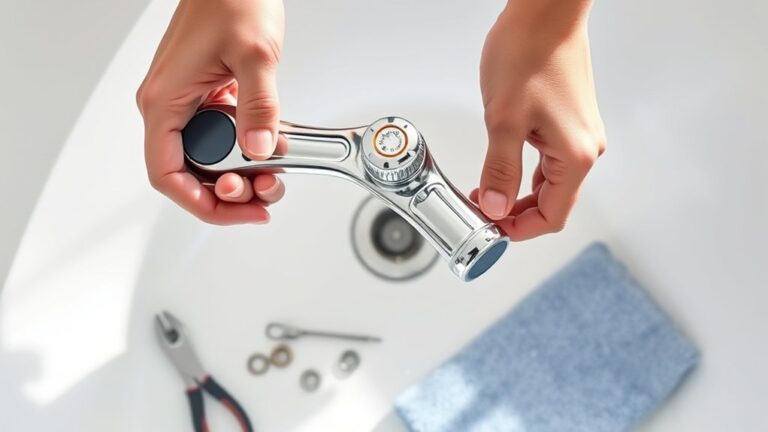
When your water starts showing unusual colors, odors, or tastes, it’s a clear sign that your plumbing or fixtures may be aging and in need of replacement. Rusty or brownish water often indicates corroded pipes, while a metallic taste can signal deteriorating fixtures. You might also notice leaks, low water pressure, or persistent clogs—these issues often stem from old, worn-out plumbing parts.
If your faucets drip constantly or make strange noises, it’s time to inspect them closely. Replacing outdated plumbing not only improves water quality but also prevents costly damage. Don’t wait for a major problem; upgrading your fixtures guarantees cleaner, safer water and a more efficient system overall.
Keep an eye out for these signs to protect your health and home.
Frequently Asked Questions
Can Boiling Faucet Water Remove All Types of Contaminants?
Boiling faucet water won’t remove all contaminants. It kills bacteria and viruses but won’t eliminate chemicals, heavy metals, or sediments.
You’ll need filters or testing to guarantee your water’s truly safe beyond just boiling.
How Often Should I Test My Faucet Water for Safety?
You should test your faucet water at least once a year, since 1 in 10 homes in the U.S. have unsafe drinking water.
If you notice changes in taste or color, test it immediately to stay safe and informed.
Is Bottled Water Safer Than Faucet Water?
Bottled water isn’t always safer than faucet water; it depends on your local water quality. You should check both sources regularly.
Bottled water can also contain microplastics, so don’t assume it’s automatically cleaner or safer.
Can Pets Be Affected by Contaminated Faucet Water?
About 60% of pet illnesses stem from contaminated water. You should know that pets can definitely get sick from faucet water if it contains harmful bacteria or chemicals, so always check water quality before giving it to them.
Does Water Hardness Impact the Safety of Drinking Water?
Water hardness doesn’t directly impact safety, but it affects taste and can cause scale buildup. You might want to test for contaminants separately since hardness alone won’t tell you if your water’s safe to drink.
Conclusion
You might be surprised to learn that over 20% of Americans have detectable contaminants in their tap water. That’s why it’s smart to test your faucet water before drinking.
By checking your local water quality report, using simple home tests, or even consulting professionals, you can protect your health. Remember, fixing issues and using filters can make a big difference.
Don’t wait—ensure your water is safe and clean for you and your family today! Testing your faucet drinking water is essential to confirm it is safe for consumption.