7 Best Reasons You Should Vacuum Bed Bugs
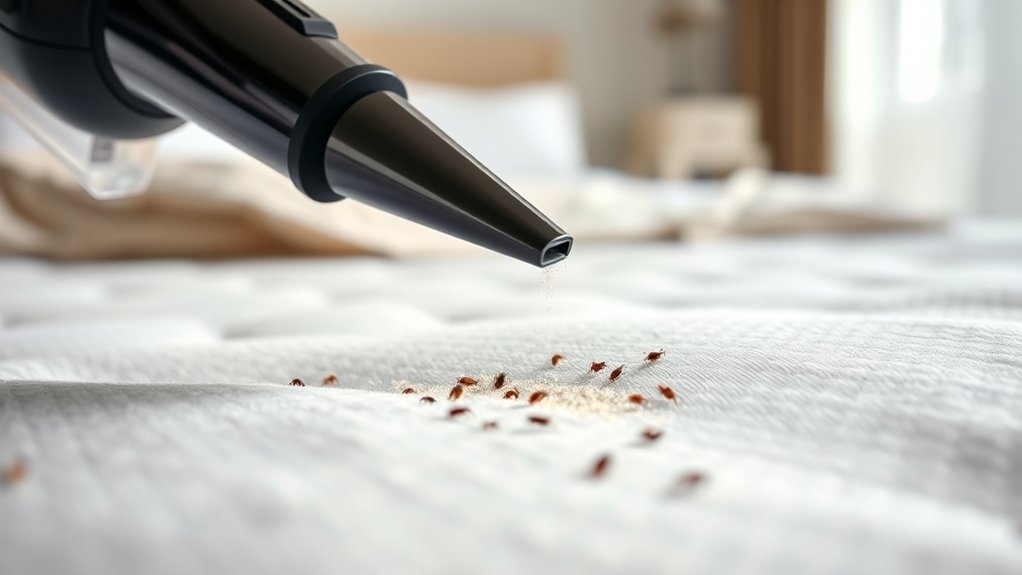
You should vacuum bed bugs because it is an effective method to quickly remove live bugs, eggs, and allergens from seams, cracks, and hard-to-reach spots where they hide. Vacuuming bed bugs helps reduce infestations by dislodging these pests and preventing them from spreading to new areas.
Regular vacuuming also lowers bite risks and allergy triggers by cleaning up droppings and shed skins.
In addition, vacuuming works best when combined with other treatments for lasting control. It is an essential part of a comprehensive bed bug management strategy.
Keep reading to discover how to make vacuuming even more effective and protect your home from these persistent pests.
Key Takeaways
- Vacuuming physically removes bed bugs and eggs from seams, cracks, and furniture, reducing the overall infestation quickly and effectively. It reaches hidden, hard-to-clean areas like mattress edges and furniture crevices where bed bugs commonly hide.
- Regular vacuuming prevents bed bugs from spreading by removing bugs and eggs before they can infest new areas. Vacuuming lowers allergens and skin irritants by removing bed bug droppings, shed skins, and fecal matter from living spaces.
- Proper vacuum disposal and combining vacuuming with other treatments help maintain long-term bed bug control and prevent re-infestation.
How Vacuuming Removes Bed Bugs and Their Eggs
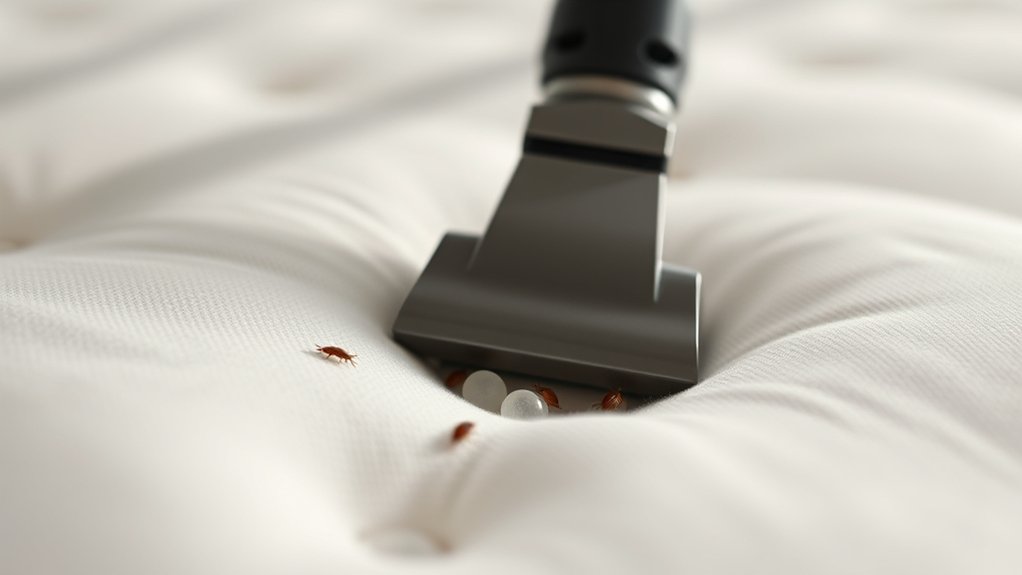
Although bed bugs are skilled at hiding, vacuuming effectively removes them and their eggs from surfaces. When you vacuum, the powerful suction pulls bed bugs off mattresses, furniture, and floors before they can spread. It also grabs the tiny eggs, which are hard to spot and resistant to many treatments.
By regularly vacuuming, you reduce the population and stop new bugs from hatching. You’ll want to focus on seams, cracks, and crevices where bugs lay eggs. Remember to empty the vacuum bag or canister immediately after use to prevent escape.
This method doesn’t kill bed bugs instantly but helps control their numbers by physically removing them, making your other pest control efforts more effective.
How Vacuuming Reaches Hidden Bed Bug Hiding Spots
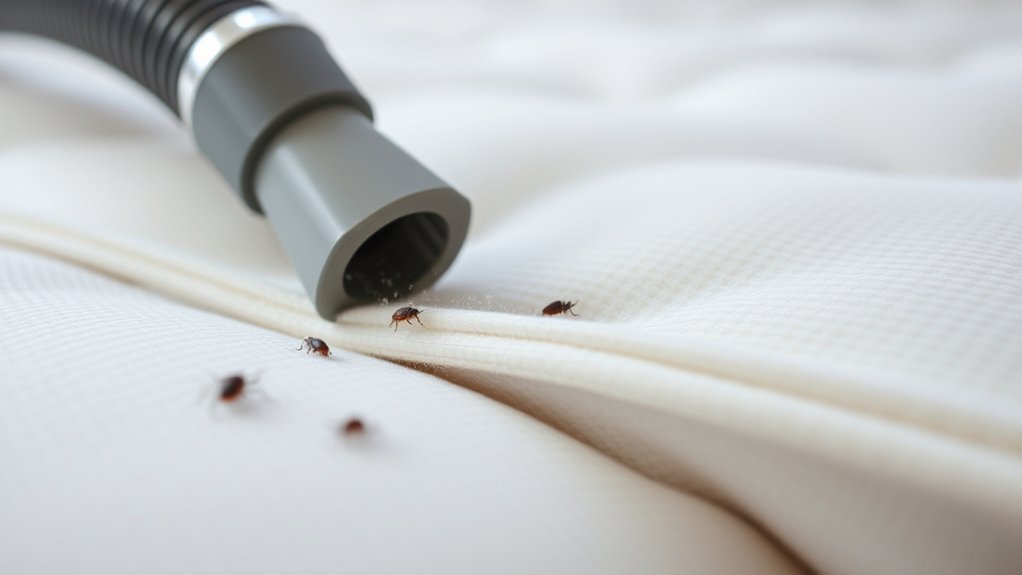
Vacuuming targets bed bugs in places you might not easily see or reach. These pests love hiding in tiny cracks, seams of mattresses, behind baseboards, and inside furniture crevices. Your vacuum’s suction pulls bugs and eggs out of these tight spots where manual cleaning can’t reach.
By running the vacuum nozzle along mattress edges, bed frames, and under furniture, you disrupt their hiding places effectively. You can also use vacuum attachments to access narrow gaps and corners. This method lets you tackle infestations in areas that are usually overlooked, preventing bed bugs from multiplying unnoticed.
Vacuuming reaches deep into these concealed zones, making it an essential first step in controlling bed bug populations in your home.
How Vacuuming Quickly Reduces Bed Bug Numbers
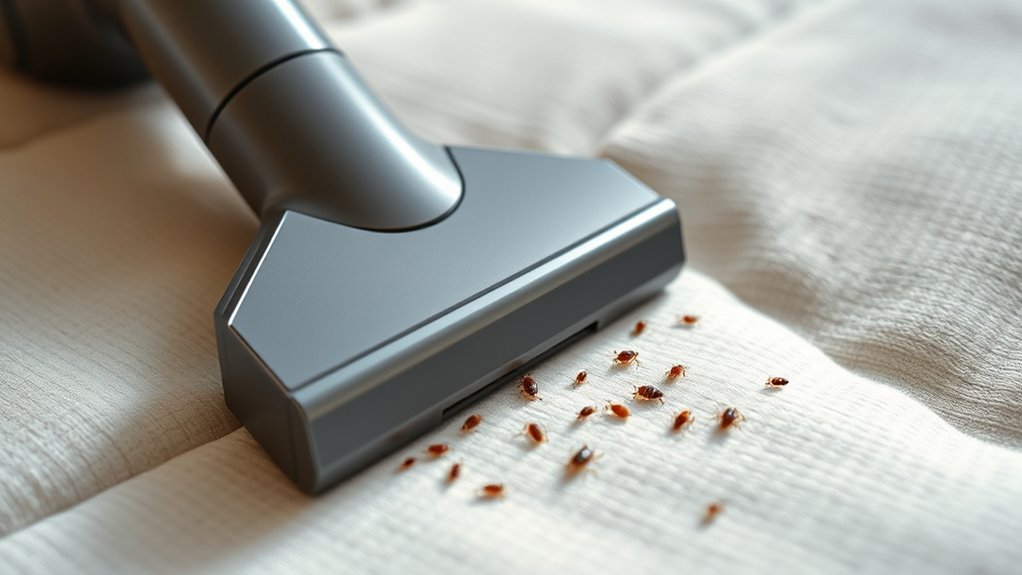
By targeting bed bugs in their hidden spots, you immediately cut down their numbers where they breed and feed. Vacuuming physically removes these pests, including eggs, nymphs, and adults, from mattresses, furniture, and cracks. This quick action disrupts their life cycle before they multiply further.
Since bed bugs reproduce rapidly, even a small reduction considerably slows infestation growth. Plus, vacuuming collects them in a contained space, preventing immediate re-infestation. You don’t have to wait days or weeks—vacuuming delivers instant results by lowering the pest population on contact.
Remember to dispose of the vacuum bag or empty the canister outside to stop bed bugs from returning. Incorporating vacuuming into your routine gives you a fast, effective way to reclaim your home from these stubborn pests.
How Vacuuming Stops Bed Bugs From Spreading Around Your Home
You can stop bed bugs from spreading by vacuuming surfaces regularly to remove both bugs and their eggs. This prevents them from laying new eggs in different areas of your home.
Consistent vacuuming helps keep the infestation contained and under control.
Removing Bugs From Surfaces
One effective way to stop bed bugs from spreading around your home is to target them on surfaces where they often hide. Vacuuming these areas removes bugs before they can crawl to new spots and infest more rooms.
Focus on common hiding places to catch bed bugs early and reduce their movement.
Here are four key surfaces to vacuum regularly:
- Mattress seams and edges
- Bed frames and headboards
- Upholstered furniture and cushions
- Baseboards and cracks in walls
Preventing Egg Dispersal
How do bed bugs manage to infest your home so quickly? One major reason is their eggs. These tiny, sticky eggs latch onto surfaces and hatch unnoticed, spreading the infestation.
Vacuuming helps prevent this by physically removing eggs before they hatch. When you vacuum seams, cracks, and crevices where bed bugs lay eggs, you disrupt their reproductive cycle. This means fewer eggs remain to develop into new bugs, slowing their spread.
Plus, vacuuming reaches hidden spots where eggs often hide, such as mattress folds and baseboards. By regularly vacuuming these areas, you stop eggs from dispersing and reduce the chances of a larger infestation. So, vacuuming isn’t just about killing bugs; it’s a proactive step to keep their eggs from spreading throughout your home.
Reducing Infestation Spread
Vacuuming not only removes eggs but also plays a key role in stopping bed bugs from spreading throughout your home. When you vacuum regularly, you physically remove adult bugs, nymphs, and eggs from surfaces where they hide. This keeps their population contained and prevents them from traveling to new areas.
Here’s how vacuuming helps reduce infestation spread:
- Removes bed bugs before they crawl to other rooms
- Clears eggs that would hatch and increase the population
- Disrupts their hiding spots, making it harder for them to establish new nests
- Helps you spot early signs of infestation for quicker action
Why Vacuuming Helps Lower Bed Bug Allergens and Bites
Because bed bugs and their droppings trigger allergic reactions and bites, reducing their presence directly improves your comfort and health. When you vacuum regularly, you physically remove live bed bugs, shed skins, eggs, and fecal matter that cause allergies. This decreases the allergens in your living space, helping to ease symptoms like itching, sneezing, and skin irritation.
Additionally, fewer bed bugs mean fewer bites, so you’ll experience less discomfort and risk of infection from scratching. Vacuuming targets cracks, seams, and crevices where bed bugs hide, preventing allergen buildup in hard-to-reach areas. By keeping these irritants under control, you create a cleaner environment that reduces your exposure to harmful allergens and minimizes the chances of bites disrupting your sleep and daily life.
Why Vacuuming Works Best Alongside Other Treatments
You can boost the effectiveness of your bed bug treatments by vacuuming regularly. Vacuuming helps reach hidden bugs and eggs that sprays or powders might miss.
When you combine methods, you give yourself the best chance to eliminate the infestation.
Enhances Treatment Effectiveness
Combining vacuuming with chemical treatments or heat methods substantially boosts your chances of eliminating bed bugs completely. Vacuuming physically removes many bugs and eggs, reducing the population before you apply other treatments. This makes chemicals or heat more effective because they have fewer pests to target.
Here’s why vacuuming enhances treatment effectiveness:
- Removes debris that can shield bed bugs from treatments
- Reduces hiding spots, making treatments reach more bugs
- Minimizes bed bug resistance by lowering their numbers before chemicals
- Speeds up overall eradication by combining physical and chemical methods
Targets Hidden Bed Bugs
Vacuuming reaches into countless tiny cracks and crevices where bed bugs love to hide, making it an essential step alongside other treatments. You can’t rely on sprays or heat treatments alone because bed bugs often burrow deep into mattress seams, furniture joints, and baseboards. Vacuuming physically removes these hidden pests, reducing their numbers before you apply chemical or heat methods.
When you vacuum thoroughly, you disrupt their hiding spots, making other treatments more effective. Plus, vacuuming picks up eggs that sprays might miss, preventing new infestations. By combining vacuuming with other strategies, you tackle both visible bugs and the ones lurking out of sight, ensuring a more all-encompassing approach to bed bug elimination.
It’s a smart, hands-on tactic that complements your overall pest control plan.
How to Vacuum Effectively for Maximum Bed Bug Removal
Although tackling bed bugs can feel overwhelming, mastering effective vacuuming techniques will considerably reduce their numbers. To vacuum effectively, you need a clear plan and the right tools. Start by using a vacuum with strong suction and a HEPA filter to trap tiny bugs and eggs.
Focus on common bed bug hiding spots like mattress seams, bed frames, and baseboards. Follow these steps for maximum removal:
- Vacuum slowly and thoroughly, covering every inch of the area.
- Use attachments to reach cracks, crevices, and upholstery.
- Empty the vacuum bag or canister immediately into a sealed plastic bag.
- Dispose of the sealed bag outdoors to prevent re-infestation.
Frequently Asked Questions
Can Vacuuming Alone Completely Eliminate a Bed Bug Infestation?
No, vacuuming alone can’t completely eliminate a bed bug infestation. You’ll need additional treatments like insecticides or professional help to fully get rid of them, since vacuuming mainly removes visible bugs and eggs on surfaces.
Vacuuming is effective for removing some bugs and eggs, but it doesn’t reach all hiding spots. To ensure complete elimination, combining vacuuming with other methods is essential. This approach targets both visible and hidden bed bugs.
What Type of Vacuum Is Best for Bed Bug Removal?
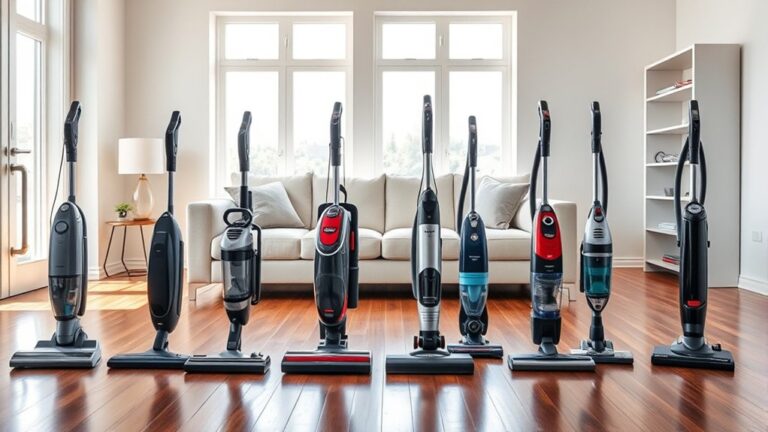
You’ll want a vacuum with strong suction and a HEPA filter to trap bed bugs and eggs effectively. A handheld vacuum with crevice attachments works best for tight spaces and mattresses, making removal easier and more thorough.
This combination ensures that even the smallest bugs and eggs are captured and not released back into your home. Using attachments designed for narrow areas helps target bed bugs hiding in seams and cracks.
Regular vacuuming with these features is an important part of a comprehensive bed bug control strategy.
How Often Should I Vacuum to Control Bed Bugs Effectively?
Think of bed bugs like stubborn weeds in a garden; you need to vacuum at least twice a week to keep them in check.
Consistent suction disrupts their hiding spots and stops infestations from growing out of control.
Is It Safe to Vacuum Bed Bugs Around Pets and Children?
Yes, you can safely vacuum bed bugs around pets and children if you use a vacuum with a HEPA filter and empty the bag or canister promptly outside.
Always keep kids and pets away during vacuuming for safety.
Can Vacuuming Bed Bugs Damage My Mattress or Furniture?
Vacuuming bed bugs won’t damage your mattress or furniture if you’re gentle. Like carefully dusting an antique, treating your belongings with care protects them while removing pests effectively. Just avoid harsh scrubbing or heavy suction in delicate areas.
Conclusion
So, go ahead and vacuum those bed bugs like it’s the hottest new dance craze—because nothing says “party” like sucking up creepy crawlies and their eggs! You’ll reach their sneaky hideouts, slash their numbers fast, and stop them from throwing wild house parties.
Plus, you’ll breathe easier without those pesky allergens. Just remember, vacuuming isn’t a solo hero—it’s the trusty sidekick to other treatments.
Now, grab that vacuum and show those bed bugs who’s boss! Vacuuming bed bugs is one of the best reasons to keep your home safe and clean, helping you eliminate these pests effectively and protect your family’s health.