How Much Is a Roomba Vacuum?
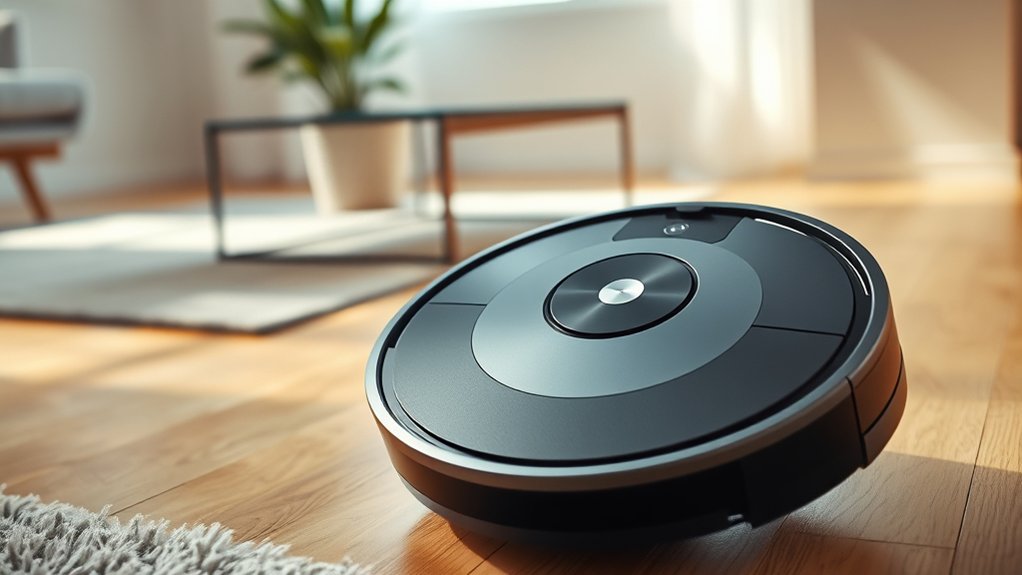
A Roomba vacuum is a popular choice for automated home cleaning, and its price varies widely based on the model and features you select. Understanding how much a Roomba vacuum costs can help you decide which one fits your needs and budget best. Prices generally range from affordable basic models to advanced units packed with smart technology.
A Roomba vacuum typically costs between $150 and over $1,000, depending on the model and features you want. Basic versions suit everyday messes and run around $150–$300, while mid-range models with better navigation and suction range from $300–$600.
High-end Roombas, offering smart mapping and self-emptying bins, can top $1,000. Factors like battery life, connectivity, and accessories also affect prices.
Keep exploring to find the best fit for your cleaning needs and budget.
Key Takeaways
- Roomba vacuums typically range in price from $150 to over $1,000 depending on the model and features.
- Basic models cost between $150 and $300, suitable for simple cleaning tasks on hard floors and low-pile carpets.
- Mid-range models priced $300–$600 offer improved navigation, suction power, and smart home connectivity.
- High-end Roombas cost $600 to $1,200+, featuring advanced mapping, automatic dirt disposal, and voice control.
- Maintenance costs like filter and brush replacements add around $15–$50 periodically to overall ownership expenses.
How Much Does a Roomba Vacuum Cost?
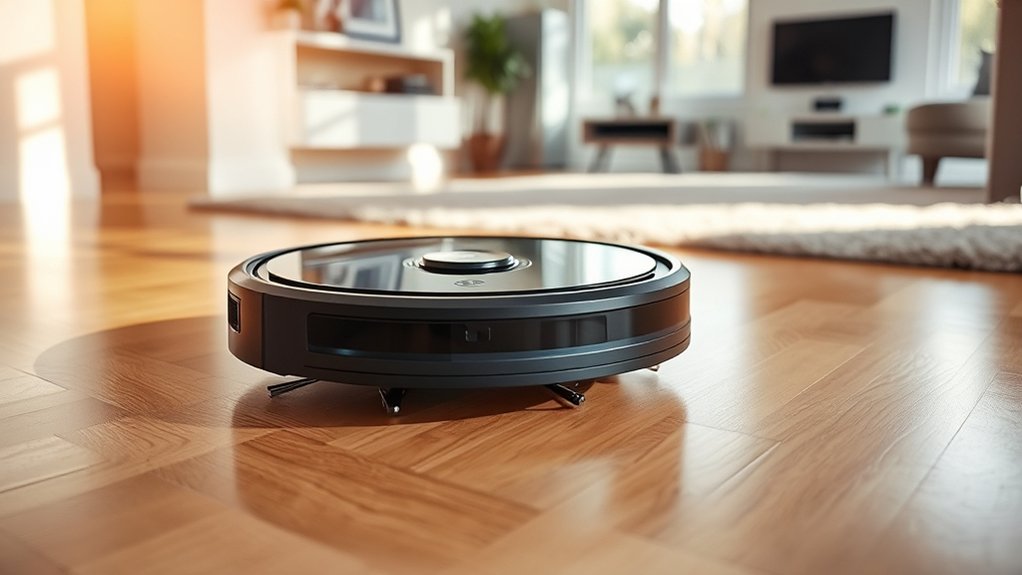
Wondering how much a Roomba vacuum will set you back? Prices typically range from around $150 to $1,000, depending on the model. If you want a basic Roomba that handles everyday dirt and pet hair, expect to spend about $150 to $300.
These models cover simple cleaning tasks without many smart features. For mid-range options, usually priced between $300 and $600, you’ll get better navigation and more powerful suction. High-end Roombas, costing $600 to $1,000, offer advanced mapping, app control, and self-emptying bins.
Keep in mind, special deals and sales can lower these prices. So, whether you’re on a budget or ready to invest in premium features, there’s a Roomba to fit your needs without surprises.
Key Factors That Affect Roomba Prices
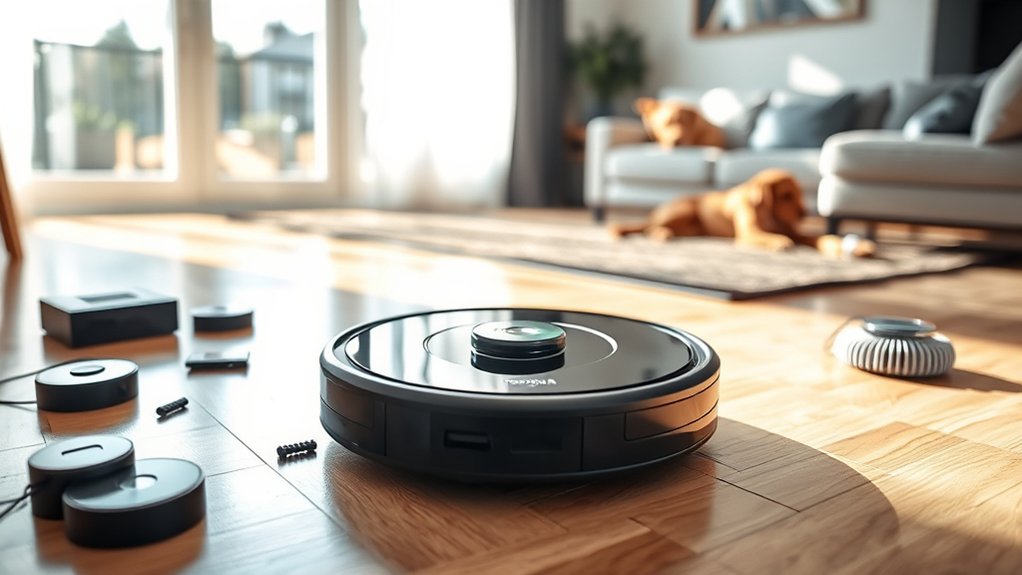
Several factors influence the price of a Roomba, helping you decide which model fits your budget and cleaning needs. First, the technology inside matters—advanced navigation systems and smart mapping raise the cost but improve efficiency. Battery life also plays a role; longer-lasting batteries mean fewer charges but come at a premium.
You’ll find that suction power and cleaning modes vary, affecting the price based on how thorough you want the cleaning to be. Connectivity features like app control and voice assistant compatibility add convenience and can increase the cost. Ultimately, build quality and included accessories, such as extra brushes or self-emptying bins, influence the price.
Understanding these factors helps you choose a Roomba that balances price with the features you value most.
Prices for Basic Roomba Models Explained
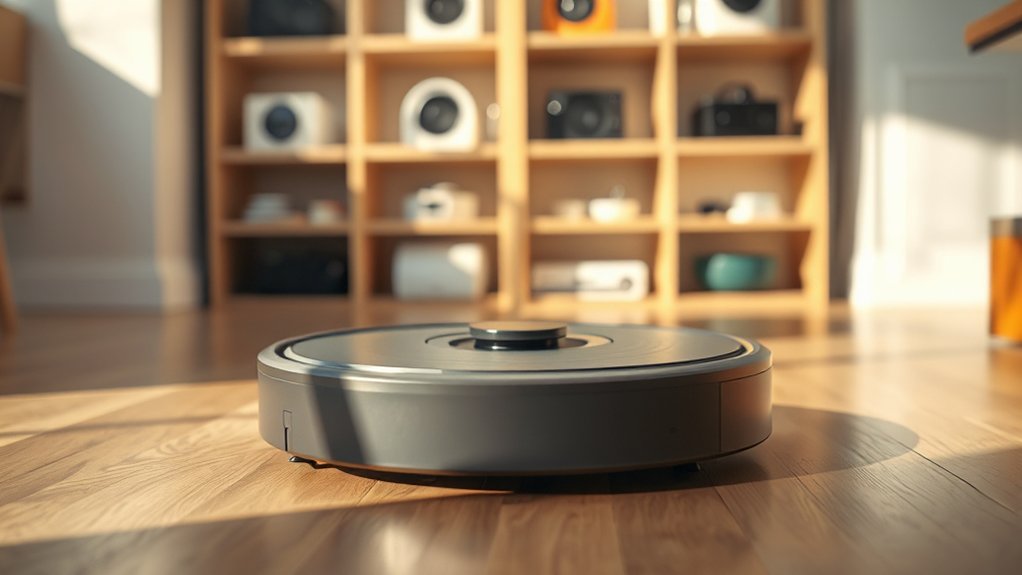
You’ll find that entry-level Roomba models usually come with a lower price tag, making them a budget-friendly choice. These basic models often include essential features like simple navigation and standard suction power.
Understanding which features impact the price helps you decide what fits your cleaning needs and budget.
Entry-Level Roomba Costs
Entry-level Roomba models typically cost between $200 and $300, making them a budget-friendly option for basic cleaning needs. If you’re looking to keep your floors tidy without breaking the bank, these models can handle everyday dirt, dust, and pet hair on hard floors and low-pile carpets.
You’ll find that entry-level Roombas offer simple scheduling, basic navigation, and auto-recharge features. They don’t include advanced sensors or smart home integration but still get the job done efficiently. These models are perfect if you want reliable vacuuming without extra bells and whistles.
When you stick to this price range, you’ll get a straightforward, easy-to-use robot vacuum that saves you time while maintaining clean floors.
Features Affecting Price
While basic Roomba models come at a lower price point, certain features directly influence their cost. You’ll notice that models with advanced navigation, such as smart mapping, tend to be pricier because they clean more efficiently and avoid obstacles better. Battery life also plays a role; longer-lasting batteries let you cover larger areas without recharging, pushing the price up.
Some Roombas include extra sensors for improved dirt detection, which means they can focus more on messier spots but cost a bit more. Additionally, Wi-Fi connectivity and app control add convenience, allowing you to schedule cleanings remotely, which usually raises the price. Finally, models with self-emptying bins come at a premium since they reduce maintenance effort for you.
These features explain why even basic Roombas vary in price.
What You Get With Mid-Range Roomba Vacuums
What features can you expect from mid-range Roomba vacuums? These models typically offer smart navigation, allowing the vacuum to map your home for efficient cleaning paths. You’ll get stronger suction power compared to entry-level options, which means better dirt and pet hair pickup.
Most mid-range Roombas come with app control, so you can schedule cleanings or start a session remotely. They often include multi-surface brushes and sensors to adjust cleaning on carpets and hard floors. Battery life is decent enough to cover average-sized homes without frequent recharges.
While they might lack some premium features like self-emptying bins, mid-range Roombas balance cost and performance well, giving you reliable, automated cleaning without breaking the bank.
The Price Range of High-End Roomba Models
When you look at high-end Roomba models, you’ll notice they come packed with advanced features like smart mapping and powerful suction. Prices can vary quite a bit depending on these upgrades and extra capabilities.
Understanding what you get for the price helps you decide if the added benefits are worth it for your needs.
Top-Tier Model Features
If you want the best cleaning performance and smartest features, top-tier Roomba models deliver impressive value despite their higher price tags. You’ll find advanced navigation systems that map your home with precision, allowing the vacuum to clean efficiently and avoid obstacles. These models often include powerful suction and multi-surface brushes that tackle pet hair, dust, and debris with ease.
You can expect features like automatic dirt disposal, so you don’t have to empty the bin frequently. Many also support smart home integration, letting you control cleaning schedules through voice commands or smartphone apps. Plus, extended battery life ensures thorough cleaning sessions in larger spaces.
These enhancements make top-tier Roombas a smart investment if you want convenience and deep cleaning in one package.
Pricing Variations Explained
Although high-end Roomba models come with advanced features, their prices can vary widely depending on the specific capabilities and included accessories. You’ll find models priced anywhere from around $600 to over $1,200. Factors like smart mapping, multi-floor navigation, and automatic dirt disposal add to the cost.
Some models include extra brushes, filters, or even virtual wall barriers, which also impact price. If you want the latest tech, such as voice assistant compatibility or advanced app controls, expect to pay more. On the other hand, models with fewer bells and whistles but still high performance may be more affordable.
Understanding these pricing differences helps you choose a Roomba that fits your cleaning needs and budget without paying for features you won’t use.
Value Compared To Benefits
High-end Roomba models may come with a higher price tag, but the benefits often justify the investment. These advanced vacuums typically range from $600 to over $1,000, offering features like smart mapping, voice control, and powerful suction.
When you choose a top-tier Roomba, you get superior cleaning efficiency, longer battery life, and the ability to customize cleaning schedules through an app. Plus, many models include self-emptying bins, which save you time and effort.
If you value convenience and want a thorough, hands-free cleaning experience, spending more upfront can save you both time and hassle in the long run. Ultimately, the price reflects the added technology and durability, making high-end Roombas a smart buy for those who want top performance.
Which Roomba Features Affect Price?
What makes one Roomba cost more than another? It’s the features that truly set them apart. When you’re choosing, consider these key factors:
- Navigation Technology – Models with advanced mapping and obstacle avoidance cost more but save you hassle.
- Suction Power – Higher-end Roombas offer stronger suction for deeper cleaning, especially on carpets.
- Smart Home Integration – If you want voice control or app scheduling, expect to pay a premium.
- Battery Life and Charging – Longer runtime and automatic recharge-and-resume features add convenience—and cost.
Comparing Roomba Prices With Other Robot Vacuums
When comparing Roomba prices with other robot vacuums, you’ll notice that Roombas often come with a higher price tag due to their advanced features and strong brand reputation. While other brands may offer lower-cost models, they typically lack Roomba’s sophisticated navigation systems, reliable cleaning performance, and seamless app integration.
You might find less expensive vacuums that cover basic cleaning tasks but don’t match Roomba’s consistency or durability. Some competitors focus on budget-friendly options but compromise on battery life or obstacle avoidance.
If you’re weighing options, consider that Roomba invests heavily in technology and customer support, which can justify the cost difference. Ultimately, your choice depends on whether you prioritize premium features or want a more affordable, simpler robot vacuum.
When Is a Roomba Worth Its Price?
You’ll find a Roomba worth its price if you value time-saving automation and consistent cleaning results. It’s especially valuable when you want to maintain a clean home without sacrificing your free time.
Consider investing in a Roomba if:
Consider investing in a Roomba if you value convenience, cleanliness, and smart home integration.
- You have pets that shed hair constantly, making daily vacuuming a hassle.
- You suffer from allergies and need regular, thorough cleaning to reduce dust and allergens.
- Your schedule is packed, leaving little room for manual cleaning sessions.
- You appreciate smart home integration and want a device that adapts to your lifestyle.
When these factors matter to you, a Roomba isn’t just a vacuum—it’s a time-saving, health-boosting investment that pays off daily.
Best Places to Buy a Roomba and Save
Although Roombas can be a significant investment, finding the right retailer can help you save money without compromising on quality. Start by checking major online stores like Amazon and Best Buy, where frequent sales and discounts make Roombas more affordable. Don’t forget to explore manufacturer websites like iRobot’s official store; they sometimes offer exclusive deals or bundles.
If you prefer in-person shopping, look for seasonal promotions at big-box retailers such as Walmart or Target. Additionally, consider certified refurbished models from trusted sellers—they often come with warranties and cost less. Signing up for newsletters or setting price alerts can also notify you about upcoming discounts.
Typical Roomba Maintenance Costs and Tips
Finding a great deal on a Roomba is just the start; keeping it running smoothly requires some regular upkeep. You’ll want to budget for parts and maintenance, which usually cost less than you might expect.
Here are four key tips to keep your Roomba in top shape without breaking the bank:
- Replace filters every 2-3 months ($15-$30) to maintain suction power.
- Change brushes every 6-12 months ($20-$50) to avoid wear and tear.
- Clean sensors and wheels regularly to prevent navigation errors—this costs nothing but time.
- Keep the battery healthy by charging properly and replacing it every 1-2 years ($50-$100).
Following these steps helps you avoid costly repairs and extends your Roomba’s life.
Frequently Asked Questions
How Long Does a Roomba Battery Typically Last?
A Roomba battery typically lasts about 1 to 2 years with regular use. You’ll notice decreased run time when it’s aging, so charging might take longer, and performance could drop before you need a replacement.
Can Roomba Vacuums Clean Pet Hair Effectively?
Yes, Roomba vacuums can clean pet hair effectively. In fact, some models pick up 99% of pet hair on hard floors and carpets,
so you’ll spend less time cleaning and more time enjoying a fur-free home.
Are Roombas Compatible With Smart Home Devices?
Yes, Roombas are compatible with smart home devices. You can connect them to Alexa, Google Assistant, or Apple HomeKit, letting you control cleaning schedules and start or stop the vacuum with simple voice commands.
This integration makes managing your cleaning routine more convenient. You can easily use voice commands to operate your Roomba without needing to manually control it.
How Noisy Is a Roomba During Operation?
You won’t need earplugs; a Roomba’s noise is about as loud as a normal conversation. Ironically, while it happily hums along cleaning, it’s quieter than the chaos of dust you’re trying to escape!
Do Roombas Require Wi-Fi to Function?
No, Roombas don’t require Wi-Fi to function. You can run basic cleaning tasks manually without connecting to the internet, but Wi-Fi lets you use features like scheduling, remote control, and updates through the app for convenience.
Conclusion
When you choose a Roomba, you invest in convenience, efficiency, and smart cleaning. Whether you go for a basic model, a mid-range option, or a high-end version, you get tailored features that fit your needs and budget. You save time, reduce effort, and enjoy cleaner floors.
So, weigh the price, consider the benefits, and decide when a Roomba is worth it for you. Clean smarter, save better, and live easier. Knowing how much is a Roomba vacuum can help you make the best choice for your home and lifestyle.