What Does a Good Vacuum at 1000 Microns Mean?
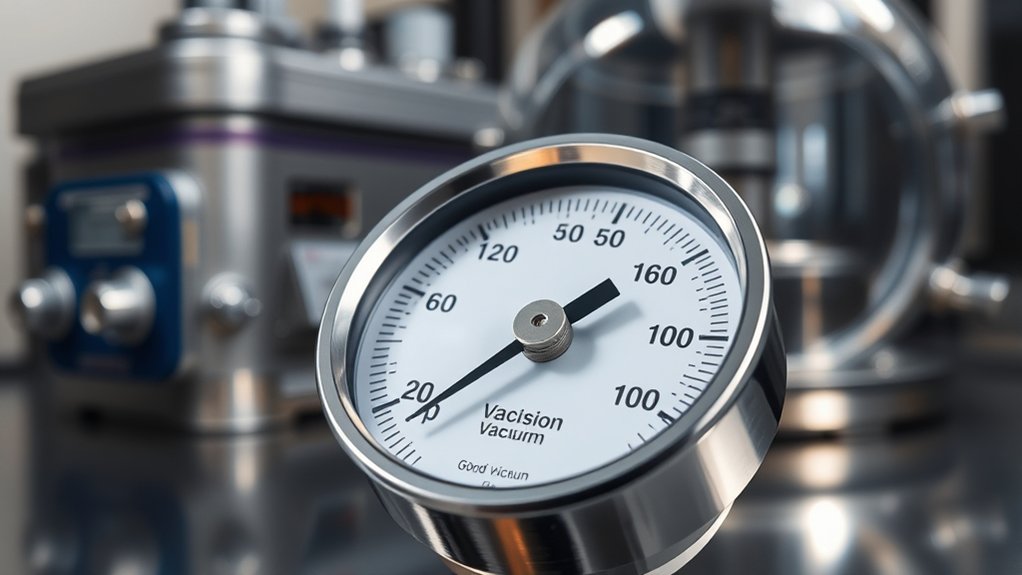
A good vacuum at 1000 microns in an HVAC system means effectively removing nearly all moisture and non-condensable gases. This level of vacuum is crucial for system efficiency and longevity.
Achieving 1000 microns indicates your system is clean and leak-free, which helps prevent common issues like corrosion and acid buildup.
Maintaining this vacuum level also stops ice formation, protecting your equipment from damage.
When your HVAC system operates at this optimal vacuum, it runs reliably and saves energy. This reduces the risk of costly repairs and extends the life of your equipment.
Understanding the tools and techniques to reach 1000 microns is essential. It ensures your system performs at its best and maintains indoor air quality.
Keep exploring to learn more about maintaining this critical vacuum level.
Key Takeaways
- A vacuum at 1000 microns means most air, moisture, and contaminants are effectively removed from the system.
- It indicates a deep vacuum level ensuring system integrity and leak-free operation.
- Achieving 1000 microns prevents corrosion, acid formation, and damage to HVAC components.
- This vacuum level supports optimal refrigerant flow and efficient system performance.
- 1000 microns is a standard benchmark in HVAC for proper evacuation and system cleanliness.
Understanding 1000 Microns in Vacuum Measurement
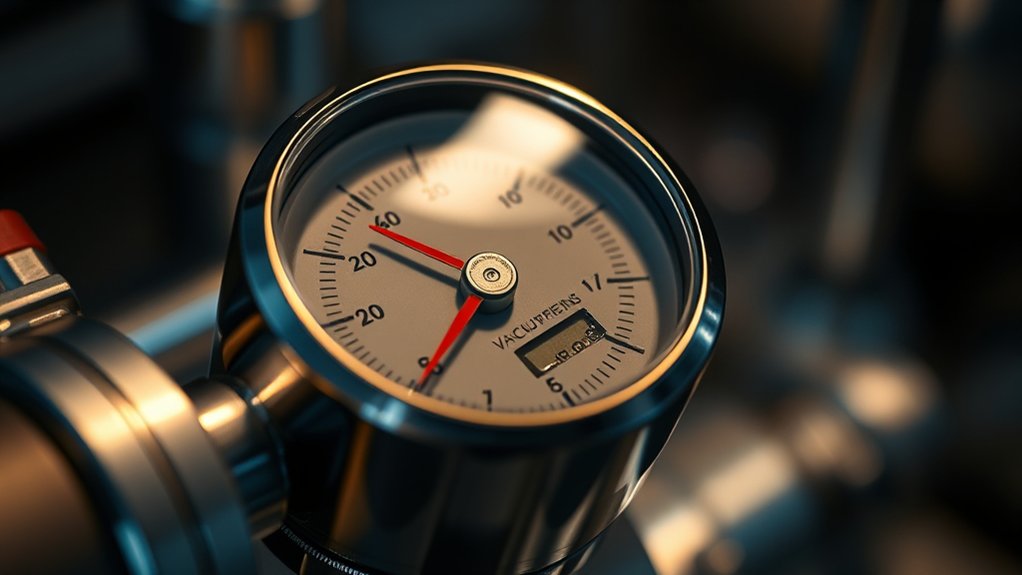
Although vacuum measurement can seem complex, understanding what 1000 microns means is straightforward once you know the basics. Microns measure pressure, specifically how much air remains inside a sealed space. When you hear “1000 microns,” it means there’s 1,000 micrometers of mercury pressure left, which is quite low compared to atmospheric pressure.
This unit helps you gauge how much air or moisture is still trapped in a system. The lower the micron reading, the better the vacuum you’ve achieved. You’ll often encounter microns when working with HVAC systems or vacuum pumps.
Keeping an eye on this measurement guarantees you’re creating the right environment for your equipment to function properly. Understanding microns helps you interpret your vacuum gauge accurately and make informed decisions.
Why Achieving 1000 Microns Matters for HVAC Systems
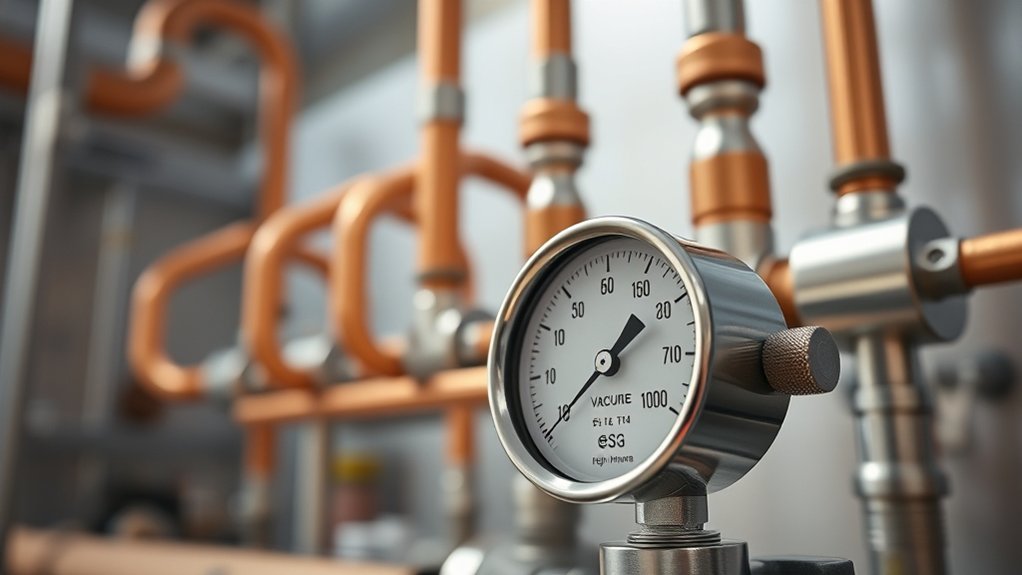
You need to achieve 1000 microns to create a deep vacuum that boosts your HVAC system’s efficiency. Hitting this level helps remove moisture and contaminants that can cause damage.
Without reaching 1000 microns, your system might not perform at its best or last as long.
Importance of Deep Vacuum
Why does achieving a deep vacuum of 1000 microns matter for HVAC systems? When you reach this level, you effectively remove moisture, air, and non-condensable gases from the system. This guarantees the equipment operates reliably and prevents damage.
Without a deep vacuum, you risk corrosion, reduced lifespan, and poor performance.
Here’s why hitting 1000 microns is essential:
- Eliminates moisture that can freeze or cause acid formation
- Removes air that reduces heat transfer efficiency
- Prevents compressor damage from contaminants
- Ensures proper refrigerant flow and pressure
- Guarantees a clean environment for system components
Impact on System Efficiency
Achieving a deep vacuum of 1000 microns not only protects your HVAC system components but also directly boosts its efficiency. When you reach this vacuum level, you remove most air and non-condensable gases from the system, which reduces internal pressure and prevents performance losses. This means your system can operate closer to its designed capacity, improving cooling or heating output and lowering energy consumption.
You’ll notice smoother compressor operation and fewer chances of overheating, which extends equipment life and reduces maintenance costs. By consistently hitting 1000 microns, you guarantee ideal refrigerant flow and heat exchange efficiency. Ultimately, this level of vacuum helps your HVAC system run more reliably and economically, saving you money and preventing costly downtime over time.
Preventing Moisture Contamination
How does moisture sneak into your HVAC system, and why does it pose such a threat? Moisture enters through leaks or when air with humidity remains trapped inside. If you don’t achieve a vacuum at 1000 microns or better, water vapor lingers and can freeze, corrode, or cause acid formation inside your system.
Preventing moisture contamination is critical because it:
- Protects compressor components from rust and corrosion
- Prevents ice blockages that disrupt refrigerant flow
- Stops acid buildup that damages seals and valves
- Enhances overall system reliability and lifespan
- Maintains optimal cooling and heating performance
How 1000 Microns Vacuum Pressure Removes Moisture and Extends System Life
When you pull a vacuum down to 1000 microns, you drastically reduce the moisture trapped inside the system. At this level, the pressure drops low enough to vaporize water and other contaminants, effectively removing them. This process prevents corrosion, ice formation, and acid creation, all of which can damage components and reduce efficiency.
Tools and Equipment to Measure Vacuum at 1000 Microns
What tools do you need to accurately measure vacuum levels at 1000 microns? To guarantee precise readings, you’ll want specialized equipment designed for low-pressure measurement. Regular gauges won’t cut it here since you need instruments sensitive enough to detect micron-level vacuums.
Here are five essential tools you should consider:
- Micron gauge (thermocouple or capacitance manometer) – provides accurate readings in the micron range
- Vacuum pump with gauge port – allows you to create and measure vacuum simultaneously
- Digital vacuum gauge – offers easy-to-read digital output for precision
- Handheld vacuum meter – portable and convenient for field measurements
- Calibration kit – ensures your gauges remain accurate over time
Using the right tools helps you maintain reliable vacuum levels at 1000 microns.
Steps to Achieve a Good Vacuum at 1000 Microns
Before you can achieve a reliable vacuum at 1000 microns, you need to prepare your equipment and workspace carefully. Start by inspecting your vacuum pump and gauges for any damage or leaks. Replace worn seals and tighten fittings to prevent air ingress.
Next, connect your system securely, ensuring all connections are airtight. Turn on the vacuum pump and monitor the pressure gauge closely. Allow the pump to run steadily, avoiding rapid starts and stops that can affect performance.
Once the pressure nears 1000 microns, close any isolation valves to maintain the vacuum. Finally, hold the vacuum for a few minutes to confirm stability. By following these steps methodically, you’ll consistently achieve and maintain a good vacuum at 1000 microns.
Common Challenges Reaching 1000 Microns and How to Fix Them
You’ll often face challenges like detecting leaks quickly and optimizing your pump’s performance when reaching 1000 microns. Identifying these issues early can save you time and effort.
Let’s explore how to tackle these common obstacles effectively.
Detecting Leaks Efficiently
How can you pinpoint leaks quickly when trying to reach 1000 microns in a vacuum system? Start by methodically inspecting all connections and seals, since even tiny leaks can prevent achieving the desired vacuum level. Use a reliable leak detector or soapy water to spot escaping air.
Here are five tips to help you detect leaks efficiently:
- Check all fittings and joints for tightness.
- Inspect O-rings and gaskets for wear or damage.
- Use a helium leak detector for sensitive detection.
- Monitor vacuum gauge fluctuations to identify leak locations.
- Seal suspect areas temporarily to see if the vacuum improves.
Optimizing Pump Performance
Why does your vacuum pump struggle to reach 1000 microns despite proper leak detection? Often, internal pump issues or contamination limit its efficiency. Check the oil level and quality—dirty or old oil reduces sealing and compression.
Replace it regularly. Also, inspect the pump’s internal components for wear or damage; worn vanes or seals can cause poor performance. Make sure the pump’s intake filter is clean to avoid airflow restrictions.
Another common challenge is overheating, which can degrade pump parts and oil. Allow sufficient cool-down time between runs. Finally, verify your pump’s capacity matches the system size; an undersized pump may never reach 1000 microns efficiently.
How to Interpret Vacuum Readings to Confirm System Integrity
Although vacuum readings can seem straightforward, interpreting them correctly is essential to confirming system integrity. When you measure vacuum at 1000 microns, you’re checking for leaks, moisture, or contamination that could compromise the system.
Here’s how you can interpret those readings effectively:
- A steady reading near 1000 microns usually means the system is properly sealed.
- Fluctuating readings might indicate a leak or outgassing inside the system.
- Slow rise in pressure after isolation suggests a minor leak or moisture presence.
- Rapid pressure increase means a significant leak or pump failure.
- Consistently high readings above 1000 microns indicate the need for further evacuation or repair.
Comparing 1000 Microns to Other Vacuum Levels in HVAC Applications
Once you’ve confirmed system integrity with a reading at 1000 microns, it helps to understand how this measurement stacks up against other vacuum levels commonly used in HVAC work. For example, a rough vacuum might be around 10,000 microns, which is usually insufficient for removing moisture and non-condensable gases. A deep vacuum, often below 500 microns, offers even greater assurance for system cleanliness and performance, especially in more sensitive applications.
While 1000 microns isn’t the deepest vacuum you can achieve, it strikes a practical balance—good enough to ensure most contaminants are removed without excessive pump time. Knowing these differences helps you decide whether you need to push for a deeper vacuum or if 1000 microns adequately meets the system’s requirements.
Tips to Maintain a Stable 1000 Microns Vacuum Over Time
To keep your vacuum stable at 1000 microns, you’ll need to monitor your system regularly and address any leaks promptly. Maintaining this vacuum level guarantees ideal HVAC performance and prevents system damage.
Here are some tips to help you maintain a stable vacuum over time:
- Check all connections and seals frequently to catch leaks early.
- Use a high-quality vacuum gauge for accurate readings.
- Perform routine maintenance on your vacuum pump to ensure efficiency.
- Avoid leaving the system open to the atmosphere longer than necessary.
- Purge moisture and contaminants regularly to prevent pressure fluctuations.
Frequently Asked Questions
Can 1000 Microns Vacuum Levels Impact Indoor Air Quality?
Yes, 1000 microns vacuum levels can impact indoor air quality because they indicate how well air and contaminants are removed. You’ll notice better filtration and fewer pollutants, keeping your indoor environment healthier and cleaner overall.
How Does Temperature Affect Achieving 1000 Microns Vacuum?
Temperature tweaks the task; too hot or too cold can challenge your chances of achieving 1000 microns. You’ll want stable surroundings since shifting temps shift pressure, slowing your success in reaching that precise vacuum point efficiently.
Are There Safety Risks When Working to Reach 1000 Microns Vacuum?
Yes, you face safety risks reaching 1000 microns vacuum, like implosion hazards and exposure to refrigerants. You should wear protective gear, work in well-ventilated areas, and follow proper procedures to stay safe.
What Maintenance Is Needed for Vacuum Pumps Used at 1000 Microns?
You need to regularly check oil levels, change the oil, clean or replace filters, inspect seals for leaks, and guarantee the pump is free of debris.
Staying on top of maintenance keeps your vacuum pump efficient at 1000 microns.
Can Achieving 1000 Microns Vacuum Reduce Energy Consumption in HVAC Systems?
Yes, achieving 1000 microns vacuum can reduce energy consumption in HVAC systems by improving refrigerant recovery and system efficiency. You’ll notice faster cooling cycles and less strain on compressors, saving energy and extending equipment life.
This improved efficiency means the system doesn’t have to work as hard, leading to lower electricity bills. Additionally, maintaining a deep vacuum helps prevent moisture and contaminants from causing damage.
Conclusion
So, you’ve aimed for that perfect 1000 microns vacuum, thinking it’s just a number. Ironically, hitting this tiny measurement actually means you’ve done a huge favor for your HVAC system—banishing moisture and extending its life. It’s not magic, just good science and the right tools.
Keep at it, and you’ll find that maintaining this “small” vacuum makes a big difference—because sometimes, the smallest details really do matter most. Achieving a good vacuum at 1000 microns ensures optimal system performance and protects your HVAC investment. Understanding what does a good vacuum at 1000 microns mean can help you maintain efficiency and longevity.