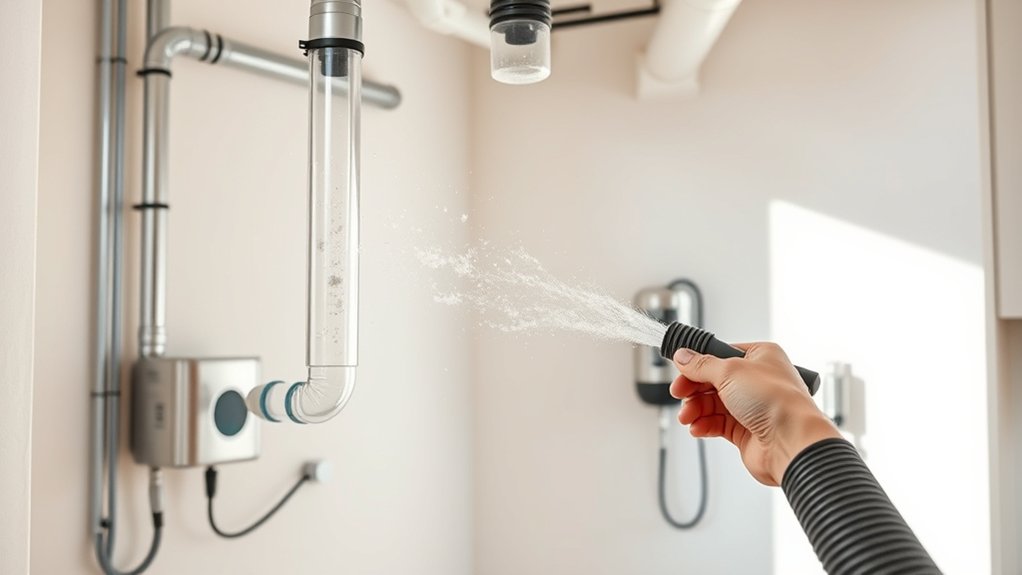
How Does a Central Vacuum Work Step by Step
You connect a lightweight hose to wall inlets that pick up dirt as you vacuum. These inlets are strategically placed throughout your home for easy access.
Suction from a powerful motor, usually installed remotely in a basement or garage, pulls debris through hidden pipes behind walls.
The dirt travels quickly to a central unit where heavy particles drop into a canister, and fine dust gets filtered out, keeping your indoor air clean.
This setup reduces noise and effort, offering stronger suction compared to traditional vacuums.
To understand how each component boosts performance, keep exploring. The central vacuum system combines convenience, efficiency, and improved air quality in one powerful cleaning solution.
Key Takeaways
- Dirt is loosened from surfaces and sucked into wall inlets connected to hidden piping behind walls and ceilings.
- Strong suction generated by a remote motor pulls debris through airtight pipes to a central collection container.
- Heavy particles settle in the container while fine dust is trapped by filters to prevent indoor air contamination.
- Clean air is expelled outside or into a remote container, maintaining better indoor air quality and quieter operation.
- Regular inspection and cleaning of hoses, filters, and attachments ensure optimal suction and system longevity.
What Is a Central Vacuum System and How It Differs From Regular Vacuums
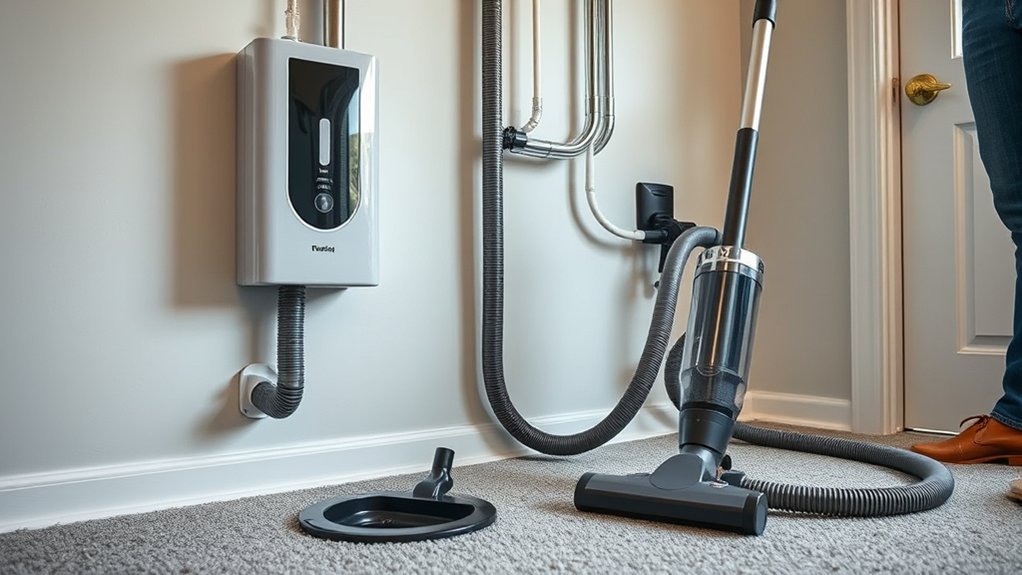
What makes a central vacuum system different from the regular vacuums you’re used to? Unlike portable vacuums that you lug around, a central vacuum is built into your home. It consists of a powerful motor unit installed in a remote area like a basement or garage.
You connect to this system through wall inlets using lightweight hoses. This setup means you don’t carry a heavy vacuum, making cleaning less tiring. Plus, central vacuums offer stronger suction and quieter operation since the motor is far from living spaces.
You’ll also notice less dust and allergens because dirt is expelled outside your living area. Overall, it’s a more convenient, efficient, and cleaner way to maintain your home compared to traditional vacuums.
How Dirt Enters the Central Vacuum System
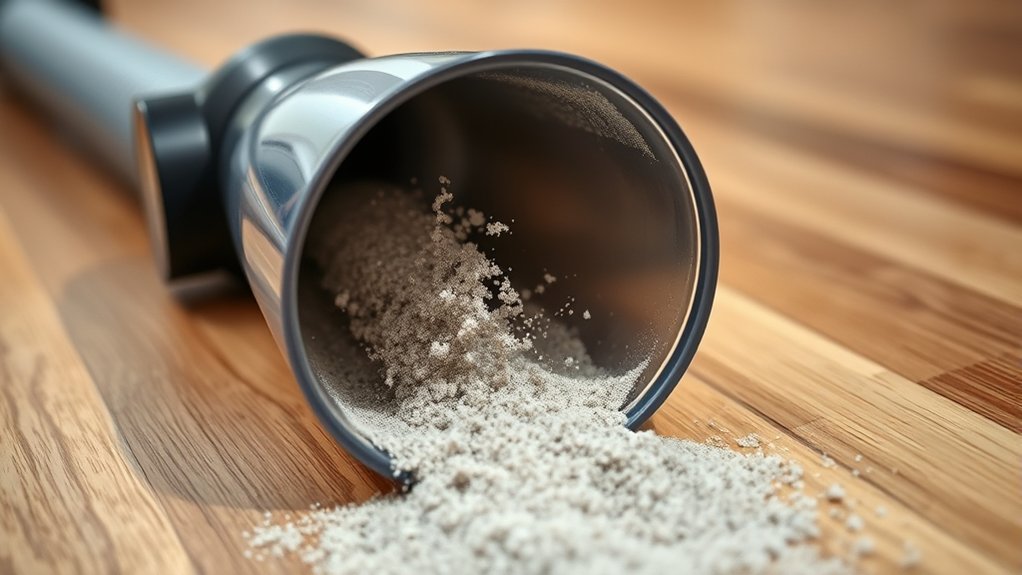
After understanding how a central vacuum system is set up and its benefits, it’s helpful to see exactly how dirt makes its way into the system. When you activate the vacuum, dirt travels through a series of steps that bring it from your floors to the central unit.
Activating the vacuum sets dirt on a journey from your floors to the central unit.
Here’s how dirt enters the system:
- Dirt loosens from surfaces as you vacuum.
- It’s sucked into the wall inlets connected to the central system.
- The strong suction pulls dirt through the tubing hidden inside your walls.
- Dirt finally reaches the central vacuum unit, where it’s collected in a large canister or bag.
This efficient process keeps your home cleaner by removing debris far from your living spaces.
How Inlets and Hoses Move Dirt in a Central Vacuum
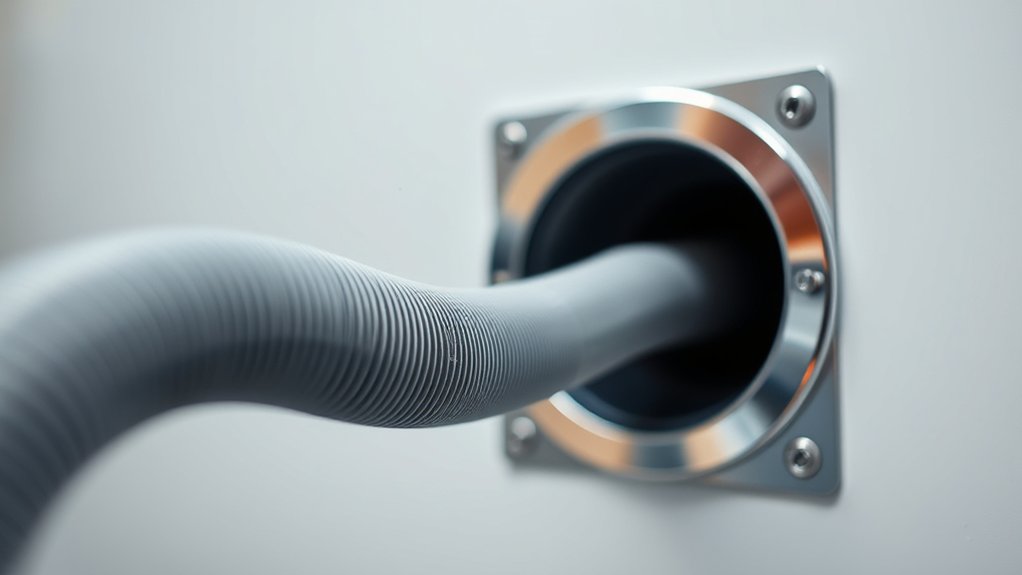
Because the inlets and hoses form the pathway for dirt to travel, understanding their role is key to seeing how a central vacuum keeps your home clean. When you plug the hose into an inlet, it creates a sealed connection that maintains strong suction. As you vacuum, dirt and debris get drawn through the hose by this suction.
The hose is flexible yet airtight, ensuring dirt doesn’t escape along the way. Inlets are strategically placed throughout your home, so you only need to carry the hose to the area you want to clean. This system lets you move dirt efficiently from floors, carpets, and upholstery directly into the hose.
The hose then channels it onward without losing suction or spilling dust back into your space.
How the Piping System Transports Dirt to the Central Unit
While the hose carries dirt from your floors, the piping system takes over to transport it all the way to the central unit. This network of pipes is installed behind your walls and ceiling, creating a seamless path for debris.
The piping system seamlessly transports dirt from your floors to the central unit through hidden pipes behind walls and ceilings.
Here’s how it works:
- The piping system connects to every inlet throughout your home.
- When you turn on the vacuum, suction pulls dirt into the hose and then into the piping.
- The pipes use air pressure to swiftly carry dirt through bends and long distances.
- The system’s airtight seals prevent leaks, maintaining strong suction until dirt reaches the central unit.
How Dirt Is Collected Inside the Central Unit
How exactly does the central unit gather all the dirt transported through the piping system? Once dirt and debris arrive at the central unit, they enter a large collection container or dirt canister. This container is designed to separate dirt from the airflow efficiently.
Dirt and heavier particles fall directly into the canister, while the air continues moving through filters, trapping finer dust. You’ll find that the canister is easy to remove and empty, making maintenance simple. Some systems use disposable bags inside the canister, while others rely on washable filters.
Either way, the central unit guarantees dirt stays contained, preventing it from recirculating into your home’s air. This setup keeps your living space cleaner and reduces allergens effectively.
How the Central Vacuum Motor Creates Suction
What powers the suction in a central vacuum system? It’s the motor inside the central unit that does all the heavy lifting. When you switch on the vacuum, the motor kicks into action and starts spinning rapidly.
Here’s how it creates suction:
Here’s how the motor generates powerful suction to keep your home clean and debris-free.
- The motor’s spinning fan pulls air from the connected pipes.
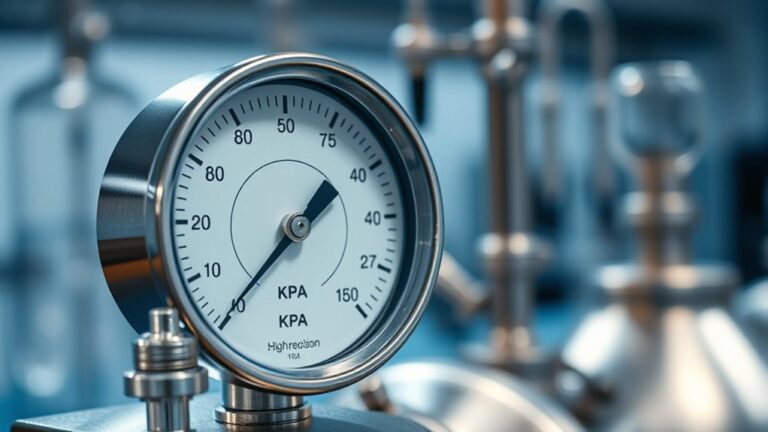
- This movement lowers the air pressure inside the system.
- The pressure difference causes air (and dirt) to rush in through the inlet valves.
- The continuous airflow carries debris into the dirt collection container.
You rely on this motor-driven suction to efficiently draw dirt away from your floors and surfaces. Without a strong, well-functioning motor, the system simply can’t generate the suction power needed for effective cleaning.
How Central Vacuums Improve Indoor Air Quality
The powerful motor inside a central vacuum doesn’t just create strong suction—it also helps keep the air in your home cleaner. Unlike portable vacuums, a central vacuum system expels dust and allergens outside or into a remote container, preventing them from recirculating back into your living space. This means you breathe fewer airborne particles, reducing allergy and asthma triggers.
Additionally, central vacuums use powerful filtration that captures fine dust, pet dander, and other pollutants more effectively. Because the motor and exhaust are located away from your rooms, you avoid the dust clouds typical with traditional vacuums.
Key Features That Improve Central Vacuum Efficiency
To get the most from your central vacuum, you’ll want to focus on motor power optimization, filtration system efficiency, and hose and port design. These features directly impact how well your system performs and how easy it is to use.
Let’s explore how each one boosts your vacuum’s efficiency.
Motor Power Optimization
How exactly does motor power optimization boost your central vacuum’s efficiency? By fine-tuning the motor’s performance, you get stronger suction and longer-lasting operation without wasting energy.
Here’s how it works:
- Variable speed control lets you adjust power based on the cleaning task, saving energy when full power isn’t needed.
- Efficient motor design reduces heat buildup, improving durability and maintaining peak suction.
- Smart sensors monitor motor load, preventing overload and optimizing power output automatically.
- Balanced airflow management ensures the motor works smoothly, reducing strain and enhancing performance.
Filtration System Efficiency
Why does a central vacuum’s filtration system matter so much for efficiency? It traps dirt, dust, and allergens effectively, preventing them from clogging the motor or escaping back into your home. A high-quality filtration system guarantees sustained suction power by keeping airflow smooth and uninterrupted.
When filters are efficient, you don’t have to clean or replace them as often, which keeps maintenance easy and your vacuum running longer. Look for systems with multi-stage filtration or HEPA filters—they capture even the tiniest particles, improving indoor air quality.
Plus, efficient filters reduce strain on the motor, saving energy and extending its lifespan. By choosing a central vacuum with an excellent filtration system, you maintain powerful cleaning performance and breathe easier in your home.
Hose and Port Design
Several key features in hose and port design directly impact your central vacuum’s efficiency. When you understand these, you can optimize performance and ease of use.
- Seamless Connections: A tight, secure fit between hose and port prevents air leaks, maintaining strong suction power.
- Ergonomic Hose: Lightweight, flexible hoses reduce fatigue and make maneuvering easier, so you clean longer without strain.
- Swivel Ports: These allow the hose to rotate freely, preventing kinks that can block airflow and reduce suction.
- Quick-Release Mechanisms: They enable fast hose attachment and detachment, saving you time during setup and cleanup.
Tips for Maintaining and Troubleshooting Your Central Vacuum
To keep your central vacuum running smoothly, regularly clean the filters and check your hoses and attachments for damage. You’ll also want to learn some common troubleshooting tips to quickly fix issues when they arise.
These simple steps can save you time and extend the life of your system.
Regular Filter Cleaning
How often should you clean your central vacuum’s filter to keep it running efficiently? Ideally, you should check and clean it every three to six months, depending on usage and debris levels.
Neglecting filter maintenance can reduce suction power and strain the motor.
Follow these steps for regular filter cleaning:
- Turn off and unplug the vacuum system for safety.
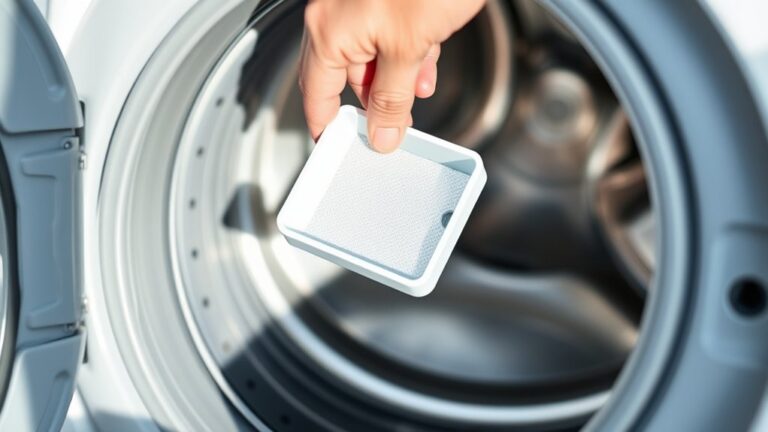
- Locate and remove the filter according to your model’s instructions.
- Gently tap or brush off accumulated dust and debris—avoid washing unless specified.
- Reinstall the filter securely and test the vacuum’s suction.
Hose and Attachment Care
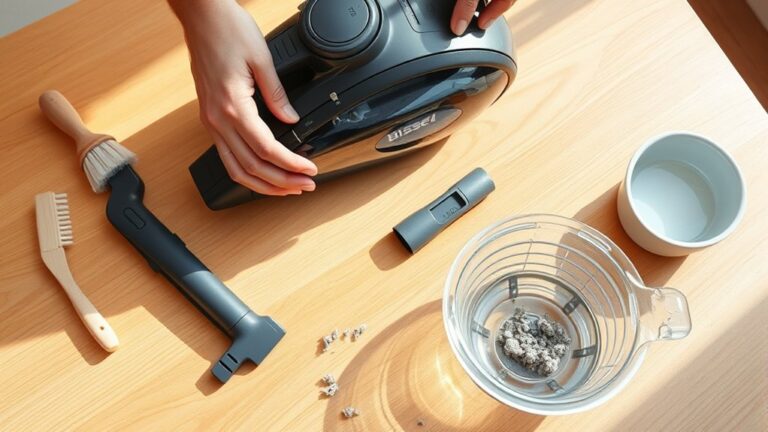
Although the hose and attachments might seem less vital than the main unit, they play an essential role in your central vacuum’s performance. You should regularly inspect your hose for cracks or holes, as even small damage can reduce suction power. After each use, detach the hose and check the inside for blockages.
Clean the attachments by wiping them down and removing debris to keep them functioning smoothly. Store your hose and attachments properly by hanging the hose coiled without kinks and keeping attachments in a dry, accessible place. Avoid pulling the hose aggressively to prevent wear and tear.
Common System Troubleshooting
When your central vacuum isn’t performing as expected, you’ll want to quickly identify and fix common issues before they worsen. Start by checking the dirt canister or bag—empty it if it’s full. Then, inspect the hose and attachments for clogs or damage that could restrict airflow.
Next, examine the power unit’s filter; a clogged filter reduces suction and needs cleaning or replacement. Finally, verify that all valves and electrical connections are secure and functioning properly.
- Empty the dirt canister or replace the bag regularly.
- Check hoses and attachments for blockages or tears.
- Clean or replace the power unit’s filter as needed.
- Ensure all valves and wiring are intact and connected.
Following these tips keeps your system running smoothly.
Frequently Asked Questions
Can Central Vacuum Systems Be Installed in Existing Homes?
Yes, you can install central vacuum systems in existing homes. You’ll run tubing through walls or basements, connect the power unit, and add inlets.
It’s less disruptive than you might think with proper planning and tools.
What Is the Average Lifespan of a Central Vacuum System?
You can expect your central vacuum system to last around 20 to 25 years with proper maintenance. Regularly emptying the canister and checking filters will help keep it running efficiently for the long haul.
Taking care of your system by inspecting hoses and attachments also contributes to its longevity.
Consistent upkeep ensures optimal performance and reduces the likelihood of costly repairs.
Are Central Vacuums Noisy Compared to Traditional Vacuums?
You won’t believe it, but central vacuums are up to 70% quieter than traditional ones.
Since the motor’s remote, you won’t hear that loud roar while cleaning, making your home much more peaceful.
Can Central Vacuum Systems Handle Wet Spills?
No, central vacuum systems usually can’t handle wet spills unless specifically designed for it.
You’ll need a wet/dry vacuum or a special attachment to safely clean up liquids without damaging the system.
How Much Does a Central Vacuum System Typically Cost?
A central vacuum system typically costs between $1,000 and $3,000, depending on your home size and features. Don’t let the price scare you; it’s an investment that cleans effortlessly and lasts for years.
Conclusion
Now that you know how a central vacuum works step by step, you can see how it makes cleaning easier and more efficient.
Isn’t it great to have a system that not only removes dirt effectively but also improves your indoor air quality?
With proper maintenance, your central vacuum will keep your home fresh and clean for years.
So, why settle for less when you can enjoy the benefits of a powerful, built-in cleaning solution?
A central vacuum system offers superior suction power, convenient operation, and better air filtration compared to traditional vacuums.
Investing in a central vacuum means investing in a cleaner, healthier living environment for you and your family.