How Long Does Food Last in a Vacuum Pack?
Vacuum-packed food lasts much longer than unpackaged items because removing oxygen slows spoilage. This method is especially effective for extending the shelf life of various foods, including raw meat, seafood, leftovers, nuts, and grains.
Understanding how long food lasts in a vacuum pack helps you store it safely and reduce waste.
In your fridge, raw meat stays fresh for 1–2 weeks, leftovers also last 1–2 weeks, and seafood can remain good for up to a week.
When frozen, raw meats can last 1–3 years, while seafood typically lasts 6–12 months.
Nuts and grains can stay fresh for a year or more when vacuum-sealed and stored in cool, dry places.
Proper storage and handling keep your food safe and tasty.
Find out the best ways to store and spot spoilage next.
Key Takeaways
- Vacuum-packed raw meat lasts 1–2 weeks in the refrigerator and 1–3 years in the freezer depending on the type.
- Cooked leftovers can stay fresh for 1–2 weeks when vacuum sealed and refrigerated.
- Seafood lasts 4–7 days refrigerated and 6–12 months frozen when vacuum packed, with fatty fish closer to 6 months.
- Fruits and vegetables typically last 1–2 weeks refrigerated and 8–12 months frozen under vacuum sealing.
- Vacuum packing extends shelf life by removing oxygen, slowing spoilage, and preserving flavor, color, and nutrients.
How Long Does Vacuum-Packed Food Last?
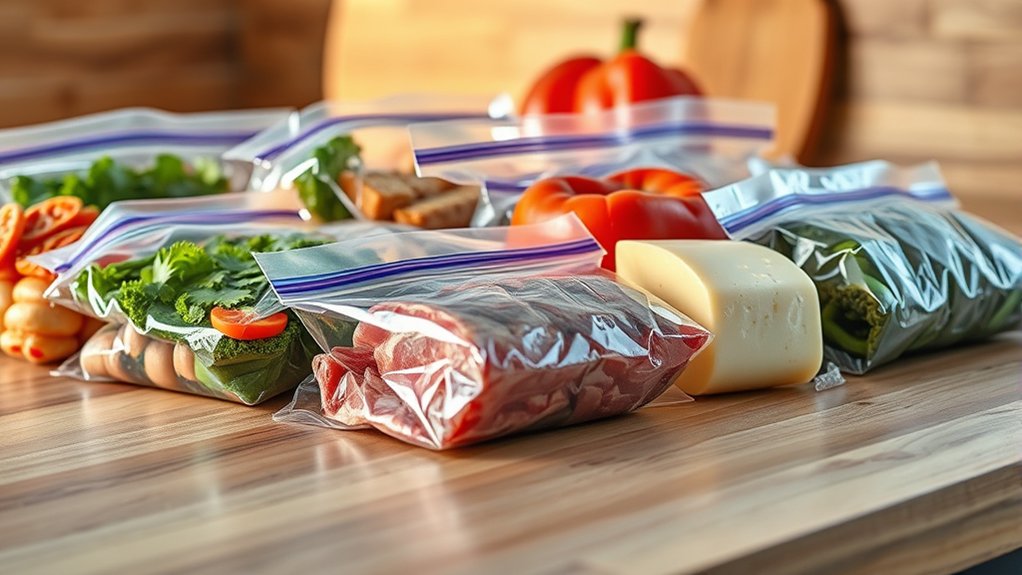
Although vacuum sealing considerably extends shelf life, how long your food lasts depends on the type of food and storage conditions. For instance, vacuum-packed raw meat can last 1 to 2 weeks in the refrigerator, compared to just a few days without sealing. Cooked leftovers generally stay fresh for about 1 to 2 weeks when vacuum sealed.
Dry goods like nuts or coffee beans can last several months, sometimes up to a year, when stored in a cool, dark place. Frozen vacuum-packed items can last 1 to 3 years, depending on the food. Keep in mind, vacuum sealing slows spoilage but doesn’t stop it entirely.
Always check for signs of spoilage before consuming, no matter how long it’s been stored.
How Vacuum Packing Extends Food Shelf Life
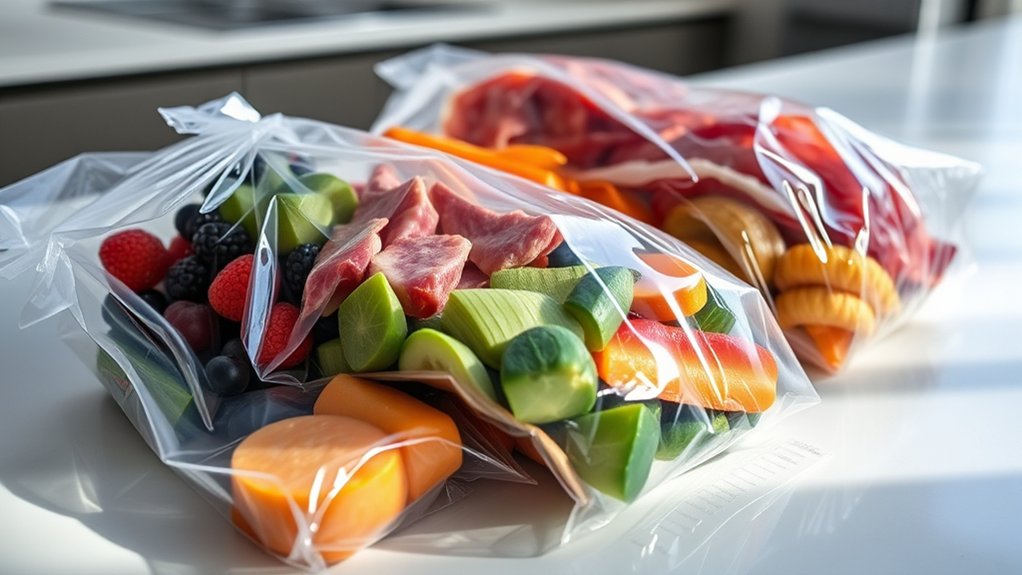
When you vacuum pack food, you remove most of the oxygen that bacteria need to grow. This slows down spoilage and helps keep your food fresh longer. Understanding this process shows why vacuum packing is so effective at extending shelf life.
Oxygen Removal Benefits
Because vacuum packing removes oxygen from the packaging, it considerably slows down the growth of bacteria and mold that need oxygen to thrive. This process helps preserve food quality and freshness much longer than traditional storage methods. When oxygen is eliminated, you’ll notice several key benefits:
- Prevents oxidation: Reduces spoilage caused by exposure to air, maintaining flavor and color.
- Inhibits aerobic microorganisms: Limits organisms that require oxygen, keeping food safer.
- Preserves nutrients: Slows down nutrient degradation, keeping your food more nutritious over time.
Slowing Bacterial Growth
By removing oxygen, vacuum packing creates an environment that markedly slows bacterial growth, helping your food last much longer. Most bacteria need oxygen to thrive and multiply, so when you vacuum seal your food, you effectively starve these microbes of the air they depend on. This slows spoilage and reduces the risk of foodborne illnesses.
While vacuum packing doesn’t eliminate all bacteria, it greatly delays their activity, giving you more time to store your food safely. Keep in mind, though, that some anaerobic bacteria can survive without oxygen, so proper refrigeration alongside vacuum sealing is essential.
How Storage Conditions Affect Vacuum-Packed Food Freshness
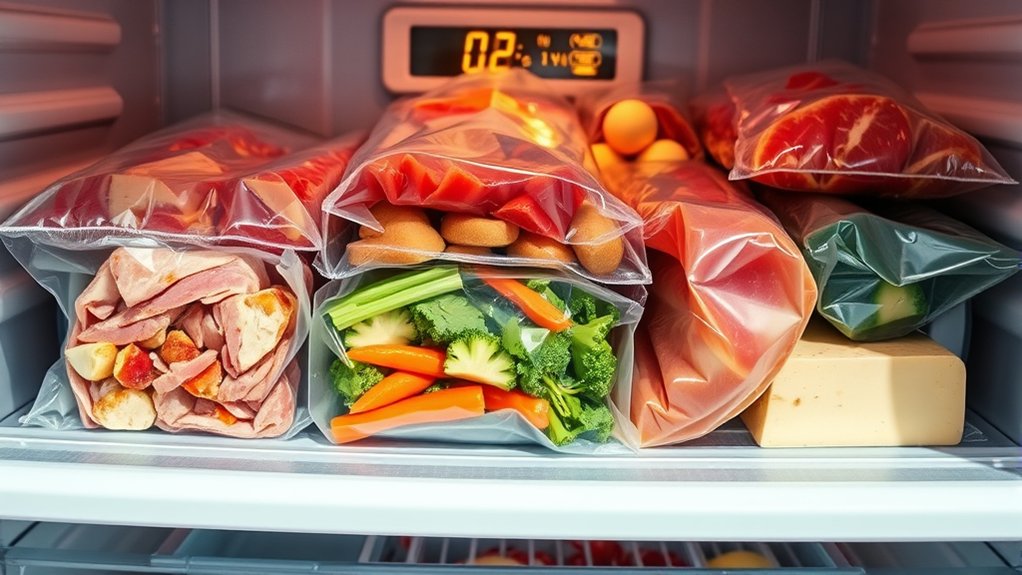
You’ll find that temperature plays a vital role in keeping vacuum-packed food fresh, with cooler conditions slowing spoilage. Humidity also affects freshness by promoting mold or moisture buildup if not properly controlled.
Understanding these factors helps you store your vacuum-packed food for the longest shelf life.
Temperature’s Role
Although vacuum sealing removes air to slow spoilage, temperature still plays an essential role in preserving your food’s freshness. Even the best vacuum pack won’t protect your food if it’s stored at the wrong temperature.
Keeping vacuum-packed items consistently cold or frozen is key to extending their shelf life and preventing bacterial growth.
Here’s what you need to remember:
- Store vacuum-packed perishable foods at or below 40°F (4°C) to inhibit bacterial activity.
- Freeze vacuum-sealed meat and fish at 0°F (-18°C) or lower to maintain quality for months.
- Avoid temperature fluctuations, which can cause condensation and spoilage under vacuum.
Humidity Impact
Temperature isn’t the only factor that influences how long vacuum-packed food stays fresh—humidity levels also play a significant role. When you store vacuum-packed items in a humid environment, moisture can seep in if the seal isn’t perfect, encouraging mold and spoilage. Conversely, extremely dry conditions might cause some foods to dry out or lose texture, even inside vacuum packs.
To keep your food fresh longer, store vacuum-sealed packages in a cool, dry place with consistent low humidity. Avoid areas prone to dampness, like basements without climate control. Using desiccants or moisture absorbers inside storage areas can also help maintain ideal humidity.
How Long Does Vacuum-Packed Meat Last in Fridge & Freezer
When you vacuum-pack meat, you greatly extend its shelf life by reducing exposure to air and bacteria. In the fridge, vacuum-packed meat can last about 1 to 2 weeks, compared to just a few days for unpackaged cuts.
In the freezer, vacuum sealing can preserve meat for 1 to 3 years without significant loss of quality.
Keep these points in mind to maximize shelf life:
- Store vacuum-packed meat at consistent temperatures to prevent spoilage.
- Label packages with dates to track how long they’ve been stored.
- Avoid puncturing the vacuum seal, which lets in air and encourages bacteria growth.
Typical Shelf Life for Vacuum-Sealed Seafood and Fish
Because seafood and fish spoil quickly, vacuum sealing them substantially extends their freshness by limiting exposure to air and bacteria. When vacuum-sealed and stored in the refrigerator, most seafood like shrimp, scallops, or fillets will last about 4 to 7 days.
For best longevity, freezing vacuum-sealed seafood is your best option—it can stay fresh for 6 to 12 months without losing much quality. Fatty fish like salmon may have a shorter frozen shelf life, closer to 6 months, due to higher oil content.
Always check for any off smells or textures before cooking. Vacuum sealing slows spoilage but doesn’t stop it entirely, so proper storage temperatures remain essential to keep your seafood safe and tasty.
How Long Can You Store Vacuum-Packed Fruits and Vegetables?
You can store vacuum-packed fruits and vegetables for varying lengths depending on the type and freshness before sealing. Knowing the right storage times helps you keep them fresh and tasty longer.
Let’s explore some key tips to preserve their quality effectively.
Storage Duration Estimates
How long can vacuum-packed fruits and vegetables stay fresh? Generally, vacuum sealing slows spoilage, but storage times vary by type and conditions. Here are rough estimates to guide you:
- Leafy greens and berries: Consume within 1–2 weeks when refrigerated; freezing extends freshness up to 8–12 months.
- Root vegetables (carrots, potatoes): Can last 1–3 weeks refrigerated; freezing is possible for some but may affect texture.
- Hard fruits (apples, pears): Store up to 2–3 weeks refrigerated, while freezing preserves them for 8–12 months.
Preservation Tips and Tricks
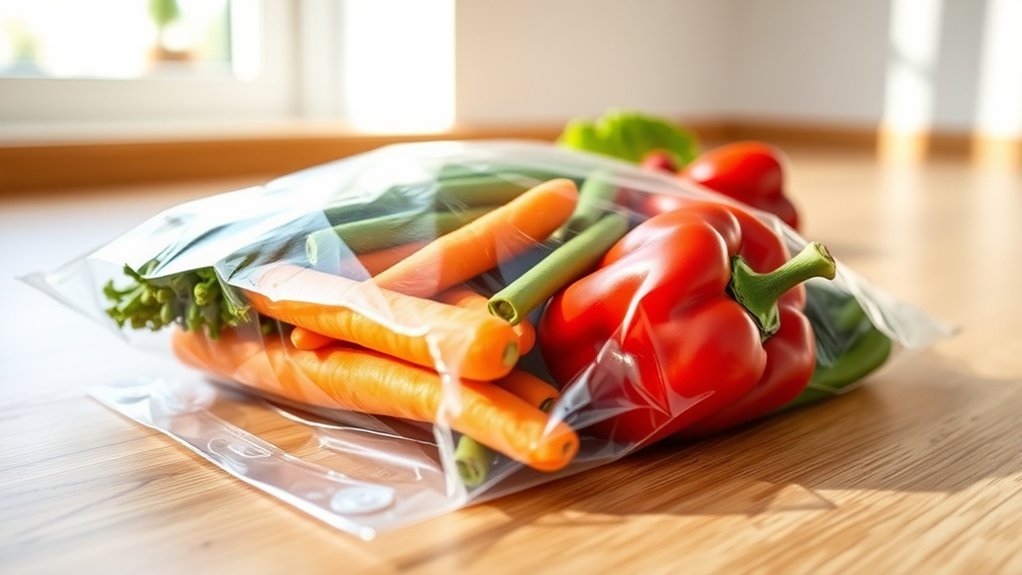
When vacuum-packing fruits and vegetables, maintaining freshness depends largely on proper preparation and storage techniques. You should wash and dry produce thoroughly before packing to prevent moisture buildup, which can cause spoilage. Blanch vegetables like green beans or carrots to preserve color, texture, and nutrients.
Avoid packing fragile items like berries without freezing first, as they can get crushed. Store vacuum-packed fruits and vegetables in the refrigerator or freezer, depending on how long you want to keep them. Most vacuum-packed fruits last up to two weeks in the fridge and several months in the freezer.
Keep your vacuum bags airtight and check seals regularly. By following these tips, you’ll extend the shelf life and enjoy fresher, tastier produce longer.
How Long Does Vacuum-Sealed Dairy and Cheese Last?
Vacuum sealing extends the shelf life of dairy and cheese considerably by reducing exposure to air and bacteria. When you vacuum-seal these products, you slow down spoilage and maintain freshness longer than traditional storage methods. For example, hard cheeses like cheddar or Parmesan can last 4 to 8 weeks in the fridge when vacuum-sealed, compared to just a couple of weeks otherwise.
Soft cheeses and dairy products, such as mozzarella or cream cheese, generally last 1 to 2 weeks longer when vacuum sealed.
Keep in mind:
- Store vacuum-sealed dairy in the refrigerator or freezer for maximum preservation.
- Always check for signs of spoilage like off-smell or mold before use.
- Once opened, reseal or consume quickly to prevent contamination.
Shelf Life of Vacuum-Packed Grains, Nuts, and Dry Goods
Although grains, nuts, and dry goods already have long shelf lives, sealing them tightly can extend their freshness even further by preventing exposure to moisture and air. When vacuum-packed, these items can last considerably longer than in traditional storage.
For example, brown rice typically lasts about 6 months in a pantry but can last up to 1–2 years when vacuum-sealed and stored in a cool, dark place. Similarly, nuts can stay fresh for up to 1 year or more when vacuum-packed, compared to just a few months otherwise.
Dry goods like flour, sugar, and coffee also retain their flavor and texture longer when vacuum-packed. Just remember to store vacuum-packed items away from heat and light to maximize their shelf life and keep pests at bay.
How to Tell If Vacuum-Packed Food Has Gone Bad?
Even though vacuum sealing slows spoilage, you still need to check your food carefully to make sure it’s safe to eat. Vacuum packing removes air, but bacteria can still grow if the seal is broken or the food was contaminated beforehand.
To tell if vacuum-packed food has gone bad, watch for these signs:
- Swollen or bloated packaging: This indicates gas production from bacterial growth.
- Unpleasant odors: If the food smells sour, rancid, or off, it’s best to discard it.
- Discoloration or slimy texture: Changes in color or a slimy film signal spoilage.
Always trust your senses and when in doubt, throw it out. Safety should be your top priority when consuming vacuum-packed items.
Freezing Vacuum-Packed Meals: Extending Shelf Life
When you freeze vacuum-packed meals, you lock in freshness and considerably extend their shelf life. Freezing slows down bacterial growth and enzymatic activity, preserving texture and flavor much longer than refrigeration alone.
You can store vacuum-packed meats for up to 2-3 years in the freezer, while vegetables and cooked meals typically last 1-2 years without significant quality loss. Always label packages with dates to track storage time.
| Food Type | Freezer Shelf Life |
|---|---|
| Vacuum-packed meat | 2-3 years |
| Cooked meals | 1-2 years |
| Vegetables | 1-2 years |
Vacuum Packing Mistakes to Avoid and Tips to Maximize Freshness
To get the most out of vacuum packing, you need to avoid common mistakes that can compromise freshness and safety. First, don’t pack wet foods without proper drying or pre-freezing, as moisture can prevent a tight seal.
Avoid packing wet foods without drying or pre-freezing to ensure a secure vacuum seal and maintain freshness.
Second, avoid overfilling bags; leave enough space to guarantee the vacuum sealer works effectively. Third, don’t reuse bags designed for one-time use, as they may not seal properly again.
To maximize freshness, keep these tips in mind:
- Use high-quality vacuum bags made for your sealer.
- Label and date packages before sealing to track storage times.
- Store vacuum-packed foods at the right temperature, ideally refrigerated or frozen.
Frequently Asked Questions
Can Vacuum Packing Preserve Food Flavor and Nutrients?
Yes, vacuum packing preserves food flavor and nutrients by reducing oxygen exposure, slowing spoilage and oxidation.
You’ll keep your food fresher longer, maintaining taste and nutritional value better than traditional storage methods.
Is Vacuum-Packing Safe for Homemade Meals?
Yes, vacuum-packing is safe for homemade meals if you handle and store them properly. Just make sure your food is fresh, cooled, and vacuum-sealed correctly, then refrigerate or freeze to keep it safe and tasty.
How Does Vacuum Sealing Compare to Other Preservation Methods?
You’ll find vacuum sealing preserves food longer than refrigeration alone and slows freezer burn better than just freezing. Unlike canning or drying, it keeps flavors and nutrients intact without heat, making it quick and convenient.
Can Vacuum-Packed Food Be Reheated Directly?
You shouldn’t reheat vacuum-packed food directly in the sealed bag unless it’s designed for cooking. Always remove or use microwave-safe bags to avoid melting or harmful chemicals, ensuring safe and even reheating.
Are There Specific Vacuum Sealers Recommended for Different Foods?
Yes, you’ll find vacuum sealers designed for different foods. For instance, chamber vacuum sealers work best for liquids and delicate items, while handheld models suit dry goods.
Choose based on what you plan to preserve most.
Conclusion
Think of vacuum packing as a time machine for your food, slowing down spoilage and locking in freshness like a treasure chest. But remember, even the best preservation can’t stop time completely.
By storing your vacuum-packed meals properly and watching for signs of spoilage, you keep your kitchen’s bounty vibrant and safe.
So, treat your sealed foods well, and they’ll reward you with extended life and flavor, turning every meal into a preserved moment of joy.
Understanding how long food lasts in a vacuum pack helps you maximize freshness and safety. Proper vacuum sealing combined with correct storage extends shelf life, ensuring your food stays delicious and nutritious longer.