Can You Vacuum Cat Litter?
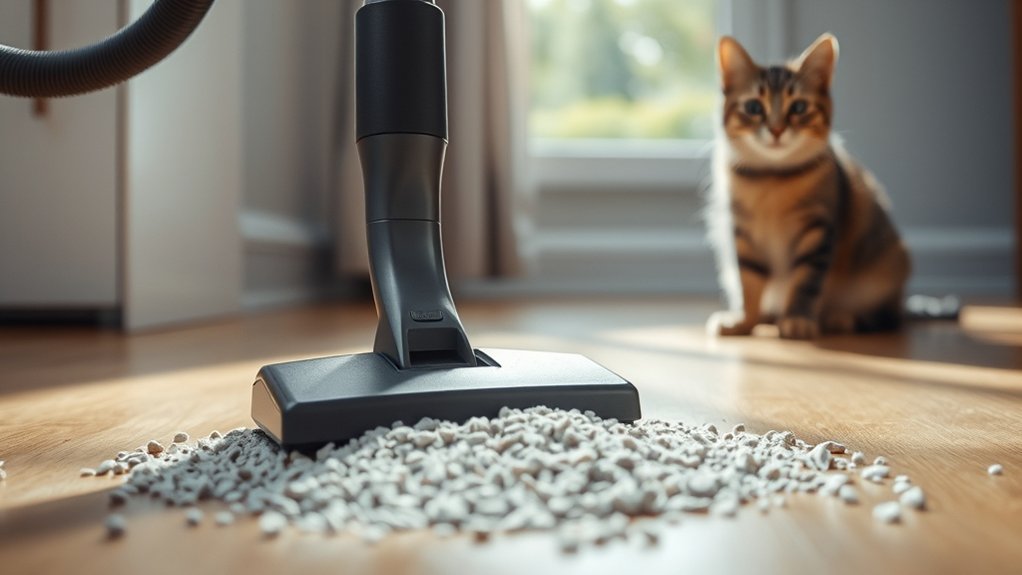
You can vacuum cat litter if you choose the right vacuum and handle the litter carefully. Vacuuming cat litter requires caution to avoid damage to your machine.
Avoid using lightweight or stick vacuums, as heavy or dusty litters can clog filters and strain motors.
Scoop larger clumps first, vacuum gently, and empty the dustbin often to protect your machine.
Using vacuums with strong suction and HEPA filters works best.
If you want to keep your vacuum in top shape while managing cat messes efficiently, there’s plenty more to contemplate.
Key Takeaways
- Vacuuming cat litter is possible but requires vacuums with strong suction and sealed filtration to avoid motor damage and clogging.
- Clay-based and clumping litters are heavy and dusty, increasing the risk of vacuum filter clogs and motor strain.
- Manually pick up large clumps before vacuuming fine particles to prevent blockages and maintain vacuum performance.
- Use specialized vacuum attachments and vacuum slowly to avoid scattering litter and damaging the vacuum.
- Alternatives like brooms or dustpans reduce vacuum damage risk and help manage fine litter particles effectively.
Can You Vacuum Cat Litter Without Damaging Your Vacuum?
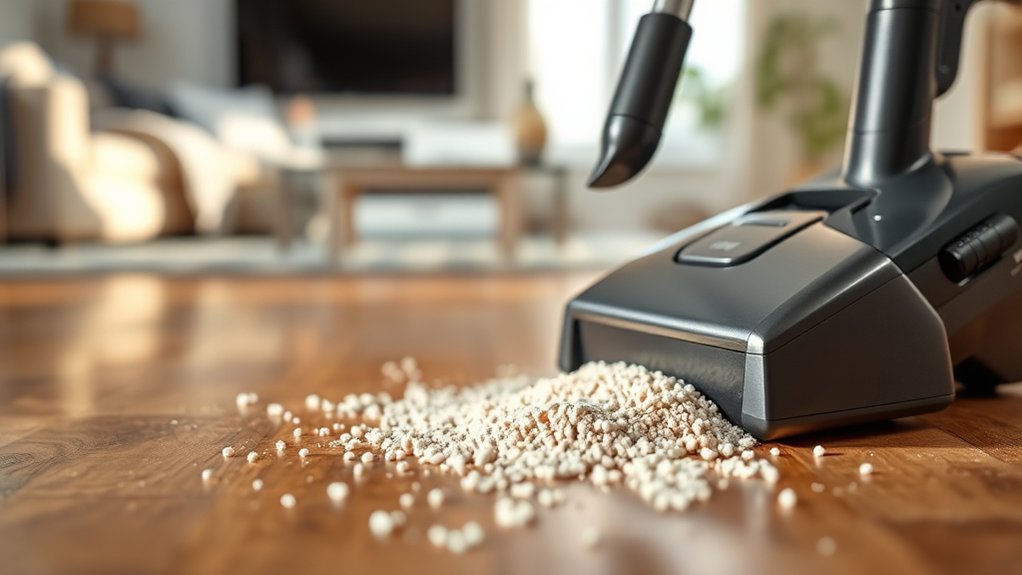
While vacuuming cat litter might seem like a quick way to clean up, you need to be careful to avoid damaging your vacuum. Cat litter granules are often coarse and heavy, which can strain your vacuum’s motor or clog its filters. If you use a vacuum not designed for heavy debris, you risk overheating or reducing its suction power.
To protect your vacuum, make sure to empty the canister or bag frequently and clean or replace filters after use. Avoid vacuuming large amounts at once, as it can overwhelm the machine. Also, check your vacuum’s manual to see if it’s suitable for this kind of debris.
Taking these precautions helps you clean efficiently without compromising your vacuum’s performance or lifespan.
How Different Cat Litters Handle Vacuuming
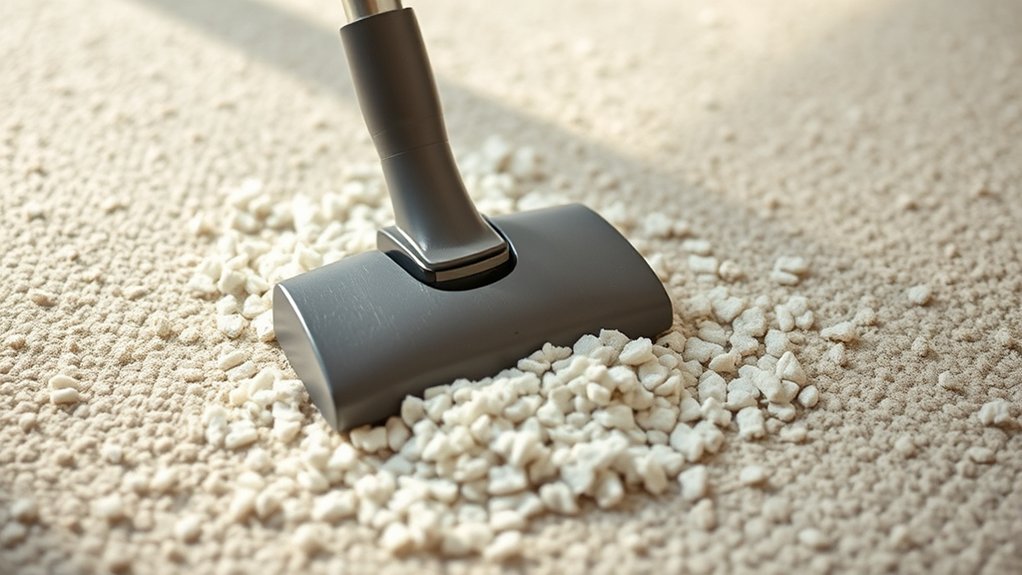
You’ll notice clumping and non-clumping litters behave differently when vacuumed. The material—whether clay, silica, or natural fibers—also affects how easily your vacuum can pick it up.
Understanding these differences helps you choose the best cleanup method.
Clumping Vs Non-Clumping
Because clumping and non-clumping cat litters have different textures and densities, they respond differently to vacuuming. When you vacuum clumping litter, the granules often stick together, forming hard clumps that can clog your vacuum or damage its components. You’ll need a vacuum with strong suction and a brushless attachment to avoid blockages.
On the other hand, non-clumping litter usually consists of finer particles that can scatter easily, making vacuuming less effective since the dust might blow around or get sucked into the vacuum’s filter quickly. You’ll want a vacuum with a HEPA filter to trap this dust.
Litter Material Impact
Different types of cat litter materials react uniquely when vacuumed, affecting both the cleaning process and the condition of your vacuum. Clay-based litters, especially clumping ones, can be heavy and dusty, which might clog your vacuum filter or damage its motor.
Silica gel crystals are lighter and less dusty, but their sharp edges can scratch vacuum components. Natural litters made from wood, corn, or wheat tend to be softer and less abrasive, making them easier on your vacuum, but they may break down into fine particles that clog filters quickly.
You should always check your vacuum’s specifications and consider using a vacuum designed for heavy-duty or pet messes when cleaning up various litter types. Choosing the right vacuum can save you time and prevent costly damage.
Why Some Cat Litters Clog or Damage Vacuums
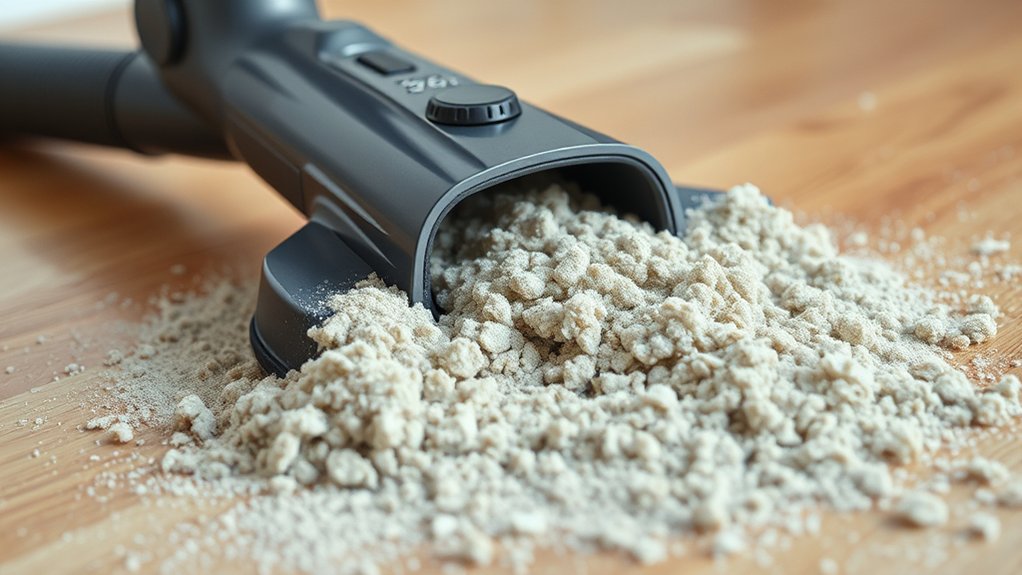
You need to watch the particle size of your cat litter because smaller granules can easily clog your vacuum. When tiny bits get trapped in the filter, it reduces suction and strains the motor.
Understanding this helps you avoid damage and keep your vacuum running smoothly.
Litter Particle Size
How does the size of cat litter particles affect your vacuum’s performance? When you vacuum, larger or irregularly shaped particles can get stuck, causing blockages or even damage. Smaller, uniform particles usually pass through more easily, but some vacuums aren’t designed for fine debris.
Consider these points about litter particle size:
- Coarse granules can jam the vacuum’s brush or hose
- Fine dust-like particles may clog the motor or filters
- Mixed particle sizes increase the chance of clogs
- Heavy, dense litter can strain the vacuum’s suction
Vacuum Filter Clogging
Although vacuums are designed to trap dust and debris, cat litter can quickly overwhelm their filters, leading to clogging and reduced suction power. Litter particles, especially fine dust or clay-based types, can lodge deep inside the filter, restricting airflow. When this happens, your vacuum struggles to maintain performance and may even overheat.
To avoid damage, you need to understand which litters are more likely to clog filters.
| Litter Type | Filter Impact |
|---|---|
| Clay-based | High dust, clogs easily |
| Silica gel | Low dust, less clogging |
| Natural/plant-based | Minimal dust, gentle on filters |
Choosing a low-dust litter helps keep your vacuum running smoothly without frequent filter cleanings or replacements.
Which Vacuum Types Work Best for Cat Litter Cleanup
Since cat litter granules can be tough on vacuums, choosing the right type makes cleanup easier and protects your machine. You’ll want a vacuum designed to handle gritty debris without clogging or damage. Here are the best options:
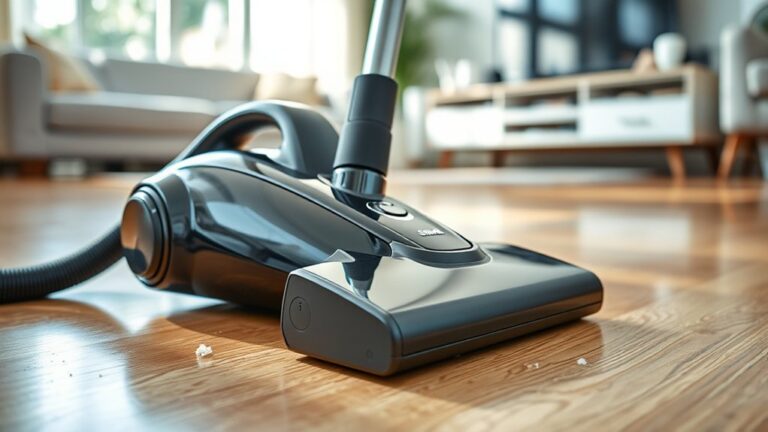
- Canister vacuums with strong suction and sealed systems to trap fine dust
- Shop vacs built for heavy-duty debris, ideal for clumps and larger granules
- Bagless uprights that allow easy emptying without dust clouds
- Vacuum cleaners with HEPA filters to prevent dust recirculation and protect your lungs
Avoid lightweight stick vacuums or handhelds with weak suction, as they may struggle with litter’s weight and texture. Picking the right vacuum ensures you clean efficiently without risking motor damage or filter blockage.
When Vacuuming Cat Litter Speeds Up Cleanup
Vacuuming cat litter speeds up cleanup when you tackle spills promptly before granules scatter further. The sooner you act, the less chance the litter has to spread into hard-to-reach areas like under furniture or between floorboards. Quick vacuuming also prevents the litter from grinding into carpets or rugs, making removal easier and more effective.
When you’re dealing with a small, contained spill, vacuuming saves you from the tedious task of sweeping or using a damp cloth repeatedly. It’s especially helpful if the litter is clumping or damp, as vacuuming can pick up small clumps that brooms often miss. By acting fast, you reduce cleanup time and keep your space tidy without much effort.
How to Prepare Your Vacuum for Cat Litter Cleaning
Before you start vacuuming cat litter, make sure you choose a vacuum designed to handle fine particles. Empty the dustbin and check the filters to prevent clogs and maintain suction.
Finally, attach the right tools to reach corners and avoid scattering the litter further.
Choose The Right Vacuum
How do you guarantee your vacuum can handle cat litter without getting damaged? Choosing the right vacuum is essential. You need a model designed for fine debris and tough particles.
Look for vacuums with strong suction power and sealed systems to prevent dust from escaping.
Consider these features when picking your vacuum:
- HEPA filters to trap tiny litter dust
- Bagged designs to contain mess and simplify disposal
- Adjustable suction settings for delicate surfaces
- Wide, sturdy nozzles to avoid clogging with litter granules
Avoid lightweight or basic vacuums, as they may clog or wear out quickly.
Picking a vacuum with these specs ensures efficient litter cleanup and protects your machine from damage.
Empty And Check Filters
Once you’ve chosen the right vacuum, the next step is to prepare it properly for cleaning up cat litter. Start by emptying the vacuum’s dustbin or bag completely. Cat litter is heavy and can quickly fill up your vacuum, so an empty container guarantees maximum suction and prevents clogging.
Next, check the filters carefully. Cat litter dust can clog filters fast, reducing efficiency and potentially damaging your vacuum. Clean or replace filters as needed according to the manufacturer’s instructions.
Make sure the filters are dry before reinstalling to avoid mold or mildew. Taking these steps not only protects your vacuum but also improves its performance, making the litter cleanup faster and more thorough.
Use Appropriate Attachments
When tackling cat litter cleanup, choosing the right vacuum attachments makes a big difference in effectiveness and ease. You’ll want to use tools designed for debris and delicate surfaces to avoid damage and maximize pickup. Start by attaching the crevice tool to reach tight corners where litter often hides.
Use the brush attachment gently on carpets to loosen trapped particles without scattering them. The wide nozzle works well on hard floors, quickly sucking up larger clumps. Finally, the flexible hose extension helps you access under furniture and around obstacles without straining.
Step-by-Step Guide to Vacuuming Cat Litter Safely
Although vacuuming cat litter might seem straightforward, taking a careful approach guarantees you avoid damaging your vacuum or creating a bigger mess. First, choose a vacuum with a strong motor and a sealed filtration system. Attach the appropriate nozzle, preferably a brush or crevice tool, to prevent clogging.
Next, gently pick up larger clumps by hand to reduce strain on your vacuum. Slowly run the vacuum over the affected area, avoiding excessive pressure that could push litter deeper into carpet fibers. Empty the vacuum bag or canister immediately after use to prevent lingering odors and buildup.
Finally, clean the vacuum filter regularly to maintain performance and extend its lifespan. By following these steps, you can safely and effectively vacuum cat litter without hassle.
What to Do If Your Vacuum Gets Clogged by Cat Litter
If your vacuum gets clogged by cat litter, don’t panic—there are straightforward steps you can take to fix the issue quickly. First, unplug your vacuum to ensure safety. Then, carefully detach the hose or wand where the clog likely occurred.
Use a long, flexible object like a broom handle or a straightened coat hanger to gently push out the blockage. If the clog is stubborn, try rinsing the hose with warm water and let it dry completely before reattaching. Finally, check the vacuum’s filters and empty the dustbin, as litter dust can accumulate and reduce suction.
- Unplug vacuum before inspection
- Remove hose or wand gently
- Clear blockage with a flexible tool
- Clean filters and empty dustbin afterward
Alternatives to Vacuuming for Cleaning Cat Litter
Vacuuming cat litter can sometimes lead to clogs and maintenance issues, so exploring other cleaning methods can save you time and hassle. Instead of vacuuming, try using a handheld broom and dustpan to sweep up scattered litter quickly. A rubber broom works well because it can attract fine particles more effectively than traditional bristles.
You can also use a damp microfiber cloth to wipe the surrounding floor, picking up tiny granules that brooms miss. For larger messes, a small, portable litter scooper helps you remove clumps and debris from the box without spreading litter around. These alternatives are simple, effective, and reduce the risk of damaging your vacuum, keeping your cleaning routine smooth and efficient.
How to Prevent Cat Litter From Scattering Outside the Box
To keep cat litter from scattering outside the box, you need to create a setup that contains the mess before it starts. Start by choosing a litter box with high sides or a covered design to trap stray litter. Place a textured mat just outside the entrance to catch clumps stuck to your cat’s paws.
Consider using a litter with larger granules that don’t stick as easily to fur. Position the box in a low-traffic area to reduce disturbance and accidental spills.
- High-sided or enclosed litter box
- Textured entrance mat to trap litter
- Larger granule litter to reduce tracking
- Quiet, low-traffic location for the box
These steps help keep your floor cleaner and your cat’s litter contained.
Tips for Keeping the Litter Area Spotless
Although keeping the litter area clean can feel like a constant chore, establishing simple habits will make a big difference. First, place a washable mat under and around the litter box to catch stray litter. You can shake it out or vacuum it regularly.
Keep a small handheld vacuum or broom nearby for quick daily touch-ups. Scoop the litter box at least once a day to reduce mess and odors. Consider using a covered litter box to minimize scatter.
When you clean the area, wipe down surrounding surfaces with pet-safe cleaners to prevent dust buildup. Finally, train your cat to use the box properly by keeping it in a quiet, accessible spot. These steps help you maintain a tidy litter zone with less effort.
How Often Should You Vacuum Around the Litter Box?
Since cat litter tends to scatter daily, you should vacuum around the litter box at least once every few days to keep the area clean and prevent buildup. Regular vacuuming stops litter dust from accumulating, reducing odors and allergens. It also prevents tracked litter from spreading to other rooms, keeping your home tidy.
Vacuum around the litter box every few days to control dust, odors, and scattered litter.
Try to vacuum:
- Around the litter box edges where litter often spills
- Underneath the box to catch hidden granules
- Nearby rugs or mats that trap stray litter
- Corners of the room where litter tends to collect
How to Keep Your Cat Happy With a Cleaner Litter Space
Keeping your cat happy starts with maintaining a clean litter space that meets their needs. You want to scoop daily and vacuum regularly to remove dust, debris, and stray litter. This helps prevent odors and keeps your cat comfortable.
Also, choose a quiet, low-traffic spot for the litter box to reduce stress.
Here’s a quick guide to keep your cat content:
| Action | Benefit |
|---|---|
| Scoop daily | Removes waste, reduces smell |
| Vacuum weekly | Clears dust and stray litter |
| Change litter monthly | Maintains freshness |
| Quiet location | Reduces stress, encourages use |
Frequently Asked Questions
Can Vacuuming Cat Litter Affect My Cat’s Health?
Yes, vacuuming cat litter can affect your cat’s health by stirring up dust and ammonia particles, which might cause respiratory issues. You should use a vacuum with a HEPA filter and clean frequently to reduce risks.
Are There Specific Vacuum Brands Recommended for Pet Owners?
Yes, you’ll find brands like Dyson, Shark, and Bissell offer vacuums designed for pet owners. They handle pet hair and litter well, feature strong suction, and often include HEPA filters to reduce allergens in your home.
How Do I Dispose of Used Cat Litter Properly?
You should dispose of used cat litter in a sealed plastic bag to prevent odors and bacteria spread. Did you know 95% of cat owners recommend double-bagging?
Then, toss it in the trash—never the toilet!
Can Wet Cat Litter Be Vacuumed Safely?
No, you shouldn’t vacuum wet cat litter because it can clog your vacuum and damage the motor.
Instead, scoop it up with a dustpan or allow it to dry first before vacuuming any leftover dry bits safely.
What Are the Environmental Impacts of Different Cat Litters?
Imagine you choose clay litter, which heavily impacts the environment through strip mining. You can reduce harm by switching to biodegradable options like corn-based litters, which break down naturally and lessen landfill waste, benefiting the planet considerably.
Conclusion
Vacuuming cat litter can be a lifesaver if you choose the right vacuum and litter type—think of it as taming a tiny dust storm. Avoid clogs by steering clear of fine, dusty litters and opt for vacuums designed for tough debris. Regular cleanups not only keep your space spotless but also keep your cat purring happily.
With a little care, you’ll turn litter chaos into a breeze, making both you and your feline friend feel right at home. Remember, selecting the appropriate vacuum and litter is key when you vacuum cat litter. This ensures effective cleaning and a happy, healthy environment for your cat.