What Is Vacuum Disc Phenomenon and How to Identify It
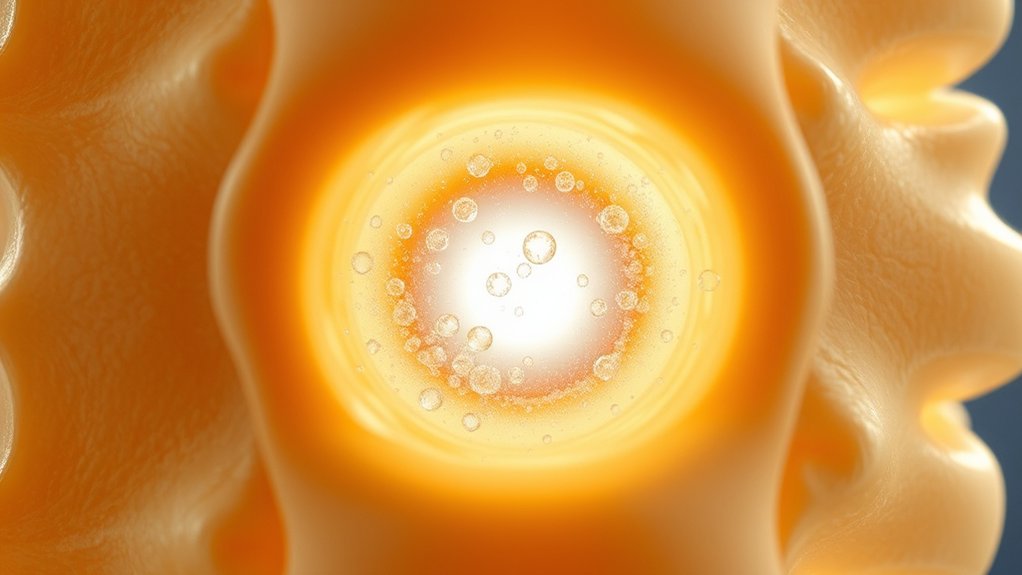
You’ll find vacuum disc phenomenon when gas, mainly nitrogen, builds up in your spinal disc space, showing as dark, radiolucent areas on X-rays or CT scans. This condition is closely associated with disc degeneration, which can result from aging, stress, or injury.
The buildup of gas indicates lost disc height and decreased flexibility, key features of this spinal issue.
Many people might not notice any symptoms, but imaging techniques typically reveal the distinctive gas patterns clearly.
Understanding vacuum disc phenomenon involves exploring its causes, effects, and potential treatment options. If you want to learn more about this condition and how it impacts spinal health, detailed insights are provided ahead for you.
Key Takeaways
- Vacuum disc phenomenon is gas, mainly nitrogen, accumulating within spinal discs due to degeneration and structural changes.
- It appears as dark, radiolucent areas on X-rays or black signal voids on MRI scans in the disc space.
- The gas typically forms linear or crescent shapes, most commonly seen in lumbar spinal discs.
- It indicates loss of disc height, flexibility, and underlying disc degeneration affecting spinal health.
- Identification involves comparing current and previous imaging to track progression and differentiate from infections or other conditions.
What Is Vacuum Disc Phenomenon in the Spine
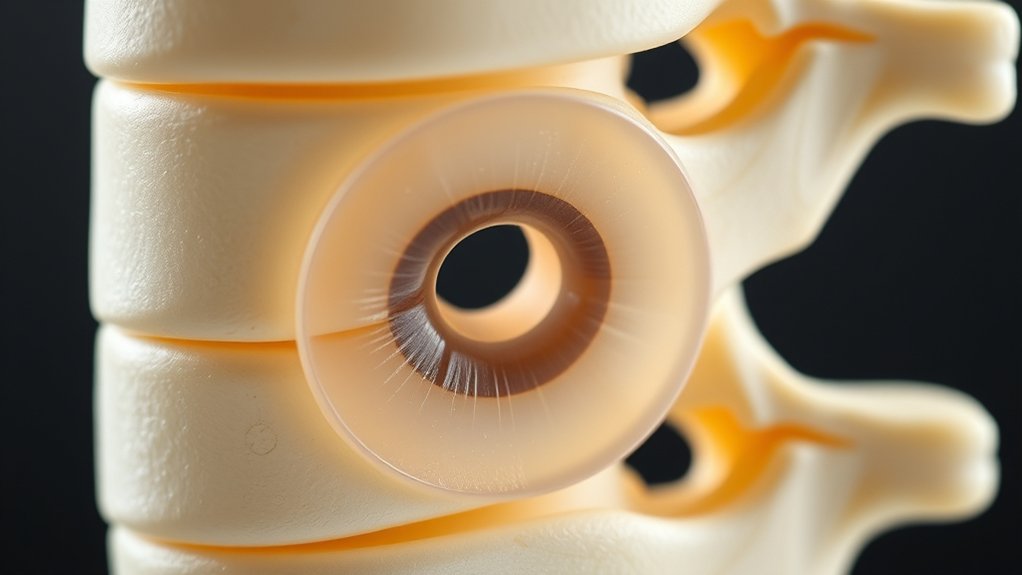
Although it might sound unfamiliar, the vacuum disc phenomenon refers to the presence of gas, usually nitrogen, within the spinal disc space. When this gas accumulates, it creates a visible radiolucent area on imaging studies like X-rays or CT scans. You’ll notice this as a dark, linear or curvilinear pattern inside the disc.
It’s important to understand that this isn’t just a random finding—it indicates changes in the disc’s structure. The gas forms in spaces where the disc material has degenerated or lost height, making the affected segment less flexible. Recognizing this phenomenon helps you and your healthcare provider assess the spine’s condition more accurately, especially when diagnosing degenerative disc disease or related issues.
Causes of Vacuum Disc Phenomenon
When your spinal discs start to degenerate, tiny spaces form within the disc where gas can accumulate, leading to the vacuum disc phenomenon. This degeneration often results from aging, wear and tear, or injury, which causes the disc’s structure to break down. You might also experience this if you have spinal conditions like osteoarthritis or disc herniation, as these can weaken the disc and create fissures.
Repetitive stress or trauma to your spine can accelerate this process, too. Additionally, poor posture and lifestyle factors such as smoking may contribute by reducing the disc’s ability to repair itself. Understanding these causes helps you recognize why the vacuum disc phenomenon develops and highlights the importance of spinal health maintenance.
How Vacuum Disc Phenomenon Affects Spinal Discs
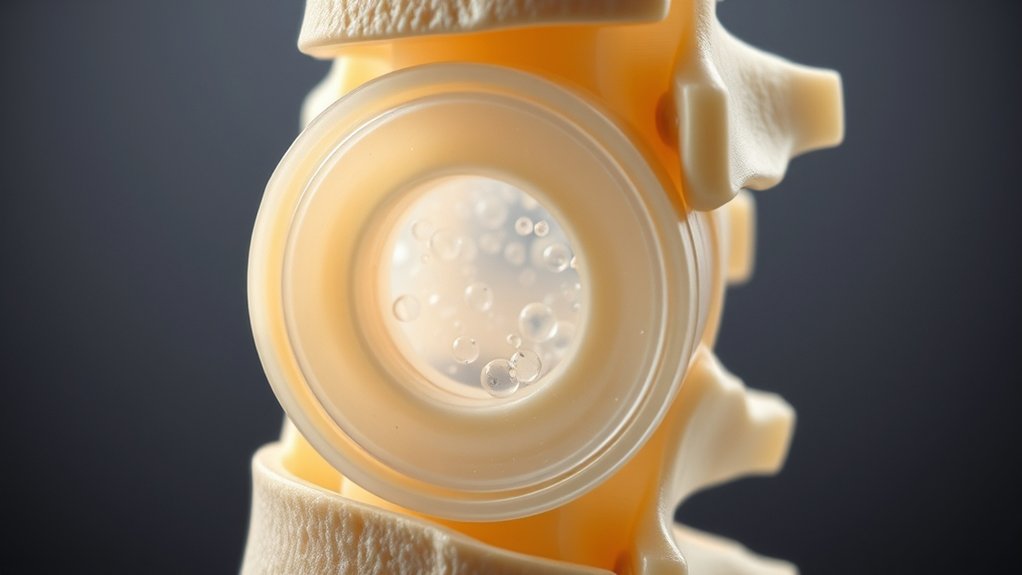
The breakdown of your spinal discs that leads to vacuum disc phenomenon also changes how these discs function. As the discs degenerate and gas accumulates, their ability to cushion and support your spine diminishes. This affects your spinal discs in several key ways:
- Reduced shock absorption makes your spine more susceptible to injury.
- Decreased disc height can alter your spinal alignment.
- Loss of disc flexibility limits your range of motion.
- Increased mechanical stress on adjacent discs may accelerate their wear.
Understanding these effects helps you appreciate why vacuum disc phenomenon isn’t just a radiological finding but a sign of underlying disc degeneration impacting spinal health.
Symptoms of Vacuum Disc Phenomenon
How can you tell if vacuum disc phenomenon is affecting you? Often, it doesn’t cause noticeable symptoms on its own, but you might experience some discomfort or stiffness in your back. You could notice occasional sharp pains during certain movements, especially when bending or twisting.
Sometimes, the affected disc’s degeneration leads to reduced spinal flexibility, making daily activities more challenging. If the vacuum disc phenomenon is part of broader disc degeneration, you might feel persistent back pain or muscle spasms. However, these symptoms can vary widely and may overlap with other spinal issues.
Pay attention to any new or worsening back discomfort, especially if it limits your mobility or affects your quality of life. If symptoms persist, it’s important to seek medical advice for proper evaluation and management.
Diagnosing Vacuum Disc Phenomenon With Imaging
Where can you turn to confirm if vacuum disc phenomenon is present? Imaging studies are your best bet. They allow you to visualize the spine and detect signs of this condition.
To diagnose vacuum disc phenomenon effectively, you should:
To diagnose vacuum disc phenomenon effectively, consult specialists and use imaging techniques highlighting gas in the disc space.
- Consult with a radiologist or spine specialist who can interpret imaging results accurately.
- Use imaging techniques that highlight gas presence within the disc space.
- Compare current images with previous ones to track changes or progression.
- Combine imaging findings with clinical symptoms for an extensive diagnosis.
How Vacuum Disc Phenomenon Appears on X-rays and MRIs
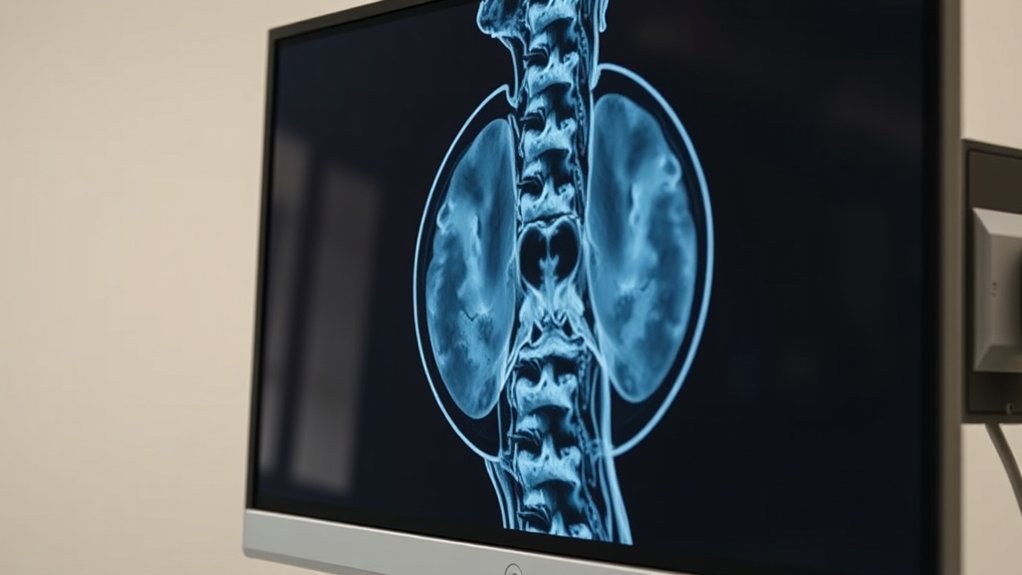
Wondering what vacuum disc phenomenon looks like on X-rays and MRIs? On X-rays, you’ll see a distinct radiolucent (dark) area within the intervertebral disc space, indicating gas accumulation. This appears as a clear, linear or crescent-shaped dark spot.
On MRIs, the gas shows up as a signal void—meaning it looks very dark—on all sequences because gas doesn’t produce a signal.
Here’s a quick comparison:
| Imaging Type | Appearance of Vacuum Disc Phenomenon |
|---|---|
| X-ray | Dark, radiolucent area in disc space |
| MRI | Signal void (black area) in disc space |
| Location | Usually in lumbar discs |
| Shape | Linear or crescent-shaped |
This helps you quickly identify the phenomenon during imaging reviews.
How Vacuum Disc Phenomenon Differs From Spinal Infections
You’ll notice that vacuum disc phenomenon and spinal infections have different causes and symptoms, which affect how they show up on diagnostic images. Understanding these differences helps you avoid confusion when interpreting scans.
Let’s explore how to distinguish between the two based on their origins, symptoms, and imaging features.
Causes And Origins
Although vacuum disc phenomenon and spinal infections both affect the spine, they arise from very different causes. Vacuum disc phenomenon results from degenerative changes, where gas accumulates within the disc space due to disc dehydration and tissue breakdown.
In contrast, spinal infections stem from bacterial or fungal invasion, leading to inflammation and tissue damage.
You can distinguish their origins by understanding these key points:
- Vacuum disc phenomenon is primarily mechanical and degenerative.
- Spinal infections involve microbial pathogens.
- The presence of gas in the disc space indicates vacuum disc phenomenon.
- Infection causes swelling, redness, and pus formation.
Knowing these differences helps you identify the underlying cause and choose appropriate treatment paths.
Symptom Comparison
How can you tell if your spine issues stem from vacuum disc phenomenon or a spinal infection? Both conditions affect your back, but their symptoms differ markedly. Vacuum disc phenomenon usually causes mild to moderate pain that worsens with movement but lacks systemic signs.
In contrast, spinal infections often bring severe, constant pain accompanied by fever, fatigue, and sometimes neurological symptoms.
| Symptom | Vacuum Disc Phenomenon | Spinal Infection |
|---|---|---|
| Pain Type | Mild to moderate, movement-related | Severe, constant |
| Fever | None | Often present |
| Systemic Symptoms | Absent | Fatigue, malaise |
| Neurological Signs | Rare | Possible |
Knowing these differences helps you recognize when to seek urgent medical care.
Diagnostic Imaging Differences
When evaluating back pain, diagnostic imaging plays a vital role in distinguishing vacuum disc phenomenon from spinal infections. You’ll notice that vacuum discs show up as radiolucent gas collections within the intervertebral disc space on X-rays or CT scans, without associated soft tissue swelling.
In contrast, spinal infections often reveal:
- Bone destruction or erosion visible on MRI or CT
- Soft tissue swelling or abscess formation
- Increased signal intensity on MRI indicating inflammation
- Possible systemic signs like fluid collections beyond the disc space
Vacuum disc phenomenon lacks these inflammatory signs and systemic involvement. By focusing on these imaging differences, you can confidently differentiate a benign vacuum disc from a serious spinal infection, guiding appropriate treatment.
When Vacuum Disc Phenomenon May Be a Concern
Why should you pay attention to a vacuum disc phenomenon in your spine? While it’s often a harmless sign of aging, it can become a concern if you experience persistent back pain, stiffness, or nerve symptoms like numbness or tingling. These symptoms may indicate that the vacuum disc phenomenon is linked to disc degeneration or spinal instability, potentially affecting nearby nerves or spinal structures.
If you notice worsening discomfort or reduced mobility, it’s important to consult a healthcare professional. They can determine whether the vacuum phenomenon contributes to your symptoms or if other spinal issues are involved. Early recognition helps prevent complications and guides appropriate management, so don’t ignore unusual or persistent spinal symptoms associated with this condition.
Treatment Options for Vacuum Disc Phenomenon
You have a few treatment options to contemplate for vacuum disc phenomenon. You can start with conservative management strategies like physical therapy and pain relief.
If those don’t work, minimally invasive procedures or surgical interventions might be necessary.
Conservative Management Strategies
Although vacuum disc phenomenon can cause discomfort, you don’t always need surgery to manage it. Many people find relief through conservative strategies that help reduce pain and improve mobility.
You can start with these four key approaches:
- Physical Therapy: Strengthen muscles supporting your spine to reduce strain.
- Pain Management: Use over-the-counter pain relievers or prescribed medications as directed.
- Activity Modification: Avoid movements that worsen your symptoms, and incorporate gentle exercises.
- Heat and Cold Therapy: Apply heat to relax muscles or cold packs to reduce inflammation.
Minimally Invasive Procedures
When conservative methods don’t provide enough relief from vacuum disc phenomenon, minimally invasive procedures offer effective alternatives. You might consider options like epidural steroid injections, which reduce inflammation and alleviate pain in affected areas. Another choice is radiofrequency ablation, where targeted nerve fibers causing pain are disrupted, providing longer-lasting relief.
These procedures involve small incisions or needle insertions, minimizing tissue damage and speeding up recovery. They’re typically performed on an outpatient basis, so you can return home the same day. Minimally invasive treatments focus on symptom management without major surgery, making them a valuable step before considering more invasive interventions.
Always consult your healthcare provider to determine the most appropriate procedure based on your specific condition and symptoms.
Surgical Intervention Options
If conservative and minimally invasive treatments fail to ease your symptoms, surgical intervention may become necessary to address the vacuum disc phenomenon effectively. Surgery aims to relieve pain, restore stability, and improve function.
Here are common surgical options you might consider:
- Discectomy – Removing the damaged disc material causing nerve compression.
- Spinal Fusion – Joining two or more vertebrae to stabilize the spine and prevent further degeneration.
- Artificial Disc Replacement – Replacing the affected disc with a synthetic one to maintain motion.
- Decompression Surgery – Relieving pressure on spinal nerves by removing bone or tissue.
Your surgeon will recommend the best approach based on your symptoms, overall health, and the severity of the disc degeneration.
Managing Back Health With Vacuum Disc Phenomenon
Since vacuum disc phenomenon affects the structure of your spine, managing your back health becomes essential to prevent discomfort and further complications. Focus on maintaining good posture to reduce strain on your discs. Engage in low-impact exercises like walking, swimming, or yoga to strengthen your core and support spinal stability.
Avoid heavy lifting or sudden twisting movements that can worsen your condition. Use ergonomic furniture to keep your spine aligned during daily activities. Applying heat or cold packs can help alleviate occasional pain and inflammation.
Listen to your body—if you feel increased pain, rest and consult your healthcare provider. Regular check-ups will help monitor your spine’s health and adjust your management plan as needed. Taking these steps empowers you to maintain better back health despite the vacuum disc phenomenon.
Preventing Progression of Vacuum Disc Phenomenon
To prevent the progression of vacuum disc phenomenon, you’ll need to focus on key lifestyle changes like maintaining good posture and staying active. Sometimes, medical interventions such as physical therapy or medications might be necessary to manage symptoms effectively.
Understanding these options can help you take control of your spinal health before the condition worsens.
Lifestyle Modifications
Although the vacuum disc phenomenon is often linked to age-related changes, you can take active steps to slow its progression through lifestyle modifications. By adopting healthy habits, you support your spine’s health and reduce strain on your discs. Consider these key actions:
- Maintain a healthy weight to minimize pressure on your spine.
- Engage in regular low-impact exercises like walking or swimming to strengthen back muscles.
- Practice good posture, especially when sitting or lifting heavy objects, to avoid unnecessary stress.
- Avoid smoking, as it impairs blood flow and disc nutrition.
These changes not only help prevent further disc degeneration but also improve your overall mobility and reduce discomfort. Staying proactive with your lifestyle can make a significant difference in managing vacuum disc phenomenon.
Medical Intervention Options
How can medical interventions help slow the progression of vacuum disc phenomenon? Your doctor may recommend treatments that reduce inflammation and relieve pain, such as nonsteroidal anti-inflammatory drugs (NSAIDs) or corticosteroid injections. Physical therapy can strengthen the muscles supporting your spine, improving stability and reducing stress on affected discs.
In some cases, your healthcare provider might suggest minimally invasive procedures to address severe symptoms or prevent further disc degeneration. It’s important to follow prescribed treatment plans and attend regular check-ups to monitor changes. Early intervention can slow the deterioration process, helping you maintain mobility and minimize discomfort.
Always discuss options thoroughly with your doctor to choose the best approach for your condition and lifestyle.
Frequently Asked Questions
Can Vacuum Disc Phenomenon Occur in Animals?
Yes, vacuum disc phenomenon can occur in animals, especially in species with similar spinal structures to humans. You’ll notice it through imaging techniques like X-rays, showing gas accumulation in their intervertebral discs.
This phenomenon is most commonly observed in veterinary medicine when diagnosing spinal issues. It indicates degeneration or changes in the disc spaces, similar to what is seen in humans.
Is Vacuum Disc Phenomenon Hereditary?
Vacuum disc phenomenon isn’t considered hereditary. You won’t pass it down genetically, but factors like aging and spine wear contribute more.
Does Vacuum Disc Phenomenon Affect Athletic Performance?
You might think vacuum disc phenomenon ruins your game, but it usually doesn’t impact athletic performance directly.
However, if it causes pain or stiffness, you’ll want to manage symptoms to keep moving at your best.
Are There Dietary Recommendations for Vacuum Disc Phenomenon?
You don’t need a special diet for vacuum disc phenomenon, but eating anti-inflammatory foods and staying hydrated can help reduce discomfort. Focus on fruits, vegetables, lean proteins, and avoid excessive processed foods or sugars to support spine health.
Can Vacuum Disc Phenomenon Cause Nerve Damage?
About 20% of people with vacuum disc phenomenon experience nerve damage. You might develop nerve pain or weakness if the disc degeneration compresses nearby nerves, so it’s important you monitor symptoms and consult your doctor promptly.
Conclusion
Imagine your spine as a delicate stack of cushions losing their spring, with tiny gas bubbles forming like whispers of wear between them. That’s the vacuum disc phenomenon—your body signaling change beneath the surface. While it may feel unsettling, understanding it helps you navigate your back health with clarity.
By staying informed and proactive, you can cushion your spine’s future, easing discomfort and supporting movement. Like tending a garden to keep it thriving, maintaining spinal health is essential. Recognizing the vacuum disc phenomenon early allows you to take steps for better back care and overall well-being.