How Does a Vacuum Thermos Work?
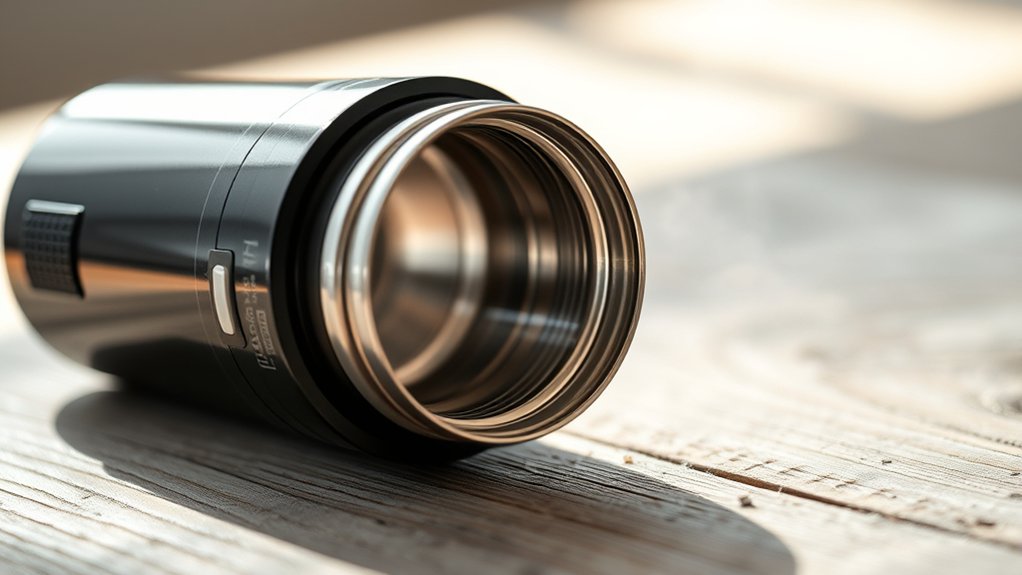
A vacuum thermos works by having two walls with a vacuum between them, which stops heat from transferring through conduction and convection. This clever design is key to effective insulation, keeping your drinks hot or cold for extended periods.
The vacuum layer acts as a barrier, preventing heat loss and gain. Its shiny inner surface reflects heat back inside, enhancing temperature retention.
The sealed design also prevents air exchange, maintaining the beverage’s temperature and preventing spills. Using quality materials like stainless steel and glass helps with durability and insulation.
Keep following to discover tips on boosting your thermos’s performance and care. Proper maintenance can extend the life of your thermos and improve its efficiency. Simple cleaning and handling techniques make a big difference.
Key Takeaways
- A vacuum thermos uses a double-wall design with a vacuum between to minimize heat transfer by conduction and convection.
- Reflective inner surfaces bounce infrared radiation back into the liquid, reducing heat loss or gain through radiation.
- Stainless steel or glass materials enhance insulation by limiting heat exchange and maintaining durability.
- Silicone or rubber seals keep the vacuum intact by preventing air from entering or escaping.
- Preheating or pre-chilling the thermos and minimizing lid opening help maintain beverage temperature longer.
What Is a Vacuum Thermos and Why Use One?
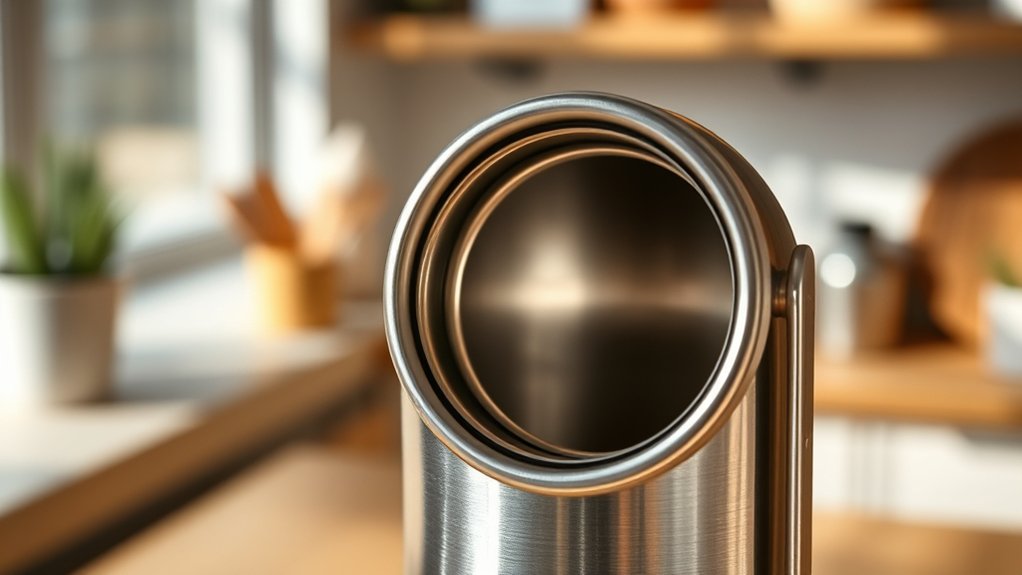
What makes a vacuum thermos different from a regular container? Unlike typical bottles, a vacuum thermos has two walls with a vacuum in between. This design drastically limits heat exchange, so your drinks stay hot or cold much longer.
When you pour coffee or iced tea into it, the thermos acts as a barrier against temperature changes from the outside environment. You’ll appreciate that it keeps your beverage at the right temperature during long commutes, hikes, or busy workdays.
Plus, its sturdy construction prevents spills and makes it easy to carry around. Choosing a vacuum thermos means you won’t have to settle for lukewarm drinks anymore, helping you enjoy your favorite beverages just the way you like them.
How Heat Transfer Affects Your Vacuum Thermos’ Performance
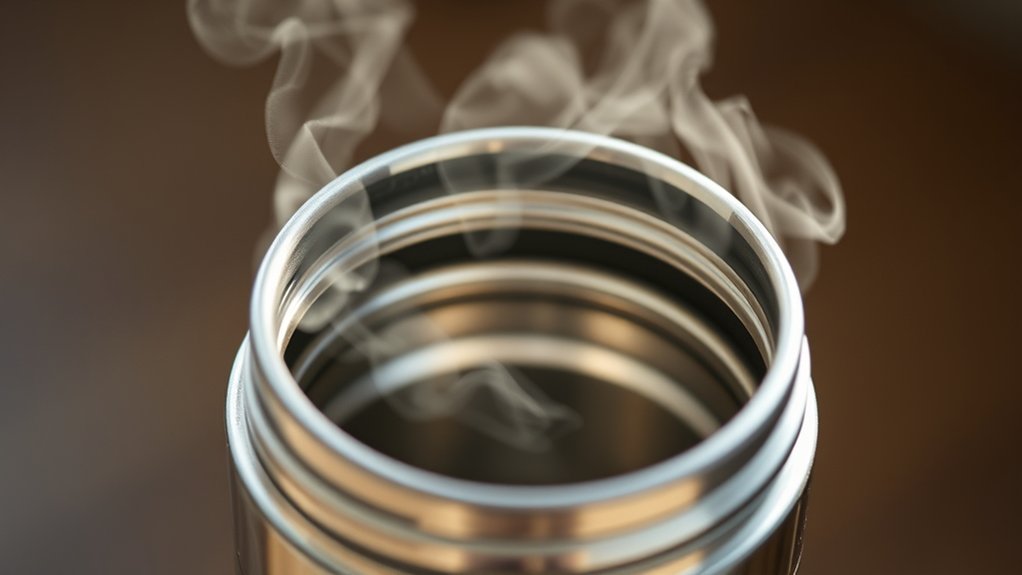
You’ll notice that your vacuum thermos relies on minimizing heat transfer to keep drinks hot or cold. Understanding the three modes of heat transfer—conduction, convection, and radiation—helps you see why insulation matters.
Let’s explore how these factors impact your thermos’ performance.
Modes Of Heat Transfer
Although heat naturally moves from warmer areas to cooler ones, your vacuum thermos minimizes this transfer through clever design. Heat moves in three main ways: conduction, convection, and radiation. Conduction happens when heat travels through solid materials, like the walls of a container.
Your thermos reduces this by having a vacuum between its inner and outer walls, stopping heat from passing through solids. Convection is heat transferred through fluids or gases moving around; the vacuum also prevents air inside, so no convection currents carry heat away. Radiation is heat transferred by infrared waves.
The reflective inner surfaces of your thermos bounce these waves back, keeping heat inside. Understanding these modes helps you appreciate how your thermos keeps drinks hot or cold for hours.
Insulation Techniques Impact
How exactly do insulation techniques impact your vacuum thermos’ ability to keep beverages hot or cold? They play a vital role by minimizing heat transfer through conduction, convection, and radiation. The vacuum layer between the thermos walls eliminates air, stopping conduction and convection, which means heat can’t easily escape or enter.
Reflective coatings inside the thermos reduce heat loss by radiation, bouncing thermal energy back toward the liquid. Additionally, materials used for the outer and inner walls affect performance—stainless steel, for example, offers durability and low thermal conductivity. When insulation works well, your drink stays at the desired temperature longer, whether hot or cold.
How the Vacuum Stops Heat From Escaping
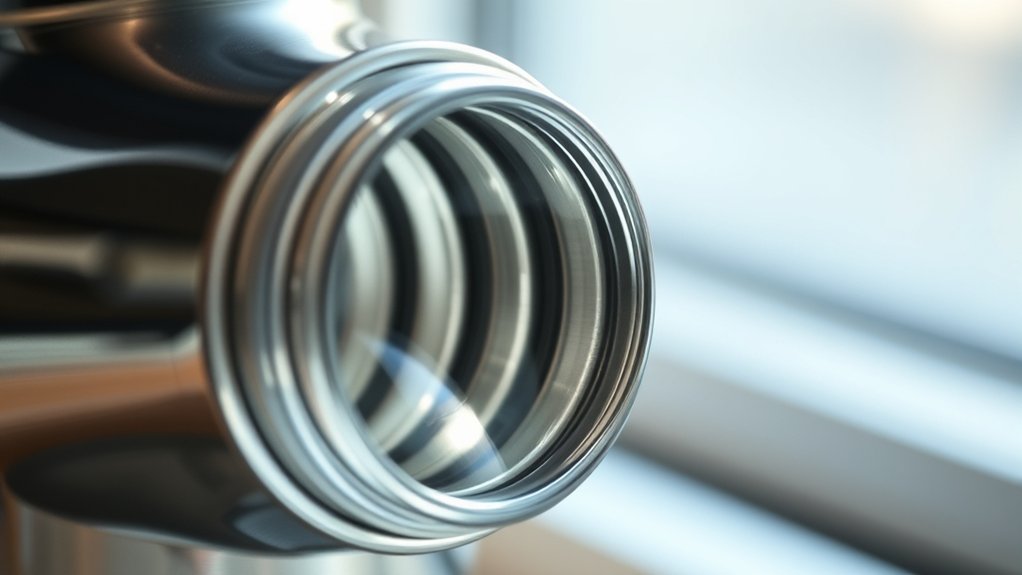
You might wonder how a vacuum can keep your drink hot or cold for hours. The vacuum insulation works by removing air, which stops heat from moving through conduction and convection.
This barrier is what prevents heat from escaping or entering your thermos.
Vacuum Insulation Basics
Why does a vacuum stop heat from escaping your thermos? It’s because a vacuum removes almost all air, which means there’s hardly anything to carry heat away.
Here’s how vacuum insulation works:
- No Air Molecules: Without air, there are no molecules to transfer heat by conduction or convection.
- Minimal Radiation: The inner surfaces reflect thermal radiation, reducing heat loss.
- Barrier Layers: The thermos walls are designed to keep the vacuum sealed and prevent heat from sneaking through.
Heat Transfer Prevention
Removing air from the thermos cuts off two major ways heat escapes: conduction and convection. Since conduction requires particles to transfer heat, the vacuum inside the thermos stops this by eliminating air molecules. Without those molecules, heat can’t easily move through the space.
Convection, which relies on the movement of fluids like air or liquid to carry heat away, also gets blocked because there’s no air to circulate inside the vacuum gap. However, radiation can still transfer heat, so thermoses use reflective coatings on the inner surfaces to bounce heat back inside.
How Reflective Coatings Keep Temperatures Stable
Although the vacuum layer in a thermos minimizes heat transfer through conduction and convection, reflective coatings play an essential role in controlling radiant heat. These coatings, usually made of shiny metal like aluminum, reflect infrared radiation, preventing heat from escaping or entering.
Reflective coatings in thermoses reflect infrared radiation, controlling radiant heat and maintaining your drink’s temperature.
Here’s how they keep your drink’s temperature stable:
- Reflecting Radiant Heat Outward: When your drink is hot, the coating bounces heat back inside, keeping it warm longer.
- Blocking External Heat: For cold drinks, the coating reflects outside heat away, preserving the cool temperature.
- Reducing Energy Loss: By minimizing radiant heat transfer, less energy escapes, so your beverage stays at its desired temperature efficiently.
Why Double Walls Keep Drinks Hot or Cold Longer
How does a vacuum thermos keep your drink hot or cold for hours? It all comes down to the double walls. These two layers create a space that acts as a barrier, reducing heat transfer.
When you pour a hot drink in, the outer wall stays cool, and your drink stays hot because heat can’t easily escape through the gap between the walls. The same goes for cold drinks—the walls prevent outside heat from warming up your beverage.
This double-wall design limits heat loss through conduction and convection, which are the main ways heat travels. Since the air (or vacuum) between the walls contains very few molecules, it stops heat from moving across. So, your drink stays at the right temperature much longer.
Materials That Make Vacuum Thermoses Effective
Because the effectiveness of a vacuum thermos relies heavily on its materials, manufacturers carefully choose components that minimize heat transfer. You’ll find that the right materials help block heat loss or gain, keeping your drinks at the perfect temperature longer.
Here are three key materials that make vacuum thermoses effective:
- Stainless steel: Durable and resistant to corrosion, it provides structural strength and reflects heat.
- Glass: Often used for the inner lining, it offers excellent insulation by reducing heat conduction.
- Silicone or rubber: Used for seals and lids, these materials prevent air exchange, maintaining the vacuum’s integrity.
How Vacuum Thermoses Keep Hot and Cold Drinks Different
The materials inside a vacuum thermos don’t just block heat—they work together to create distinct environments for hot and cold drinks. When you pour a hot drink inside, the vacuum layer minimizes heat loss by preventing conduction and convection, while reflective surfaces inside bounce heat back into the liquid. This keeps your coffee or tea warm for hours.
For cold drinks, the same vacuum space prevents outside heat from entering, and the reflective surfaces stop sunlight from warming your beverage. You’ll notice your iced tea stays chilled without condensation forming on the outside, thanks to the thermos’s insulation.
Debunking Common Vacuum Thermos Myths
Even if you’ve used a vacuum thermos for years, you might still believe some common misconceptions about how it works.
Let’s debunk a few so you understand your thermos better:
- It keeps drinks hot by insulation alone. Actually, the vacuum layer prevents heat transfer, not just insulation material.
- You can’t put carbonated drinks in it. While it’s true pressure builds up, many thermoses can handle carbonation if you open them carefully.
- The vacuum eventually leaks out. If your thermos is well-made, the vacuum should last for years without losing its effectiveness.
Knowing these facts helps you appreciate the clever design behind your thermos and use it more confidently.
Maximize Your Vacuum Thermos Performance
If you want your vacuum thermos to perform at its best, simple habits can make a big difference. First, preheat or pre-chill your thermos by filling it with hot or cold water for a few minutes before adding your beverage. This step helps maintain the temperature longer.
Avoid opening the lid frequently, as each time you do, heat escapes and reduces efficiency. Clean your thermos thoroughly after each use to prevent odors and residue that can affect taste and insulation. Use the thermos for its intended purpose—hot liquids for hot thermoses, cold for cold ones—to optimize performance.
Finally, handle your vacuum thermos gently to avoid dents or damage that can compromise the vacuum seal and insulation. With these tips, you’ll get the most out of your thermos every time.
Frequently Asked Questions
Can I Put a Vacuum Thermos in the Dishwasher?
You shouldn’t put a vacuum thermos in the dishwasher because the high heat and detergent can damage its insulation and seals.
Instead, hand wash it gently with warm soapy water to keep it working well and leak-free.
Are Vacuum Thermoses Safe for Carbonated Drinks?
Imagine shaking a soda can—pressure builds up fast. You shouldn’t put carbonated drinks in your vacuum thermos because the sealed space traps gas, causing dangerous pressure that might burst or leak.
How Long Does a Vacuum Thermos Typically Last?
You can expect a vacuum thermos to last anywhere from 3 to 10 years, depending on how well you care for it. Avoid drops and harsh cleaning to keep its insulation working effectively longer.
Proper maintenance plays a key role in extending the lifespan of your thermos. Handle it gently and clean it with mild detergents to preserve its quality.
Can Vacuum Thermoses Be Used for Soups or Solids?
You can treat your vacuum thermos like a trusted treasure chest for soups and solids alike. It keeps your meals warm or cold, preserving their essence, so you’ll enjoy every bite just as fresh as when packed.
Do Vacuum Thermoses Retain Odors From Previous Contents?
Yes, vacuum thermoses can retain odors if you don’t clean them thoroughly. You’ll want to wash them well after each use, especially if you’ve stored strong-smelling foods or drinks, to avoid lingering smells.
Conclusion
Think of your vacuum thermos like a tiny fortress guarding your drink’s temperature. Just like a castle’s walls and moat keep invaders out, the vacuum and double walls block heat from sneaking in or out.
In fact, studies show these features can keep liquids hot or cold for up to 24 hours. So, next time you sip your perfectly warm coffee hours later, remember—it’s your thermos working hard behind the scenes to protect every drop.
The vacuum insulation and double wall design are key to maintaining temperature. These elements prevent heat transfer, making your vacuum thermos an essential tool for keeping drinks hot or cold all day.