Can You Vacuum Up Mold Spores?
You can vacuum up mold spores safely if you use a vacuum with a true HEPA filter and wear protective gear like gloves and an N95 mask. Mold spores are tiny and can easily spread through the air, so using the right vacuum is crucial to prevent health risks and allergies.
Regular vacuums are not designed to trap these spores effectively and may actually disperse them further.
Always guarantee good ventilation during the cleaning process to reduce airborne spores.
Clean your vacuum thoroughly right after use to avoid contamination and prevent mold from growing inside the machine.
Using the right equipment and precautions makes mold removal both effective and safer.
Keep exploring to find out how to choose the best vacuum and protect yourself during cleanup. Proper techniques and tools can make a significant difference in maintaining a healthy environment.
Key Takeaways
- Vacuuming mold spores is possible only with a vacuum equipped with a true HEPA filter to trap microscopic spores effectively.
- Regular vacuums without HEPA filters can spread mold spores into the air, increasing health risks.
- Proper protective gear and ventilation are essential when vacuuming mold to prevent inhalation and contamination.
- Damp cleaning after vacuuming helps remove remaining spores without causing them to become airborne.
- Heavily infested porous materials should be discarded, as vacuuming cannot fully eliminate mold from them.
Can You Safely Vacuum Up Mold Spores?
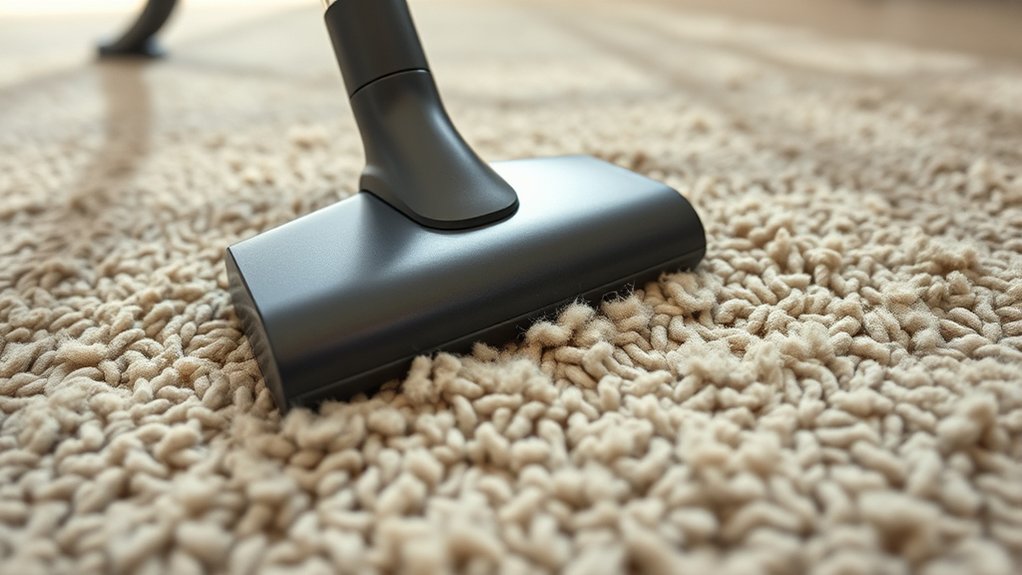
Although it might seem like a simple solution, you shouldn’t vacuum mold spores without taking precautions. Regular vacuums often lack the proper filtration to trap these tiny particles, which means spores can escape back into the air. To safely vacuum mold, you’ll need a vacuum equipped with a HEPA filter designed to capture microscopic allergens and spores effectively.
Before you start, wear protective gear like gloves and a mask to avoid inhaling spores or touching contaminated surfaces. Make sure to clean or dispose of the vacuum bag or canister contents immediately after use to prevent spreading mold elsewhere.
Health Risks of Vacuuming Mold
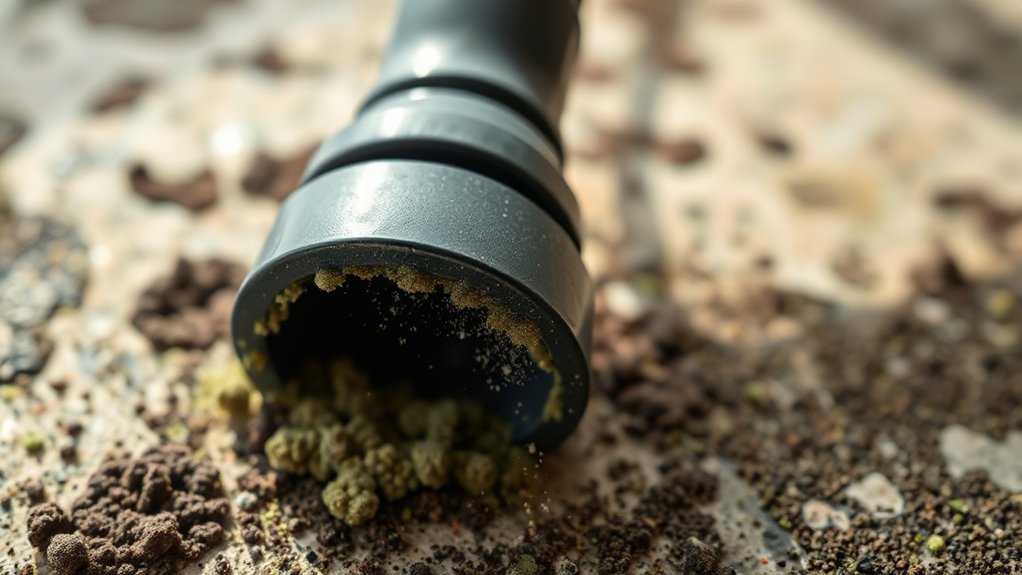
Using a vacuum to clean mold spores might seem like a straightforward step, but it carries significant health risks if not done properly. When you vacuum mold without the right equipment, spores can become airborne, increasing your risk of inhaling them. This can trigger allergic reactions, respiratory issues, or worsen asthma symptoms.
Mold spores are tiny and can easily bypass regular vacuum filters, spreading contamination rather than removing it. Additionally, if your vacuum isn’t designed for mold cleanup, it may harbor spores inside, turning it into a source of ongoing exposure. You could end up exposing yourself and others in your home to harmful spores, which can lead to headaches, coughing, or even infections in sensitive individuals.
Always be cautious when dealing with mold to protect your health.
How to Protect Yourself When Removing Mold
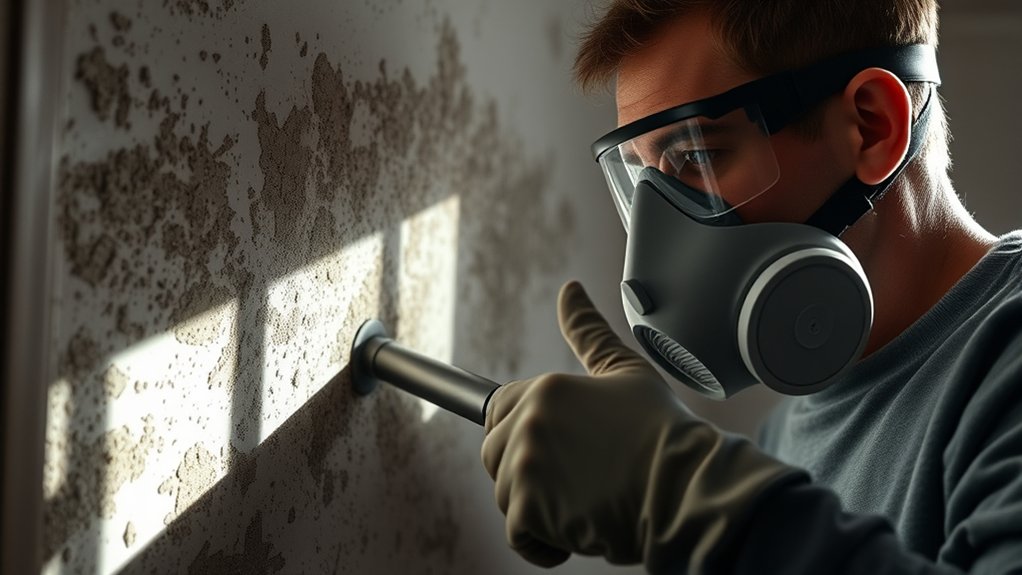
How can you stay safe while removing mold from your home? First, protect your respiratory system since mold spores can irritate your lungs. Wearing an N95 mask or respirator helps prevent inhalation.
Second, shield your skin and eyes; mold can cause irritation or allergic reactions. Use gloves, long sleeves, and goggles. Third, guarantee good ventilation to reduce spore concentration in the air.
Open windows and use fans to keep fresh air flowing. Here’s a quick checklist to keep you safe:
- Wear an N95 mask or respirator
- Use gloves, long sleeves, and goggles
- Maintain proper ventilation by opening windows and using fans
Following these steps minimizes your exposure and helps you remove mold safely.
Vacuum Features That Effectively Capture Mold Spores
To effectively capture mold spores, you’ll want a vacuum with strong suction power that can pull particles deep into the machine. A HEPA filter is essential because it traps tiny spores that regular filters miss. Choosing the right features will help you clean more thoroughly and reduce the risk of spreading mold.
HEPA Filtration Importance
One of the most essential features you should look for in a vacuum when dealing with mold spores is a HEPA filter. HEPA filters trap at least 99.97% of particles as small as 0.3 microns, which includes most mold spores, preventing them from being released back into the air. Without a HEPA filter, your vacuum might just spread spores around, making the problem worse.
When choosing a vacuum with HEPA filtration, consider these factors:
- Seal integrity: Ensures spores don’t escape around the filter edges.
- Filter maintenance: Easy removal and cleaning help maintain efficiency.
- Certified filtration: Look for vacuums tested and certified for true HEPA performance.
Using a vacuum with proper HEPA filtration is a critical step to effectively reduce mold spores indoors.
Suction Power Impact
While HEPA filters trap mold spores effectively, suction power plays a key role in actually pulling those spores from surfaces into the vacuum. If your vacuum lacks strong suction, spores can remain embedded in carpets, upholstery, or cracks, reducing cleaning effectiveness. You’ll want a vacuum with adjustable suction settings, so you can increase power on stubborn areas without damaging delicate surfaces.
Models with high airflow and sealed systems prevent spores from escaping back into the air. Keep in mind, even the best filters won’t help if the vacuum can’t lift the spores off surfaces. So, when choosing a vacuum to tackle mold spores, prioritize both HEPA filtration and robust suction power to maximize spore capture and improve indoor air quality.
How to Choose the Right Vacuum for Mold Cleanup
Choosing the right vacuum for mold cleanup matters because not all vacuums can safely handle mold spores without spreading them further. You need a vacuum designed to contain and filter tiny particles effectively.
Look for a model with a HEPA filter, which traps spores instead of releasing them back into the air. Additionally, consider a vacuum with sealed systems to prevent leaks.
When choosing your vacuum, focus on these key features:
- HEPA filtration for capturing mold spores
- Sealed system to avoid spore leakage
- Strong suction to pull spores from surfaces efficiently
Vacuum Mold Safely: Step-by-Step Guide
Before you start vacuuming mold, make sure you’ve chosen the right vacuum with a HEPA filter to trap spores effectively. You’ll also need to wear proper protective gear like gloves and a mask to avoid exposure.
Follow these safety steps carefully to keep yourself and your home safe during cleanup.
Choosing The Right Vacuum
How do you pick a vacuum that can safely handle mold spores without spreading them further? You want a vacuum designed to trap tiny particles efficiently. Not all vacuums are up to the task, so choosing the right one is essential for safe mold cleanup.
Look for these key features:
- HEPA Filter: Captures 99.97% of particles as small as 0.3 microns, preventing spores from escaping back into the air.
- Sealed System: Ensures all airflow passes through the filter without leaks, containing mold spores securely.
- Canister or Shop Vac Design: Often better than upright models because they minimize disturbance of spores during cleaning.
Selecting a vacuum with these qualities helps you avoid spreading mold spores and keeps your cleanup more effective.
Proper Safety Precautions
Since mold spores can spread easily and pose health risks, you need to take proper safety precautions before vacuuming. First, wear a high-quality N95 respirator to avoid inhaling spores. Put on gloves and goggles to protect your skin and eyes from irritation.
Make certain the area is well-ventilated by opening windows or using fans. Avoid dry sweeping or disturbing mold without containment, as this releases more spores into the air. Use a vacuum with a HEPA filter to trap spores effectively.
After cleaning, carefully remove and dispose of gloves and wash your hands thoroughly. Finally, clean the vacuum thoroughly to prevent mold spores from spreading to other areas. Following these steps helps you vacuum mold safely and reduces health risks.
Risks of Using Regular Vacuums for Mold Spores
Although it might seem convenient to vacuum mold spores, using a regular vacuum can actually spread them further into your home. Most standard vacuums lack the proper filtration systems to trap tiny mold spores, which means these spores can escape back into the air. This can worsen indoor air quality and increase health risks.
Here are key risks of using a regular vacuum on mold spores:
- Spore Release: Spores can blow out of the exhaust, contaminating other areas.
- Cross-Contamination: Mold spores caught in the vacuum can spread when you clean other surfaces.
- Damage to Vacuum: Moisture from mold can harm vacuum components, reducing effectiveness.
For these reasons, it’s best to avoid using a regular vacuum on mold-affected areas.
Alternative Methods to Remove Mold Spores Safely
When you need to tackle mold spores, relying on specialized tools and techniques is essential to avoid spreading contamination. Instead of using a regular vacuum, opt for a vacuum equipped with a HEPA filter, which traps tiny spores effectively. You can also use damp cloths or sponges to wipe surfaces gently, preventing spores from becoming airborne.
For porous materials, consider discarding them if heavily infested, as mold can penetrate deeply. Using a mixture of water and detergent or a mold-specific cleaner helps eliminate spores without harsh chemicals. Always wear protective gear like gloves and a mask to protect yourself.
Finally, guarantee proper ventilation and dehumidification to reduce moisture, preventing mold from returning after cleaning.
Frequently Asked Questions
How Long Do Mold Spores Survive on Household Surfaces?
Mold spores can survive on household surfaces for weeks to months, especially in damp areas. You’ll want to clean and dry surfaces thoroughly to prevent mold growth since spores thrive in moisture and organic material.
Can Mold Spores Cause Allergies in Pets?
Yes, mold spores can cause allergies in your pets, triggering symptoms like sneezing, coughing, or skin irritation. You should keep their environment clean and dry to minimize exposure and consult a vet if symptoms appear.
Does Humidity Affect Mold Spore Growth Indoors?
Humidity is the fuel that feeds mold’s fire indoors. When you keep indoor humidity above 60%, mold spores thrive and multiply.
Are Air Purifiers Effective Against Airborne Mold Spores?
Yes, air purifiers can help reduce airborne mold spores, especially those with HEPA filters. You’ll still need to control humidity and clean mold sources directly to prevent spores from multiplying and spreading indoors effectively.
Can Mold Spores Be Found in HVAC Systems?
Yes, mold spores can hide in your HVAC system, especially in damp areas like coils or ducts. You should regularly inspect and clean it to prevent spores from spreading throughout your home and affecting your indoor air quality.
Regular maintenance helps keep the system running efficiently and reduces the risk of mold growth. If you notice any musty odors or visible mold, it’s important to address it promptly.
Using a professional service for thorough cleaning can also be beneficial in maintaining a healthy environment.
Conclusion
You might wonder, can you safely vacuum up mold spores? The truth is, regular vacuums can spread spores, risking your health.
But with the right HEPA-filter vacuum and proper precautions, you can reduce exposure and clean effectively. Always protect yourself with gloves and masks, and follow a careful step-by-step process.
So why risk it with just any vacuum when you can choose safer, smarter methods to tackle mold for good? Using a HEPA filter vacuum is essential to safely vacuum up mold spores and prevent contamination.