How Does a Vacuum Truck Work?
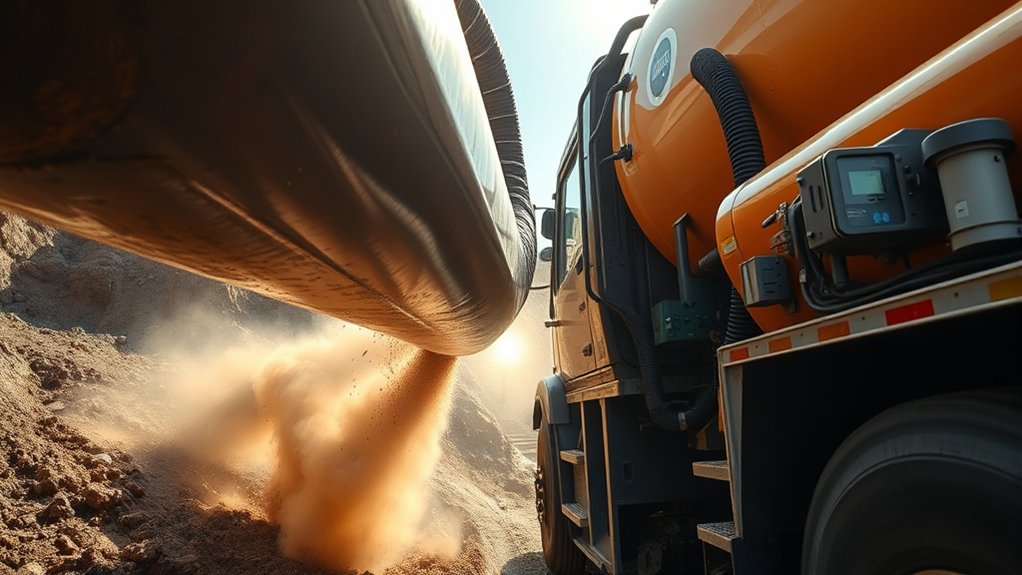
You use a vacuum truck by activating its powerful pump to create suction that pulls liquids, sludge, or debris through hoses into a sealed tank. This essential equipment is widely used in industrial cleaning, environmental cleanup, and waste management.
The system lowers air pressure inside the tank, letting materials flow in smoothly without spills.
It adjusts to handle thick or solid waste while keeping everything securely contained during transport. Vacuum trucks come with various components designed for specific jobs, including pumps, hoses, and storage tanks. Understanding these parts helps you see how different trucks operate efficiently.
If you want to understand the parts involved and how different trucks work for various jobs, there’s plenty more to explore. Each truck is tailored to meet unique demands in suction power and material handling. This versatility makes vacuum trucks invaluable across many industries.
Key Takeaways
- A vacuum truck uses a pump to create suction that pulls liquids, sludge, or debris into a sealed storage tank.
- The vacuum pump removes air from the tank, generating negative pressure to draw waste through hoses.
- Hoses and pipes transport waste from the site into the tank, designed to handle thick or heavy materials efficiently.
- The storage tank contains and separates solids and liquids, preventing spills during transport and facilitating unloading.
- Operators control suction power and monitor tank pressure via gauges and digital systems for safe, efficient operation.
What Is a Vacuum Truck and Why Is It Used
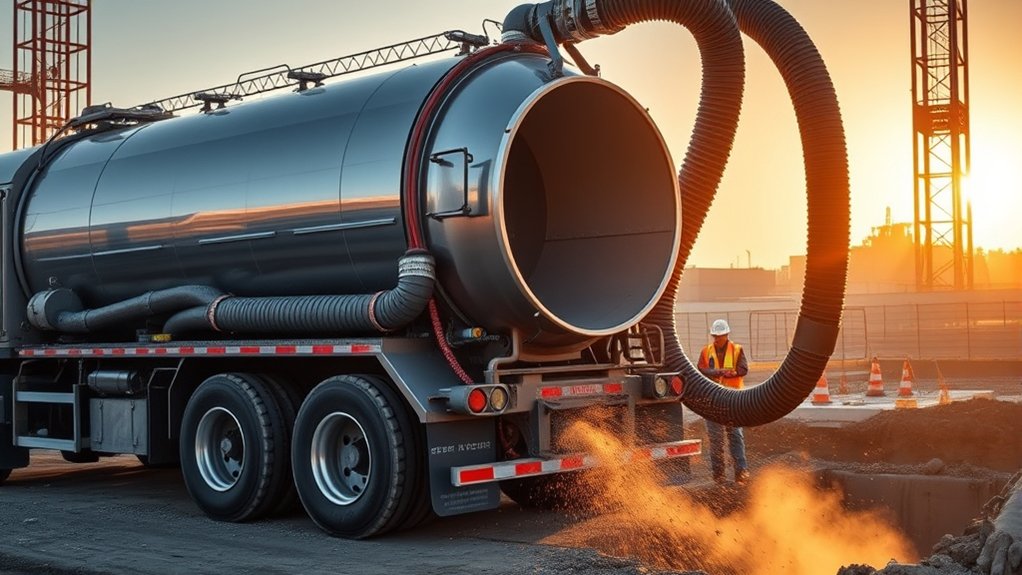
What exactly is a vacuum truck, and why would you need one? A vacuum truck is a powerful vehicle designed to suck up liquids, sludges, and debris from various sites. You’d use one whenever you need to clean out septic tanks, remove contaminated water, or clear blocked drains.
It works by creating suction through a pump, pulling materials into a sealed tank on the truck. This makes it ideal for tasks where manual cleanup is impossible or unsafe. If you’re managing industrial sites, construction projects, or environmental cleanups, a vacuum truck helps you handle waste efficiently and hygienically.
It saves time, reduces labor, and prevents exposure to hazardous substances, making your job safer and faster.
Common Vacuum Truck Types and Their Uses
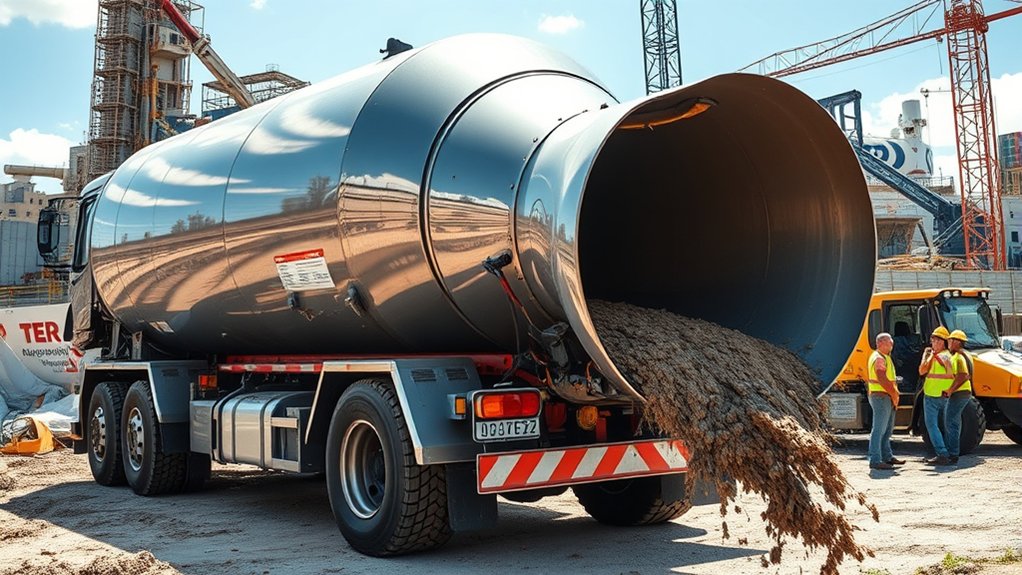
Vacuum trucks come in several types, each designed to handle specific tasks and materials. You’ll find that choosing the right type depends on what you need to clean or transport. Here are the four common types and their uses:
- Wet/Dry Vacuum Trucks – Perfect for picking up both liquids and solids, like sludge or debris.
- Hydro Excavation Trucks – These use high-pressure water to loosen soil, ideal for digging around utilities safely.
- Septic Tank Trucks – Designed specifically to pump out waste from septic systems.
- Industrial Vacuum Trucks – Built for heavy-duty jobs, handling hazardous waste or industrial sludge.
Understanding these types helps you select the best vacuum truck for your project, ensuring efficiency and safety.
How a Vacuum Truck’s Suction System Works
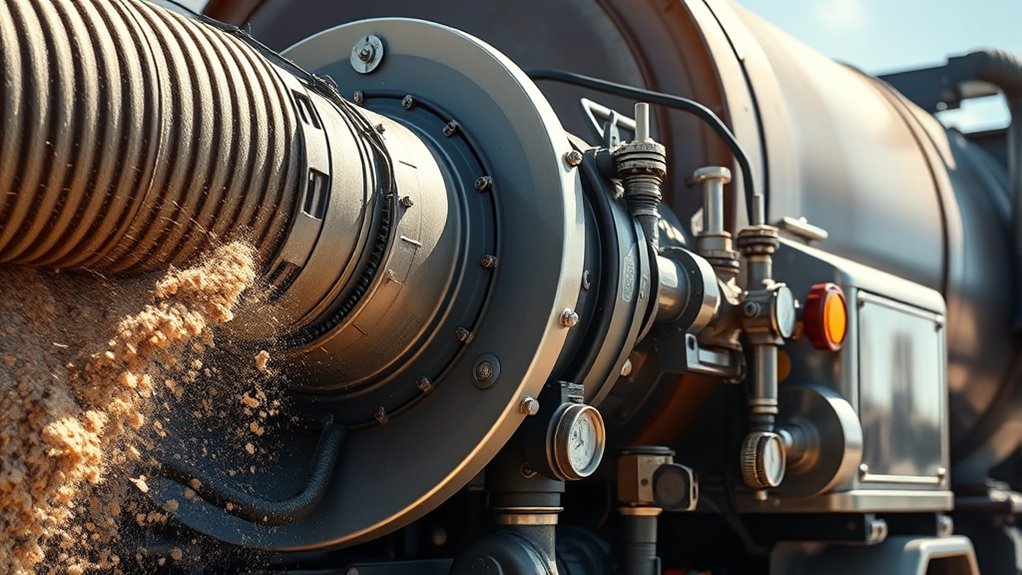
Although you might not see it working, the suction system is the heart of a vacuum truck, creating the powerful vacuum that pulls liquids, solids, and sludge into the tank. It starts with a pump that removes air from the tank, lowering the pressure inside. This pressure difference between the outside atmosphere and the tank causes materials to rush in through the hose.
You’ll find that the system often uses either a positive displacement or liquid ring pump, both designed to maintain strong, steady suction. As you operate the truck, the suction system adjusts to keep airflow consistent, even when handling thick or heavy materials. Understanding this process helps you appreciate how the vacuum truck efficiently clears waste without spilling or clogging.
What’s Inside a Vacuum Truck?
You’ll find several key components working together inside a vacuum truck to make it effective. Understanding how each part functions helps you see the full picture of its operation.
Let’s explore what’s inside and how these mechanisms keep everything running smoothly.
Key Components Overview
When you look inside a vacuum truck, you’ll find several essential components working together to guarantee efficient suction and storage. Each part plays a specific role, ensuring the truck operates smoothly and handles various materials safely.
Here’s a quick overview of the key components you’ll encounter:
- Vacuum Pump – Generates the suction power needed to pull liquids, sludge, or debris into the tank.
- Storage Tank – Holds the collected materials securely until disposal or processing.
- Hoses and Pipes – Flexible conduits that transport the waste from the source to the tank.
- Control System – Allows you to operate the pump and monitor pressure and tank levels efficiently.
Understanding these parts sets the stage for exploring how they function together.
Internal Mechanism Functions
Each key component inside a vacuum truck works in harmony to create the powerful suction and secure storage needed for efficient waste removal. When you operate the truck, the vacuum pump generates suction, pulling debris through the hose. The debris passes through filters to prevent clogs, while the debris tank safely stores the waste until disposal.
Valves control the flow, ensuring you only extract what’s needed without spills.
| Component | Function |
|---|---|
| Vacuum Pump | Creates suction for debris extraction |
| Debris Tank | Stores collected waste securely |
| Control Valves | Regulate suction and flow of materials |
Understanding these mechanisms helps you appreciate how the truck manages heavy, wet, or dry waste with ease and safety.
How Vacuum Trucks Collect Liquids and Sludge
Although vacuum trucks come in various sizes and designs, they all rely on powerful suction to collect liquids and sludge efficiently. When you operate one, the process is straightforward but effective.
Vacuum trucks use strong suction to efficiently collect liquids and sludge with a simple, effective process.
First, the vacuum pump creates negative pressure inside the tank. Next, you lower the suction hose into the liquid or sludge you want to remove. Then, the suction power draws the material through the hose and into the tank.
Finally, the collected substance is stored safely until you’re ready to dispose of it.
Here’s how it works step-by-step:
- Create vacuum pressure inside the tank
- Insert suction hose into the target liquid or sludge
- Activate suction to pull materials through the hose
- Store the collected liquids or sludge securely in the tank
How Solid Debris Is Handled and Stored
When your vacuum truck collects solid debris, it uses a specially designed storage tank that keeps materials secure during transport. You’ll find that the tank’s design helps separate solids from liquids, making cleanup easier.
Next, the debris removal process guarantees everything is safely emptied and ready for the next job.
Solid Debris Collection
How does a vacuum truck manage to handle solid debris efficiently? It uses a powerful suction system combined with a specialized collection method to pick up solids without clogging.
When you operate one, you rely on the following key steps:
- Suction Power – It creates a strong vacuum to lift solid debris from the site.
- Debris Separation – Solids are separated from liquids inside the tank to prevent damage.
- Debris Collection – Collected solids settle at the bottom or are trapped in a debris basket.
- Controlled Discharge – You can safely remove solids by opening specific valves or using mechanical aids.
Storage Tank Design
Where does all the solid debris go once it’s sucked up by a vacuum truck? It’s stored securely inside the truck’s storage tank, designed specifically to handle both liquids and solids. These tanks are built with durable materials like steel to withstand heavy loads and pressure.
Inside, compartments or baffles often help separate solids from liquids, preventing shifting during transport. You’ll also find features like sloped bottoms to direct debris flow and easy clean-out access points.
| Feature | Purpose |
|---|---|
| Durable Steel | Resists damage and corrosion |
| Compartmentalized | Separates solids from liquids |
| Sloped Bottom | Facilitates easy debris removal |
This design ensures your truck operates safely and efficiently while keeping debris contained until you’re ready to empty it.
Debris Removal Process
Ever wondered what happens to solid debris once it’s sucked up by a vacuum truck? You’ll find that handling and storing this debris is a carefully managed process to keep operations smooth and safe. First, the solid debris is separated from liquids inside the tank.
Then, it’s compacted to maximize space and prevent shifting during transit. After that, the debris stays securely stored in a sealed compartment, avoiding spills or contamination. Finally, you unload the solids at a designated disposal site using specialized equipment.
- Separate solids from liquids efficiently
- Compact debris to optimize tank capacity
- Securely store debris to prevent leaks
- Unload solids safely at disposal locations
This system keeps the vacuum truck effective and environmentally responsible.
How the Storage Tank Holds and Moves Waste
Why does the storage tank play such an essential role in a vacuum truck’s operation? It’s the main container where all the collected waste is held securely. Once the debris or liquid is sucked up, the tank keeps it contained to prevent leaks or spills during transport.
Inside, the tank is designed to withstand pressure changes and resist corrosion from harsh materials. When it’s time to unload, you’ll use valves and sometimes pumps to move the waste out efficiently. The tank’s shape and internal components help keep the material from shifting too much, maintaining balance and safety on the road.
Without a properly functioning storage tank, you wouldn’t be able to collect, hold, or transport waste effectively, making it a vital part of the vacuum truck’s system.
Safety Features That Keep Vacuum Trucks and Operators Protected
Because vacuum trucks handle hazardous materials and operate under high pressure, they come equipped with multiple safety features to protect both the operators and the equipment. You’ll find these features essential for preventing accidents and ensuring smooth operation.
Here are four key safety features you should know about:
- Pressure Relief Valves – These prevent tank over-pressurization, avoiding dangerous explosions or ruptures.
- Emergency Shut-Off Switches – They let you quickly stop operations if something goes wrong.
- Grounding Systems – These reduce static electricity build-up, preventing sparks that could ignite flammable materials.
- Protective Guards and Shields – They keep you safe from moving parts and high-pressure hoses during operation.
These features work together to keep you safe while you manage tough, hazardous jobs.
How Operators Control and Monitor Vacuum Trucks
While operating a vacuum truck involves powerful machinery, you control and monitor its functions through an intuitive system of gauges, switches, and digital displays. You’ll use these controls to start the vacuum pump, adjust suction power, and manage tank pressure, ensuring everything runs smoothly. Digital displays provide real-time feedback on critical parameters like pressure levels, tank capacity, and engine performance.
You also monitor warning indicators to catch potential issues early. The control panel’s layout lets you operate the truck efficiently, whether you’re vacuuming liquids, sludge, or debris. By staying attentive to these controls, you maintain peak performance and safety throughout the job.
Your ability to interpret the data and respond quickly is key to handling the vacuum truck effectively in diverse working conditions.
Maintenance Tips to Keep Vacuum Trucks Running Smoothly
Monitoring your vacuum truck’s controls closely helps prevent issues during operation, but regular maintenance keeps it running smoothly over time. To guarantee reliability and longevity, you need to stay proactive with upkeep.
Staying proactive with maintenance ensures your vacuum truck operates reliably and lasts longer.
- Check and change filters regularly – Clean filters prevent clogs and maintain suction power.
- Inspect hoses and connections – Look for cracks or leaks that can reduce efficiency or cause damage.
- Lubricate moving parts – Proper lubrication minimizes wear on pumps and valves.
- Monitor fluid levels – Keep oil, hydraulic fluid, and coolant at recommended levels to avoid breakdowns.
Typical Industries and Jobs That Rely on Vacuum Trucks
Vacuum trucks serve a wide range of industries, and you might be surprised by how many rely on them daily. Whether you’re managing wastewater, cleaning industrial sites, or handling hazardous materials, these trucks are essential tools. You’ll find them in sectors where swift, efficient debris and liquid removal is vital to operations.
| Industry | Typical Jobs |
|---|---|
| Municipal Services | Sewer cleaning, storm drain maintenance |
| Oil & Gas | Spill cleanup, tank emptying |
| Construction | Excavation debris removal, site cleanup |
If you work in any of these fields, you know vacuum trucks help keep projects on schedule and environments safe by removing waste quickly and effectively.
Innovations Boosting Vacuum Truck Efficiency and Greenness
You’ll find that advanced suction technologies are making vacuum trucks more powerful and efficient than ever. At the same time, eco-friendly power sources are helping reduce their environmental impact.
Let’s explore how these innovations are changing the game.
Advanced Suction Technologies
How exactly do new suction technologies make vacuum trucks more efficient and eco-friendly? By improving power, control, and waste handling, these advances help you get more done with less environmental impact.
Here’s how:
- Variable Frequency Drives (VFDs) let you adjust suction power precisely, reducing energy use during lighter jobs.
- High-efficiency blowers minimize fuel consumption while maintaining strong suction.
- Automated hose reels cut down manual labor and prevent leaks, helping you avoid spills and waste.
- Smart sensors monitor pressure and flow in real time, optimizing performance and reducing unnecessary emissions.
These innovations not only boost your truck’s suction capability but also help you work cleaner and smarter.
With advanced suction tech, you can tackle tough jobs while lowering your carbon footprint.
Eco-Friendly Power Sources
Building on the gains from advanced suction technologies, adopting eco-friendly power sources takes your vacuum truck’s efficiency and environmental impact to the next level. You can choose hybrid engines that combine electric motors with traditional fuel, reducing emissions while maintaining power. Fully electric vacuum trucks are emerging, eliminating tailpipe pollutants and lowering noise levels—perfect for urban environments.
Some models use biofuels or compressed natural gas (CNG), offering cleaner combustion alternatives. These innovations not only cut your carbon footprint but often reduce fuel costs and maintenance needs. By integrating these green power options, you make your operations more sustainable without sacrificing performance.
Embracing eco-friendly power sources guarantees your vacuum truck works smarter and cleaner, meeting today’s environmental standards and future regulations.
How Vacuum Trucks Keep Waste Contained Safely
Although vacuum trucks handle a variety of waste materials, they keep everything securely contained through airtight tanks and sealed systems. When you rely on these trucks, you can trust that no hazardous waste will escape during transport.
Here’s how they assure safety:
- Airtight Tanks: Prevent odors and contaminants from leaking out.
- Sealed Hoses and Valves: Stop spills and air contamination during suction and discharge.
- Pressure Monitoring: Keeps tank pressure balanced to avoid dangerous overflows or leaks.
- Durable Construction: Tanks are built with corrosion-resistant materials to withstand harsh waste and prevent structural failure.
Frequently Asked Questions
How Much Does a Vacuum Truck Typically Cost to Purchase?
You’ll typically pay between $100,000 and $300,000 for a new vacuum truck, depending on size and features.
Used models can cost less, often around $50,000 to $150,000, saving you some upfront cash.
What Training Is Required to Operate a Vacuum Truck?
You’ll need specialized training, including a commercial driver’s license (CDL) and safety courses on handling hazardous materials. Hands-on experience with equipment and understanding environmental regulations are essential before you operate a vacuum truck confidently.
This training ensures you can manage the truck safely and comply with legal requirements. It also prepares you to respond effectively to any emergencies or spills. Proper knowledge helps protect both the environment and public health.
How Long Does It Take to Fill a Vacuum Truck Tank?
If you’re cleaning a septic tank, it usually takes about 20 to 30 minutes to fill a vacuum truck tank. The exact time depends on material thickness and pump power, so expect some variation.
Can Vacuum Trucks Be Used in Hazardous Environments?
Yes, you can use vacuum trucks in hazardous environments, but you’ll need specialized equipment and safety measures. Make sure the truck is rated for explosive or toxic materials and that you follow strict protocols to protect yourself and others.
Always conduct a thorough risk assessment before starting work. Use personal protective equipment (PPE) appropriate for the hazards. Ensure all operators are properly trained for the specific environment.
What Are the Environmental Regulations for Vacuum Truck Waste Disposal?
You have to follow strict environmental regulations like EPA guidelines, proper waste classification, and disposal permits.
Don’t assume all waste is treated equally; hazardous materials demand special handling to prevent contamination and hefty fines.
Conclusion
Now that you know how a vacuum truck works, you can see why it’s a powerhouse on wheels, tackling the messiest jobs with ease. Whether you’re clearing sludge or hauling liquids, these trucks are your go-to heroes, making tough tasks feel like a walk in the park.
Keep them well-maintained, and they’ll keep running smoothly, saving you time and headaches. Trust me, once you’ve seen a vacuum truck in action, you’ll never underestimate its might!
Vacuum trucks are essential for efficient waste removal and environmental cleanup, proving their value on every job site. Their powerful suction and versatility make them indispensable equipment in many industries.