10 Facts About How Much Water a Front Load Washing Machine Does Use
You’ll use about 10 to 20 gallons of water per load with a front load washing machine, which is significantly less than traditional top loaders that can use up to 40 gallons per load. Front load washers are designed to adjust water levels based on the load size and cycle type, making them water-efficient appliances.
This means they save water when washing smaller or lightly soiled loads without compromising cleaning performance.
Heavy fabrics and bulky cycles naturally require more water to ensure thorough cleaning. However, most front load washers come with eco modes that maximize water and energy efficiency.
Choosing a front load washing machine not only cuts water usage but also reduces energy costs, making it a smart, eco-friendly choice for your home.
Keep exploring to uncover more ways to save water and energy with your laundry routine.
Key Takeaways
- Front load washers typically use 10 to 20 gallons of water per load, significantly less than traditional top load machines. They adjust water levels automatically based on load size to conserve water efficiently. Using front loaders can reduce water consumption by up to 50% compared to standard washers.
- Eco cycles and load-sensing technology help optimize water use without compromising cleaning quality. Running full loads in front load washers maximizes water savings and reduces utility costs.
Typical Water Usage of Front Load Washing Machines
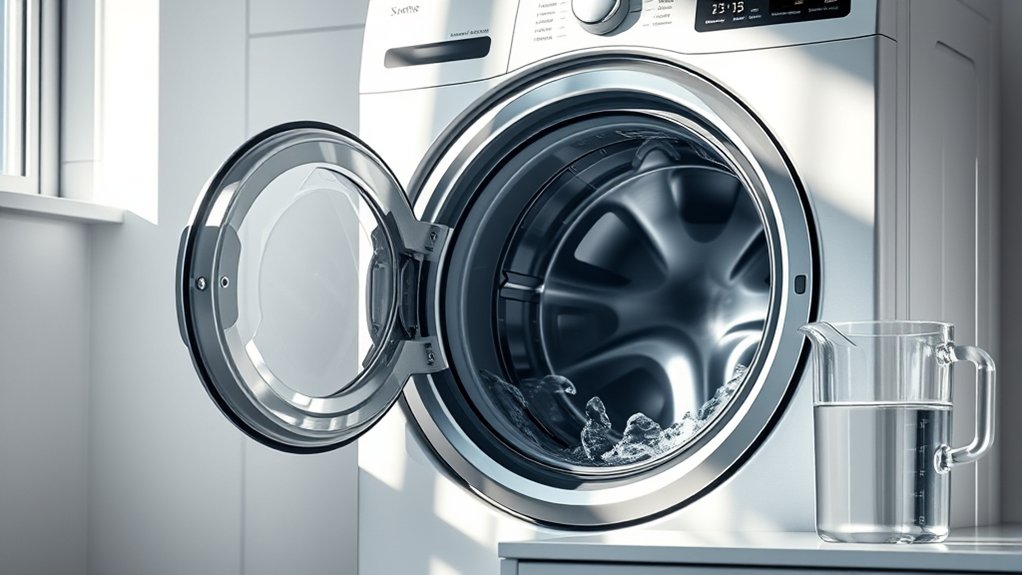
Although front load washing machines vary by model, they typically use markedly less water than top load machines. When you use a front loader, water fills the drum just enough to soak the clothes, relying on the tumbling action to clean efficiently. Most models use between 10 to 20 gallons of water per load, depending on load size and cycle settings.
You’ll find that front loaders adjust water levels automatically, so you don’t waste excess water for smaller loads. This precision helps you save water without sacrificing cleanliness. If you’re mindful of your water use, choosing the right cycle and properly loading your machine can further reduce consumption.
Front Load vs. Standard and High-Efficiency Top Load Washers: Water Use Comparison
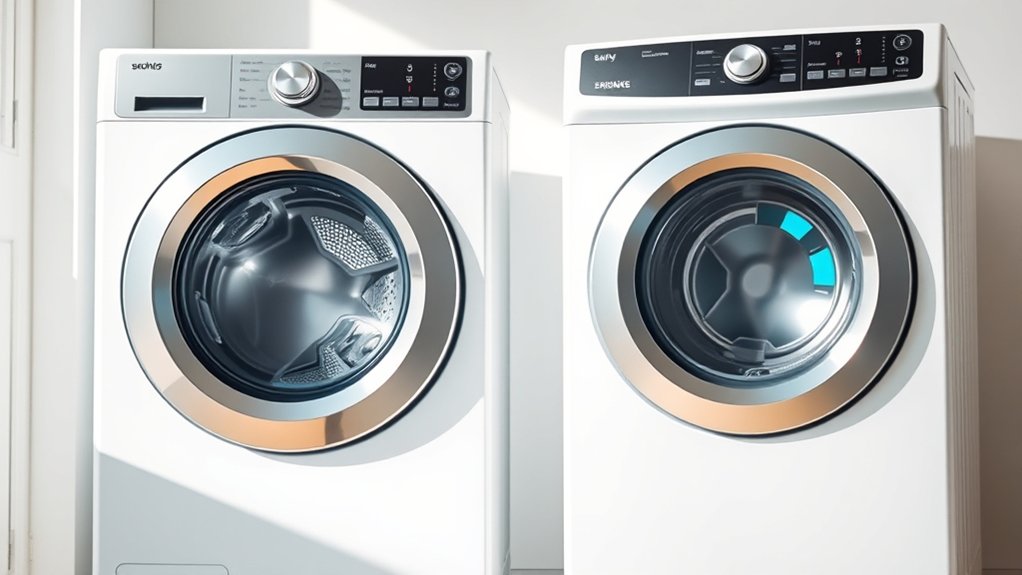
You’ll find that front load washers use considerably less water than standard top loaders, making them more efficient overall. Even compared to high-efficiency top load washers, front loaders often come out ahead in water savings.
This difference can add up, helping you lower your utility bills over time.
Water Usage Differences
Front load washing machines use markedly less water than standard top load models, making them a smart choice if you want to save on utility bills. When you compare front loaders to traditional top load washers, you’ll find they use about 40-50% less water per cycle. High-efficiency top load washers also reduce water usage compared to standard models, but they still generally consume more water than front loaders.
This difference comes from front loaders tumbling clothes through a shallow water pool, while top loaders fill with more water to submerge clothes completely. So, if minimizing water consumption is your priority, front load washers offer the best option. You’ll not only save water but reduce your water heating costs too, given less water is heated each cycle.
Efficiency of Front Loaders
Choosing a washing machine means balancing water efficiency with cleaning performance. Front load washers use less water than standard top load models because they tumble clothes through a small amount of water instead of filling the entire drum. High-efficiency top loaders also use less water but generally more than front loaders.
Here’s a quick comparison to help you visualize:
| Washer Type | Water Use per Load (Gallons) |
|---|---|
| Standard Top Load | 30-40 |
| High-Efficiency Top Load | 15-25 |
| Front Load | 10-15 |
| High-Efficiency Front Load | 8-12 |
Impact on Utility Bills
Although washing machines vary widely in water use, the amount your appliance consumes directly affects your utility bills. Front load washers use considerably less water than standard top load models, which means you’ll see noticeable savings on your water bill.
High-efficiency top loaders also use less water than traditional washers but generally more than front loaders. Because water heating accounts for a large portion of your energy costs, using a front loader can reduce both water and energy expenses.
Over time, these savings add up, making front load washers a smart investment for lowering monthly utility bills. If you want to cut costs and conserve resources, choosing a front load washer is a practical choice that benefits your wallet and the environment.
How Load Size Affects Water Use in Front Load Washing Machines
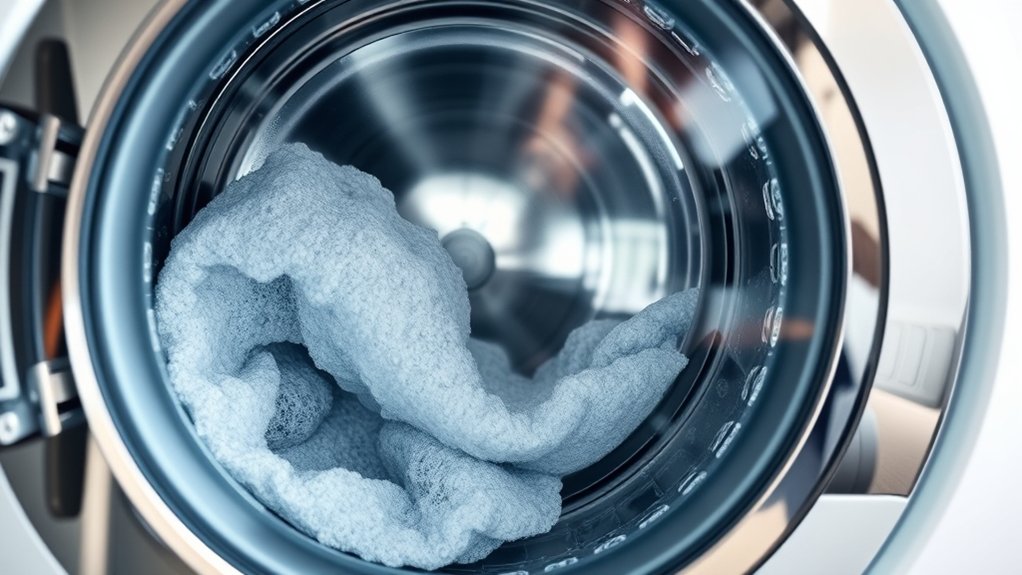
When you adjust the load size in a front load washing machine, you directly influence how much water it uses. These machines are designed to use just enough water to clean each load efficiently, so smaller loads require less water. If you wash fewer clothes, the machine automatically reduces water volume, saving resources.
On the other hand, larger loads demand more water to thoroughly soak and rinse your laundry. But overloading your machine can reduce cleaning effectiveness and may cause excess wear. To optimize water use, aim for full but not stuffed loads.
This balance ensures efficient water consumption while maintaining good washing performance. By paying attention to load size, you play a key role in conserving water and reducing your household’s environmental impact.
How Wash Cycle Choices Impact Water Consumption
Since different wash cycles are designed for specific fabric types and soil levels, they directly affect how much water your front load washing machine uses. When you select a heavy-duty or bulky cycle, your machine usually increases water volume to thoroughly clean heavily soiled items. On the other hand, quick or delicate cycles use less water, focusing on gentle agitation and shorter wash times.
Choosing the right cycle can help you avoid wasting water by matching the cleaning intensity to the load’s needs. For lightly soiled clothes, opting for a shorter or eco-friendly cycle reduces water consumption without compromising cleanliness. So, pay attention to cycle settings, as they play a key role in managing water use efficiently during each wash.
How Fabric Type Influences Water Usage in Front Load Washers
The water your front load washer uses doesn’t just depend on the cycle you pick—it also changes based on the fabric type. Heavier fabrics like denim or towels absorb more water, so your washer needs extra water to saturate them thoroughly. On the other hand, lighter materials such as synthetics or delicate fabrics require less water since they don’t hold as much moisture.
When you load your machine with mixed fabrics, the washer adjusts water levels to accommodate the heaviest items, often increasing usage. So, if you want to save water, consider washing similar fabric types together. By doing this, your front load washer can optimize water consumption, ensuring a thorough clean without using more water than necessary.
Understanding Water Efficiency Ratings for Front Load Washing Machines
Although front load washers are known for using less water than top loaders, not all models are equally efficient. You can gauge a washer’s water usage by looking at its water efficiency rating, which helps you compare models before buying. These ratings often come from organizations like ENERGY STAR or the WaterSense program, indicating machines that meet strict water-saving criteria.
Here’s a quick guide to common water efficiency ratings:
| Rating Level | Water Usage (Gallons per Load) |
|---|---|
| Excellent | 10-12 |
| Good | 13-15 |
| Average | 16-18 |
| Poor | 19-22 |
| Very Poor | 23+ |
Check these ratings to pick a model that fits your water-saving goals.
Tips to Reduce Water Use When Using a Front Load Washer
If you want to cut down on water use with your front load washer, you can adopt a few simple habits that make a big difference. First, always run full loads to maximize water efficiency. Avoid washing small loads unless your machine has an adjustable setting for load size.
Use the appropriate cycle for the type of laundry; shorter, lighter cycles use less water. Pre-treat stains so you don’t need extra rinses. Also, check if your washer has an eco or water-saving mode and use it when possible.
Finally, maintain your washer well by regularly cleaning filters and seals to keep it running efficiently. These small steps help you save water every time you do laundry without sacrificing cleanliness.
Environmental Benefits of Water-Efficient Front Load Washing Machines
When you choose a water-efficient front load washing machine, you considerably reduce your household’s environmental impact. These machines use less water per load, which means you conserve a crucial resource. Plus, they require less energy to heat water, cutting down on your carbon footprint.
By switching, you actively contribute to protecting the environment.
Making the switch helps you play an active role in preserving our planet.
Here’s how water-efficient front load washers benefit the planet:
- Lower Water Consumption: Uses up to 50% less water than traditional washers.
- Reduced Energy Usage: Less hot water needed means less energy burned.
- Decreased Wastewater Production: Minimizes strain on sewage and treatment systems.
Key Features to Choose a Water-Efficient Front Load Washer
When choosing a water-efficient front load washer, focus on models with low water usage ratings to save more. Consider load capacity options that match your household size to avoid wasting water on small or large loads.
Also, look for energy-saving features that complement water efficiency for overall cost and resource savings.
Water Usage Efficiency
Because water efficiency directly impacts both your utility bills and the environment, choosing a front load washer with key features designed to minimize water use is essential. You want a machine that adjusts water levels based on the load size, ensuring no excess water is wasted.
Look for models with advanced sensors that detect fabric type and soil level, optimizing water use accordingly. Additionally, washers with Eco-friendly cycles use less water without compromising cleaning performance.
Here’s what to focus on for water usage efficiency:
- Load-sensing technology that tailors water volume to the laundry load
- Soil sensors that adjust water based on how dirty clothes are
- Eco cycles that reduce water consumption while maintaining cleanliness
These features help you save water and cut costs every wash.
Load Capacity Options
Choosing the right load capacity for your front load washer can considerably impact water efficiency. If your washer is too large for your typical laundry loads, you’ll end up using more water than necessary. Conversely, a washer that’s too small means you’ll run multiple cycles, wasting both water and time.
Aim for a capacity that matches your household’s laundry habits—usually between 4.2 to 5.0 cubic feet for average families. Larger capacities suit bigger households but may use more water per load, so only choose big if you regularly wash bulky items. Remember, front load washers generally use less water than top loaders, but selecting the right size ensures you maximize efficiency.
Focus on matching capacity to load size, and you’ll save significant water over time.
Energy-Saving Features
Although front load washers already use less water than top loaders, you can save even more by selecting models with advanced energy-saving features. These features help reduce both water and electricity consumption, lowering your utility bills and environmental impact.
When shopping, look for washers that include:
- Eco-friendly wash cycles that adjust water use based on load size and fabric type
- High spin speeds to remove more water, cutting down drying time and energy use
- Automatic load sensing to optimize water and energy consumption for each wash
How to Maximize Water Savings With Your Front Load Washing Machine
When you want to reduce water usage without sacrificing laundry quality, your front load washing machine offers several features designed to help. Start by always running full loads; this maximizes water efficiency per wash. Use the machine’s eco or water-saving cycle, which adjusts water levels based on load size.
Avoid pre-rinsing clothes unless heavily soiled, as this wastes water unnecessarily. Regularly clean your machine’s filters and seals to maintain ideal performance and water flow. If your washer has an automatic load sensing feature, trust it to use only the water needed.
Finally, choose cold water washes when possible, as they not only save energy but also reduce water heating demands. By following these tips, you’ll save water and keep your laundry clean.
Frequently Asked Questions
How Often Should I Descale My Front Load Washing Machine?
You should descale your front load washing machine every 3 to 6 months, depending on your water hardness. If you notice buildup or odors, do it more often to keep your machine running efficiently and smelling fresh.
Can Front Load Washers Cause Mold Buildup?
Front load washers can develop a “moisture party” inside, encouraging mold growth if you don’t keep them dry.
You’ll want to leave the door open and clean seals regularly to prevent that unwelcome guest from settling in.
What Maintenance Is Required for the Water Inlet Valve?
You should regularly check your water inlet valve for leaks and blockages. Clean the filters inside the valve to prevent clogs, and replace the valve if it shows signs of wear or doesn’t open properly.
This will help keep your washer running smoothly.
Do Front Load Washers Use More Electricity Than Top Loaders?
No, front load washers usually use less electricity than top loaders because they spin faster and clean efficiently. You’ll save energy and reduce utility bills by choosing a front loader, especially with modern energy-saving models.
How Long Is the Average Lifespan of a Front Load Washer?
Think of your front load washer like a trusty car—it usually runs smoothly for about 10 to 15 years.
With regular care, you’ll enjoy countless loads without worrying about sudden breakdowns or costly repairs.
Conclusion
By choosing a front load washing machine, you’re giving your water bill a gentle nudge toward savings without compromising cleanliness. Being mindful of load sizes, cycle choices, and fabric types lets you sip water wisely, making every drop count.
With a few simple habits, you’ll quietly become a champion of water efficiency, helping the planet while keeping your clothes fresh. It’s a small change with a splash of positive impact—one wash at a time.
Embracing the water-saving benefits of a front load washing machine ensures you use less water per cycle. This not only reduces your utility costs but also supports sustainable living.
Incorporating water-efficient practices with your front load washer is a smart move for both your home and the environment.