Managing Vacuum Disc Phenomenon Treatment
Managing vacuum disc phenomenon involves a combination of targeted exercises, physical therapy, and pain relief methods to alleviate discomfort and promote spinal health. Effective treatments include heat or cold packs and medications such as NSAIDs, which help reduce inflammation and pain. These conservative approaches form the foundation of managing this condition.
If symptoms persist despite these measures, minimally invasive procedures may be considered to address the underlying issue. Surgery remains a last resort and is typically reserved for severe cases where other treatments have failed.
Maintaining flexibility and strengthening spinal muscles are crucial for supporting healing and reducing discomfort. Understanding these options empowers you to take control of your symptoms and improve your spine’s health.
There is much more to explore regarding effective treatments and lifestyle adjustments for vacuum disc phenomenon.
Key Takeaways
- Physical therapy and low-impact exercises strengthen spinal muscles and improve flexibility to reduce vacuum disc symptoms.
- NSAIDs, muscle relaxants, and corticosteroid injections help manage pain and inflammation effectively.
- Minimally invasive procedures like epidural steroid injections and percutaneous disc decompression relieve persistent nerve pressure.
- Surgical options, including discectomy and spinal fusion, are considered for severe cases unresponsive to conservative treatments.
- Early diagnosis via imaging allows timely intervention, preventing progression and improving overall treatment outcomes.
What Is Vacuum Disc Phenomenon and How Does It Develop
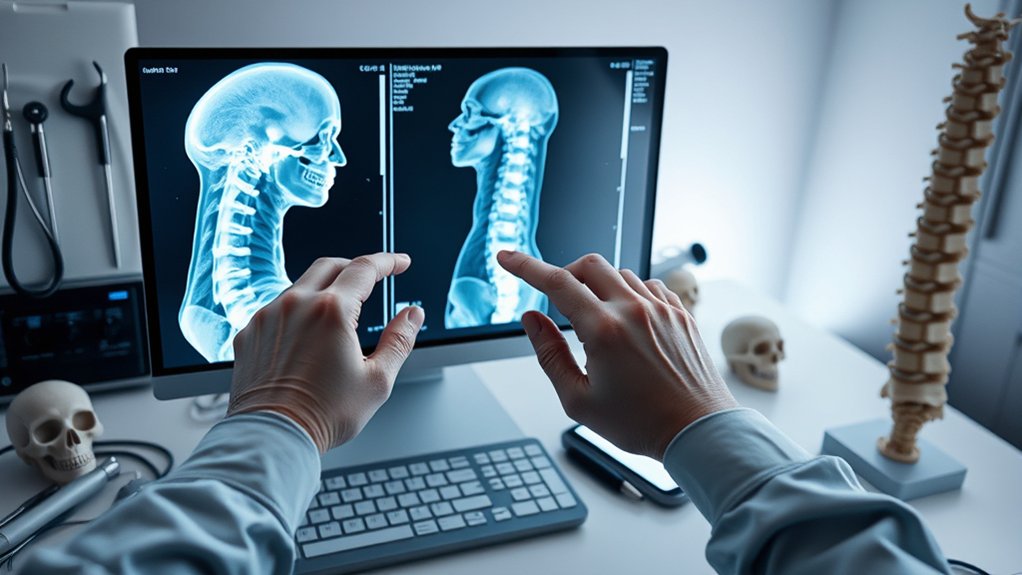
What exactly is the vacuum disc phenomenon, and how does it develop? You’re dealing with a condition where gas, mainly nitrogen, accumulates within the spinal disc’s damaged area. This happens because the disc’s outer layer weakens or tears, allowing gases from surrounding tissues to seep in.
Over time, as the disc degenerates and loses height, the negative pressure inside pulls in more gas, creating visible pockets on imaging scans. This phenomenon often occurs in the lumbar or cervical spine and signals ongoing disc degeneration. While it might sound alarming, it’s a natural part of the aging process or wear and tear caused by injury or repetitive stress.
Recognizing this helps you and your healthcare provider understand the disc’s condition better.
How Vacuum Disc Phenomenon Causes Pain and Nerve Problems

Although the vacuum disc phenomenon itself is a sign of degeneration, it can lead to pain and nerve problems when the gas pockets cause the disc to collapse further or irritate nearby nerves. As the disc loses height, it puts extra pressure on the surrounding spinal structures, including nerves. This pressure can trigger inflammation and nerve irritation, resulting in sharp or radiating pain.
You might experience numbness, tingling, or weakness in your limbs if nerves get compressed. Additionally, the instability caused by the collapsed disc can worsen over time, leading to muscle spasms and chronic discomfort.
Understanding how these changes affect your spine helps you recognize why symptoms worsen and highlights the importance of proper management to relieve nerve-related issues and maintain spinal function.
How Is Vacuum Disc Phenomenon Diagnosed?

Since the vacuum disc phenomenon involves changes within the spinal discs, doctors rely on imaging tests to diagnose it accurately. You’ll likely undergo these tests to pinpoint the presence of gas bubbles in the discs and evaluate any related spinal changes. Common diagnostic tools include:
Imaging tests are essential for detecting gas bubbles and assessing spinal changes in vacuum disc phenomenon.
- X-rays showing dark spots representing gas within the disc space
- CT scans offering detailed cross-sectional images of disc structure
- MRI scans revealing disc degeneration and nerve involvement
- Discography to evaluate disc integrity and pain source
- Physical examination assessing spinal mobility and symptoms
These methods help your doctor confirm the diagnosis and plan appropriate treatment. Understanding the imaging results allows you to grasp the condition’s impact on your spine and the best way to manage it effectively.
When Should You See a Doctor for Vacuum Disc Symptoms?
If your pain from vacuum disc symptoms doesn’t ease or gets worse, it’s time to see a doctor. Watch for neurological signs like numbness, tingling, or weakness that shouldn’t be ignored.
Also, seek medical help if your movement becomes limited or daily activities get difficult.
Persistent Pain Warning Signs
How do you know when your vacuum disc symptoms need medical attention? Persistent pain that doesn’t improve with rest or over-the-counter painkillers is a clear warning sign. If your discomfort starts interfering with daily activities, it’s time to act.
Watch for pain that:
- Intensifies at night or when lying down
- Spreads beyond the initial area, like into your hips or thighs
- Remains constant for more than a few days
- Worsens with movement or certain positions
- Causes noticeable stiffness or limits your range of motion
Ignoring these signs can delay treatment and worsen your condition. If you experience any of these, see your doctor promptly to prevent complications and get relief tailored to your needs.
Neurological Symptoms Alert
When should you be concerned about neurological symptoms related to vacuum disc issues? If you experience numbness, tingling, or weakness in your arms or legs, don’t ignore these signs. Sudden changes in bladder or bowel control also require immediate medical attention.
These symptoms could indicate nerve compression or damage caused by the vacuum disc phenomenon. If the pain radiates down your limbs or you notice coordination problems, see a doctor promptly. Early diagnosis helps prevent further nerve injury and guides appropriate treatment.
Even if symptoms are mild but persistent, consulting a healthcare professional guarantees proper monitoring. Don’t wait for symptoms to worsen—addressing neurological signs early improves your chances of effective management and recovery.
When Mobility Is Limited
Struggling to move without pain or stiffness can signal that your vacuum disc condition needs medical attention. When your mobility becomes limited, it’s essential to recognize the signs that you should see a doctor promptly. Don’t wait if you notice:
- Difficulty bending or twisting your back
- Persistent stiffness after rest or activity
- Trouble walking or maintaining balance
- Increasing pain during everyday movements
- Inability to perform routine tasks like dressing or reaching
These symptoms suggest your vacuum disc phenomenon is affecting your quality of life and may require professional evaluation. Early intervention can prevent worsening damage and help restore your mobility. If you experience any of these limitations, schedule an appointment with a healthcare provider to discuss treatment options tailored to your needs.
Conservative Treatments for Vacuum Disc Phenomenon
Although the vacuum disc phenomenon can cause discomfort, you don’t always need invasive procedures to manage it. You can start with conservative treatments that focus on reducing pain and improving mobility. Physical therapy helps strengthen surrounding muscles and supports your spine.
Regular low-impact exercises, like walking or swimming, keep your joints flexible. Applying heat or cold packs can relieve pain and reduce inflammation. Additionally, using ergonomic supports during daily activities prevents further strain.
| Treatment Type | Purpose | Example |
|---|---|---|
| Physical Therapy | Strengthen muscles | Targeted spine exercises |
| Low-Impact Exercise | Improve flexibility | Swimming, walking |
| Heat/Cold Therapy | Pain relief and swelling | Heating pads, ice packs |
These approaches often ease symptoms and improve your quality of life without surgery.
Medications for Vacuum Disc Phenomenon Pain Relief
Since managing pain is essential for maintaining daily function, medications can play an important role in treating the vacuum disc phenomenon. You’ll want to focus on relieving inflammation and reducing discomfort to stay active. Over-the-counter options like nonsteroidal anti-inflammatory drugs (NSAIDs) often provide quick relief.
In some cases, your doctor might suggest muscle relaxants to ease tightness around the spine or prescribe stronger analgesics for severe pain. Corticosteroid injections may also be considered for targeted inflammation control.
Here are common medications you might encounter:
- Ibuprofen or naproxen for inflammation
- Acetaminophen for mild pain relief
- Muscle relaxants to reduce spasms
- Prescription opioids for short-term severe pain
- Corticosteroid injections to reduce localized swelling
Always consult your healthcare provider before starting any medication regimen.
Physical Therapy for Vacuum Disc Phenomenon
Physical therapy can help you manage vacuum disc phenomenon by strengthening muscles with targeted exercises and improving your spinal flexibility. You’ll also learn pain management techniques to reduce discomfort during daily activities.
Let’s explore how these approaches work together to support your recovery.
Benefits of Targeted Exercises
When you focus on targeted exercises, you can strengthen the muscles supporting your spine and reduce the pressure on affected discs. This approach helps stabilize your spine, preventing further degeneration caused by the vacuum disc phenomenon. Targeted exercises also improve your posture, which lessens unnecessary strain on your discs.
By consistently working on these movements, you’ll experience less pain and better control over your daily activities.
Here are key benefits you’ll notice with targeted exercises:
- Enhanced core strength stabilizing the spine
- Reduced spinal load and disc compression
- Improved muscle endurance around affected areas
- Decreased pain through better support and alignment
- Boosted confidence in movement and activity tolerance
Sticking with these exercises plays an essential role in managing and easing your symptoms.
Improving Spinal Flexibility
Building on the strength gained from targeted exercises, improving your spinal flexibility can further relieve discomfort caused by the vacuum disc phenomenon. You can start with gentle stretches that focus on your lower back and surrounding muscles, gradually increasing your range of motion without forcing any movements. Techniques like pelvic tilts, knee-to-chest stretches, and cat-cow poses help maintain spinal mobility and reduce stiffness.
Consistency matters; aim to incorporate flexibility exercises into your daily routine to prevent muscle tightness and support better posture. Always listen to your body—avoid pushing into pain—and consult your physical therapist to tailor stretches to your specific needs. By improving flexibility, you’ll enhance your spine’s function and support overall recovery alongside other therapies.
Pain Management Techniques
How can you effectively manage pain caused by the vacuum disc phenomenon? Physical therapy plays a key role in reducing discomfort and improving function. You’ll want to focus on targeted techniques that ease pressure and promote healing.
Incorporate exercises and therapies that support your spine without causing strain.
Consider these approaches to help manage your pain:
- Gentle stretching to relieve muscle tightness
- Low-impact aerobic activities like walking or swimming
- Core strengthening exercises to stabilize your spine
- Manual therapy, including massage and mobilization
- Heat and cold therapy to reduce inflammation and soothe pain
Minimally Invasive Procedures for Persistent Symptoms
Although many cases of vacuum disc phenomenon resolve with conservative care, you might need minimally invasive procedures if symptoms persist. These options aim to reduce pain and improve function without the risks of open surgery. Procedures like epidural steroid injections can help decrease inflammation and provide relief.
You might also consider percutaneous disc decompression, which removes gas or fluid buildup to relieve pressure on nerves. Another option is intradiscal electrothermal therapy (IDET), which uses heat to stabilize the disc and reduce pain. These treatments typically involve short recovery times and outpatient settings, allowing you to return to daily activities sooner.
Always discuss these options with your healthcare provider to determine which minimally invasive procedure fits your specific condition and overall health.
Surgical Options for Vacuum Disc Phenomenon
When do you need to contemplate surgery for vacuum disc phenomenon? Surgery often becomes an option when conservative treatments and minimally invasive procedures no longer relieve your pain or neurological symptoms. If your disc degeneration causes significant nerve compression or spinal instability, a surgical approach may be necessary.
Here are common surgical options you might discuss with your surgeon:
- Discectomy: Removing the damaged disc material pressing on nerves
- Spinal fusion: Joining two or more vertebrae to stabilize the spine
- Artificial disc replacement: Replacing the degenerated disc with a prosthetic one
- Laminectomy: Removing part of the vertebra to relieve pressure on the spinal cord
- Foraminotomy: Enlarging the nerve root opening to reduce nerve compression
Each option targets specific issues based on your symptoms and imaging results.
Lifestyle Changes to Manage Vacuum Disc Phenomenon
Since managing vacuum disc phenomenon often requires a multi-faceted approach, incorporating lifestyle changes can markedly reduce your pain and improve spinal health. Start by maintaining a healthy weight to decrease pressure on your spine. Engage in low-impact exercises like swimming or walking to strengthen muscles that support your back without causing strain.
Pay attention to your posture, especially when sitting or lifting objects, to avoid added stress on your discs. Incorporate stretching routines to improve flexibility and reduce stiffness. Avoid prolonged periods of inactivity, which can worsen symptoms.
Additionally, quit smoking if you do, as it impairs blood flow to spinal tissues and delays healing. These lifestyle adjustments complement medical treatments and help you manage symptoms more effectively.
Long-Term Strategies to Improve Quality of Life
To improve your quality of life over the long term, you need to adopt strategies that go beyond immediate symptom relief. Managing vacuum disc phenomenon requires consistent effort and smart choices. Focus on strengthening your body and protecting your spine to prevent further issues.
Staying proactive helps you maintain mobility and reduces discomfort over time.
Consider these strategies:
- Incorporate low-impact exercises like swimming or cycling to support joint health.
- Maintain a balanced diet rich in anti-inflammatory foods.
- Practice good posture throughout your daily activities.
- Schedule regular check-ups with your healthcare provider.
- Use ergonomic furniture and supportive bedding to reduce strain.
Frequently Asked Questions
Can Vacuum Disc Phenomenon Affect Other Parts of the Spine Besides the Lumbar Region?
Yes, vacuum disc phenomenon can affect other spine parts like the cervical and thoracic regions.
You’ll find it’s not limited to the lumbar area, so be aware it might impact different spinal segments beyond just your lower back.
Are There Any Dietary Supplements That Help With Vacuum Disc Healing?
Think of your spine as a garden—while no supplement can magically heal vacuum discs, nutrients like glucosamine, omega-3s, and vitamin D support overall disc health.
You’ll want to combine these with proper care for best results.
How Does Vacuum Disc Phenomenon Impact Athletic Performance?
You might experience reduced flexibility and occasional pain, which can limit your range of motion and endurance. This could affect your performance, especially in high-impact or repetitive activities, so you’ll want to modify exercises accordingly.
Is Vacuum Disc Phenomenon Hereditary or Linked to Genetics?
The vacuum disc phenomenon isn’t directly hereditary, but genetics can influence your spinal health, making you more prone to degeneration.
What Role Does Stress Play in the Symptoms of Vacuum Disc Phenomenon?
Stress can worsen your vacuum disc phenomenon symptoms by increasing muscle tension and inflammation around your spine. Managing stress helps reduce pain and discomfort, so you should practice relaxation techniques and maintain healthy habits to ease your symptoms.
Conclusion
Managing vacuum disc phenomenon might seem like a tough nut to crack, but with the right approach, you can ease your symptoms and improve your quality of life. By combining conservative treatments, minimally invasive procedures, or surgery when needed, along with lifestyle changes, you’re taking control of your health.
Remember, early diagnosis and proactive care are key—you don’t have to let this condition steal your comfort or mobility. Effective management of vacuum disc phenomenon involves a comprehensive strategy tailored to your needs. Prioritizing treatment and lifestyle adjustments can significantly improve outcomes and help maintain spinal health.