How Do You Dispose of a Washing Machine in 10 Easy Steps?
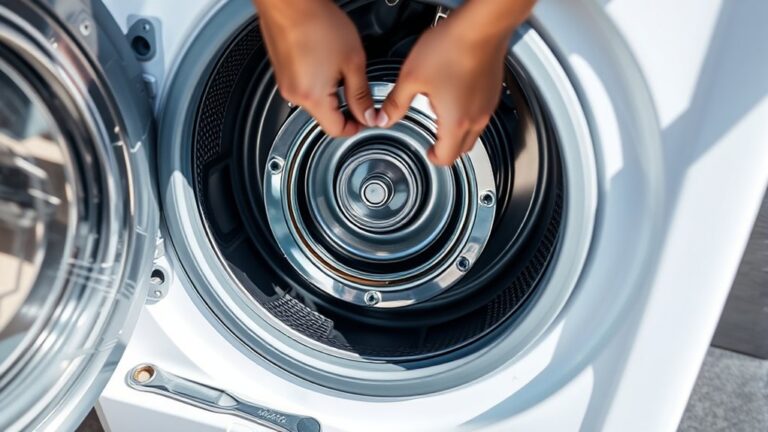
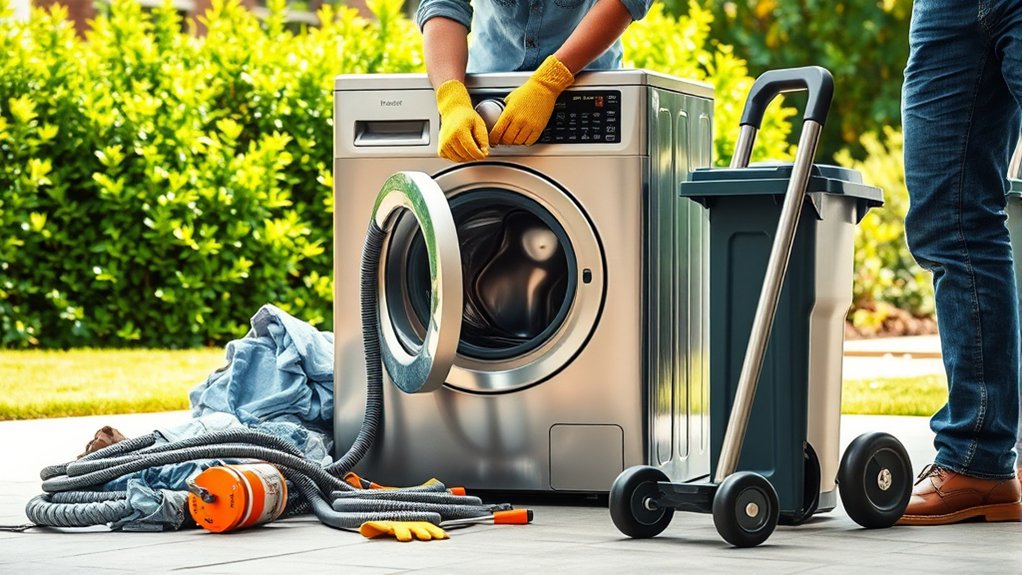
To dispose of your washing machine safely and responsibly, start by unplugging it and turning off the water supply. Proper disposal is essential to avoid environmental harm and ensure safety.
Draining all water by detaching hoses and cleaning out any residue prevents leaks and damages during transport.
Handle hazardous parts like capacitors carefully, using protective gear to avoid injury.
Measure your machine and surrounding spaces to plan transport and ensure a smooth removal process.
Choose the best option for disposal, whether selling, donating, recycling, or using a local pickup service.
Confirm all disposal details with the service provider and prepare the washing machine for removal to avoid damage.
Following these steps helps you complete the process efficiently and safely. Keep following for helpful tips on completing the process smoothly.
Key Takeaways
- Unplug the washing machine and turn off water supply valves to safely disconnect hoses and power cords.
- Drain all residual water by detaching the drain hose and clean detergent drawers and filters to prevent mold.
- Measure the machine’s dimensions and weight, and check doorways and hallways for clearance during removal.
- Research local recycling centers or pickup services, confirm fees, schedule disposal, and clarify preparation requirements.
- Secure or lock the drum, clear surrounding space, and ensure proper handling to prevent damage during transport.
Unplug and Disconnect Your Washing Machine Safely
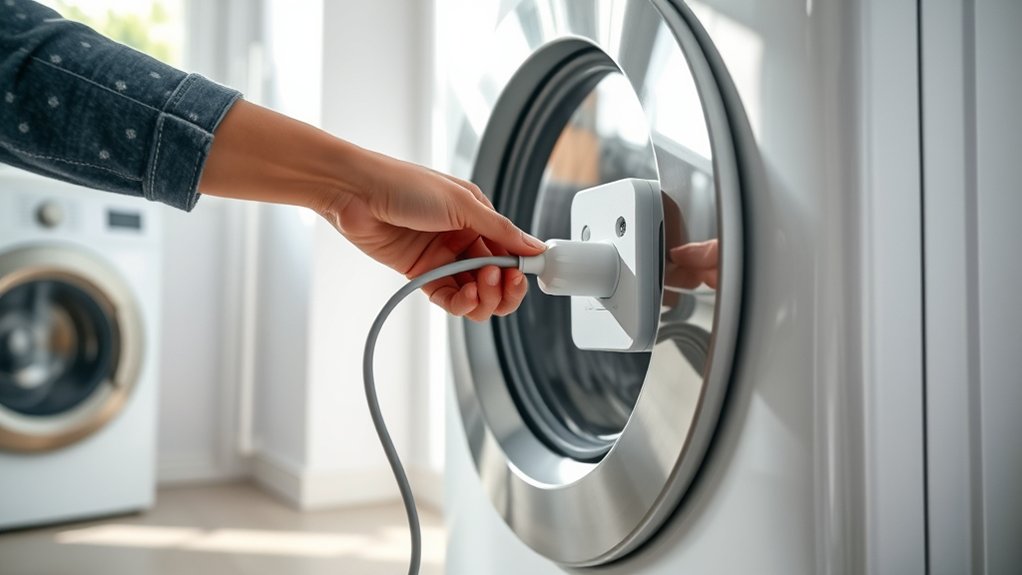
Before you begin moving your washing machine, make sure you unplug it and disconnect all hoses properly. First, locate the power cord and pull the plug from the outlet to cut off electricity safely. Next, turn off the water supply valves behind the machine.
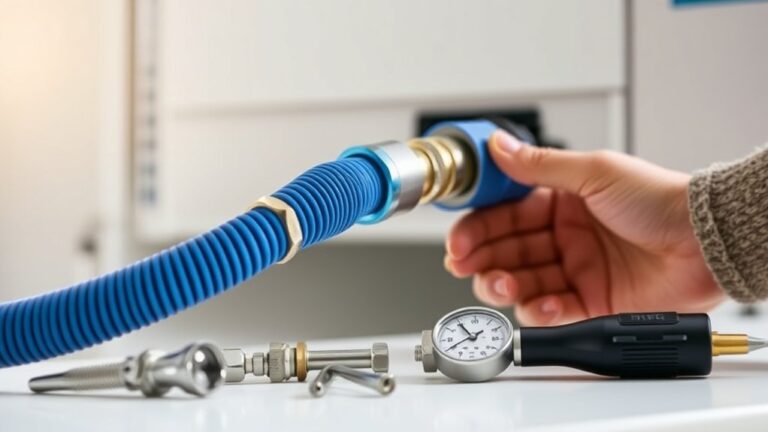
Then, carefully detach the hot and cold water hoses from the back of the washer, having a towel or bucket ready to catch any drips. Also, disconnect the drain hose from the standpipe or laundry tub. Handle all connections gently to avoid damage or leaks.
Once unplugged and hoses are removed, you’re ready to move or prepare your washing machine for disposal without risking electric shock or water damage.
Drain Water and Clean Out Your Washing Machine
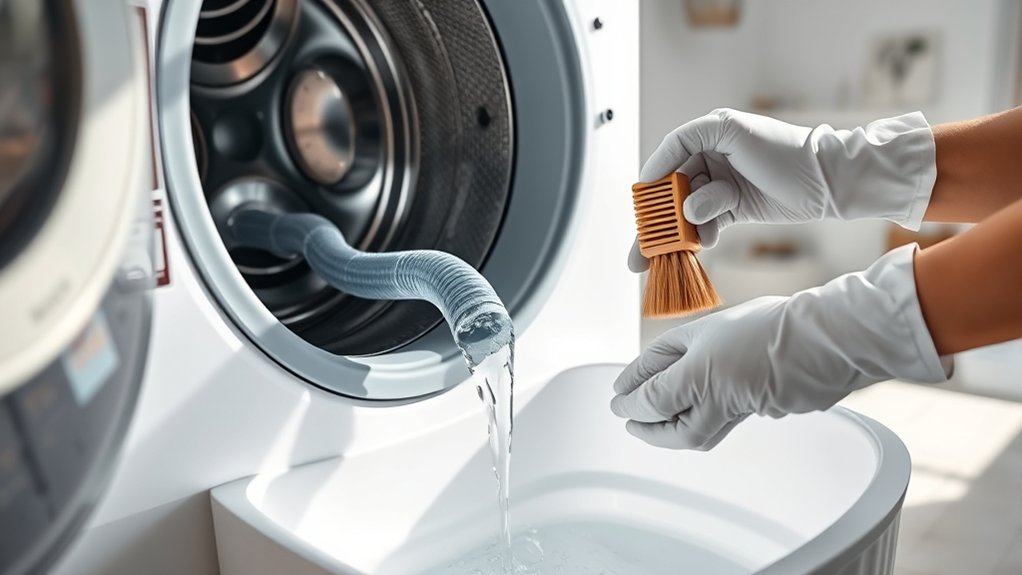
Before you dispose of your washing machine, make sure to drain any excess water to avoid spills. You’ll also want to clean out detergent residue to prevent mold and odors.
Taking these steps helps keep the area tidy and safe during removal.
Remove Excess Water
Although it might seem simple, removing excess water from your washing machine is a crucial step to prevent leaks and make handling easier. First, unplug the machine to guarantee safety. Then, locate the drain hose—usually at the back—and position a bucket or shallow pan below it.
Gently detach the hose and allow the water to drain out completely. If your machine has a drain filter or pump filter, open it carefully to release any trapped water. Be prepared for some spills, so keep towels nearby.
Draining all excess water helps avoid messes during transport and disposal. Once drained, double-check that no water remains inside by tilting the machine slightly. This step keeps your space dry and makes moving the washing machine safer and cleaner.
Clean Detergent Residue
Once you’ve drained the excess water, you should tackle the detergent residue that often builds up inside your washing machine. This buildup can cause odors, mold, and affect the machine’s efficiency. Start by wiping down the drum and door seals with a damp cloth.
Then, run a cleaning cycle using white vinegar or a specialized washing machine cleaner. Make sure to clean the detergent drawer and filter too, as detergent and lint can accumulate there.
To effectively clean detergent residue:
- Use hot water for the cleaning cycle
- Add white vinegar or baking soda for natural cleaning
- Remove and rinse the detergent drawer thoroughly
- Wipe rubber seals and gaskets to prevent mold
- Clean or replace the filter to maintain drainage
This guarantees your washing machine is fresh and ready for disposal or reuse.
Safely Dispose of Washing Machine Hazardous Parts
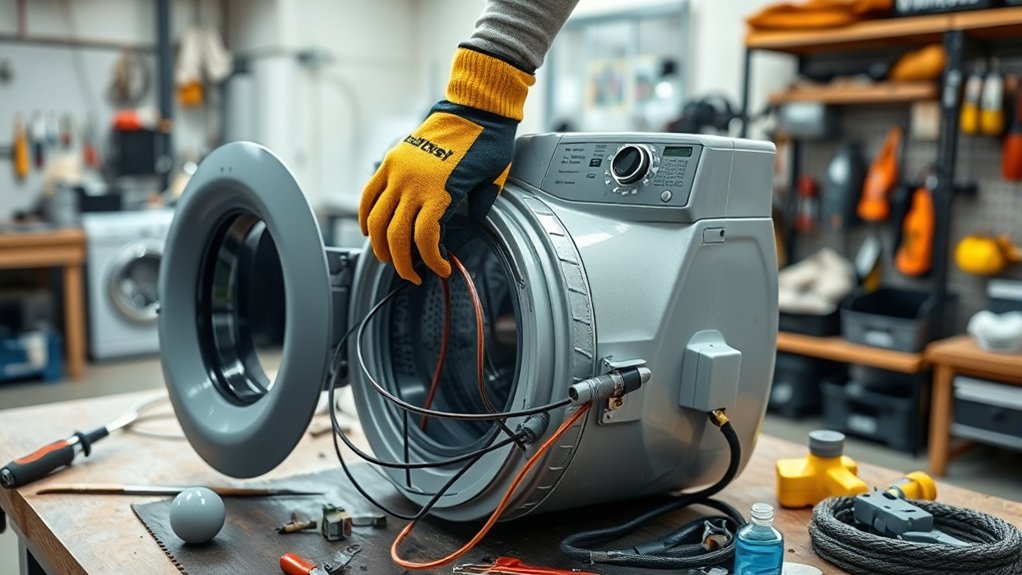
How do you handle the hazardous parts inside a washing machine when disposing of it? First, identify components like the capacitor, motor oil, and refrigerants in certain models. These parts require special care because they can be harmful to the environment.
Before disposal, carefully remove these items if you’re comfortable doing so. Otherwise, inform the recycling center or disposal service about the hazardous materials so they can manage them properly. Never throw these parts in regular trash bins.
Use protective gloves and eyewear when handling to avoid injury. Contact local hazardous waste facilities for guidance if you’re unsure. Taking these steps guarantees that toxic substances don’t leak into soil or water, keeping your community safe during your washing machine’s disposal process.
Why Proper Washing Machine Disposal Matters
You need to dispose of your washing machine properly to protect the environment from harmful chemicals and materials. Following safety guidelines helps prevent accidents and guarantees you comply with local regulations.
Taking these steps makes a real difference for your community and the planet.
Environmental Impact Awareness
Why does properly disposing of your washing machine matter for the environment? When you handle it correctly, you reduce pollution and conserve resources. Old machines contain materials like metals and plastics that can be recycled, preventing unnecessary landfill waste.
Improper disposal can lead to harmful chemicals seeping into soil and water, damaging ecosystems. By choosing eco-friendly disposal methods, you help minimize your carbon footprint and support sustainable practices.
Consider these environmental benefits when disposing of your washing machine:
- Reduces landfill overcrowding
- Prevents toxic chemical leaks
- Conserves natural resources through recycling
- Lowers greenhouse gas emissions
- Supports circular economy initiatives
Taking responsibility guarantees your appliance’s impact on the planet stays minimal.
Safety and Compliance
When disposing of a washing machine, what safety rules and legal requirements should you follow? First, you must verify that the appliance is disconnected from power and water sources to avoid electrical shocks or leaks.
Next, check your local regulations—many areas require you to recycle appliances through certified programs to prevent hazardous materials like refrigerants and heavy metals from harming the environment.
You shouldn’t just dump your washing machine in the trash or leave it on the curb without approval, as this could result in fines. Proper disposal also protects sanitation workers and the community by reducing exposure to sharp parts and toxic substances.
Following these rules not only keeps you safe but also ensures you comply with laws designed to protect public health and the environment.
Choose to Sell, Donate, or Recycle Your Washing Machine
Although disposing of a washing machine might seem straightforward, exploring options like selling, donating, or recycling can save you money and reduce waste.
First, decide if your machine still works well enough to sell or donate. Selling can earn you cash, while donating helps those in need and supports community programs.
If it’s broken or outdated, recycling is the eco-friendly choice. Many recycling centers accept appliances and ensure hazardous parts are handled safely. Here’s what to contemplate:
- Check the machine’s condition and age
- Research local donation centers or charities
- List it online if selling
- Find certified appliance recyclers nearby
- Remove personal items and clean before disposal
Choosing the right option benefits you and the environment.
Measure Your Washing Machine for Transport
Before moving your washing machine, you’ll want to measure its height and width carefully. Make sure to check that doorways and hallways are wide enough for it to pass through.
Don’t forget to record its weight and size to plan for a safe and smooth transport.
Measure Height And Width
Start by measuring your washing machine’s height and width accurately to guarantee it fits through doorways and into your transport vehicle. Use a tape measure to get precise dimensions, noting the tallest and widest points. Don’t forget to include any handles or protruding parts that add to the overall size.
Record these measurements clearly to avoid surprises during moving or disposal. Here’s what to focus on:
- Measure from the floor to the machine’s highest point for height
- Measure the widest part, including side handles or knobs
- Check if any attachments increase width or height
- Write down measurements in both inches and centimeters
- Double-check your numbers before proceeding
Accurate height and width measurements help ensure your washing machine moves smoothly without damage.
Check Doorway Clearance
How will you know if your washing machine fits through your home’s doorways? Start by measuring the width and height of each door and hallway it must pass through during removal. Use a tape measure to get accurate dimensions, noting any narrow spots or tight corners.
Don’t forget to include door frames, molding, and thresholds, as these can reduce the available space. If your washing machine has removable parts like a door or knobs, consider taking them off to gain extra clearance. Also, check the path for any obstacles such as furniture or rugs that might make maneuvering difficult.
Confirming clearances beforehand helps avoid damage to your walls or machine and guarantees a smoother transport process.
Record Weight And Size
Although measuring doorways is essential, you’ll also need to record your washing machine’s weight and dimensions to guarantee safe transport. Knowing these details helps prevent damage and assures the movers or disposal service can handle the appliance properly.
Start by measuring the height, width, and depth of your washer, including any protruding knobs or handles. Then, check the manufacturer’s label or manual for its weight, or use a scale if possible. Keep these important points in mind:
- Measure height from base to top, including any attachments
- Measure width at the widest points
- Measure depth from front to back, including hoses
- Find weight on the label or manual
- Record all info clearly for easy reference
Accurate measurements make disposal smoother and safer for everyone involved.
Find Local Washing Machine Recycling Centers or Pickup Services
Finding local recycling centers or pickup services for your washing machine can simplify the disposal process and guarantee it’s handled responsibly. Start by searching online for appliance recycling centers near you; many municipalities offer dedicated facilities. You can also check your city or county’s waste management website for information on bulky item pickups or scheduled collection days.
Some retailers provide free or low-cost appliance haul-away when you purchase a new washing machine, so ask if that option’s available. Additionally, local scrap yards or electronic recyclers often accept washing machines and ensure valuable materials are recovered safely. Contact these services directly to confirm any fees, requirements, or appointment bookings.
Taking this step helps reduce landfill waste and supports environmentally friendly disposal practices.
Prepare Your Washing Machine for Pickup or Drop-Off
Once you’ve located a recycling center or scheduled a pickup, you’ll need to prepare your washing machine to make the process smooth and safe. Start by disconnecting the power and water supply. Drain any remaining water to avoid leaks during transport.
Prepare your washing machine by disconnecting power and water, and draining water to ensure safe transport.
Secure or remove the hoses and power cords to prevent tripping hazards. If possible, lock or secure the drum to minimize movement and damage. Finally, clear the area around your machine to give easy access for the pickup or drop-off.
- Unplug the washing machine from the power outlet
- Turn off and disconnect water supply hoses
- Drain excess water from the machine
- Secure or lock the drum to prevent damage
- Remove obstacles for easy handling and access
Check Manufacturer and Retailer Take-Back Programs
Before you decide how to dispose of your washing machine, check if the manufacturer or retailer offers a take-back program. Many brands provide recycling or trade-in options when you buy a new machine. These programs often make disposal easier and eco-friendlier since the company manages proper recycling and disposal.
Visit the manufacturer’s website or contact customer service to learn about their specific policies. Retailers sometimes offer similar services, especially if you’re purchasing a replacement. Taking advantage of these programs can save you the hassle of arranging disposal yourself and guarantees your old machine is processed responsibly.
This step helps reduce waste and supports sustainable practices, so don’t skip it before exploring other disposal methods.
Schedule Removal and Confirm Washing Machine Disposal Details
Although scheduling removal might seem straightforward, confirming the details guarantees your washing machine gets disposed of properly and on time. When you arrange for pickup or drop-off, make sure to verify key information to avoid any surprises. Double-check the date and time, and ask if there are any fees involved.
Confirm all details when scheduling washing machine removal to ensure smooth, timely, and hassle-free disposal.
Clarify whether you need to prepare the machine, like draining water or disconnecting hoses. Also, confirm who’s responsible for hauling it away and if you should provide any documentation. Finally, ask about the disposal method to ensure it’s environmentally friendly.
Here’s what to confirm:
- Pickup or drop-off date and time
- Any associated costs
- Preparation steps you need to take
- Responsibility for removal
- Disposal or recycling process details
Frequently Asked Questions
Can I Use a Washing Machine Drum for DIY Projects?
Yes, you can definitely use a washing machine drum for DIY projects. It’s sturdy and versatile, perfect for fire pits, planters, or even unique furniture.
Just make sure you clean and prepare it properly before starting.
How Long Does a Washing Machine Typically Last?
A washing machine typically lasts about 10 to 15 years. You can extend its life by regularly cleaning it, avoiding overloads, and promptly fixing minor issues before they turn into major problems.
What Are Common Signs a Washing Machine Needs Repair?
Like a canary in a coal mine, your washing machine’s strange noises and leaks warn you. You’ll notice it won’t spin properly or drain, and clothes come out soggy—signs you need to call for repair.
Can Washing Machines Be Safely Disposed of in Regular Trash?
No, you can’t safely toss washing machines in regular trash—they contain hazardous materials and heavy components.
Instead, you should use recycling centers or special disposal services to handle them responsibly and protect the environment.
Are There Environmental Benefits to Repairing Instead of Replacing?
You’ll save around 75% of the carbon emissions compared to buying new when you repair your washing machine. Repairing reduces waste and conserves resources, so you’re helping the environment while saving money and extending your appliance’s life.
Conclusion
Disposing of your washing machine properly not only clears space but helps protect the environment. Did you know that over 90% of washing machines can be recycled? By unplugging, draining, and choosing the right disposal method—whether selling, donating, or recycling—you’re making a smart, eco-friendly choice.
Remember to check local programs and schedule your pickup to make the process smooth. Taking these simple steps guarantees your old washer gets the respectful send-off it deserves. Proper washing machine disposal is essential for sustainability and reducing landfill waste.