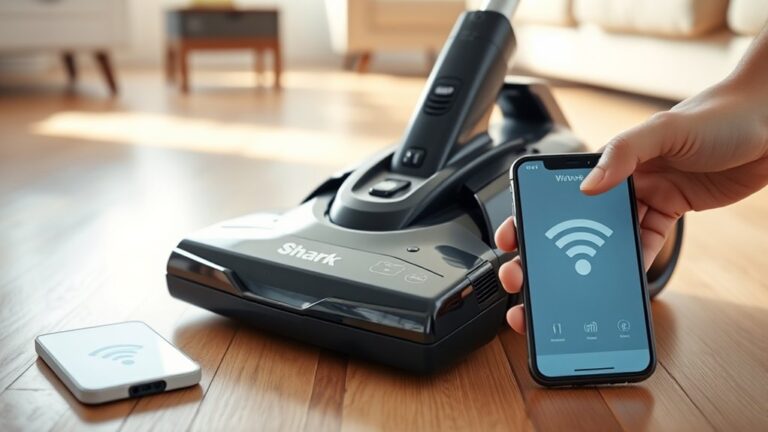
How Much Does a Vacuum Cost?
You’ll pay anywhere from $50 to over $1,000 for a vacuum, depending on the type, features, and brand you choose. Understanding how much does a vacuum cost can help you find the perfect balance between price and performance.
Whether you need a basic model or an advanced machine, knowing the cost factors is essential before making a purchase.
Basic models under $50 are great for simple tasks, while mid-range vacuums offer better suction and attachments.
Cordless and high-end vacuums cost more but bring advanced tech and durability.
Brand reputation, warranty, and where you buy also affect price.
Keep exploring and you’ll discover how to find the best vacuum for your budget and needs.
With the right knowledge, you can make an informed decision that suits your cleaning style and home requirements.
Key Takeaways
- Vacuum prices range from $50 to over $1,000, depending on features, type, and brand quality.
- Corded vacuums typically cost $50 to $300, while cordless models range from $150 to $500.
- Upright vacuums are usually more affordable than canister models, which tend to be pricier.
- Advanced features like HEPA filters, powerful motors, and multiple attachments increase vacuum costs.
- Budget vacuums under $50 suit simple tasks, mid-range $100–$300 offer better performance, and high-end models justify prices with durability and technology.
Typical Vacuum Prices and What Affects Them
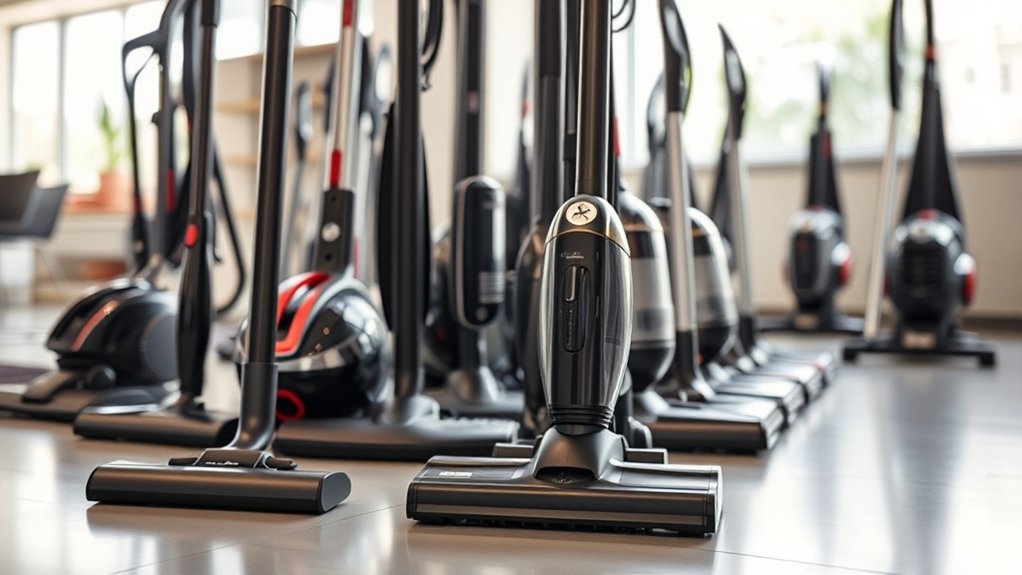
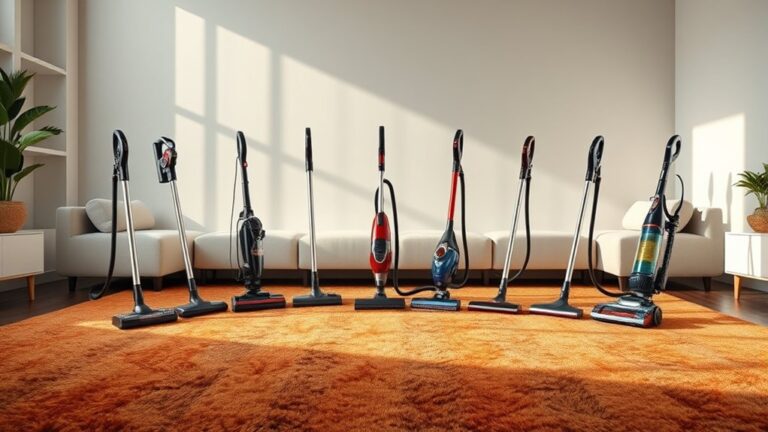
Although vacuum prices vary widely, you’ll typically find models ranging from $50 to over $1,000. What affects those prices? Features like suction power, filtration systems, and brand reputation play big roles.
If you want a vacuum with advanced HEPA filters or multiple attachments, expect to pay more. Materials also matter—durability often comes at a higher cost. You’ll notice that cordless or lightweight models might cost extra because of the technology involved.
Warranty length and customer support can also influence the price. When you shop, think about what you really need versus what looks appealing. Balancing quality and budget helps you find a vacuum that fits both your cleaning demands and your wallet without overspending.
How Vacuum Types Impact Prices

You’ll notice prices vary a lot between upright and canister vacuums, each designed for different cleaning needs. Corded models usually cost less but limit your range, while cordless ones offer freedom at a higher price.
Understanding these differences helps you pick the best vacuum without overspending.
Upright Versus Canister
When choosing between upright and canister vacuums, you’ll find that their designs considerably influence their price points. Upright vacuums usually cost less upfront because they combine the motor, brush roll, and dustbin into one unit, making them simpler to manufacture. They’re great for deep-cleaning carpets and often come with powerful suction at a budget-friendly price.
Canister vacuums, on the other hand, tend to be pricier due to their separate canister and wand design. This setup offers better maneuverability and versatility, especially on hard floors and stairs, but it involves more complex parts. If you need a vacuum that’s easy to carry around and excels on multiple surfaces, expect to pay a bit more for a canister model.
Your choice depends on your cleaning needs and budget.
Corded Compared To Cordless
Because cordless vacuums rely on batteries, they tend to cost more upfront than corded models. You’ll find cordless options usually priced between $150 and $500, depending on battery life and suction power. Corded vacuums, on the other hand, often range from $50 to $300, since they don’t need expensive batteries or chargers.
If you value mobility and ease of use without worrying about power outlets, cordless is worth the investment. But if you want consistent power and longer cleaning sessions without interruptions, corded models offer more bang for your buck. Consider how often and where you’ll clean to decide.
In short, corded vacuums cost less initially, while cordless vacuums charge a premium for convenience and portability.
Vacuum Features That Affect Cost
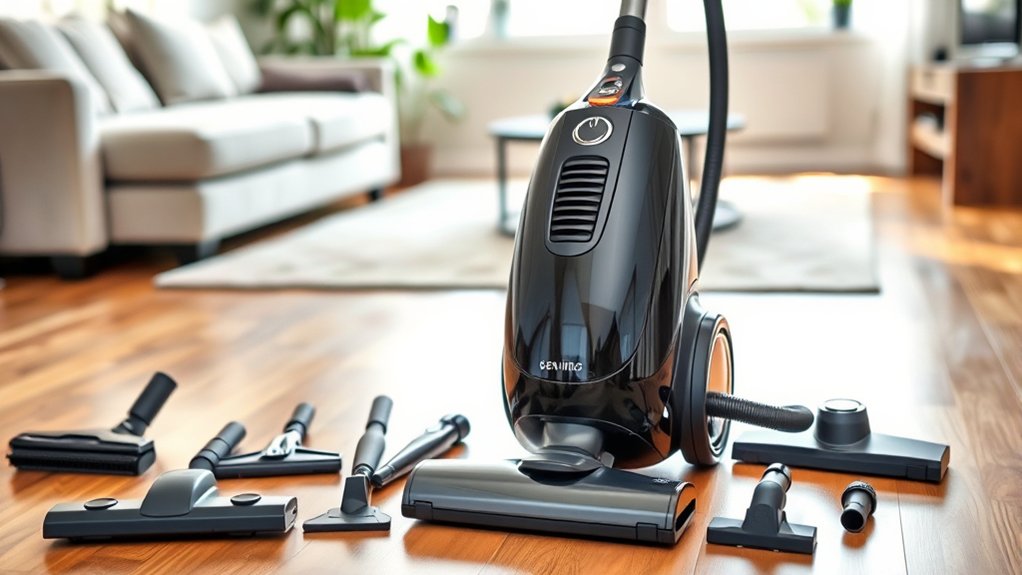
You’ll notice that a vacuum’s motor power plays a big role in its price. The stronger the motor, the more you can expect to pay.
Plus, extra attachments included with the vacuum can also add to the overall cost.
Motor Power Impact
How much power do you really need in a vacuum motor? The motor’s power directly affects both cleaning performance and price. Higher wattage motors generate stronger suction, helping you pick up dirt, pet hair, and debris more efficiently.
If you have thick carpets or lots of foot traffic, investing in a vacuum with a powerful motor makes sense. However, more power usually means a higher cost and potentially louder operation. On the other hand, if you mainly clean hard floors or small areas, a moderate motor power might be enough and save you money.
Keep in mind that motor power isn’t the only factor—design and airflow also play roles. Still, don’t underestimate how much motor strength impacts the vacuum’s price and effectiveness.
Additional Attachments Included
Motor power plays a big role in vacuum performance, but the attachments you get can be just as important. These extras help you tackle different surfaces and hard-to-reach spots, making your cleaning more efficient. When shopping for a vacuum, consider what attachments come with it, as they often impact the price.
Here are some common attachments that can affect cost:
- Crevice tool: Perfect for tight corners and edges.
- Upholstery brush: Great for furniture and curtains.
- Pet hair tool: Designed to remove stubborn pet hair from carpets and furniture.
Having the right attachments means you won’t need to buy extras later, which can save you money in the long run and improve your cleaning experience.
Budget Vacuums: What You Get Under $50
Although budget vacuums under $50 won’t offer advanced features, they can handle basic cleaning tasks effectively. If you’re looking for a simple tool to tackle everyday dirt and dust, these models are a practical choice. You’ll usually find lightweight designs that are easy to maneuver, making quick cleanups less of a chore.
Expect straightforward controls without fancy settings or attachments, so you get a no-frills experience focused on functionality. These vacuums tend to perform best on hard floors and low-pile carpets but may struggle with deep cleaning or pet hair. While durability might be limited compared to pricier options, they’re suitable if you need an affordable, occasional-use vacuum or a secondary one for small spaces.
Mid-Range Vacuums: Balancing Price and Performance
When you’re ready to step up from basic cleaning, mid-range vacuums offer a solid balance between price and performance. These vacuums typically cost between $100 and $300, giving you more powerful suction and better build quality than budget models. You’ll find features that make cleaning easier and more effective without breaking the bank.
Here’s what you can expect from mid-range vacuums:
- Improved filtration systems, like HEPA filters, to reduce allergens
- Versatile attachments for different surfaces, including upholstery and hard floors
- Longer battery life or stronger corded options for extended cleaning sessions
Choosing a mid-range vacuum means you won’t sacrifice performance for affordability, making it a smart choice for most households.
High-End Vacuums: When to Spend More
If you’ve found that mid-range vacuums meet most of your needs but you want even better performance, it might be time to contemplate high-end models. These vacuums deliver superior suction power, longer-lasting components, and advanced features like smart sensors or self-cleaning brushes. You’ll notice improvements in efficiency, especially if you have pets or large spaces to clean.
While they cost considerably more upfront, high-end vacuums often reduce maintenance expenses and last longer, offering better value over time. You should consider spending more if you want top-tier filtration for allergies, quieter operation, or versatile attachments for various surfaces.
Ultimately, investing in a high-end vacuum makes sense when you prioritize durability, performance, and convenience beyond what mid-range options provide.
How Brand Affects What You Pay for Vacuums
Since you’re choosing a vacuum, understanding how brand influences price can help you make smarter decisions. Brands with strong reputations often charge more because they invest in quality materials, innovative features, and reliable customer support. However, a higher price doesn’t always guarantee better performance.
You should weigh brand prestige against what you really need.
Consider these factors when evaluating brand-related costs:
- Warranty and Support: Premium brands usually offer longer warranties and better service.
- Innovation and Features: Well-known brands tend to introduce cutting-edge technologies.
- Build Quality: Trusted brands often use durable components that extend the vacuum’s lifespan.
Where to Buy Vacuums for the Best Prices
Understanding how brand impacts vacuum prices sets the stage for finding the best deals. When you’re ready to buy, start by checking big-box retailers like Walmart, Target, and Best Buy—they often offer competitive pricing and seasonal sales. Don’t overlook online marketplaces such as Amazon and eBay, where you can compare a wide range of models and read customer reviews.
If you want a bargain, consider outlet stores or refurbished units from manufacturer websites, which often come with warranties. Local appliance stores may have limited selections but can provide personalized service and occasional discounts. In the end, keep an eye on holiday sales events like Black Friday or Cyber Monday to snag top brands at lower prices.
Knowing where to shop helps you maximize value without sacrificing quality.
Frequently Asked Questions
How Often Should I Replace Vacuum Filters?
You should replace vacuum filters every 3 to 6 months, depending on usage and manufacturer recommendations. If you notice reduced suction or increased dust, swap them sooner to keep your vacuum working efficiently.
Regular replacement helps maintain optimal performance and prolongs the life of your vacuum. Check the filter condition monthly to determine if it needs changing. Following the manufacturer’s guidelines ensures the best results.
Are Vacuum Bags Reusable or Disposable?
Vacuum bags are generally disposable, so you’ll need to replace them when full. Some reusable bags exist, but they require regular cleaning.
Check your vacuum’s model to see which type fits and follow the manufacturer’s recommendations.
Can Vacuums Help With Allergies?
Imagine breathing fresh, crisp air free of dust and pet dander. You’ll find vacuums with HEPA filters trap allergens, helping you reduce sneezing and irritation.
How Noisy Are Different Vacuum Models?
You’ll find some vacuums are pretty loud, especially powerful upright models, while others, like canister or robotic vacuums, run quieter. Check decibel ratings to pick one that won’t disturb your home’s peace.
What Maintenance Do Vacuums Typically Require?
You’ll need to regularly empty the dustbin or replace bags, clean or change filters, check for blockages, and occasionally untangle brushes.
Keeping these up maintains your vacuum runs efficiently and lasts longer without losing suction.
Conclusion
When shopping for a vacuum, you’ll find prices ranging from under $50 to over $1,000, depending on type, features, and brand. Did you know that high-end vacuums can last up to twice as long as budget models? That means spending more upfront often saves you money in the long run.
By understanding your needs and where to buy, you can choose the perfect vacuum without overspending. Considering vacuum price, durability, and features will help you make the best decision. Finding the right balance between cost and quality ensures you get the most value from your vacuum purchase.