What Is a Wound Vacuum and How Does It Work?
A wound vacuum, also known as negative pressure wound therapy, is a specialized treatment designed to promote faster healing of wounds.
By applying gentle suction to the affected area, it effectively removes excess fluid and infection, which helps reduce swelling.
This therapy encourages the growth of new tissue while maintaining a moist and protected wound environment.
The controlled suction pulls the wound edges together, improving blood flow and accelerating recovery, especially for difficult or infected wounds.
It is an effective option for managing complex wounds that might otherwise heal slowly.
Following care instructions closely is essential to ensure safe and effective healing.
There is much more to understand about how wound vacuums support the healing process.
By using this advanced method, patients can experience improved outcomes and quicker recovery times.
Key Takeaways
- A wound vacuum, or negative pressure wound therapy, uses controlled suction to promote faster healing of deep or complex wounds.
- It removes excess fluid and infectious material, reducing swelling and preventing infection at the wound site.
- The therapy maintains a moist environment that stimulates blood flow and accelerates tissue regeneration.
- A sealed dressing connected to a vacuum pump applies continuous negative pressure to pull wound edges together.
- Wound vacuums are especially effective for chronic wounds, traumatic injuries, and wounds with significant tissue loss or infection.
What Is a Wound Vacuum and Why Is It Used
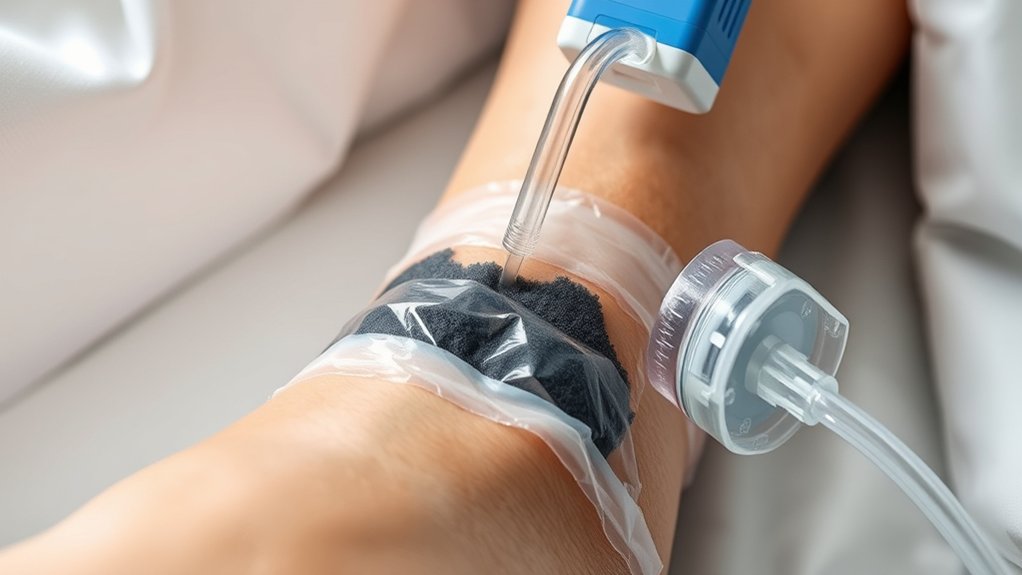
What exactly is a wound vacuum, and how can it help your healing process? A wound vacuum, also called negative pressure wound therapy, is a device designed to speed up your recovery from certain wounds. When you have a wound that’s hard to heal—like a deep cut, surgical wound, or pressure ulcer—you can use this therapy to promote faster tissue growth and reduce swelling.
The device applies controlled suction to your wound, which helps remove fluids and bacteria that might slow healing. Using a wound vacuum can lower your risk of infection and improve blood flow to the injured area. It’s especially useful if your wound hasn’t responded well to traditional treatments, giving your body a better chance to repair itself efficiently.
How Does a Wound Vacuum Work?
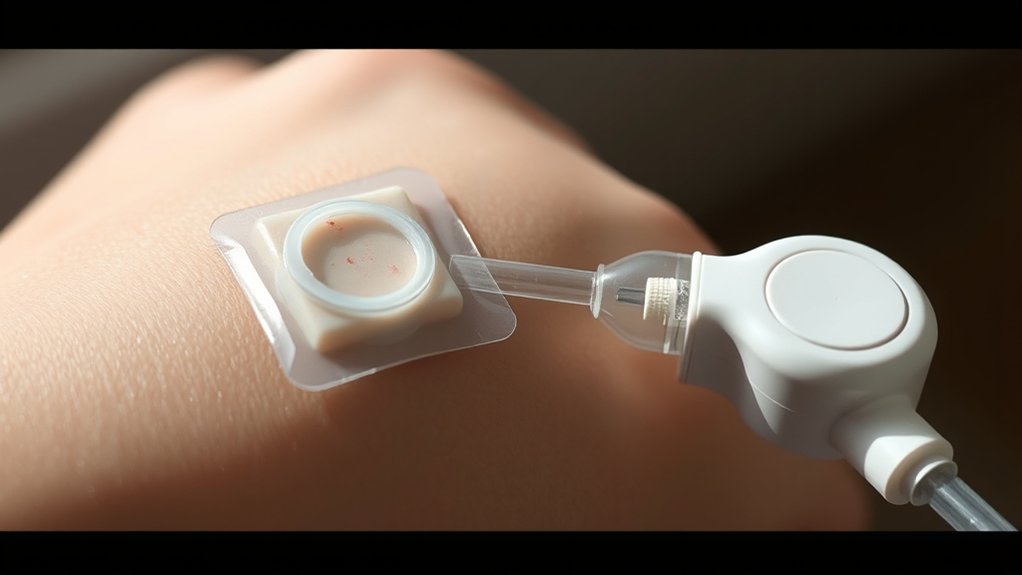
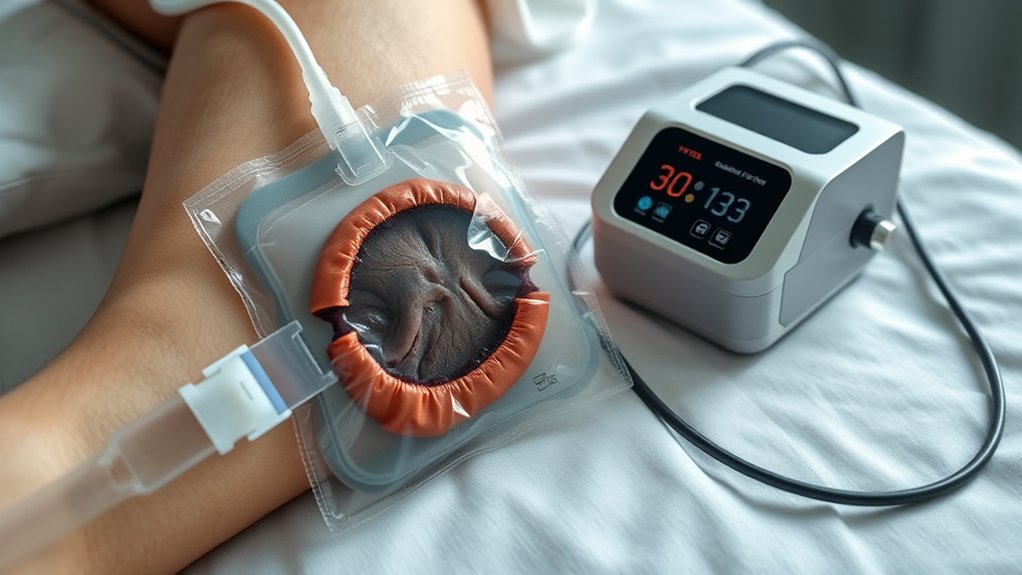
Understanding how a wound vacuum works can help you appreciate its role in speeding up healing. The device applies controlled negative pressure to your wound through a sealed dressing connected to a vacuum pump. This suction removes excess fluid, reduces swelling, and draws out infectious material.
By maintaining a moist environment and stimulating blood flow, it encourages your body’s natural healing processes. The vacuum also helps pull the edges of your wound together, promoting faster tissue regeneration. You’ll find this method effective because it continuously manages the wound environment, preventing complications and supporting new cell growth.
With regular use, a wound vacuum can considerably improve healing outcomes compared to traditional dressings, making it an essential tool in wound care management.
Types of Wounds Treated by Wound Vacuums
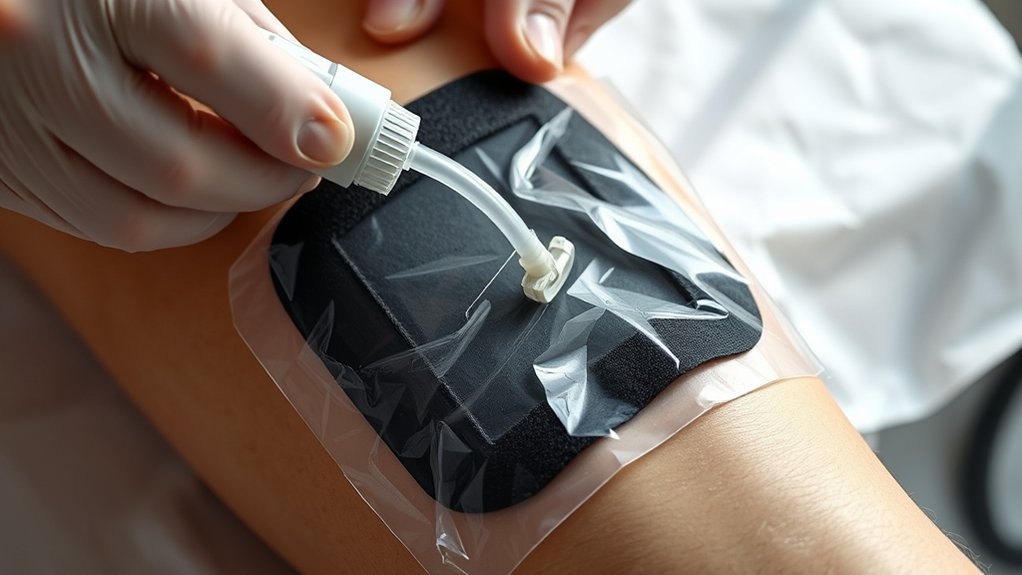
Although wound vacuums can treat a variety of injuries, they work best on wounds that are hard to heal with conventional dressings. If you have chronic wounds like diabetic ulcers or pressure sores, a wound vacuum can help speed up healing by promoting blood flow and removing excess fluid.
They’re also effective for traumatic wounds, such as deep cuts or surgical wounds that have reopened. Additionally, wounds with significant tissue loss or those that are infected may respond well to negative pressure therapy.
Using a Wound Vacuum Safely at Home and Hospital
Wound vacuums can considerably aid healing, but using them safely requires careful attention whether you’re at home or in the hospital. First, always follow your healthcare provider’s instructions precisely. Keep the device clean and check the dressing regularly for leaks or blockage.
Change dressings as directed to prevent infection and promote healing. If you notice increased pain, swelling, or foul odor, contact your provider immediately. Make sure the vacuum pump stays on and monitor battery levels if portable.
Avoid pulling or tugging on tubes to prevent dislodging the dressing. When at home, maintain a clean environment and wash your hands thoroughly before handling the wound or device. By staying vigilant and following guidelines, you help guarantee effective therapy and reduce complications.
Types of Wound Vacuums and Their Features
Because different wounds require specific care, various types of wound vacuums offer unique features to match those needs. You’ll find portable, battery-powered devices that let you move around freely, ideal for at-home use or outpatient care.
Then, there are larger, hospital-grade machines designed for complex wounds needing precise pressure control and continuous monitoring. Some wound vacuums come with adjustable suction settings, so you can tailor the therapy intensity based on your wound’s condition.
Others include alarms to alert you if the seal breaks or the foam needs changing. Additionally, certain models use specialized dressings like foam or gauze to better conform to different wound shapes. Understanding these options helps you and your healthcare provider pick the best wound vacuum for efficient healing.
What to Expect During and After Therapy
Choosing the right wound vacuum sets the stage for your healing process, but understanding what happens during and after therapy is just as important.
During treatment, you’ll have a sealed dressing placed over your wound, connected to the vacuum device that gently applies negative pressure. This might feel a slight tug or suction but shouldn’t cause pain. The device usually runs continuously or intermittently, depending on your wound’s needs.
After therapy, you may notice reduced swelling and drainage. Your healthcare provider will change the dressing regularly to monitor progress and prevent infection. You might experience mild discomfort or skin irritation around the site, which should improve over time.
It’s essential to follow care instructions closely and report any unusual symptoms like increased pain, redness, or fever promptly.
Benefits of Using a Wound Vacuum for Faster Healing
You’ll notice that using a wound vacuum speeds up tissue regeneration, helping your body repair itself faster. It also lowers the risk of infection by keeping the wound clean and protected.
Plus, it reduces swelling and pain, making your healing process more comfortable.
Accelerated Tissue Regeneration
While healing wounds naturally take time, using a wound vacuum can speed up tissue regeneration considerably. The vacuum applies controlled negative pressure, which promotes blood flow and stimulates cell growth right at the wound site. This environment encourages your body to produce new tissue faster, reducing overall healing time.
You’ll notice less swelling and quicker closure of the wound as healthy cells multiply more efficiently.
Here’s a quick overview of how wound vacuums accelerate tissue regeneration:
| Benefit | Mechanism | Impact on Healing |
|---|---|---|
| Increased blood flow | Negative pressure enhances | Delivers oxygen & nutrients |
| Reduced edema | Fluid removal | Decreases swelling |
| Cell proliferation | Mechanical stretch | Speeds new tissue growth |
| Enhanced granulation | Microdeformation | Improves wound bed quality |
| Faster wound closure | Continuous vacuum therapy | Shortens recovery time |
Reduced Infection Risk
Along with speeding up tissue growth, wound vacuums create an environment that lowers your risk of infection. By continuously removing fluids and debris from the wound, they prevent bacteria from settling and multiplying. This constant suction keeps the wound clean, reducing the chances of harmful germs taking hold.
The sealed dressing also acts as a barrier, protecting your wound from external contaminants like dirt and bacteria. With less moisture buildup, the wound becomes less hospitable for infection-causing microbes. This means your body can focus more on healing rather than fighting off infection.
Using a wound vacuum not only supports faster tissue repair but also helps keep infections at bay, promoting a safer and more effective recovery process.
Minimized Swelling and Pain
Because wound vacuums actively draw out excess fluids, they help reduce swelling around your injury, which in turn eases discomfort and pain. When swelling decreases, blood flow improves, delivering oxygen and nutrients that speed up healing. You’ll notice less pressure on surrounding tissues, making movement and daily activities more comfortable.
The vacuum also removes harmful substances that can irritate your wound, preventing further pain. By keeping the wound environment stable and clean, it supports your body’s natural repair processes. Using a wound vacuum means you can manage pain more effectively without relying heavily on medications.
This targeted approach not only promotes faster recovery but also enhances your overall comfort during the healing journey.
Risks and Side Effects to Watch Out For
Even though wound vacuums can speed up healing, you need to be aware of potential risks and side effects. Using a wound vacuum improperly or without monitoring can cause complications. Watch out for these issues:
- Infection around the wound site due to improper dressing changes
- Skin irritation or breakdown from adhesive materials
- Bleeding, especially if the wound is near blood vessels or if you have a bleeding disorder
- Pain or discomfort from the suction pressure
- Device malfunction, which can interrupt therapy and delay healing
If you notice increased redness, swelling, unusual odor, or worsening pain, contact your healthcare provider immediately. Proper care and regular check-ups help minimize these risks, ensuring your wound vacuum therapy supports your recovery safely and effectively.
Frequently Asked Questions
How Much Does a Wound Vacuum Device Typically Cost?
You’ll typically pay between $2,000 and $5,000 for a wound vacuum device. Prices vary based on features and brand, but rental options can help you manage costs if you don’t want to buy outright.
Can Wound Vacuums Be Used on Pets or Animals?
Yes, you can use wound vacuums on pets and animals. You’ll help promote healing, reduce infection, and speed recovery.
Just make certain a vet supervises treatment because their needs differ from humans.
Are There Any Insurance Plans That Cover Wound Vacuum Therapy?
Yes, many insurance plans cover wound vacuum therapy, especially for chronic or non-healing wounds. You should check with your provider to confirm coverage and any necessary pre-authorization to avoid unexpected costs.
How Noisy Is a Wound Vacuum During Operation?
You’ll find a wound vacuum operates quietly, usually around 40 decibels—comparable to a quiet library. This low noise level won’t disturb you, letting you focus on healing without distractions or added stress.
Can Wound Vacuums Be Reused for Different Patients?
You can’t reuse wound vacuums for different patients due to infection risks. However, some parts like canisters or dressings are single-use, while the main machine is reusable after thorough sterilization and proper maintenance.
Conclusion
By choosing a wound vacuum, you’re giving your body a helpful nudge toward healing, gently encouraging your wounds to close and recover faster. While it’s not a magic fix, this smart tool quietly supports your journey to feeling whole again.
Just remember to follow your care team’s guidance closely, so you can avoid any unexpected bumps along the way. This will help you enjoy smoother, more comfortable healing every step of the way. Using a wound vacuum properly can significantly enhance the healing process and improve overall wound care outcomes.