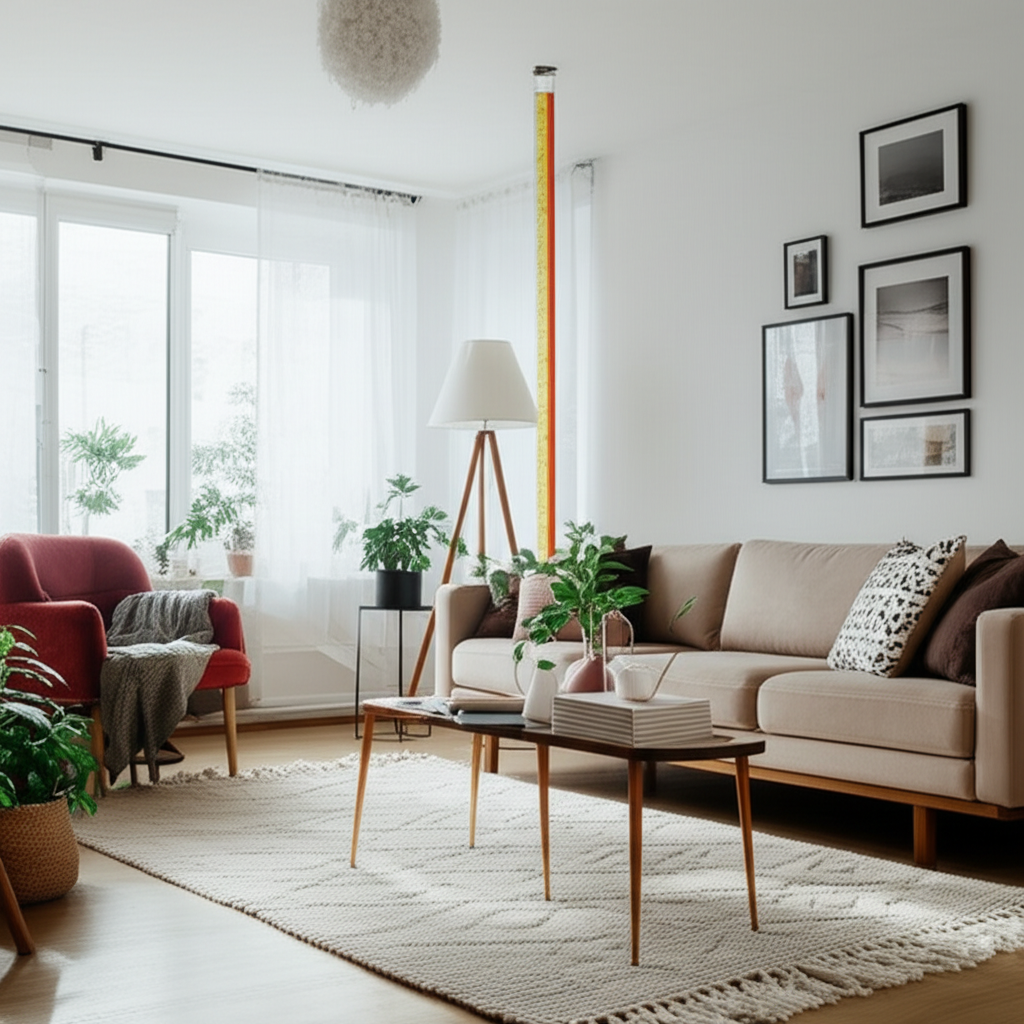
Living Room Length: Average Meters
Navigating Your Space: Understanding Living Room Length and Average Meters
Understanding your living room length is a fundamental step in any home design or furnishing project. It’s not just about aesthetics; it’s about functionality, flow, and maximizing the potential of your most communal space. When we talk about living room length and average meters, we’re delving into crucial dimensions that influence everything from furniture placement to the overall feel of the room. Whether you’re wrestling with a cramped city apartment or enjoying the expansive feel of a suburban home, knowing these measurements empowers you to make informed decisions.
The concept of an “average” living room length, when expressed in meters, can be a helpful starting point, but it’s essential to recognize the vast diversity in housing styles and layouts across the globe. What might be considered average in one region could be quite different in another. However, for the purposes of general guidance and to establish a baseline, many sources suggest that a typical living room might fall into the range of 3.5 to 5 meters in length. This encompasses a broad spectrum, accounting for smaller, more compact living areas to those that are moderately sized.
Factors Influencing Living Room Dimensions
Several factors contribute to the seemingly simple question of living room length. Firstly, architectural style and period play a significant role. Older homes, particularly those built when living spaces were often more compartmentalized, might feature narrower and longer living rooms. Conversely, contemporary designs often prioritize open-plan living, leading to larger, more versatile rectangular or even square layouts.
Secondly, geographical location and housing costs inevitably shape living room dimensions. In densely populated urban areas where real estate is at a premium, living rooms are often designed to be more efficient with their space, resulting in shorter lengths. Suburban and rural environments, with more available land, tend to allow for more generous proportions.
Thirdly, personal preference and lifestyle can influence how a living room is perceived and used. A family that primarily uses their living room for quiet relaxation might be content with a cozy, shorter space. However, a family that frequently entertains large gatherings might find a longer, more expansive living room to be more accommodating.
The Significance of Living Room Length in Design
The length of your living room is a primary determinant of how you can arrange furniture and create distinct zones within the space.
For shorter living rooms (generally under 3.5 meters), the key is to maximize perceived space and ensure a clear path for movement. Furniture should be carefully chosen to avoid overwhelming the room. Consider:
Scaled-down furniture: Opt for sofas and armchairs with a compact profile. Loveseats can be a great alternative to full-sized sofas.
Multi-functional pieces: Ottomans with storage, coffee tables with lift-tops, and nesting side tables can add utility without consuming extra floor space.
Verticality: Draw the eye upwards with tall bookshelves, wall-mounted art, or floor-to-ceiling curtains to create an illusion of greater height and length.
Strategic mirror placement: A well-placed mirror can reflect light and visually expand the dimensions of the room.
For longer living rooms (typically over 5 meters), you have more flexibility, but the challenge shifts to preventing the room from feeling like a bowling alley. The goal is to break up the space into more intimate and functional areas. Consider:
Creating zones: Use furniture arrangement, rugs, and lighting to define specific areas, such as a seating area, a reading nook, or an entertainment zone.
Focal points: Establish clear focal points within each zone to anchor the design. This could be a fireplace, a television console, or a striking piece of artwork.
Symmetrical balance: In longer rooms, symmetrical arrangements can create a sense of harmony and order.
Anchoring with rugs: Large area rugs are excellent for defining seating clusters and preventing the room from feeling too vast and ungrounded.
Achieving the Ideal Living Room Length Experience
While you often can’t change the fundamental length of your living room, you can certainly manipulate its perception and functionality.
Measurement is Key: Before any design decisions are made, accurately measure your living room length, width, and ceiling height. This is the non-negotiable first step.
Blueprint for Flow: Sketching a floor plan, even a rough one, can be incredibly helpful. It allows you to experiment with different furniture layouts without physically moving heavy items. Prioritize clear pathways for walking through the room.
The Role of Light: Natural light is a powerful tool. Maximize it by keeping window treatments minimal and light-colored. Layered artificial lighting – ambient, task, and accent – can also dramatically influence how space feels.
Color Psychology: Lighter paint colors tend to make a room feel more spacious, while darker colors can create a cozier, more intimate atmosphere.
Ultimately, understanding your living room length, whether it aligns with an average meter measurement or not, is about empowering you to craft a space that is both beautiful and practical. By considering the dimensions, the influencing factors, and the strategic design principles, you can transform your living room into a welcoming and functional heart of your home, regardless of its precise length in meters.
